
For many teenagers involved in sports, fitness, or bodybuilding, protein powders have become a go-to supplement for building muscle and recovering after workouts. Parents, however, often wonder: are these products truly safe for growing adolescents? With shelves lined with colorful tubs promising faster gains and better performance, it’s crucial to separate marketing hype from medical facts. This article examines the science behind protein supplementation in teens, outlines potential benefits and risks, and provides actionable guidance for parents navigating this complex nutritional landscape.
Understanding Protein Needs in Adolescents
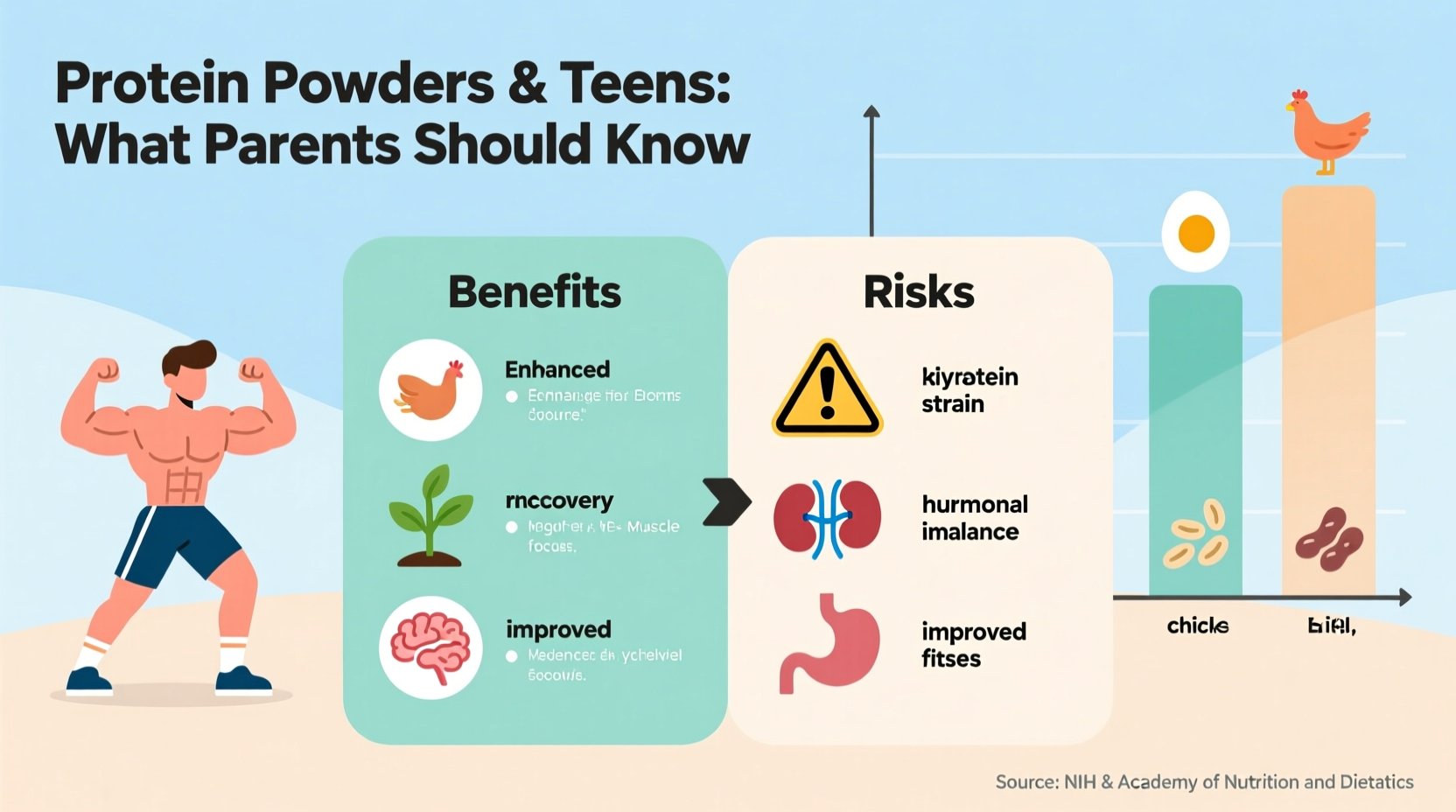
Protein is essential for growth, tissue repair, enzyme production, and immune function—especially during adolescence, when the body undergoes rapid development. The Recommended Dietary Allowance (RDA) for protein is 0.85 grams per kilogram of body weight per day for teens aged 14–18. For a 150-pound (68 kg) teenager, that’s about 58 grams daily. Most American teens already meet or exceed this requirement through regular diets rich in meat, dairy, eggs, legumes, and grains.
However, active teens—particularly those engaged in intense strength training or endurance sports—may require more protein to support muscle recovery and growth. Experts suggest that physically active adolescents may benefit from up to 1.2 to 1.7 grams of protein per kilogram of body weight per day. While increased needs can usually be met through whole foods, some turn to protein powders as a convenient alternative.
Tip: Before considering supplements, assess your teen’s current diet. Many teens consume adequate protein without realizing it.Common Types of Protein Powders and Their Uses
Not all protein powders are created equal. Understanding the differences helps parents choose wisely—or decide if supplementation is even necessary.
| Type of Protein | Source | Pros | Cons |
|---|---|---|---|
| Whey | Milk (byproduct of cheese-making) | Fast-absorbing, high in leucine (supports muscle synthesis), widely studied | May cause digestive issues in lactose-intolerant individuals |
| Casein | Milk | Slow-digesting, ideal for overnight recovery | Can be heavy on digestion; not suitable for dairy-sensitive teens |
| Plant-Based (Pea, Rice, Hemp) | Legumes, seeds, grains | Dairy-free, suitable for vegans and allergies | Sometimes lower in certain amino acids; may contain added sugars or fillers |
| Egg White | Eggs | Pure protein source, hypoallergenic for most | Less common, higher cost, limited flavor options |
Most commercial protein powders also include added ingredients such as sweeteners (sucralose, stevia), thickeners (xanthan gum), and flavorings. Some mass-gainer blends contain high levels of sugar and calories, which may contribute to unwanted weight gain or metabolic strain if overused.
Benefits of Protein Supplementation for Teens
When used appropriately, protein powders can offer specific advantages, particularly for athletic or undernourished teens.
- Supports Muscle Recovery: After intense physical activity, protein aids in repairing micro-tears in muscle fibers, reducing soreness and improving adaptation.
- Convenience: For busy teens with irregular meals, a protein shake can prevent protein gaps in their daily intake.
- Weight Management: High-protein diets increase satiety, helping some teens avoid overeating or snacking on processed foods.
- Nutritional Support for Picky Eaters: Teens with restricted diets (e.g., due to eating disorders, food allergies, or veganism) may struggle to meet protein needs—supplements can help bridge the gap.
“Protein supplementation can be beneficial for adolescent athletes, but only when dietary intake falls short and use is monitored.” — Dr. Laura Chen, Pediatric Sports Nutritionist
Risks and Concerns Parents Should Consider
Despite their popularity, protein powders are not risk-free for teenagers. Several concerns stem from product quality, dosage, and long-term usage patterns.
1. Kidney Strain with Excessive Intake
The kidneys filter excess nitrogen from protein metabolism. While healthy teens can typically handle moderate increases, consistently consuming more than 2 grams of protein per kilogram of body weight may place undue stress on developing organs. There is no evidence that protein causes kidney disease in healthy individuals, but pre-existing conditions could be exacerbated.
2. Contaminants and Unregulated Ingredients
A 2018 study by the Clean Label Project found that many protein powders contain detectable levels of heavy metals (lead, arsenic, cadmium), BPA, and pesticides. Since supplements are not strictly regulated by the FDA, label accuracy and purity vary significantly between brands.
3. Displacement of Whole Foods
Relying too heavily on shakes may lead teens to skip nutrient-dense meals. Whole foods provide fiber, vitamins, antioxidants, and healthy fats that powders lack. Over time, this imbalance can affect gut health, energy levels, and overall development.
4. Psychological Impact and Body Image
Regular use of supplements, especially in combination with fitness tracking apps or social media influence, may contribute to unhealthy body image or disordered eating behaviors. Some teens begin viewing food as fuel for appearance rather than health.
Tip: Monitor your teen’s motivation for using protein powder. If it's driven by insecurity or comparison, consider speaking with a counselor.Real-Life Example: A Cautionary Scenario
Jared, a 16-year-old high school football player, began using a popular whey protein brand after seeing teammates do the same. He consumed two scoops daily, post-workout and sometimes as a breakfast replacement. Within three months, he developed frequent stomach cramps and elevated liver enzymes during a routine physical. His pediatrician traced the issue to excessive protein intake and an undisclosed ingredient in the supplement—a synthetic digestive irritant. After switching to whole-food-based meals and discontinuing the powder, Jared’s symptoms resolved. This case highlights how unchecked supplement use, even with seemingly benign products, can impact teen health.
How to Use Protein Powders Safely: A Step-by-Step Guide
If you and your teen decide that a protein supplement is appropriate, follow this structured approach to minimize risks.
- Consult a Healthcare Provider: Speak with a pediatrician or registered dietitian before starting any supplement, especially if your teen has underlying health conditions.
- Assess Dietary Intake: Track your teen’s current protein consumption using a food diary or app. Determine if a gap actually exists.
- Choose a High-Quality Product: Look for third-party tested brands (NSF Certified for Sport, Informed Choice, USP Verified). Avoid products with proprietary blends, artificial sweeteners, or excessive added sugars.
- Limit Dosage: Stick to one serving per day, ideally post-exercise. More is not better—most teens need only 20–30 grams of supplemental protein at a time for optimal absorption.
- Pair with Balanced Meals: Use protein shakes as a supplement, not a meal replacement. Combine with fruits, oats, or nut butter for a complete snack.
- Monitor for Side Effects: Watch for digestive discomfort, changes in energy, or shifts in eating behavior. Discontinue use if adverse effects occur.
- Reevaluate Every 3–6 Months: As your teen grows and their activity level changes, reassess whether continued use is necessary.
Checklist for Parents Considering Protein Powder for Their Teen
- ✅ Discussed use with a pediatrician or dietitian
- ✅ Reviewed current diet for protein adequacy
- ✅ Selected a third-party tested, low-additive product
- ✅ Established clear usage guidelines (timing, dosage)
- ✅ Monitored for physical or emotional side effects
- ✅ Encouraged whole-food sources as primary nutrition
- ✅ Scheduled periodic reevaluation of supplement need
Frequently Asked Questions
Can protein powder stunt a teen’s growth?
No scientific evidence supports the claim that protein powder stunts growth. In fact, adequate protein is essential for normal growth. However, replacing balanced meals with shakes could lead to nutrient deficiencies that indirectly affect development.
At what age is it safe to start protein supplements?
There is no official minimum age, but most experts recommend waiting until late adolescence (16+) and only when medically indicated. Younger teens should meet protein needs through food unless advised otherwise by a healthcare provider.
Are plant-based proteins safer than whey for teens?
Neither is inherently safer. Plant-based options avoid dairy allergens but may contain lower levels of essential amino acids unless properly combined (e.g., pea + rice). The key is choosing a clean, well-formulated product regardless of source.
Conclusion: Making Informed Choices for Your Teen’s Health
Protein powders are not inherently dangerous for teens, but they are not universally necessary either. The decision to use them should be based on individual needs, professional guidance, and careful product selection—not peer pressure or influencer trends. When used responsibly, protein supplements can support active teens. But when misused, they may introduce health risks or reinforce unhealthy relationships with food and body image.
Parents play a vital role in guiding these choices. By prioritizing whole foods, seeking expert input, and maintaining open conversations about nutrition and self-image, you can help your teen build sustainable habits that last far beyond their high school years.
💬 Have questions about your teen’s nutrition or experience with protein powders? Share your thoughts below—we’d love to hear from you and support other parents making informed choices.








