
Pacifiers are one of the most common tools parents reach for when trying to soothe a fussy newborn. Loved by some, criticized by others, their use sparks ongoing debate among caregivers and healthcare professionals. While pacifiers can offer comfort and even reduce the risk of sudden infant death syndrome (SIDS), concerns about dental development, dependency, and ear infections persist. Understanding both sides is essential for making informed choices that support your baby’s health and well-being.
The Benefits of Pacifier Use
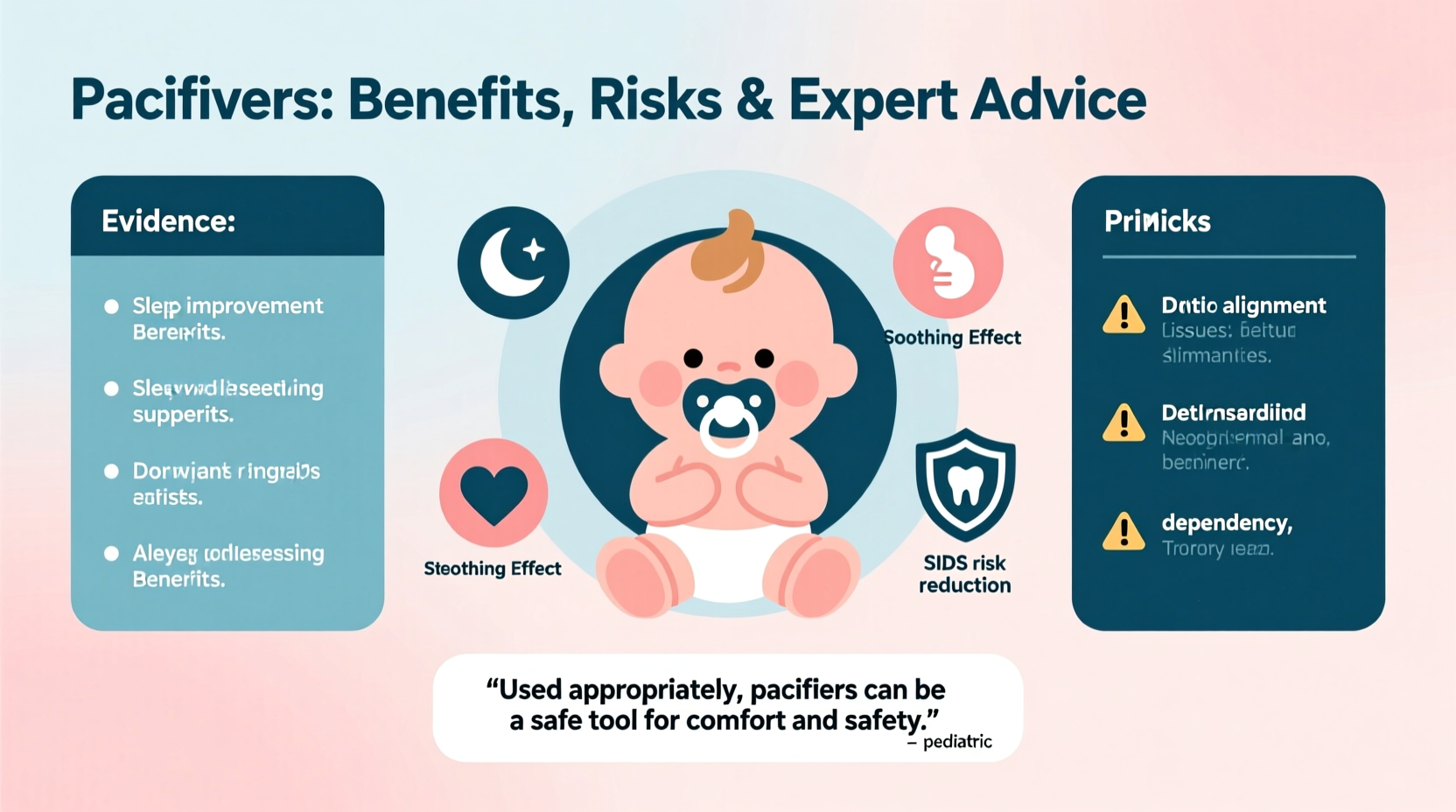
When used appropriately, pacifiers provide several documented advantages, especially during the early months of life. The American Academy of Pediatrics (AAP) acknowledges these benefits and includes pacifier recommendations in its guidelines for safe infant sleep.
- Soothing effect: Sucking is a natural calming reflex for infants. A pacifier can help babies self-soothe during moments of fussiness or overstimulation.
- Sleep support: Many babies fall asleep more easily with a pacifier, particularly in the first few months before they develop other self-regulation techniques.
- SIDS risk reduction: Studies consistently show that offering a pacifier at naptime and bedtime is associated with a lower risk of Sudden Infant Death Syndrome. The AAP recommends introducing a pacifier after breastfeeding is well established—usually around 3 to 4 weeks.
- Pain relief during procedures: In clinical settings, pacifiers dipped in sucrose solution are sometimes used to help reduce pain perception during minor medical procedures like vaccinations.
- Support for premature infants: NICU staff often use pacifiers to help preterm babies coordinate sucking, swallowing, and breathing, which supports feeding development.
Potential Risks and Drawbacks
Despite their benefits, prolonged or inappropriate pacifier use carries certain risks that parents should be aware of.
Dental and Oral Development Issues
Extended use—especially beyond age 2—can lead to changes in tooth alignment and jaw structure. Prolonged sucking may cause an open bite, crossbite, or protruding front teeth. The American Dental Association advises phasing out pacifiers by age 3 at the latest, preferably earlier.
Ear Infections
Research shows that babies who use pacifiers regularly, particularly during the day, have a higher incidence of otitis media (middle ear infections). This may be due to altered pressure in the Eustachian tube caused by constant sucking.
Breastfeeding Interference
Introducing a pacifier too early—before breastfeeding is fully established—can lead to nipple confusion or reduced nursing frequency, potentially affecting milk supply. The World Health Organization recommends delaying pacifier use until breastfeeding is secure, typically around 3–4 weeks postpartum.
Dependency and Sleep Associations
Some children become dependent on the pacifier to fall asleep. This can lead to frequent night wakings when the pacifier falls out and the child cannot self-soothe without it. Breaking this cycle later may require sleep training or weaning efforts.
“Pacifiers can be a valuable tool in infancy, but timing and duration matter. Introduce them thoughtfully and plan for timely weaning.” — Dr. Lena Patel, Pediatric Sleep Specialist
Expert Recommendations: When and How to Use Pacifiers
Medical organizations agree that pacifiers are not inherently harmful and can be beneficial—if used wisely. Here’s what leading experts advise:
Timing of Introduction
Wait until breastfeeding is well established (typically 3–4 weeks) before offering a pacifier. This reduces the risk of latch issues and ensures adequate milk production.
Choosing the Right Pacifier
Select orthodontic-style pacifiers made from BPA-free materials. These are designed to support healthy oral development. Replace pacifiers every 1–2 months or sooner if cracked or worn.
Nighttime vs. Daytime Use
Use during sleep is most strongly linked to SIDS protection. Daytime use should be monitored to avoid overuse and potential ear infection risks.
Weaning Timeline
Aim to begin weaning between 6 and 12 months. By age 2, most children should no longer use a pacifier. Gradual withdrawal methods are usually more effective than cold turkey.
Tip: Avoid coating pacifiers in sugar or sweet substances, which can promote tooth decay.Do’s and Don’ts of Pacifier Use
| Do’s | Don’ts |
|---|---|
| Introduce after breastfeeding is established | Offer too early, before feeding routine is set |
| Use a clean, undamaged pacifier | Give a broken or worn pacifier |
| Offer during naps and bedtime for SIDS protection | Force the baby to keep it in if they reject it |
| Wean gradually between 6–12 months | Allow use beyond age 3 |
| Have multiple clean pacifiers available | Tie a pacifier around the baby’s neck (choking hazard) |
Real-Life Example: The Johnson Family’s Experience
The Johnsons introduced a pacifier to their daughter, Mia, at six weeks old, once breastfeeding was going smoothly. Initially, it helped her settle during colicky evenings and improved her sleep. However, by 10 months, they noticed she woke up multiple times each night searching for her pacifier. After consulting their pediatrician, they began a gradual weaning process—first removing it from nighttime routines on weekends, then replacing it with a lovey. Within three weeks, Mia adjusted and began sleeping through the night again. The experience taught them that while pacifiers were helpful early on, intentional weaning was just as important.
Step-by-Step Guide to Weaning Off the Pacifier
Weaning doesn’t have to be traumatic. Follow this gentle timeline for a smoother transition:
- Assess readiness (6–12 months): Look for signs your child is less dependent—playing without it, not reaching for it when upset.
- Limit use to specific times: Allow only during naps and bedtime, then phase out nap use.
- Create a goodbye ritual: Some parents find success with stories like “The Pacifier Fairy” who takes old pacifiers in exchange for a small gift.
- Offer alternatives: Introduce a soft blanket, stuffed animal, or lullaby as a new comfort object.
- Stay consistent: Once you commit to stopping, avoid reintroducing it, even during illness or travel, unless absolutely necessary.
Frequently Asked Questions
Can pacifiers cause speech delays?
There is no strong evidence that short-term pacifier use causes speech delays. However, prolonged use beyond age 2–3 may interfere with proper tongue positioning and oral motor development, which could indirectly affect articulation. Moderation and timely weaning minimize this risk.
Is it okay to reinsert a fallen pacifier at night?
If your baby wakes and needs the pacifier to resettle, it’s fine to reinsert it—especially in early infancy. But as your child grows, consider whether this habit supports independent sleep. Around 6–9 months, you might let them learn to fall back asleep without it.
What if my baby refuses the pacifier?
Not all babies accept pacifiers—and that’s perfectly normal. Some prefer thumb-sucking, cuddling, or other soothing methods. Never force a pacifier. If your baby rejects it, focus on other calming techniques like swaddling, white noise, or rhythmic motion.
Conclusion: Making an Informed Decision
Pacifiers are neither universally good nor bad—they are a tool whose impact depends on how, when, and how long they’re used. For many families, the benefits in early infancy outweigh the risks, especially when pacifiers are introduced at the right time and phased out proactively. By following expert guidance, monitoring your baby’s response, and planning for eventual weaning, you can harness the soothing power of the pacifier without compromising long-term health.
💬 Have questions about pacifier use or want to share your weaning story? Join the conversation below—your experience could help another parent make a confident choice.








