
In an era where skincare routines often resemble multi-step rituals, overnight face masks have emerged as a popular addition to nighttime regimens. Marketed as a shortcut to glowing, hydrated, and rejuvenated skin by morning, these products promise deep repair while you sleep. But with countless serums, creams, and moisturizers already on the market, many wonder: are overnight face masks truly effective, or are they simply clever packaging wrapped in scientific-sounding jargon? The answer isn’t a simple yes or no—it depends on your skin type, ingredients, and expectations.
Unlike traditional night creams that absorb quickly, overnight masks are typically thicker and designed to form a protective barrier over the skin. This occlusive layer slows moisture loss and allows active ingredients more time to penetrate. While some dermatologists praise them for enhancing hydration and repair, others caution that not all formulas deliver what they promise—and some may even cause irritation or clogged pores. To cut through the noise, let’s examine the science behind overnight masks, who benefits most from using them, and how to choose one that works without falling for hype.
The Science Behind Overnight Skincare
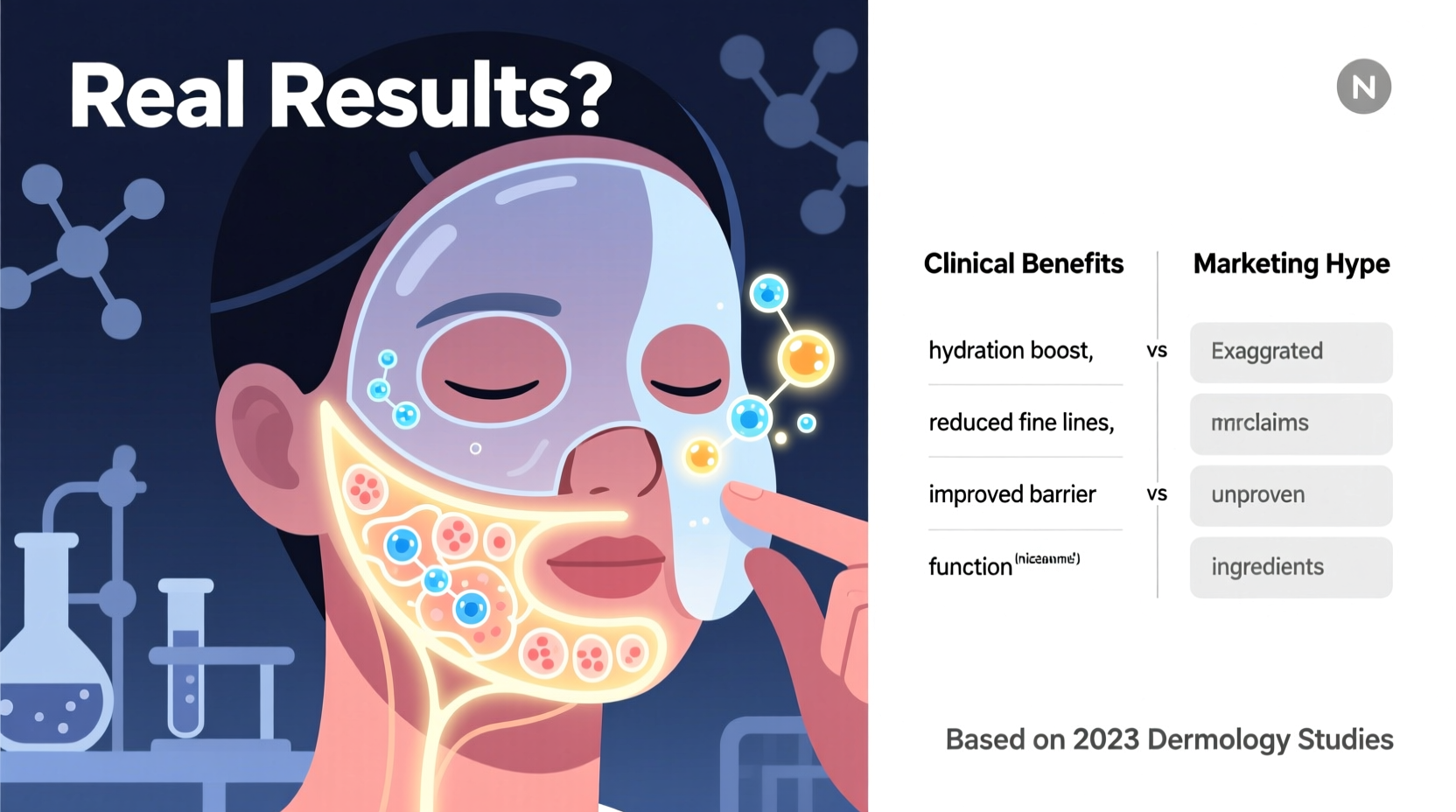
Your skin undergoes significant biological changes during sleep. Cell turnover increases, blood flow improves, and natural repair processes peak between 10 p.m. and 4 a.m. This makes the nighttime hours ideal for applying targeted treatments. Overnight face masks leverage this window by creating a sealed environment that boosts ingredient absorption and minimizes transepidermal water loss (TEWL).
Occlusion—the act of sealing moisture into the skin—is a well-documented principle in dermatology. Studies show that applying an occlusive product (like petroleum jelly) can reduce water loss by up to 98%. Many overnight masks use similar principles, incorporating ingredients like ceramides, hyaluronic acid, squalane, and shea butter to lock in hydration and reinforce the skin barrier.
Beyond hydration, certain masks contain actives such as retinol, niacinamide, peptides, or antioxidants like vitamin C. These compounds work best when given extended contact time—something overnight masks provide. For example, research published in the *Journal of Cosmetic Dermatology* found that prolonged exposure to low-concentration retinol improved fine lines and texture more effectively than short-contact applications.
“Overnight masks aren't magic, but they do offer a strategic advantage: time. When formulated correctly, they enhance delivery of beneficial ingredients while supporting the skin’s natural nocturnal repair cycle.” — Dr. Lena Patel, Board-Certified Dermatologist
Benefits vs. Hype: What Overnight Masks Can (and Can’t) Do
Let’s separate fact from fiction. Overnight masks are not miracle workers, but they can deliver tangible benefits under the right conditions.
What They Can Do:
- Boost hydration: Especially beneficial for dry or dehydrated skin types.
- Strengthen the skin barrier: Occlusive ingredients help repair compromised barriers caused by over-cleansing or environmental stress.
- Enhance penetration of actives: Extended contact time allows ingredients like niacinamide or peptides to work more effectively.
- Provide immediate visual improvement: Wake up with plumper, smoother skin due to temporary swelling from hydration.
What They Can’t Do:
- Erase deep wrinkles permanently: While they may soften appearance temporarily, structural aging requires long-term treatment.
- Replace sunscreen or daytime protection: No mask can undo UV damage incurred during the day.
- Work universally for all skin types: Oily or acne-prone individuals may experience breakouts from heavy formulations.
- Deliver instant anti-aging results: Claims of “younger-looking skin in one night” are exaggerated.
Who Should Use Overnight Face Masks?
Not every skin type benefits equally from overnight masks. Understanding your skin’s needs is key to determining whether this step adds value—or risk—to your routine.
| Skin Type | Benefit Potential | Key Considerations |
|---|---|---|
| Dry/Dehydrated | High | Ideal for restoring moisture; look for ceramides, glycerin, and oils. |
| Mature/Aging | High | Peptide- or retinol-infused masks support collagen production. |
| Oily/Acne-Prone | Low to Moderate | Avoid heavy, comedogenic formulas; opt for gel-based or non-pore-clogging options. |
| Combination | Moderate | Use selectively on dry zones; avoid T-zone if prone to shine. |
| Sensitive | Cautious Use | Patch test first; avoid fragrances, essential oils, and alcohol. |
For those living in dry climates or frequently exposed to indoor heating and air conditioning, overnight masks can be particularly helpful in preventing moisture loss. Seasonal users also report success during winter months when skin tends to feel tight and flaky.
How to Use an Overnight Mask Effectively
Using an overnight mask incorrectly can lead to greasy residue, pillow stains, or even breakouts. Follow this step-by-step guide to maximize benefits and minimize mess.
- Cleanse thoroughly: Remove makeup, dirt, and excess oil so the mask can adhere to clean skin.
- Apply toner or essence (optional): Prepares the skin and enhances absorption.
- Layer serums as needed: Apply treatment products like vitamin C or hyaluronic acid first.
- Use a pea-sized amount: Start small—a little goes a long way. Over-application increases greasiness and clogging risk.
- Gently press into skin: Don’t rub vigorously. Focus on areas prone to dryness or dullness.
- Wait 5–10 minutes before bed: Allows partial absorption so you don’t transfer too much onto your pillowcase.
- Wash face in the morning: Some residue may remain; cleanse gently to remove buildup.
Real-World Example: A 4-Week Trial
Sophia, a 34-year-old office worker in Denver, struggled with persistent dryness and uneven texture during the winter. Despite using a rich night cream, her skin felt tight by morning. She decided to test a hyaluronic acid-based overnight mask twice weekly for four weeks.
She applied it after cleansing and using her usual serum, following the instructions carefully. Within the first week, she noticed softer skin upon waking. By week three, her complexion appeared more even, and flakiness around her cheeks diminished. After four weeks, she reported feeling more confident going makeup-free in the mornings.
Her dermatologist noted improved hydration levels during a follow-up visit and attributed the progress to consistent occlusion and proper layering. However, Sophia emphasized that results didn’t happen overnight—literally. “It wasn’t a dramatic glow after one use,” she said. “But over time, my skin just looked healthier, less stressed.”
Choosing the Right Product: A Buyer’s Checklist
With shelves crowded with glitter-infused gels and celebrity-endorsed jars, selecting an effective overnight mask requires scrutiny. Use this checklist to make informed choices:
- ✅ Read the ingredient list: Prioritize proven hydrators (hyaluronic acid, glycerin), barrier-supporting lipids (ceramides, cholesterol), and non-irritating actives.
- ✅ Avoid common irritants: Steer clear of synthetic fragrances, denatured alcohol, and essential oils if you have sensitive skin.
- ✅ Check texture compatibility: Gel-based masks suit oily skin; creams or balms work better for dry types.
- ✅ Look for clinical backing: Brands that publish third-party studies or dermatologist-tested claims add credibility.
- ✅ Start with samples: Test before committing to full-size purchases, especially with high-cost products.
- ✅ Consider frequency of use: Some masks are safe nightly; others should be used 1–2 times per week.
Price doesn’t always correlate with performance. Drugstore brands like CeraVe, Neutrogena, and The Ordinary offer effective occlusive formulas at a fraction of luxury prices. Meanwhile, premium options may justify cost through advanced delivery systems or higher concentrations of stable actives—but only if those ingredients align with your goals.
Frequently Asked Questions
Can I use an overnight mask every night?
It depends on the formula and your skin type. Lightweight, non-comedogenic gels may be suitable for nightly use. However, thick, oil-based masks are better reserved for 2–3 times per week to prevent pore congestion. Always monitor how your skin reacts.
Will an overnight mask cause breakouts?
Potentially, especially if it contains comedogenic ingredients like coconut oil, lanolin, or heavy silicones. Acne-prone individuals should opt for water-based, non-acnegenic formulas labeled “oil-free” or “non-comedogenic.” Introduce slowly and discontinue if new blemishes appear.
Is there a difference between an overnight mask and a night cream?
Yes. Night creams are generally lighter and designed to absorb fully. Overnight masks are typically thicker and create a semi-occlusive layer to boost hydration and ingredient penetration. Think of masks as intensive treatments, while creams are daily maintenance products.
Final Verdict: Worth It or Marketing Fluff?
Overnight face masks are neither a universal necessity nor pure marketing gimmicks. For people with dry, mature, or environmentally stressed skin, they can be a valuable tool in maintaining hydration and supporting skin recovery. The science supports their ability to enhance ingredient delivery and reduce moisture loss—key factors in healthy skin function.
However, their effectiveness hinges on formulation quality, proper usage, and individual skin compatibility. A poorly chosen mask can lead to congestion, irritation, or wasted money. And for those with naturally balanced or oily skin, the benefits may be negligible compared to simpler, lighter moisturizers.
The real value lies in intentionality. Using an overnight mask once a week as a targeted treatment—rather than a daily obligation—can yield visible improvements without overburdening your routine. It’s not about adding more steps, but about choosing the right step at the right time.
🚀 Ready to optimize your nighttime routine? Try a well-formulated overnight mask for two weeks and track changes in texture and hydration. Share your experience in the comments—your insights could help others cut through the skincare noise!








