
For light sleepers, the quality of rest is often determined by more than just fatigue or bedtime routines. Environmental factors—especially noise—can make or break a night’s sleep. Whether it’s a neighbor’s late-night music, barking dogs, or early-morning construction, disruptive sounds infiltrate bedrooms and fragment sleep cycles. In response, many have turned to noise cancelling sleep earbuds as a potential solution. But do they actually work? Are they safe? And most importantly, are they worth the investment for someone who wakes at the slightest creak of a floorboard?
This article explores the science, comfort, safety, and real-world effectiveness of noise cancelling sleep earbuds, specifically for those plagued by noisy environments and sensitive sleep patterns.
How Noise Affects Light Sleepers
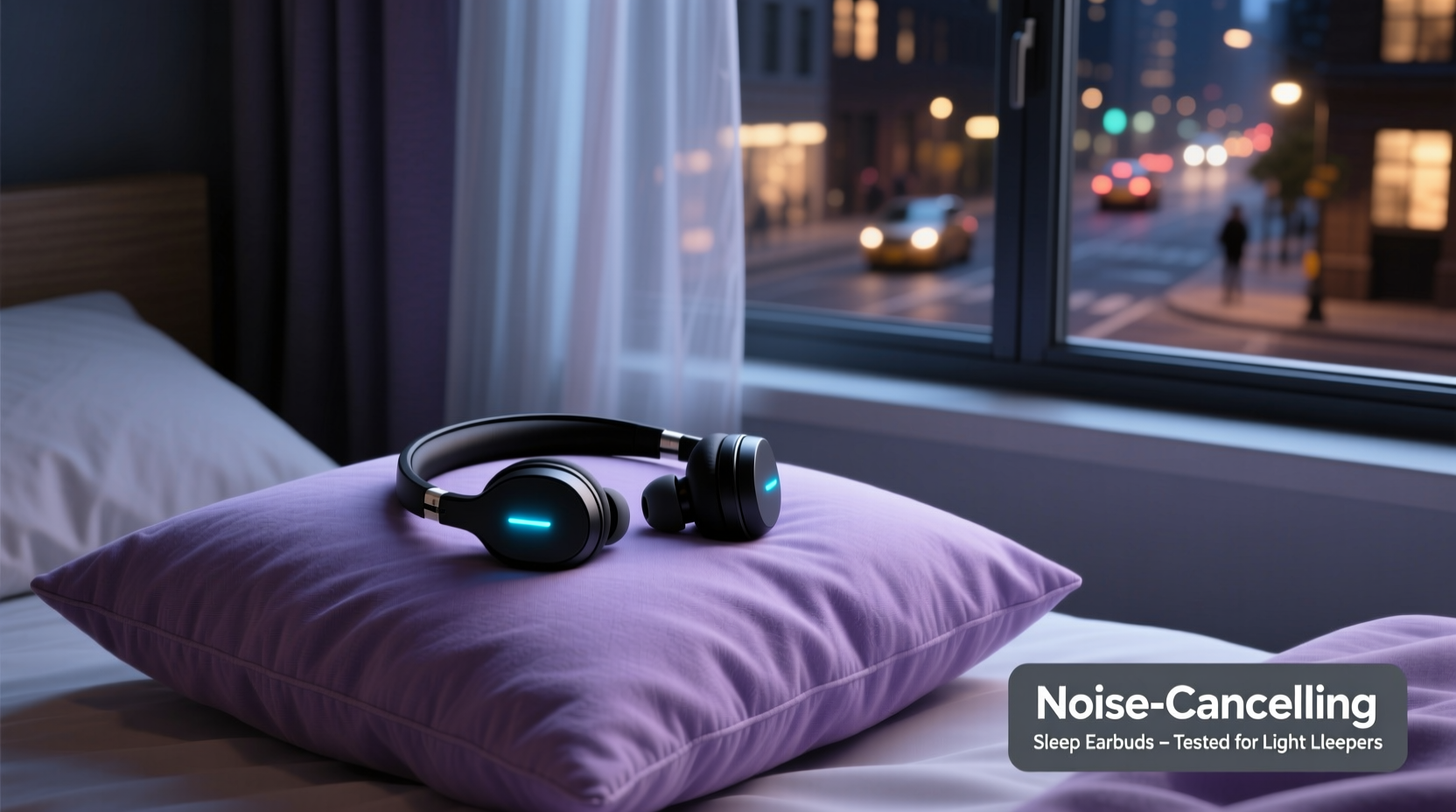
Light sleepers are not simply “fussy” about their environment—they are neurologically more reactive to auditory stimuli during sleep. Research from the *Journal of Sleep Research* shows that individuals classified as light sleepers exhibit higher cortical arousal in response to sound, even during deep sleep stages. This means that while their body may be resting, their brain remains partially alert, ready to respond to changes in the environment.
Common disturbances include:
- Traffic noise (especially between 10 PM and 6 AM)
- Neighbors talking, playing music, or moving furniture
- Dogs barking or sirens in urban areas
- HVAC systems, refrigerators, or plumbing sounds inside the home
These noises don’t just delay falling asleep—they can cause micro-awakenings that disrupt REM and slow-wave sleep, leading to poor sleep quality even if total sleep time appears adequate.
“Environmental noise is a significant but often overlooked contributor to chronic sleep disruption. For light sleepers, even low-decibel sounds can prevent restorative sleep.” — Dr. Lena Torres, Sleep Neurologist, Stanford Center for Sleep Sciences
The Role of Noise Cancelling Technology in Sleep
Noise cancelling earbuds aim to reduce or eliminate unwanted sound through two primary methods: passive isolation and active noise cancellation (ANC).
Passive noise isolation relies on physical barriers—the earbud’s fit within the ear canal—to block external sound. Foam or silicone tips create a seal that attenuates high-frequency noises like voices or birdsong.
Active noise cancellation uses built-in microphones to detect ambient noise and generate inverse sound waves to cancel them out. ANC is particularly effective against low-frequency droning sounds such as traffic hum, airplane engines, or refrigerator motors.
When combined, these technologies can reduce ambient noise by up to 35–40 decibels, depending on the model. However, their effectiveness during sleep depends on several factors: comfort, fit stability, battery life, and safety.
Tip: Look for earbuds designed specifically for sleep—they’re smaller, flatter, and less likely to dig into your pillow when lying down.Are Sleep-Specific Earbuds Different from Regular Ones?
Not all noise cancelling earbuds are suitable for sleeping. Standard wireless earbuds, like those used for workouts or commuting, are often too bulky and uncomfortable for side sleeping. They can press against the skull or pillow, causing pain or dislodging during the night.
Sleep-specific models address this with design features such as:
- Low-profile, flat housings that sit flush against the head
- Ultra-soft memory foam or hypoallergenic tips
- Shorter stems or completely in-canal designs
- Integrated sleep tracking or white noise generators
- Longer battery life (10+ hours per charge)
Brands like Bose Sleepbuds II, QuietOn, and AcousticSheep SleepPhones offer specialized solutions tailored to overnight use. While some rely solely on masking sounds (like soothing audio), others combine ANC with comfort engineering for maximum effectiveness.
Comparison: Sleep Earbuds vs. Traditional Earplugs
| Feature | Sleep Earbuds (ANC) | Foam/Silicone Earplugs |
|---|---|---|
| Noise Reduction (dB) | Up to 35 dB (with ANC + seal) | 20–30 dB (passive only) |
| Comfort (Side Sleepers) | Moderate to High (if sleep-optimized) | Variable (often falls out or causes pressure) |
| Sound Masking Options | Yes (white noise, nature sounds, guided meditations) | No (unless paired with separate audio) |
| Battery Required | Yes (rechargeable) | No |
| Cost | $150–$270 | $5–$20 |
| Durability | 2–3 years (electronics degrade) | Months (disposable) or years (reusable) |
While earplugs remain a low-cost, accessible option, they lack the dynamic adaptability of smart earbuds. For example, someone disturbed by irregular neighbor noise might benefit more from adaptive soundscapes that respond to sudden spikes in volume—a feature only available in electronic devices.
Real-World Use: A Case Study
Sophie M., a freelance writer living in a Brooklyn brownstone, struggled with sleep for over two years due to inconsistent noise from upstairs tenants. Despite using heavy curtains, a white noise machine, and foam earplugs, she frequently woke between 11 PM and 1 AM when footsteps or loud conversations echoed through the floor.
After researching options, Sophie invested in a pair of QuietOn 3 sleep earbuds, which use hybrid ANC focused on mid-to-low frequencies common in household noise. She programmed them to play a soft forest ambience track each night.
Within a week, her average sleep efficiency (measured via wearable tracker) increased from 78% to 91%. She reported fewer nighttime awakenings and felt more rested in the mornings. The compact design allowed her to sleep on her side without discomfort.
“It wasn’t magic,” she said. “But it finally gave me control. I’m not waiting for my neighbors to be quiet—I’m creating my own quiet.”
Safety and Health Considerations
Despite their benefits, prolonged use of in-ear devices raises valid concerns:
- Earwax buildup: Wearing earbuds nightly can push wax deeper into the canal, potentially leading to impaction or infection.
- Pressure discomfort: Even low-profile models may cause soreness after several hours of continuous wear.
- Hearing health: While ANC itself doesn’t damage hearing, listening to masking sounds at high volumes can.
- Hygiene: Moisture and bacteria can accumulate on ear tips, especially if not cleaned regularly.
To mitigate risks:
- Choose earbuds with medical-grade materials and replaceable tips.
- Clean ear tips weekly with alcohol-free wipes.
- Limit audio playback volume to no more than 50% of maximum.
- Take “ear breaks” one or two nights per week.
- Consult an audiologist if you experience pain, dizziness, or muffled hearing.
Step-by-Step Guide to Choosing the Right Sleep Earbuds
If you're considering noise cancelling earbuds for sleep, follow this practical sequence to make an informed decision:
- Assess your noise problem: Identify the type of sound disturbing you (e.g., high-pitched voices vs. low-frequency traffic). Low-frequency noise benefits more from ANC.
- Determine your sleeping position: Side sleepers need ultra-flat designs; back sleepers have more flexibility.
- Check battery life: Aim for at least 10 hours to cover a full night without recharging mid-sleep.
- Review audio options: Some models offer preloaded sounds, while others allow custom uploads. Choose based on preference (e.g., rain, pink noise, meditation).
- Read return policies: Test them over multiple nights. Comfort may not be apparent after just one use.
- Start with a trial period: Use them consistently for 7–10 nights before judging effectiveness.
- Monitor your sleep quality: Track changes in wake-ups, morning alertness, or wearable sleep scores.
Expert Recommendations and Alternatives
While noise cancelling earbuds are promising, they aren’t the only—or always the best—solution. Experts suggest combining them with other strategies for maximum impact.
“For persistent environmental noise, a layered approach works best: soundproofing, behavioral adjustments, and personal devices like earbuds. Don’t rely on just one fix.” — Dr. Rajiv Mehta, Environmental Sleep Specialist
Complementary solutions include:
- Installing acoustic panels or heavy blackout curtains
- Using a white noise machine placed across the room (to avoid dependency on in-ear devices)
- Engaging with landlords or neighbors to establish quiet hours
- Trying cognitive behavioral therapy for insomnia (CBT-I) to reduce hyperarousal to sound
Frequently Asked Questions
Can noise cancelling earbuds damage my hearing?
No, active noise cancellation itself does not harm hearing. However, listening to audio at high volumes through any earbud can lead to noise-induced hearing loss over time. Keep volume below 50% and limit exposure duration.
Do these earbuds work for snoring partners?
They can help, but results vary. Snoring contains both high and low frequencies. ANC reduces the rumbling base tones, while ear tip seals block sharper snorts. For best results, combine earbuds with positional therapy or anti-snoring devices for the partner.
Are there non-electronic alternatives that work as well?
High-fidelity earplugs (like Loop or Eargasm) offer excellent passive noise reduction without batteries. They’re cheaper and safer for long-term nightly use but lack sound customization. Ideal for those who prefer silence over audio masking.
Final Verdict: Are They Worth It?
For light sleepers tormented by noisy neighbors, noise cancelling sleep earbuds can be a game-changer—but with caveats. They are most effective when:
- The primary noise is consistent and low-frequency (e.g., HVAC, traffic, snoring)
- The user prioritizes comfort and selects a model designed for sleep
- They are used responsibly, with attention to volume and hygiene
- They are part of a broader sleep optimization strategy
The upfront cost is significant, and they are not a permanent fix for structural noise issues. However, for individuals who’ve tried earplugs, white noise machines, and lifestyle adjustments without success, sleep earbuds offer a targeted, technologically advanced solution that restores a sense of control over the sleep environment.
Ultimately, if disrupted sleep is affecting your mood, focus, or health, investing in better rest is never wasted. For many light sleepers, noise cancelling earbuds aren’t just a gadget—they’re a pathway to deeper, uninterrupted sleep.
💬 Have you tried noise cancelling earbuds for sleep? Share your experience, brand recommendations, or challenges in the comments below—your insights could help others find their perfect night’s rest.








