For many people with sensitive eyes, traditional false lashes—especially those requiring adhesive—are a non-starter. The glue can cause redness, itching, and even allergic reactions. Magnetic lashes emerged as a promising alternative: no glue, easy application, and reusable. But are they truly safe for those with delicate or reactive eyes? The answer isn’t a simple yes or no—it depends on proper use, product quality, and individual sensitivity.
Magnetic eyelashes consist of two lash strips embedded with tiny magnets that sandwich your natural lashes to hold them in place. While this eliminates the need for chemical adhesives, it introduces new concerns: physical pressure on the lash line, potential irritation from metal components, and improper removal techniques. Understanding these factors is essential before deciding if magnetic lashes are right for you.
How Magnetic Lashes Work
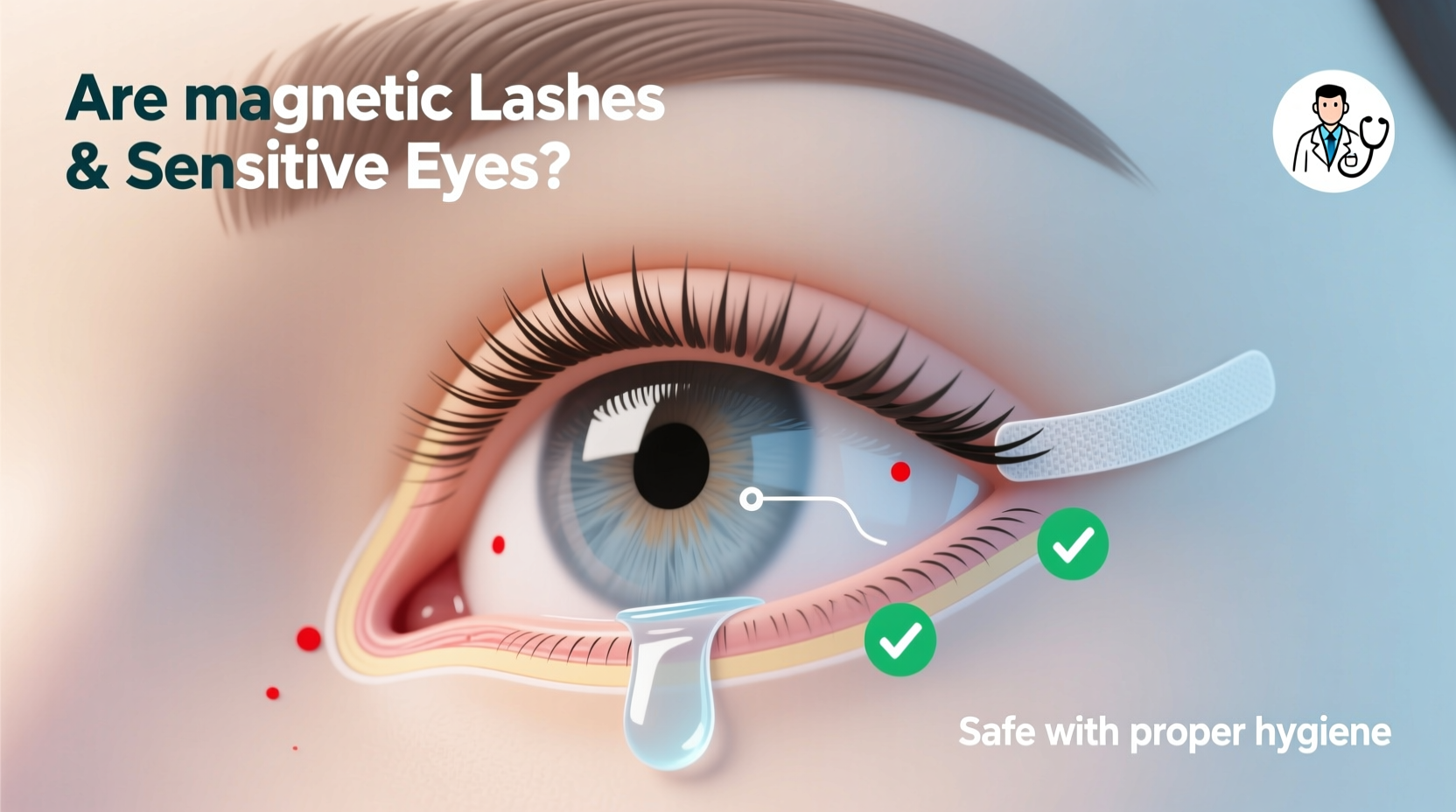
Unlike traditional false lashes, which rely on eyelash glue to adhere directly to the eyelid, magnetic lashes use opposing magnetic forces. One strip sits above the natural lashes, the other below, creating a gentle pinch that secures the set in place. Most kits come with two or three pairs of magnetic liner strips, designed to be worn together for maximum hold.
The absence of glue is the primary appeal. Traditional lash adhesives often contain formaldehyde-releasing preservatives, latex, or acrylates—common irritants for sensitive skin. By removing this variable, magnetic lashes reduce exposure to known allergens. However, the mechanical nature of their design raises different questions about safety and comfort.
Tip: Always check the magnet placement—poorly aligned magnets can tug unevenly on your lashes, increasing discomfort and risk of fallout.Potential Risks for Sensitive Eyes
Even without glue, magnetic lashes aren't risk-free. For individuals with sensitive eyes, several factors may trigger irritation or long-term issues:
- Physical Pressure: Constant pinching of the lash line can lead to micro-trauma, especially with prolonged wear. Over time, this stress may contribute to lash breakage or thinning.
- Metal Sensitivity: Although rare, some people react to nickel or other metals used in the magnets. Even if labeled “hypoallergenic,” trace elements may still cause contact dermatitis.
- Improper Fit: Lashes that are too heavy or too long can strain the eyelid, leading to fatigue, puffiness, or chronic rubbing.
- Poor Hygiene: Reusing lashes without cleaning increases the risk of bacterial buildup, which can lead to styes or conjunctivitis—particularly dangerous for sensitive eyes.
- Removal Technique: Yanking or pulling instead of gently separating the magnetic strips can damage both natural lashes and the delicate eyelid skin.
“While magnetic lashes eliminate adhesive-related allergies, they introduce mechanical stress that shouldn’t be overlooked—especially in patients with pre-existing ocular sensitivity.” — Dr. Lena Torres, Ophthalmic Dermatologist
Benefits Compared to Traditional False Lashes
Despite the risks, magnetic lashes offer notable advantages for sensitive-eye users when used correctly:
| Factor | Magnetic Lashes | Traditional False Lashes |
|---|---|---|
| Adhesive Use | No glue required | Chemical glue needed (potential irritant) |
| Allergy Risk | Lower (no latex/acrylates) | Higher (common allergens in glue) |
| Reusability | Up to 30+ uses with care | Limited reuse due to glue residue |
| Application Time | Moderate (requires alignment) | Fast but messy |
| Lash Line Stress | Pinch-based pressure | Adhesive bond tension |
The elimination of adhesive is a significant win for allergy-prone users. Many report fewer instances of itching, swelling, or watery eyes compared to traditional falsies. Additionally, because there’s no drying glue residue stuck to the lash line, cleansing at night is gentler—an important factor for maintaining eye health.
Safe Usage Guide for Sensitive Eyes
If you're considering magnetic lashes and have sensitive eyes, follow this step-by-step protocol to minimize risk and maximize comfort:
- Choose Lightweight Designs: Opt for shorter, wispy styles rather than dramatic, dense bands. Heavier lashes increase strain on the lid and natural lashes.
- Verify Material Safety: Look for nickel-free magnets and medical-grade materials. Check ingredient lists or consult the manufacturer directly.
- Start Slowly: Wear them for 1–2 hours at first to assess tolerance. Gradually increase duration only if no irritation occurs.
- Apply with Precision: Align the inner corners first, then press outward. Avoid repeated adjustments, which can rub against the delicate eye area.
- Remove Gently: Slide the top and bottom strips apart sideways—do not pull upward. Use clean fingertips or tweezers with silicone tips.
- Clean After Every Use: Wipe magnets with a cotton swab dipped in micellar water or mild soap. Let dry completely before storing.
- Limit Frequency: Avoid wearing daily. Give your eyes and lashes rest days to recover from mechanical pressure.
Real-World Example: Sarah’s Experience
Sarah, a 32-year-old teacher with seasonal allergies and chronically dry eyes, had always avoided false lashes. After trying magnetic ones recommended by a friend, she noticed immediate relief from the itching she’d experienced with glued versions. However, after wearing them for eight hours at a wedding, her left eye became puffy and tender.
She consulted an optometrist, who explained that while the lack of glue helped, the extended wear time and slight misalignment caused friction along the lash line. Following professional advice, Sarah now limits use to four-hour intervals, chooses lighter styles, and ensures perfect alignment. She hasn’t had a reaction since and considers them a safe option when used responsibly.
Expert Recommendations and Precautions
Ophthalmologists and cosmetic dermatologists agree: magnetic lashes can be safe for sensitive eyes—but with caveats.
- Avoid overnight wear: Sleeping in magnetic lashes increases pressure on the cornea and raises infection risk.
- Don’t share your set: Sharing spreads bacteria and oils, potentially triggering blepharitis or styes.
- Replace when worn: Frayed bands or weakened magnets compromise fit and safety. Most last 20–30 wears with proper care.
- Pair with gentle eye products: Use fragrance-free makeup removers and avoid oil-based cleansers near the magnets, as oil can degrade the metallic coating over time.
“Think of magnetic lashes like contact lenses—they’re foreign objects on a sensitive area. Cleanliness, fit, and duration matter just as much as the material.” — Dr. Arjun Patel, Cosmetic Eye Specialist
Checklist: Is Your Magnetic Lash Routine Safe?
- ☑ I’ve confirmed the magnets are nickel-free
- ☑ My lashes are lightweight and not too long
- ☑ I clean the lashes after each use
- ☑ I remove them gently by sliding, not pulling
- ☑ I limit wear to under 8 hours
- ☑ I take breaks between uses (at least one day off per week)
- ☑ I store them in a protective case
- ☑ I haven’t experienced redness, swelling, or pain during or after use
Frequently Asked Questions
Can magnetic lashes cause permanent lash loss?
Not typically, but improper or excessive use can lead to traction alopecia—a condition caused by constant pulling. If you frequently experience broken or missing lashes after wearing magnetics, discontinue use and allow your lashes to recover. In most cases, hair regrows once stress is removed.
Are magnetic eyeliner pens safer than magnetic lashes?
Some brands offer magnetic eyeliner—a liquid liner containing iron particles that bond with a magnetic lash band. While convenient, these liners may pose higher risks for sensitive eyes. The pigment suspension can flake into the eye, and repeated application near the lash line increases exposure to potential irritants. For maximum safety, stick to clip-style magnetic lashes without added liners.
Can I wear magnetic lashes if I have eyelash extensions?
No. Combining magnetic lashes with extensions significantly increases strain on natural lashes. The combined weight and mechanical pressure can accelerate shedding and damage follicles. Choose one enhancement method at a time.
Final Thoughts: Balancing Beauty and Eye Health
Magnetic lashes aren’t universally safe—but for many with sensitive eyes, they represent a smarter, more sustainable choice than traditional false lashes. By eliminating glue, they sidestep a major source of irritation. Yet their mechanical design demands respect. The delicate skin around the eye is thinner than anywhere else on the body, and the lash follicles are easily compromised.
Safety hinges on informed decisions: selecting high-quality, lightweight products; practicing meticulous hygiene; and listening to your body’s signals. Redness, discomfort, or persistent watering are clear signs to stop use and reassess.
When used mindfully, magnetic lashes can enhance confidence without sacrificing comfort. They offer a middle ground between bare-faced simplicity and bold glamour—one that aligns with modern expectations for both beauty and wellness.
💬 Have you tried magnetic lashes with sensitive eyes? Share your story, tips, or warnings in the comments—your experience could help someone make a safer, smarter beauty choice.








