In an era where glowing skin is currency and self-care routines resemble spa treatments, LED face masks have surged in popularity. Marketed as at-home tools for clearer, tighter, younger-looking skin, they’re promoted by influencers, dermatologists, and beauty brands alike. But behind the sleek designs and radiant claims lies a pressing question: Are these devices truly effective, or are they simply high-priced props in a wellness theater?
To separate fact from fiction, it’s essential to examine the science behind light therapy, evaluate clinical evidence, and understand how — or if — these masks deliver on their promises. This isn’t about hype; it’s about what actually happens when red and blue lights shine on your face.
The Science Behind Light Therapy
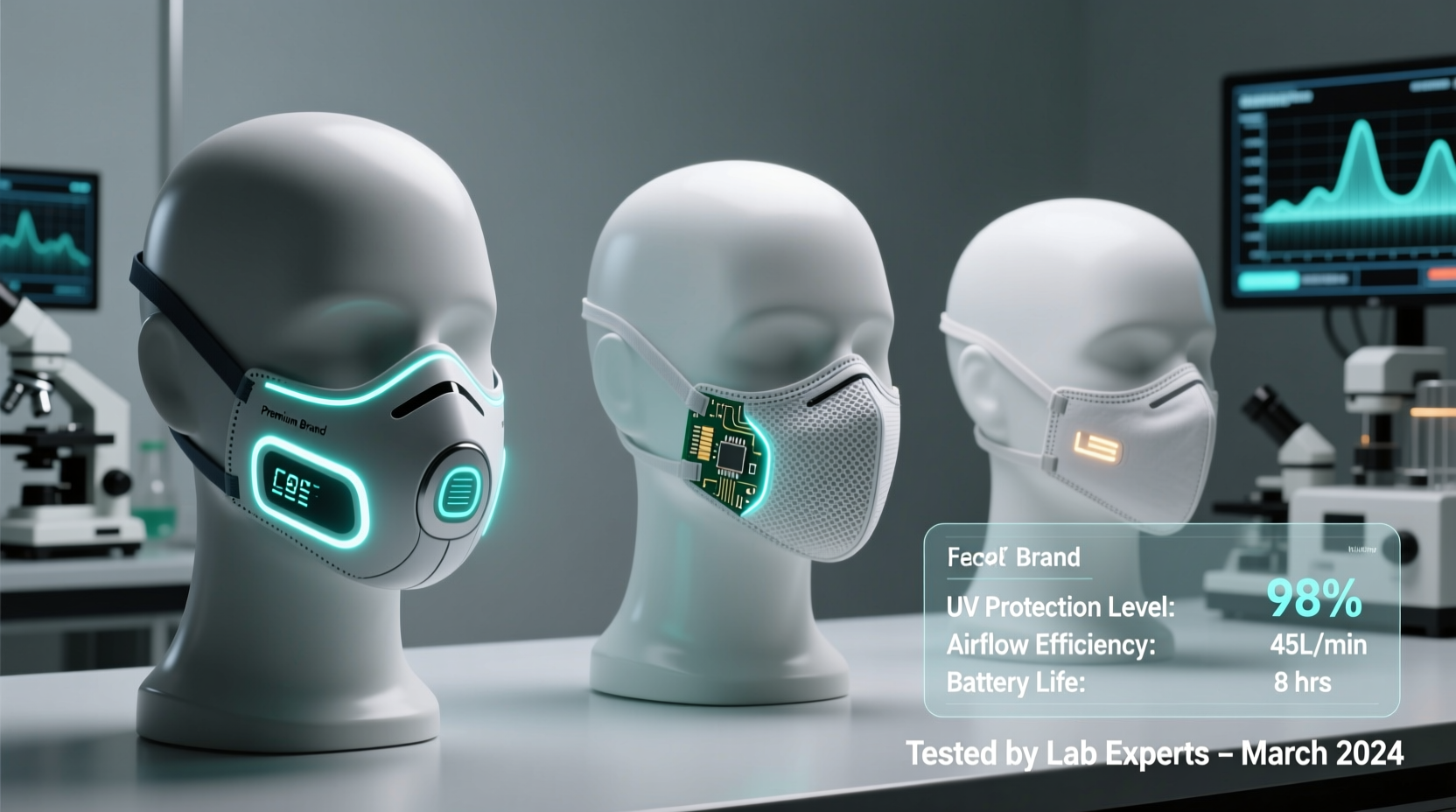
LED (light-emitting diode) therapy isn’t a new invention. NASA first explored its use in the 1990s to grow plants in space and later discovered that certain wavelengths of light could stimulate cell growth and accelerate wound healing. From there, dermatology began investigating photobiomodulation — the process by which light energy influences cellular activity.
Different wavelengths penetrate the skin at varying depths and trigger distinct biological responses:
- Blue light (415–420 nm): Targets acne-causing bacteria (Propionibacterium acnes) by producing free radicals that destroy them without harming surrounding tissue.
- Red light (630–660 nm): Penetrates deeper into the dermis, stimulating fibroblasts to produce more collagen and elastin, potentially reducing fine lines and improving skin texture.
- Near-infrared light (800–880 nm): Reaches even deeper layers, promoting circulation, reducing inflammation, and supporting tissue repair.
Unlike UV light, LED does not emit harmful radiation or cause DNA damage. It's non-thermal, meaning it doesn't heat the skin like lasers do, making it generally safe for regular use.
“Phototherapy with specific wavelengths has measurable effects on skin physiology. The challenge is delivering sufficient energy at home to match clinical outcomes.” — Dr. Lena Patel, Board-Certified Dermatologist
Clinical Evidence vs. Consumer Claims
There is peer-reviewed research supporting the efficacy of LED therapy — but most studies were conducted using professional-grade equipment in controlled settings. For example:
- A 2014 study published in Lasers in Surgery and Medicine found that participants using red and near-infrared LED therapy twice weekly for five weeks saw a significant improvement in skin roughness and wrinkle depth.
- A 2007 trial in The Journal of Cosmetic and Laser Therapy reported a 76% reduction in inflammatory acne lesions after 12 sessions of blue light treatment.
However, translating these results to at-home devices introduces variables: intensity (measured in mW/cm²), treatment duration, frequency, and device quality all impact effectiveness. Many consumer LED masks operate at lower power outputs than medical devices, meaning longer or more frequent sessions may be needed to achieve similar results.
Moreover, while some brands cite clinical trials, those studies often involve small sample sizes, lack control groups, or are funded by the companies themselves — raising questions about bias and generalizability.
Tip: Look for devices cleared by the FDA (not just \"FDA-registered\") and check whether independent studies — not sponsored ones — back the claims.Do At-Home Masks Deliver Real Results?
Anecdotal reports vary widely. Some users swear by clearer skin and improved radiance within weeks; others see no change after months of consistent use. Why the discrepancy?
Several factors influence outcomes:
- Skin Type & Concerns: Blue light works best for active acne, especially mild-to-moderate inflammatory types. Red light may benefit those with early signs of aging but won’t replace retinoids or fillers for deep wrinkles.
- Consistency: Most protocols require 3–5 sessions per week over several weeks before visible changes occur. Skipping treatments undermines progress.
- Device Quality: Not all masks are created equal. Lower-cost models may use weak LEDs or poor coverage, failing to deliver adequate energy to key facial zones like the jawline or forehead.
- Expectations: LED therapy is subtle and cumulative. It won’t deliver overnight transformations or dramatic lifting effects.
Mini Case Study: Sarah’s Experience with Acne-Prone Skin
Sarah, a 28-year-old graphic designer, struggled with persistent chin and jawline breakouts despite using topical treatments. After researching alternatives, she invested in a dual-mode (blue + red) LED mask priced at $249. She used it three times per week for 10 minutes nightly, following the manufacturer’s guidelines.
After four weeks, she noticed fewer new pimples forming. By week eight, her overall complexion appeared calmer, with less redness and post-inflammatory marks fading faster. However, she emphasized that combining the mask with a gentle skincare routine — including benzoyl peroxide and niacinamide — was crucial. “It didn’t cure my acne,” she said, “but it definitely helped keep things under control without drying out my skin like stronger actives do.”
Sarah’s experience reflects a common theme: LED masks work best as part of a broader regimen, not as standalone miracles.
What to Look for in a Legitimate LED Mask
With hundreds of options flooding the market — from silicone sheets to rigid headsets — choosing a reliable product requires scrutiny. Here’s a checklist to guide your decision:
✅ LED Mask Buyer’s Checklist
- Clear labeling of wavelengths (e.g., 633nm red, 415nm blue)
- FDA-cleared status (not just registered)
- Third-party testing or published performance data
- Full facial coverage (eyes, nose, cheeks, jawline)
- Adjustable intensity or timer settings
- Reputable brand with responsive customer support
- Real user reviews mentioning long-term results (not just “feels relaxing”)
Comparison Table: Professional vs. At-Home LED Devices
| Feature | Clinic-Based Devices | At-Home Masks |
|---|---|---|
| Power Output | High (up to 100+ mW/cm²) | Low to moderate (5–30 mW/cm²) |
| Treatment Time | 10–20 minutes per session | 10–30 minutes per session |
| Session Frequency | 1–2 times per week | 3–5 times per week |
| Cost Per Use | $50–$150 per session | $0.10–$0.50 per session after purchase |
| Results Timeline | Visible in 4–6 weeks | May take 8–12 weeks |
| Supervision | Administered by trained professionals | Self-administered |
While at-home devices cost less per use and offer convenience, they demand greater discipline and patience. They also carry risk if misused — for instance, overuse can lead to oxidative stress or eye strain if proper goggles aren’t worn.
Common Misconceptions and Risks
Despite growing acceptance, misconceptions persist:
- Misconception: “Any colored light will work.”
Reality: Only specific wavelengths have proven biological effects. Random rainbow lights on cheap masks are decorative, not therapeutic.
- Misconception: “More light = better results.”
Reality: There’s a biphasic dose response — too little has no effect, but too much can inhibit cellular activity. More isn’t always better.
- Risk: Eye exposure. Even though LED isn’t UV, intense blue or near-infrared light can affect retinal cells. Always use protective eyewear provided with the device.
Additionally, people with photosensitivity due to medications (like isotretinoin), lupus, or epilepsy should consult a physician before use. Pregnant individuals should also proceed with caution, as research on fetal safety is limited.
Step-by-Step Guide to Using an LED Face Mask Effectively
If you decide to try an LED mask, follow this protocol to maximize benefits:
- Cleanse thoroughly: Remove makeup, oil, and dirt so light can penetrate evenly.
- Protect your eyes: Wear the included goggles or keep eyes closed. Never look directly into active LEDs.
- Select the right mode: Use blue light for acne, red for anti-aging, or alternate based on goals.
- Position the mask properly: Ensure full contact with the face, especially along the jaw and cheekbones.
- Set the timer: Stick to recommended durations (usually 10–20 minutes).
- Stay still: Avoid talking or moving excessively during treatment to maintain consistent exposure.
- Follow with skincare: Apply serums or moisturizers post-treatment — some evidence suggests skin absorbs products more efficiently afterward.
- Track progress: Take weekly photos under consistent lighting to objectively assess changes.
For optimal results, commit to at least 8–12 weeks of consistent use before deciding whether the device works for you.
Frequently Asked Questions
Can LED masks replace my skincare routine?
No. LED therapy complements but doesn’t replace cleansing, moisturizing, sun protection, or active ingredients like retinoids and vitamin C. Think of it as a booster, not a substitute.
How soon will I see results?
Most users report subtle improvements in skin tone and texture after 4–6 weeks. Acne reduction may appear sooner (2–4 weeks), while anti-aging effects typically take 8–12 weeks of consistent use.
Are cheaper LED masks worth it?
Some budget-friendly options perform reasonably well, especially those from reputable brands. However, extremely low-cost models (under $50) often lack sufficient power output or accurate wavelength delivery. Research specs carefully before buying.
Conclusion: A Tool, Not a Magic Wand
So, are LED face masks legit? The answer is nuanced: yes, they are grounded in legitimate science, but their real-world effectiveness depends heavily on the device, your skin concerns, and how consistently you use them. They are not miracle workers, nor are they mere placebo gadgets designed to drain bank accounts.
For those seeking a non-invasive, drug-free way to support clearer, healthier-looking skin, a well-chosen LED mask can be a valuable addition to a thoughtful skincare strategy. But it demands realistic expectations, informed choices, and time.
Rather than chasing viral trends, focus on devices backed by transparency, clinical rationale, and user accountability. When used correctly, LED masks may not give you instant Instagram glow-ups — but they might just help your skin become a little more resilient, balanced, and radiant over time.
🚀 Ready to make an informed decision? Share your thoughts or experiences with LED masks in the comments — your insights could help someone avoid wasting money on empty promises.








