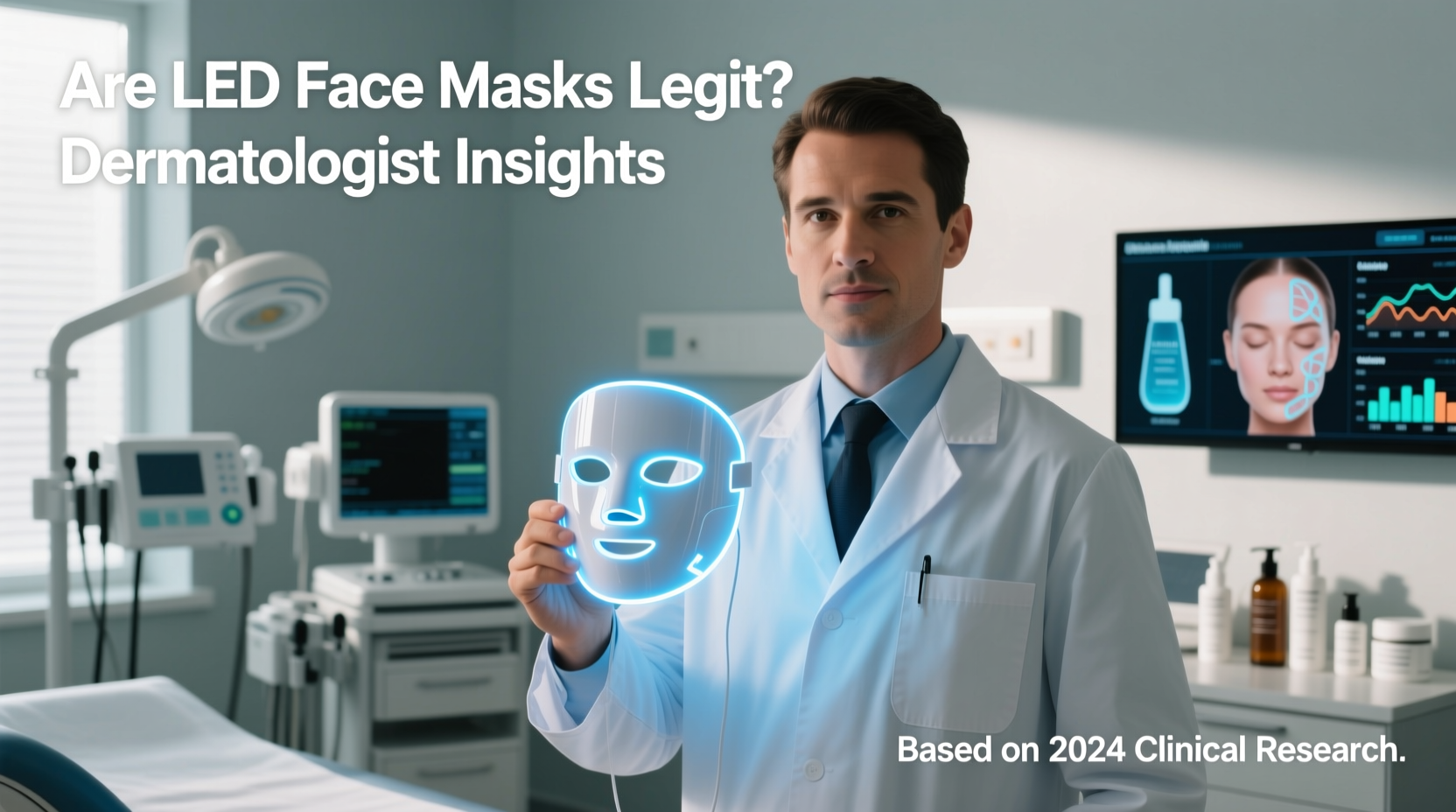
In an age where at-home skincare devices flood social media with glowing promises, LED face masks have emerged as one of the most talked-about tools in the beauty tech space. Marketed as non-invasive solutions for clearer skin, reduced wrinkles, and faster healing, these wearable light panels claim to deliver clinical results from the comfort of your living room. But with so much hype, a critical question arises: Are LED face masks actually effective, or are they just another overpriced beauty gimmick? To separate fact from fiction, we turn to dermatologists, peer-reviewed research, and real-world user experiences.
How Do LED Face Masks Work?
LED (light-emitting diode) therapy is not new. In fact, it has been used in medical and aesthetic settings for decades. The technology works by delivering specific wavelengths of light to the skin, each targeting different cellular processes. Unlike UV light, LED light does not emit harmful radiation and is considered safe for regular use.
The effectiveness of LED therapy depends on the color of the light used:
- Red Light (630–700 nm): Penetrates deeper into the skin to stimulate collagen production and reduce inflammation. Often used for anti-aging and skin repair.
- Blue Light (400–470 nm): Targets acne-causing bacteria (P. acnes) on the surface. Commonly used for mild to moderate inflammatory acne.
- Near-Infrared Light (700–1100 nm): Reaches even deeper layers, promoting wound healing and reducing pain or muscle fatigue—sometimes included in advanced masks.
- Green & Yellow Light: Less studied but claimed to help with pigmentation and redness, respectively.
When photons from the LED reach skin cells, they are absorbed by mitochondria—the energy centers of cells—which then increases ATP (adenosine triphosphate) production. This boost in cellular energy accelerates tissue repair, reduces inflammation, and enhances overall skin function.
Tip: For best results, use LED masks on clean, product-free skin to ensure maximum light penetration.Clinical Evidence: What Does the Science Say?
Unlike many beauty gadgets that rely solely on anecdotal evidence, LED phototherapy has a growing body of scientific support. Multiple peer-reviewed studies confirm its efficacy under controlled conditions.
A 2014 study published in *Lasers in Surgery and Medicine* found that participants who underwent red and blue LED treatments three times per week for five weeks experienced a 68% improvement in acne lesions compared to the control group. Another 2018 study in *Photodermatology, Photoimmunology & Photomedicine* showed significant improvements in fine lines, skin texture, and firmness after 12 weeks of consistent red light therapy.
However, there’s a crucial distinction between professional-grade in-office devices and consumer-grade at-home masks. Clinical trials typically use high-powered, medical-grade equipment administered by trained professionals. At-home masks, while safer and more convenient, often operate at lower intensities and may require longer or more frequent use to achieve comparable results.
“LED therapy is one of the few at-home devices backed by legitimate science. It won’t replace retinoids or prescription treatments, but when used consistently, it can be a valuable addition to a skincare routine.” — Dr. Nina Patel, Board-Certified Dermatologist
Do-It-Yourself vs. Dermatologist Treatments: A Realistic Comparison
To understand whether at-home LED masks live up to their claims, it helps to compare them directly with in-office treatments.
| Feature | Professional LED Treatment | At-Home LED Mask |
|---|---|---|
| Light Intensity | High (medical-grade) | Moderate to low |
| Treatment Duration | 15–30 minutes per session | 10–30 minutes, depending on device |
| Frequency | Weekly or bi-weekly | Daily or every other day |
| Cost | $75–$150 per session | $150–$400 (one-time purchase) |
| Results Timeline | Visible in 4–6 weeks | Noticeable after 8–12 weeks |
| Supervision | Administered by dermatologist or aesthetician | Self-administered |
The data suggests that while at-home masks are less powerful, they offer a cost-effective alternative for long-term maintenance. They’re particularly beneficial for people who’ve already undergone professional treatments and want to extend the results.
Real User Experience: A Mini Case Study
Sarah, a 34-year-old marketing executive from Austin, struggled with persistent hormonal acne and early signs of aging around her eyes. After two rounds of costly in-office LED treatments showed promising but temporary results, she invested in a well-reviewed at-home red and blue light mask.
She committed to using it four times a week for 15 minutes, always after cleansing and before applying serums. Within six weeks, she noticed fewer breakouts and improved skin tone. By week ten, her colleagues began commenting on her “glow.” While not transformative, Sarah described the changes as “noticeable and consistent” without irritation or downtime.
Her experience aligns with broader user feedback: gradual improvement over time, best results with consistency, and no adverse side effects. However, she emphasized that the mask worked best alongside a solid skincare regimen—not as a standalone miracle cure.
What Dermatologists Recommend: A Step-by-Step Guide to Using LED Masks Safely
If you're considering trying an LED face mask, dermatologists recommend following a structured approach to maximize benefits and avoid misuse.
- Choose a reputable brand: Look for FDA-cleared devices with third-party testing. Avoid cheap knockoffs with unverified wavelengths.
- Identify your skin concern: Use blue light for active acne, red light for anti-aging or healing, and combination modes if available.
- Prep your skin: Cleanse thoroughly and remove all makeup, sunscreen, and skincare products. Light penetrates better on bare skin.
- Protect your eyes: Always wear the provided eye shields or keep your eyes closed. Even though LED isn't UV, intense brightness can strain the eyes.
- Follow recommended duration: Most masks suggest 10–20 minutes per session. Overuse doesn’t speed up results and may lead to overstimulation.
- Use consistently: Aim for 3–5 sessions per week for at least 8–12 weeks before evaluating results.
- Layer wisely: Apply antioxidant serums or hyaluronic acid post-treatment to support skin recovery and hydration.
- Monitor your skin: Discontinue use if you experience redness, rashes, or unusual sensitivity.
“Consistency is key. I tell my patients that LED therapy is like going to the gym—it’s not a single workout that transforms your body, but regular effort that leads to change.” — Dr. Marcus Chen, Cosmetic Dermatologist
Common Myths and Misconceptions
Despite growing popularity, several myths persist about LED face masks:
- Myth: LED masks work overnight. Reality: Results take weeks. There’s no instant fix, even with professional treatments.
- Myth: More light equals better results. Reality: Excessive exposure can lead to oxidative stress. Stick to recommended durations.
- Myth: They replace topical treatments. Reality: LED complements but doesn’t substitute for proven ingredients like retinoids, vitamin C, or benzoyl peroxide.
- Myth: All masks are the same. Reality: Quality varies widely. Some devices emit ineffective wavelengths or lack uniform coverage.
Checklist: Is an LED Face Mask Right for You?
Before purchasing, ask yourself the following:
- ✅ Do I have realistic expectations about gradual results?
- ✅ Am I dealing with acne, fine lines, or uneven texture?
- ✅ Can I commit to using it 3–5 times per week for at least two months?
- ✅ Have I consulted a dermatologist, especially if I have sensitive or reactive skin?
- ✅ Am I choosing a device with proven wavelengths and safety certifications?
If you answered yes to most of these, an LED mask could be a worthwhile investment. If you’re seeking dramatic transformations or have severe cystic acne or deep wrinkles, prioritize seeing a dermatologist first.
Frequently Asked Questions
Can LED face masks cause skin damage?
No, LED masks do not emit UV radiation and are non-thermal, meaning they don’t heat or burn the skin. When used as directed, they are considered safe for all skin types, including sensitive skin. However, poor-quality devices or overuse may lead to temporary redness or eye strain.
How soon will I see results?
Most users report subtle improvements in skin clarity and texture within 4–6 weeks. Significant anti-aging or acne-reducing effects typically become visible after 8–12 weeks of consistent use. Patience and routine are essential.
Can I use an LED mask with other skincare treatments?
Yes, and it’s often encouraged. LED therapy can enhance the effects of topical antioxidants and hydrators. However, avoid combining it with aggressive treatments like chemical peels or retinoids on the same night, as this may increase sensitivity. Space them out or consult your dermatologist.
Conclusion: Legit Skincare Tool or Gimmick?
After examining the science, expert opinions, and real-world outcomes, the verdict is clear: LED face masks are not a gimmick—but they’re also not magic. They represent a legitimate, science-backed form of phototherapy that can support skin health when used correctly and consistently. While they won’t replace prescription treatments or invasive procedures, they offer a safe, non-invasive way to maintain clearer, firmer, and more resilient skin over time.
Their value lies not in immediate transformation but in cumulative benefit. Like sunscreen or a good moisturizer, an LED mask works best as part of a holistic skincare strategy, not as a standalone solution. For those willing to invest the time and money, the results can be genuinely rewarding.
🚀 Ready to upgrade your skincare routine? Research FDA-cleared LED masks, consult your dermatologist, and start with a commitment to consistency. Your future skin will thank you.








