In recent years, jade face rollers and gua sha tools have become staples in influencer skincare routines, often paired with luxurious serums and glowing complexions. But as jade-infused sheet masks and cooling facial tools flood the market, a critical question arises: are these products delivering real dermatological benefits, or are they simply riding the wave of wellness aesthetics and social media hype?
The answer isn’t binary. While some claims about jade face masks are rooted in centuries-old practices, others lean more on psychological appeal than scientific backing. To separate fact from fiction, it’s essential to examine the history, mechanisms, and research behind these tools—and understand what they can and cannot do for your skin.
The Origins of Jade in Skincare
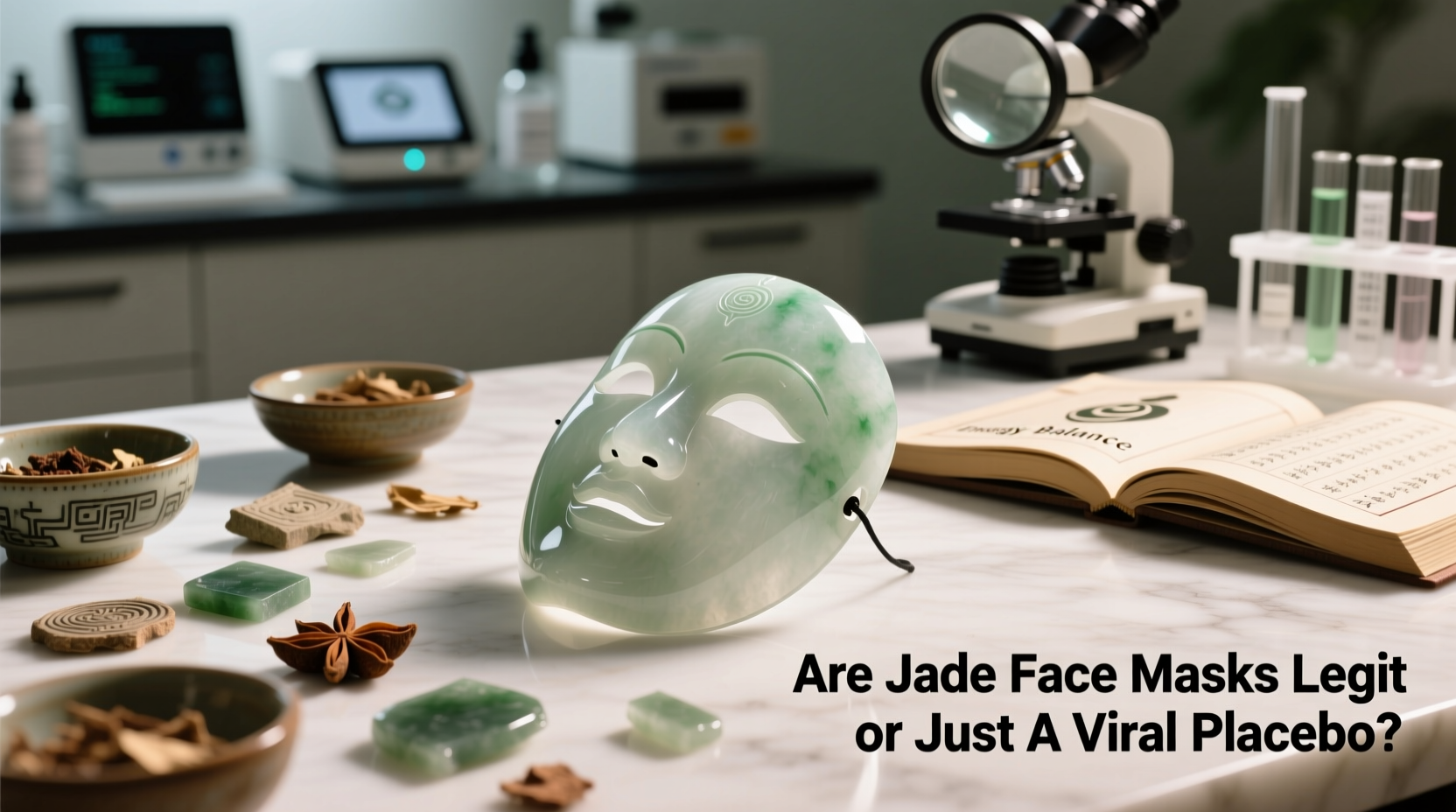
Jade has long held symbolic value in Chinese culture, representing purity, harmony, and longevity. Traditionally, jade was believed to carry healing energy and was used in various holistic health practices. The use of jade in facial massage tools dates back to ancient China, where emperors and royalty employed jade rollers and gua sha stones to promote circulation and preserve youthful appearances.
Modern adaptations—such as jade face masks (either sheet masks with jade extract or tools made from solid jade)—draw inspiration from these traditions. However, today’s versions are often marketed with promises of depuffing, tightening pores, and even anti-aging effects, which go beyond traditional beliefs and enter the realm of clinical skincare expectations.
“While cultural practices provide context, we must evaluate modern skincare tools based on physiological outcomes, not symbolism.” — Dr. Lena Park, Board-Certified Dermatologist
How Jade Face Masks Work: Mechanism vs. Marketing
There are two primary forms of “jade face masks” on the market:
- Jade-infused sheet masks – These contain water-soluble extracts or powders derived from jade, added to the serum-soaked fabric.
- Jade facial tools – Typically rollers or sculpting wands made from natural or synthetic jade, used during or after skincare application.
Neither form delivers jade into the deeper layers of the skin in a biologically active way. Unlike ingredients like hyaluronic acid or retinoids, jade minerals do not penetrate the epidermis effectively through topical application. Therefore, any benefit is largely indirect—achieved through physical action or sensory experience.
Tip: The cooling sensation of jade can reduce temporary puffiness, but this effect is short-lived and similar to using a cold spoon.Cooling Effect and Vasoconstriction
One scientifically supported benefit of jade tools is their ability to cool the skin upon contact. When applied to the face, especially when chilled, jade causes mild vasoconstriction—the narrowing of blood vessels—which can temporarily reduce under-eye puffiness and facial swelling.
This effect is not unique to jade. Any cool object—such as stainless steel tools, refrigerated spoons, or ceramic rollers—can produce the same result. The key factor is temperature, not material composition.
Lymphatic Drainage Claims
Proponents claim that rolling jade across the face stimulates lymphatic drainage, helping remove toxins and reduce fluid buildup. While gentle massage can support superficial lymph flow, there's limited clinical evidence proving that jade tools outperform manual massage or other non-metallic rollers.
A 2020 review published in *Clinical, Cosmetic and Investigational Dermatology* noted that while facial massage may improve circulation and product absorption, tool material had no significant impact on outcome compared to technique and consistency.
Evaluating the Evidence: What Science Says
To assess legitimacy, we must distinguish between subjective experience and measurable results. Below is a breakdown of common claims versus current scientific understanding.
| Claim | Scientific Support | Notes |
|---|---|---|
| Reduces puffiness | Moderate (temporary) | Cooling effect causes short-term vasoconstriction; lasts 15–30 minutes. |
| Improves skin elasticity | Low | No evidence jade itself enhances collagen. Massage may stimulate microcirculation slightly. |
| Tightens pores | None | Pore size is genetically determined. Cooling may make them appear smaller temporarily. |
| Detoxifies skin | Myth | Skin does not “detox” via massage. Liver and kidneys handle detoxification. |
| Enhances product absorption | Indirect | Massage may help serum penetration, but material of tool is irrelevant. |
The most consistent benefit reported by users is improved relaxation and ritualistic self-care. A 2022 consumer survey by the American Academy of Dermatology found that 68% of people who used facial rollers daily reported feeling calmer and more connected to their skincare routine—even if visible changes were minimal.
Real-World Example: A 4-Week Trial
Sophie, a 34-year-old marketing executive, incorporated a jade roller into her nightly routine for four weeks. She used it after applying a vitamin C serum and moisturizer, focusing on upward strokes along her jawline and under eyes.
Her observations:
- First week: Noticed reduced morning puffiness, especially after late nights.
- Second week: Enjoyed the ritual but saw no lasting texture improvements.
- Third week: Skipped use for three days due to travel; missed the calming effect.
- Fourth week: Concluded the tool didn’t change her skin long-term but helped her be more consistent with skincare.
Sophie’s experience reflects a broader trend: many users report psychological and behavioral benefits rather than dramatic aesthetic transformations. The act of using the roller became a mindfulness practice, reinforcing discipline in her regimen.
Do’s and Don’ts of Using Jade Facial Tools
To maximize potential benefits and avoid harm, follow these guidelines:
| Do | Don’t |
|---|---|
| Chill the roller before use for enhanced depuffing | Apply excessive pressure—this can stretch delicate skin |
| Clean the tool weekly with mild soap and water | Share tools without sanitizing (risk of bacterial transfer) |
| Use gentle, upward motions following facial contours | Roll over active acne or broken skin |
| Pair with a slippery serum or oil to minimize friction | Expect overnight lifting or firming results |
| Store in a dry place to prevent mineral degradation | Leave it damp—moisture can encourage mold in crevices |
Step-by-Step Guide: How to Use a Jade Roller Effectively
For those interested in trying a jade roller, here’s a dermatologist-approved method to incorporate it safely:
- Cleanse your face thoroughly to remove dirt and makeup.
- Apply a hydrating serum or facial oil to create slip—avoid using on dry skin.
- Refrigerate the jade roller for 10–15 minutes prior to use for added cooling benefits.
- Begin at the center of the face, rolling outward along the cheekbones toward the ears.
- Move downward along the jawline, applying light pressure to encourage lymphatic flow.
- Under the eyes, use the smaller end and roll gently from inner to outer corners.
- Finish with forehead strokes, moving from the center outward and upward toward the hairline.
- Wipe the tool clean with a soft cloth and store in a dry area.
Duration: 3–5 minutes per session. Frequency: Daily or every other day, depending on sensitivity.
Tip: Never press hard enough to cause redness or discomfort. The goal is gentle stimulation, not deep tissue manipulation.Expert Insight: Separating Tradition from Efficacy
Dr. Naomi Chen, integrative dermatologist and researcher at UCLA Health, emphasizes the importance of balancing tradition with evidence-based medicine:
“Jade tools offer a tactile, meditative component to skincare that shouldn’t be dismissed. However, we must be cautious about attributing medical-grade results to them. If someone finds that rolling improves their routine adherence or reduces stress—which indirectly benefits skin—that’s valuable. But calling it a ‘facelift in a box’ is misleading.” — Dr. Naomi Chen, MD, FAAD
She notes that chronic stress elevates cortisol, which can worsen acne and accelerate aging. In that sense, any ritual that promotes relaxation—including jade rolling—has an indirect but legitimate role in skin health.
Frequently Asked Questions
Can jade face masks really tighten skin?
No, jade cannot tighten skin in a structural way. Temporary reduction in puffiness may make skin appear firmer, but there’s no evidence it increases collagen or elastin production. For actual skin tightening, consider clinically proven treatments like radiofrequency therapy or retinoid regimens.
Are synthetic jade rollers as effective as natural ones?
Yes, from a functional standpoint, synthetic (glass or plastic) rollers perform similarly to natural jade, especially if chilled. Natural jade may retain cold slightly longer due to density, but the difference is negligible. Synthetic options are also easier to sanitize and less porous.
How often should I replace my jade roller?
Jade tools don’t expire, but they should be replaced if cracked, chipped, or difficult to clean. With proper care, a high-quality jade roller can last several years. Inspect monthly for signs of wear, especially around the axle.
Final Verdict: Legit or Placebo?
Jade face masks and rollers sit at the intersection of tradition, sensory pleasure, and modest physiological effects. They are not a miracle solution for aging, acne, or deep wrinkles. However, dismissing them entirely as a “viral placebo” overlooks their real, albeit subtle, contributions.
Their legitimacy lies not in biochemical transformation but in behavior modification and sensory feedback. People who use jade tools often spend more time on their skincare, apply products more evenly, and engage in mindful routines—all of which support healthier skin over time.
Moreover, the placebo effect itself is powerful. Studies in psychodermatology show that believing in a treatment can enhance its perceived and even measured outcomes. If using a jade roller makes someone feel more confident and committed to self-care, that’s a tangible benefit—even if the stone isn’t doing the heavy lifting.
Checklist: Is a Jade Tool Right for You?
- ☐ You enjoy ritualistic, meditative skincare routines
- ☐ You struggle with morning facial puffiness
- ☐ You want to improve serum absorption through massage
- ☐ You’re looking for a non-invasive way to relax facial muscles
- ☐ You understand it won’t replace medical treatments
- ☐ You’re willing to clean and maintain the tool regularly
Conclusion: Beyond the Hype
Jade face masks and rollers aren’t magic. They won’t erase years off your face or replace dermatologist-recommended treatments. But they’re also not meaningless trinkets. Their value emerges in consistency, intention, and the small daily acts that compound into better habits.
If you're drawn to the idea of a cooling, calming addition to your routine, try a jade roller—not because influencers say so, but because it might help you slow down, breathe, and connect with your body. Just keep expectations grounded and skincare science prioritized.
🚀 Ready to upgrade your skincare mindset? Try a simple 7-day experiment: use a jade roller nightly and journal how you feel—not just how your skin looks. Share your experience with others and contribute to a more honest conversation about beauty rituals.








