Jade face rollers and gua sha tools have surged in popularity over the past decade, becoming staples on bathroom shelves and Instagram feeds alike. Marketed as ancient beauty secrets with modern appeal, these stone tools promise reduced puffiness, improved circulation, and a more radiant complexion. But beneath the glossy marketing and celebrity endorsements lies a pressing question: Are jade face masks truly effective, or are they little more than a luxurious placebo wrapped in cool stone?
To answer this, we need to separate tradition from science, anecdotal claims from clinical evidence, and sensory experience from measurable results. While the soothing chill of a jade roller against warm skin feels undeniably pleasant, does that translate into real skincare benefits—or is it simply a high-end version of a cold spoon on puffy eyes?
The Origins and Claims Behind Jade Face Tools
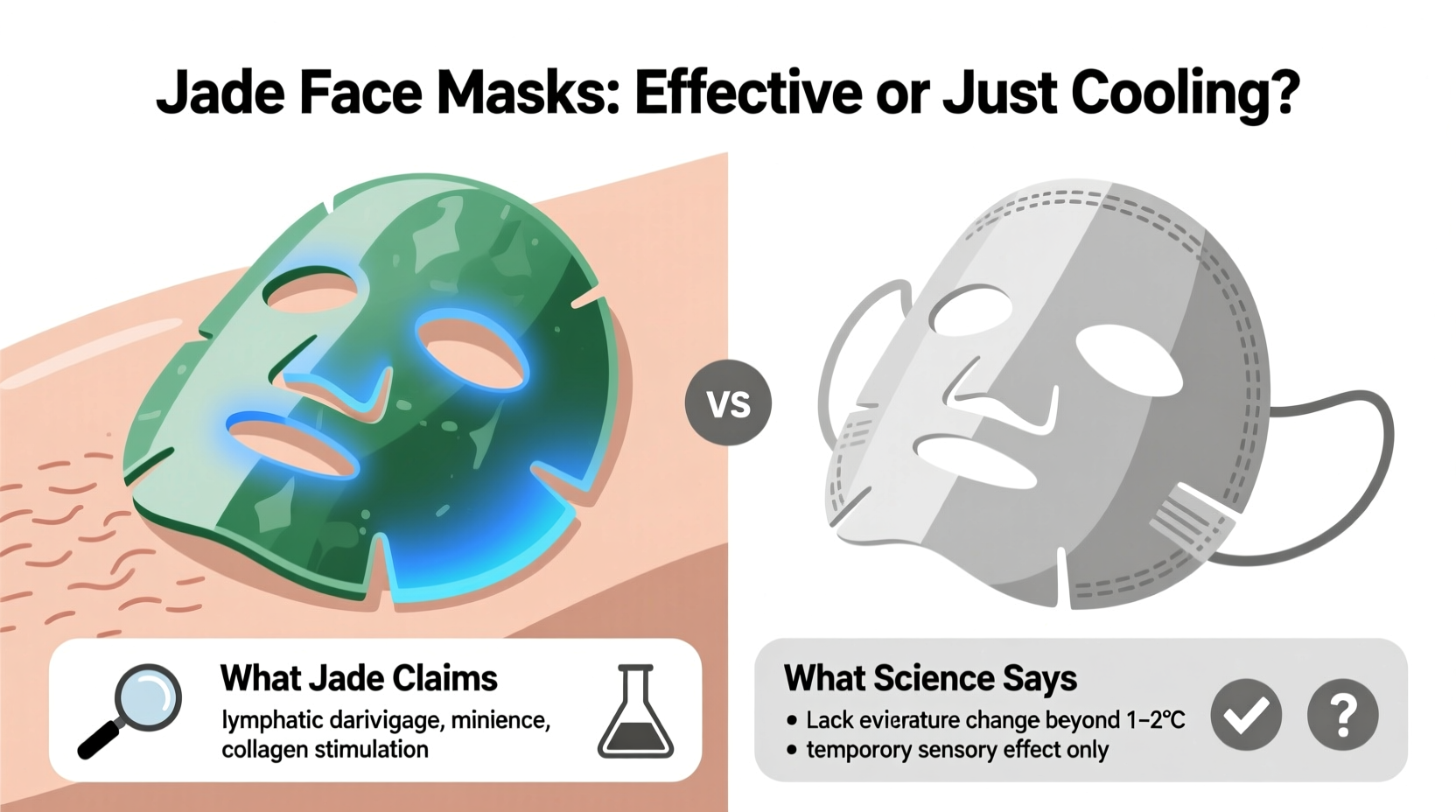
Jade has long held symbolic value in East Asian cultures, particularly in China, where it’s associated with purity, harmony, and longevity. The use of jade in facial massage tools dates back centuries, rooted in traditional Chinese medicine (TCM) principles. Practitioners believed that smooth stones could help balance the body’s energy flow—known as *qi*—and promote detoxification through lymphatic drainage.
Modern influencers and brands have repackaged these traditions into wellness rituals, often claiming that regular use of jade rollers and masks can:
- Reduce facial puffiness and under-eye bags
- Improve blood circulation for a \"glow\"
- Aid lymphatic drainage to eliminate toxins
- Enhance absorption of serums and moisturizers
- Minimize fine lines by reducing muscle tension
- Provide a calming, meditative self-care experience
These promises sound compelling, especially when paired with images of glowing celebrities rolling their faces at dawn. But how much of this is supported by science?
What Science Says About Cooling and Facial Massage
While there is no peer-reviewed research specifically proving that jade itself has unique skin-enhancing properties, studies do support some of the underlying mechanisms promoted by its use—particularly cooling and manual massage.
Cold therapy, known as cryotherapy, has documented effects on inflammation and circulation. Applying cold to the skin causes vasoconstriction—the narrowing of blood vessels—which can temporarily reduce swelling and redness. This explains why many people notice less puffiness after using a refrigerated jade roller.
Facial massage, meanwhile, may stimulate superficial lymphatic flow. A 2017 study published in *Complementary Therapies in Clinical Practice* found that facial massage significantly reduced facial edema (fluid buildup) in participants after just ten sessions. Though the study didn’t involve jade tools specifically, it suggests that mechanical stimulation plays a role.
“While stone materials like jade don’t add active ingredients to the skin, the physical act of massage combined with thermal effects can produce short-term aesthetic improvements.” — Dr. Lena Park, Board-Certified Dermatologist
However, experts caution that these effects are typically temporary. Any reduction in puffiness or increase in radiance usually lasts only a few hours. There is no clinical evidence that jade tools remodel collagen, tighten skin, or deliver long-term anti-aging benefits.
Do You Need Jade? Comparing Materials and Alternatives
One overlooked aspect of the jade trend is that similar effects can be achieved with other materials. In fact, jade isn’t even the best-performing stone in terms of heat retention. Here's how common facial tool materials compare:
| Material | Cooling Duration | Density/Smoothness | Cost Range | Notes |
|---|---|---|---|---|
| Jade | Moderate (3–5 mins) | Medium | $15–$60 | Prone to cracking; varies in quality |
| Rose Quartz | Long (6–8 mins) | High | $20–$80 | Better heat retention than jade |
| Stainless Steel | Very Long (10+ mins) | Very High | $30–$100 | Hypoallergenic; professional-grade cooling |
| Plastic (with gel core) | Short (2–3 mins) | Low | $5–$15 | Budget option; less durable |
As the table shows, rose quartz and stainless steel outperform jade in both durability and thermal efficiency. Yet jade remains the most marketed material, largely due to its cultural mystique rather than functional superiority.
Tip: For maximum cooling effect, store your facial roller in the refrigerator for at least 20 minutes before use—but never freeze it, as extreme temperatures can damage skin barrier function.A Realistic Routine: How to Use Jade Tools Effectively
If you choose to incorporate a jade roller or mask into your routine, technique matters more than the tool itself. Used incorrectly, even the highest-quality jade can fail to deliver results—or worse, cause irritation.
Here’s a step-by-step guide to maximize potential benefits:
- Start with clean skin: Apply the tool after cleansing but before heavy creams. Light serums or facial oils help the roller glide smoothly without tugging.
- Chill the tool: Refrigerate for 15–20 minutes. Avoid condensation by wiping it dry before use.
- Use upward and outward motions: Begin at the center of the face and move toward the ears and hairline. This follows natural lymphatic pathways.
- Apply gentle pressure: Let the weight of the tool do the work. Excessive pressure can stretch delicate skin or rupture capillaries.
- Spend 3–5 minutes total: Focus on areas prone to puffiness—under eyes, jawline, cheeks—and repeat each stroke 3–5 times.
- Follow with moisturizer: Lock in hydration immediately after rolling while pores are slightly dilated from increased circulation.
- Clean regularly: Wash with mild soap and water weekly to prevent bacterial buildup.
Consistency enhances perceived results. Using the tool daily for two weeks may reveal subtle improvements in morning puffiness, though expectations should remain grounded in reality.
Mini Case Study: Two Weeks with a Jade Roller
Sophie, a 34-year-old graphic designer, purchased a $45 jade roller after seeing it recommended online for “de-puffing” her face. She used it every morning for two weeks, storing it in the fridge and applying it after her vitamin C serum.
Her observations:
- Day 1–3: Immediate cooling sensation felt refreshing but no visible change.
- Day 5: Noted slightly less under-eye swelling upon waking.
- Day 10: Received a compliment on her “glow,” which she attributed to both the roller and consistent skincare.
- Day 14: Concluded that the ritual helped her feel more mindful during her morning routine, though she couldn’t isolate the roller’s impact from other habits.
Sophie’s experience reflects what dermatologists often hear: subjective improvement in skin appearance and well-being, but no dramatic transformation. The psychological benefit—taking time for self-care—may be just as valuable as any physiological effect.
Common Misconceptions and Marketing Myths
The wellness industry thrives on storytelling, and jade tools are no exception. Several myths persist despite lack of scientific backing:
- Myth: Jade releases negative ions or “energy” into the skin. There is no credible evidence that jade emits therapeutic ions. This claim stems from pseudoscientific marketing and misinterpretation of mineral properties.
- Myth: It detoxifies the skin. The liver and kidneys handle detoxification. Lymphatic drainage may assist fluid movement, but it doesn’t “remove toxins” in the way marketers suggest.
- Myth: Results are cumulative and anti-aging. No longitudinal studies show that jade tools slow aging. Any firming effect is temporary and related to increased circulation, not collagen production.
Brands often leverage vague language like “energizing,” “balancing,” or “harmonizing” to imply deeper biological effects. These terms are emotionally resonant but scientifically meaningless in a skincare context.
Checklist: Smart Use of Jade Face Tools
Before investing in a jade mask or roller, ask yourself the following:
- ✅ Am I buying this for proven results or sensory enjoyment?
- ✅ Have I tried cheaper alternatives (e.g., chilled spoons, refrigerated cotton pads)?
- ✅ Do I have sensitive or acne-prone skin that might react to improper cleaning?
- ✅ Am I incorporating it into a broader skincare routine, or relying on it alone?
- ✅ Is the product authentic? (Many “jade” tools are made from dyed serpentine or synthetic materials.)
If your answers lean toward emotional satisfaction and ritual, a jade tool can still be worthwhile—as long as it complements, rather than replaces, evidence-based skincare.
Frequently Asked Questions
Can jade face rollers really reduce wrinkles?
No, there is no clinical evidence that jade rollers reduce wrinkles. Temporary tightening from increased circulation may create a short-lived smoothing effect, but they do not stimulate collagen or reverse signs of aging like retinoids or laser treatments do.
How often should I use a jade mask or roller?
Most experts recommend once daily, preferably in the morning to combat overnight fluid retention. Overuse can lead to skin irritation or compromised barrier function, especially if excessive pressure is applied.
Are real jade tools worth the price?
For most people, no. Authentic nephrite or jadeite is expensive and rarely used in mass-market tools. Most affordable options are lower-grade stones or imitations. If cooling and massage are your goals, stainless steel or rose quartz may offer better performance per dollar.
Final Verdict: Luxury Ritual vs. Skincare Necessity
Jade face masks and rollers are not magic solutions. They do not penetrate deeply, alter skin structure, or replace clinically proven treatments like sunscreen, antioxidants, or prescription retinoids. However, dismissing them entirely overlooks their role in holistic wellness.
Their real value lies in ritual: the deliberate pause in a busy day, the tactile connection to self-care, and the subtle sensory feedback that promotes mindfulness. For those who enjoy the practice, the benefits extend beyond the skin—they touch mental well-being.
That said, consumers should approach these tools with realistic expectations. They are not medical devices. They won’t lift sagging skin or erase years of sun damage. But as part of a thoughtful routine, they can enhance the experience of skincare without replacing its fundamentals.
💬 Have you tried jade face tools? Did you notice a difference, or was it all in the sensation? Share your honest experience in the comments—your insights could help others decide whether this trend is right for them.








