In 2017, fidget spinners were everywhere—on school playgrounds, office desks, and viral YouTube videos. Just as quickly as they rose to fame, they vanished from mainstream view, dismissed by many as a fleeting toy trend. But today, a quiet resurgence is underway. Adults are rediscovering fidget spinners not as novelties, but as practical tools for managing stress, improving focus, and navigating daily anxiety. What was once labeled a \"fad\" is now being reevaluated through the lens of mental health and neurodiversity.
This revival isn’t driven by marketing campaigns or social media challenges, but by a growing cultural awareness of mental wellness and the need for accessible coping mechanisms. As workplace pressures rise and digital overload becomes the norm, simple sensory tools like fidget spinners are finding renewed relevance. But do they actually work? And why are adults increasingly turning to them?
The Science Behind Fidgeting and Focus
Fidgeting has long been misunderstood. Traditionally viewed as a sign of restlessness or lack of attention, research now suggests that small, repetitive movements can actually enhance cognitive performance—especially in individuals with ADHD, anxiety, or high-stress sensitivity.
A study published in the Journal of Abnormal Child Psychology found that children with ADHD who were allowed to move more during tasks showed improved concentration and information retention. While this research focused on movement rather than handheld tools, it supports the broader idea that physical stimulation can support mental regulation.
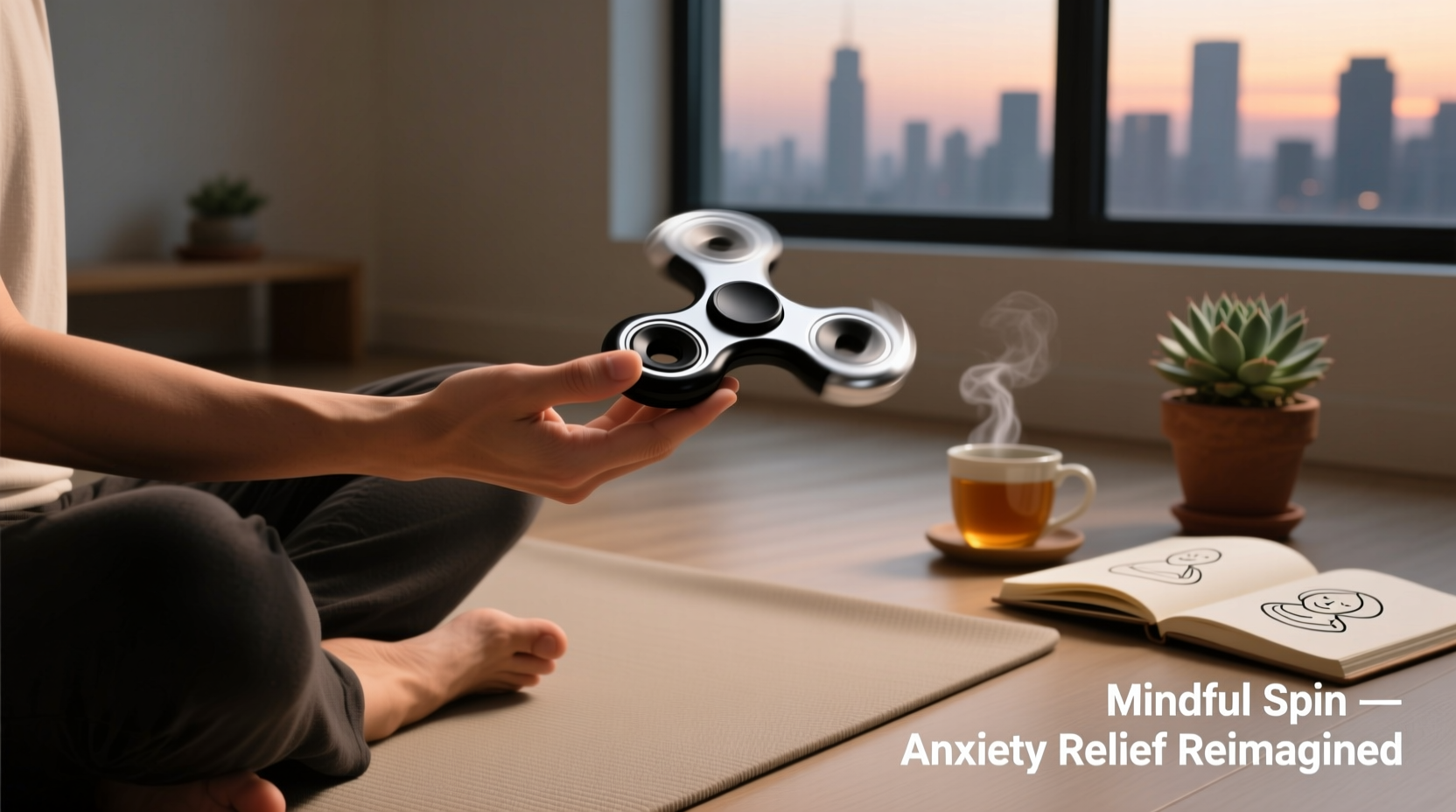
Occupational therapists have used fidget tools for decades to help clients regulate sensory input. These tools provide what’s known as “proprioceptive feedback”—input from muscles and joints that helps the brain stay grounded. For adults experiencing low-grade anxiety or hyperfocus, a subtle tactile distraction like a spinning motion can act as a calming anchor.
“Fidget tools aren’t about eliminating anxiety—they’re about giving the nervous system an outlet. When your hands are engaged, your mind can relax.” — Dr. Lena Patel, Clinical Psychologist and Sensory Integration Specialist
Why Adults Are Reconsidering Fidget Spinners
The return of fidget spinners among adults isn’t nostalgia—it’s necessity. In a world where constant connectivity fuels burnout, people are searching for low-tech ways to decompress. Unlike meditation apps or prescription medications, fidget spinners are discreet, affordable, and require no instruction manual.
Remote workers report using them during video calls to manage screen fatigue. Therapists recommend them to clients struggling with rumination. Even corporate wellness programs are beginning to include sensory tools in their offerings. The shift reflects a broader acceptance of self-regulation techniques that were once stigmatized as childish or unprofessional.
Modern designs have also evolved. Today’s spinners are often made with precision ball bearings, quiet operation, and minimalist aesthetics—crafted to fit seamlessly into adult lifestyles. Materials like brushed metal, matte ceramic, and even wood make them look more like executive desk accessories than toys.
Tip: Choose a spinner with balanced weight and smooth rotation for maximum calming effect—avoid loud or wobbly models.Comparing Fidget Tools: What Works Best for Anxiety Relief?
While fidget spinners are gaining traction, they’re just one option in a growing market of sensory tools. Each serves different needs based on personal preference, environment, and sensory profile.
| Tool | Best For | Pros | Cons |
|---|---|---|---|
| Fidget Spinner | Visual focus, hand engagement | Smooth motion, compact size, quiet models available | Can be distracting if too flashy; limited tactile feedback |
| Fidget Cube | Tactile variety (buttons, switches) | Different textures and actions per side | Bulkier; may wear out over time |
| Stress Ball | Physical tension release | Great for grip strength and muscle relaxation | Less subtle; not ideal for meetings |
| Thinking Putty | Sensory play, creativity | Stretchy, moldable, comes in fun colors | Can get dirty easily; messy in pockets |
| Worry Stone | Mindfulness, grounding | Discreet, natural feel, portable | Limited movement; less engaging for some |
The spinner’s advantage lies in its rhythmic, almost meditative motion. The continuous spin creates a predictable pattern that can serve as a form of moving mindfulness—similar to watching flames in a fireplace or water in a fountain.
Real-World Use: A Day in the Life of a Spinner User
Consider Mark, a 38-year-old software developer working remotely in Portland. For years, he dismissed fidget spinners as juvenile gimmicks—until his therapist suggested trying one during periods of heightened work anxiety.
“I was having trouble focusing during sprint planning meetings,” Mark explains. “My mind would race, and I’d zone out. My therapist said, ‘Try giving your hands something to do.’ I bought a matte black titanium spinner online. At first, I felt silly using it on Zoom calls. But within a week, I noticed I was retaining more information and feeling less tense.”
Mark keeps the spinner on his desk and uses it during transitions between tasks. He doesn’t spin it constantly—just when he feels overwhelmed or stuck. “It’s not magic,” he says. “But it gives me a moment to reset. It’s like hitting a tiny pause button on my nervous system.”
His experience mirrors a growing trend: professionals integrating simple sensory tools into their daily routines without fanfare. No one questions a person clicking a pen—why should a silent spinner be any different?
How to Use a Fidget Spinner Effectively for Anxiety
Simply owning a spinner won’t reduce anxiety. Like any tool, effectiveness depends on how it’s used. Mindless spinning can become a distraction. Purposeful use turns it into a mindfulness aid.
- Start with intention: Before reaching for the spinner, pause and ask: “Am I feeling restless? Overwhelmed? Needing focus?” Naming the emotion increases self-awareness.
- Use it during transitions: Try spinning for 1–2 minutes between meetings, after checking email, or before starting a new task. This creates a ritual of mental reset.
- Pair with breathing: Inhale for four counts while the spinner accelerates, exhale for six as it slows. This synchronizes breath with motion, enhancing calm.
- Limit duration: Use in short bursts (60–90 seconds). Extended use may decrease effectiveness or draw unwanted attention in public settings.
- Choose discretion: Opt for muted colors and silent bearings if using in shared spaces. Avoid LED-lit or noisy models in professional environments.
Common Misconceptions About Adult Fidget Use
Despite growing acceptance, stigma persists. Some still see fidget tools as signs of immaturity or avoidance. Others believe they’re only for people with diagnosed conditions like ADHD.
The truth is, everyone benefits from sensory regulation at times. Think of tapping your foot, twirling a pen, or pacing while thinking. These are all forms of fidgeting—and they’re natural. The difference is that intentional tools offer controlled, non-disruptive outlets.
Another myth is that fidget spinners are ineffective because they don’t address root causes of anxiety. While true that they’re not a substitute for therapy or medication, neither is deep breathing or a walk around the block. They’re coping strategies—small, immediate interventions that buy mental space.
As Dr. Patel notes: “We don’t judge someone for using noise-canceling headphones in a loud office. Why judge someone for using a spinner to manage internal noise?”
Checklist: Is a Fidget Spinner Right for You?
- ✅ Do you often feel restless during sedentary tasks?
- ✅ Do you find yourself clicking pens, tapping fingers, or adjusting objects unconsciously?
- ✅ Are you looking for a non-invasive way to improve focus or reduce mild anxiety?
- ✅ Do you prefer tools that are quiet, portable, and easy to put away?
- ✅ Are you open to experimenting with small behavioral changes?
If you answered yes to most of these, a fidget spinner might be worth trying. Start with a basic model under $15 to test compatibility before investing in premium versions.
Frequently Asked Questions
Can fidget spinners really reduce anxiety?
While not a clinical treatment, fidget spinners can help manage symptoms of mild anxiety by providing a sensory distraction. The rhythmic motion engages the parasympathetic nervous system, which promotes relaxation. Research on similar tools supports their role in reducing physiological markers of stress, such as heart rate and cortisol levels.
Are fidget spinners appropriate for the workplace?
Yes, if used discreetly. Choose a spinner with a smooth, silent bearing and neutral design. Avoid flashy lights or loud components. Used subtly, it can be as unobtrusive as sipping coffee or adjusting your glasses.
Do I need a diagnosis to benefit from a fidget tool?
No. Just as anyone can benefit from a comfortable chair or good lighting, sensory tools are universally accessible. Neurodivergent individuals may find them especially helpful, but they’re not exclusive to any group.
Conclusion: A Small Tool with Real Potential
The comeback of fidget spinners isn’t about reliving 2017—it’s about redefining what mental wellness looks like in everyday life. As conversations around anxiety, focus, and self-care deepen, society is becoming more accepting of diverse coping methods. Sometimes, the most effective solutions aren’t complex apps or expensive therapies, but simple, tactile experiences that ground us in the present moment.
Fidget spinners won’t cure anxiety disorders or replace professional care. But as part of a broader toolkit—alongside exercise, sleep hygiene, and emotional support—they offer a tangible, immediate way to regain control when stress builds.
💬 Have you tried using a fidget spinner for focus or anxiety? Share your experience in the comments—your story could help someone find their own path to calm.








