
Facial steaming has been a staple in spas and traditional beauty regimens for centuries. From ancient Roman baths to modern Korean skincare routines, the practice of exposing the face to warm, moist air continues to hold a revered place in facial care. Today, personal facial steamers—compact devices designed for home use—have surged in popularity. Marketed as tools that open pores, enhance product absorption, and deliver a radiant glow, they promise professional-grade results from the comfort of your bathroom. But with a price tag ranging from $30 to over $150, many wonder: are facial steamers truly worth incorporating into a weekly skincare ritual?
The answer isn’t a simple yes or no. While facial steaming offers tangible benefits for certain skin types and concerns, it’s not universally beneficial—and improper use can do more harm than good. To determine whether a facial steamer belongs in your routine, it's essential to understand how it works, who benefits most, and how to use it safely and effectively.
How Facial Steamers Work: Science Behind the Glow
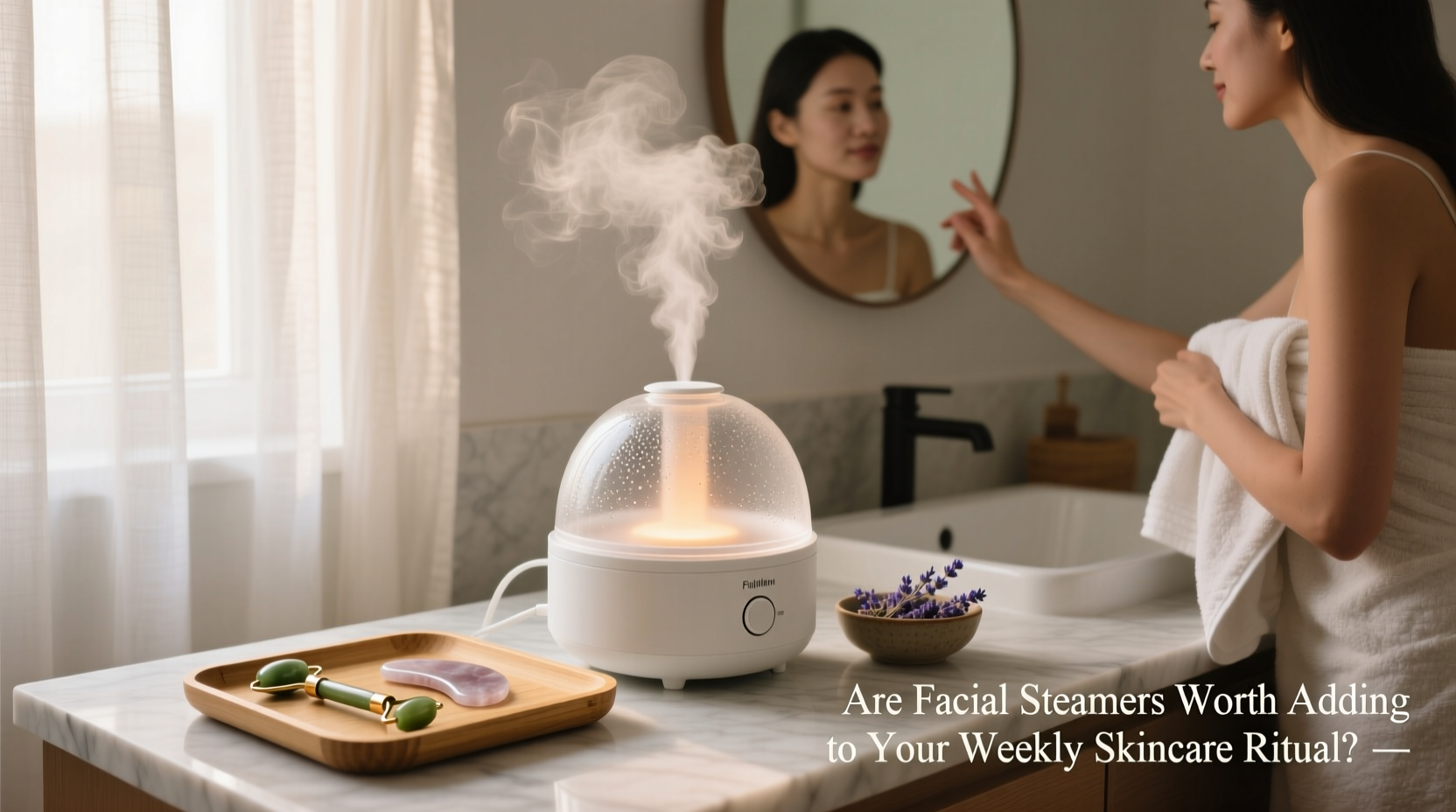
Facial steamers emit a fine, warm mist that gently heats the skin’s surface. This controlled exposure to moisture and heat causes vasodilation—widening of blood vessels—which increases circulation and promotes a temporary flush of color and radiance. More importantly, the warmth softens sebum (skin oil) and loosens debris trapped in pores, making it easier to remove impurities during cleansing or extraction.
Unlike boiling a pot of water and leaning over it—a method prone to inconsistent temperature and risk of burns—modern facial steamers regulate heat and dispersion. Most models use ultrasonic technology or heating elements to generate a steady stream of vapor at safe temperatures, typically between 104°F and 113°F (40°C–45°C). Some advanced units even include timers, adjustable steam intensity, and aromatherapy trays for essential oils.
From a dermatological standpoint, the primary benefit lies in hydration and prep. “Steam doesn’t ‘open’ pores in a literal sense,” explains Dr. Lena Patel, board-certified dermatologist. “Pores don’t have muscles to open and close. But heat and moisture do help loosen clogs and make the skin more receptive to treatments like masks or serums.”
“Steam doesn’t ‘open’ pores in a literal sense. But heat and moisture do help loosen clogs and make the skin more receptive to treatments.” — Dr. Lena Patel, Board-Certified Dermatologist
Benefits of Weekly Facial Steaming
When used appropriately, facial steaming can be a valuable addition to a skincare regimen. The key advantages include:
- Improved Cleansing Efficiency: Steam softens blackheads and excess sebum, allowing cleansers and exfoliants to work more effectively.
- Enhanced Product Absorption: Hydrated, warm skin absorbs serums and moisturizers more readily, increasing the efficacy of active ingredients.
- Temporary Skin Plumping: Increased blood flow delivers oxygen and nutrients, resulting in a healthier, more luminous appearance.
- Support for Acne-Prone Skin: For non-inflammatory acne, steaming can help clear congested pores when followed by gentle extraction or clay masks.
- Relaxation and Ritual Value: The warm mist creates a spa-like experience, reducing stress—a known contributor to skin issues like breakouts and dullness.
A 2020 study published in the *Journal of Cosmetic Dermatology* found that participants who incorporated steam into their weekly routine reported improved skin texture and perceived radiance after four weeks. However, researchers emphasized that results were most pronounced when steaming was paired with proper post-care, including hydration and sun protection.
Tip: Limit steaming to 5–10 minutes per session. Prolonged exposure can disrupt the skin barrier and lead to dehydration.Who Should (and Shouldn’t) Use a Facial Steamer
Facial steaming is not a one-size-fits-all solution. Certain skin types and conditions respond well, while others may experience adverse effects.
| Skin Type / Condition | Recommended? | Notes |
|---|---|---|
| Oily & Congested | Yes | Helps loosen excess sebum and prevent clogged pores. |
| Acne-Prone (Non-Inflammatory) | Yes | Use before clay masks; avoid if active cystic acne is present. |
| Dry or Dehydrated | Yes, with caution | Follow immediately with hydrating serum and occlusive moisturizer. |
| Sensitive or Rosacea-Prone | No | Heat can trigger redness, flushing, and inflammation. |
| Eczema or Psoriasis | No | May worsen flare-ups due to increased irritation. |
| Mature Skin | Yes | Boosts circulation and enhances anti-aging product penetration. |
Individuals with rosacea should especially avoid facial steaming. The condition involves abnormal blood vessel reactivity, and heat—even mild—is a common trigger. “I’ve seen patients come in with worsened redness after daily steaming,” says Dr. Patel. “For them, skipping steam and focusing on barrier repair is far more beneficial.”
Step-by-Step Guide to Safe and Effective Facial Steaming
If you decide to incorporate a facial steamer into your routine, follow this evidence-based protocol to maximize benefits and minimize risks:
- Cleanse First: Remove makeup and surface dirt with a gentle cleanser to prevent pushing debris deeper into pores.
- Prepare the Device: Fill the reservoir with distilled water to prevent mineral buildup. If your model supports it, add 1–2 drops of chamomile or lavender essential oil for calming benefits.
- Position Safely: Sit with your face 6–8 inches from the nozzle. Never press the device directly against the skin.
- Steam for 5–10 Minutes: Set a timer. Focus on areas prone to congestion, but avoid overexposing delicate zones like the eye area.
- Follow with Treatment: Immediately apply a mask, exfoliant, or serum. Actives like hyaluronic acid or niacinamide penetrate more deeply on warm, hydrated skin.
- Moisturize and Protect: Seal in hydration with a nourishing moisturizer. If steaming in the morning, always finish with SPF.
Frequency matters. For most people, once a week is sufficient. Overuse can compromise the skin’s natural lipid barrier, leading to transepidermal water loss and increased sensitivity.
Tip: After steaming, resist the urge to pick or aggressively extract. Let professionals handle extractions to avoid scarring.Real-World Example: A Skincare Enthusiast’s Experience
Sophia, a 32-year-old esthetician from Portland, struggled with persistent blackheads along her nose and chin despite using salicylic acid and regular exfoliation. She began using a facial steamer twice a week before applying a charcoal mask. Within three weeks, she noticed a visible reduction in pore congestion and smoother texture. “It wasn’t magic,” she says, “but it made my existing products work better. I also love the ritual—it’s become my Sunday night reset.”
However, when she increased steaming to every other day, her skin became tight and reactive. “I realized I was overdoing it. Now I stick to once a week, and my skin stays balanced.” Sophia’s experience underscores a crucial point: moderation and consistency yield better long-term results than frequent, aggressive use.
Facial Steamer Checklist: Before You Buy and Use
Before investing in a facial steamer, consider these practical factors:
- ✅ Do I have congested or oily skin that could benefit from deep cleansing?
- ✅ Am I committed to using it no more than once a week?
- ✅ Do I already have a solid skincare routine (cleanser, treatment, moisturizer)?
- ✅ Is my skin free from rosacea, eczema, or extreme sensitivity?
- ✅ Am I willing to clean and maintain the device regularly to prevent mold or bacteria buildup?
- ✅ Have I researched models with safety features like auto-shutoff and adjustable settings?
If most answers are “yes,” a facial steamer may be a worthwhile addition. If not, simpler alternatives—like a warm washcloth compress—can offer similar prep benefits without the investment.
Frequently Asked Questions
Can I use tap water in my facial steamer?
No. Tap water contains minerals that can build up inside the device, reducing efficiency and potentially releasing harmful particles onto your skin. Always use distilled or demineralized water to prolong the device’s life and ensure safe mist output.
Is facial steaming safe during pregnancy?
Generally, yes—but with caution. While the steam itself poses no direct risk, elevated body temperature should be avoided in the first trimester. Consult your healthcare provider before starting any new wellness or beauty practice during pregnancy.
Can I steam my face if I wear contact lenses?
It’s advisable to remove contacts before steaming. The heat and moisture can cause discomfort, dryness, or lens warping. Additionally, keeping your eyes closed during the session minimizes irritation.
Conclusion: Weighing Value Against Results
Finding value in a facial steamer depends less on the device itself and more on how thoughtfully it’s integrated into your skincare lifestyle. For those with oily, congested, or mature skin seeking enhanced product performance and a moment of self-care, the investment can be justified. The science supports its role in prepping the skin for deeper treatment, and user testimonials often highlight improved clarity and glow.
Yet, it’s not an essential tool. Many achieve excellent results through double cleansing, chemical exfoliation, and proper hydration—without ever turning on a steamer. For sensitive or reactive skin types, the risks may outweigh the rewards.
If you choose to adopt facial steaming, treat it as a strategic step—not a daily habit. Pair it with proven skincare fundamentals: sunscreen, antioxidants, and consistent moisturization. And remember, no gadget replaces the foundation of healthy skin: a balanced diet, hydration, sleep, and stress management.
🚀 Ready to elevate your routine? Try a single session with a steamer or warm cloth, then assess your skin’s response. Share your experience in the comments—your insight could help others decide if this ritual is right for them.








