
For many, long, full lashes are a beauty goal that enhances the eyes without heavy makeup. Eyelash serums have surged in popularity as a non-invasive way to promote lash growth, thickness, and darkness. However, for individuals with sensitive eyes or pre-existing eye conditions, the question isn’t just about effectiveness—it’s about safety. Can these serums cause irritation? Are they suitable for those prone to redness, dryness, or allergic reactions? The answer isn't universal; it depends on formulation, application method, and individual sensitivity.
While some users report dramatic improvements with no side effects, others experience stinging, redness, or even worsening of chronic dry eye symptoms. Understanding the ingredients, mechanisms, and precautions can help you make an informed decision—especially if your eyes are easily irritated.
How Eyelash Serums Work: The Science Behind Growth
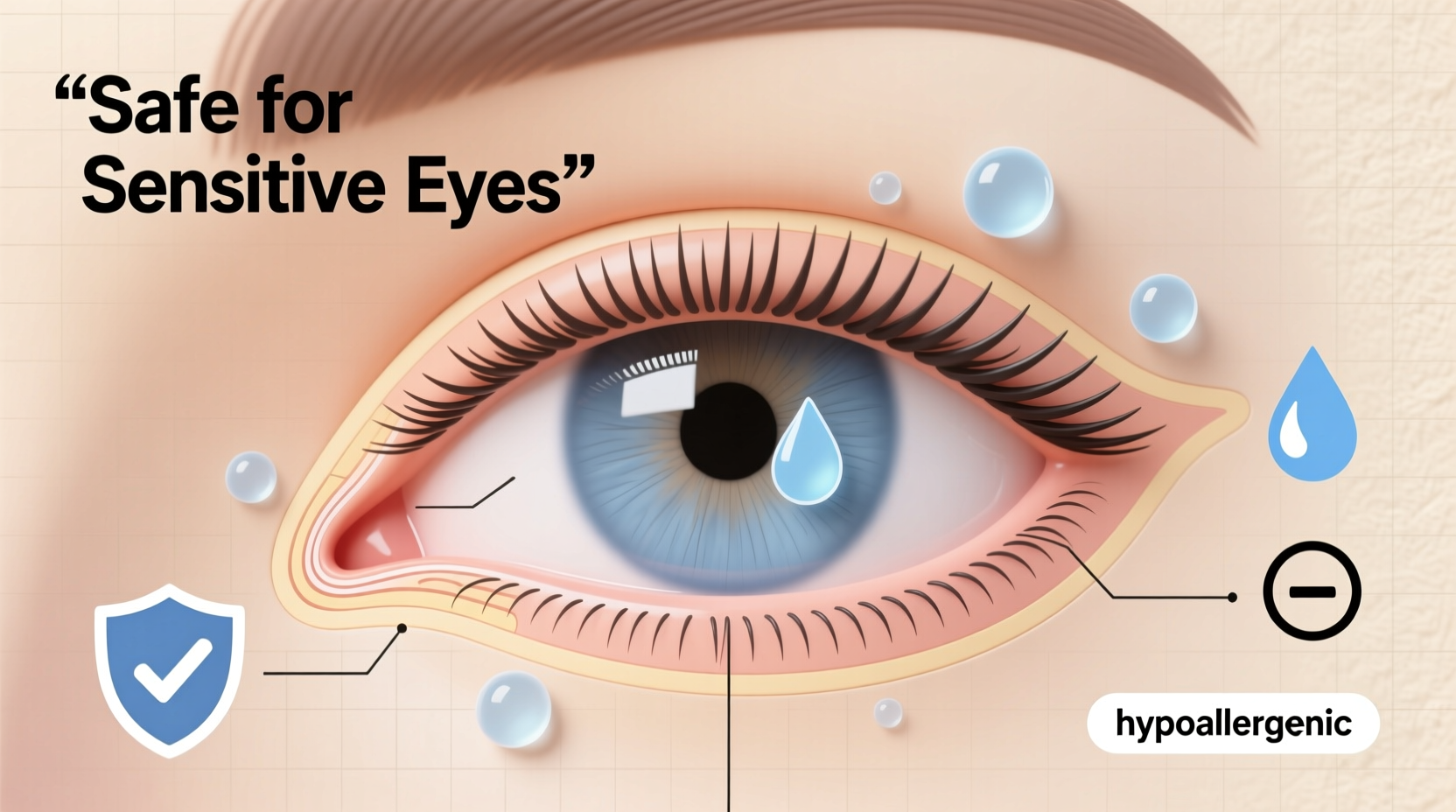
Eyelash serums function by extending the anagen (growth) phase of the hair cycle or stimulating follicles to produce thicker, longer lashes over time. They fall into two main categories: prescription-grade and over-the-counter (OTC).
The most clinically proven active ingredient is bimatoprost, originally developed for glaucoma treatment. It was observed to cause hypertrichosis (excessive hair growth) as a side effect, leading to its FDA approval for lash enhancement under brand names like Latisse. Bimatoprost works by increasing the duration of the growth phase and the number of hairs in that phase.
OTC serums typically use alternative compounds such as:
- Peptides (e.g., myristoyl pentapeptide-17): Stimulate keratin production.
- Prostaglandin analogs (non-prescription): Mimic natural growth signals but at lower concentrations.
- Hyaluronic acid: Hydrates the lash line to reduce breakage.
- Vitamins (B5, E, biotin): Nourish follicles and strengthen lashes.
- Botanical extracts (green tea, panthenol): Soothe and condition.
Unlike bimatoprost, OTC ingredients lack the same level of clinical validation, but many users report visible results within 6–12 weeks when used consistently.
Tip: Always patch test new serums behind the ear or on the inner forearm before applying near the eyes to gauge potential reactions.Risks and Common Side Effects for Sensitive Eyes
Even mild formulas can trigger adverse reactions in people with sensitive ocular surfaces. The eyelid margin and conjunctiva are highly vascular and absorbent, making them vulnerable to irritants.
Common side effects include:
- Redness or swelling of the eyelids
- Burning or stinging upon application
- Dryness or itching
- Conjunctivitis-like symptoms (watery eyes, grittiness)
- Darkening of the eyelid skin (particularly with prostaglandin-based products)
- Iris pigmentation changes (rare, mostly associated with prescription bimatoprost)
A 2021 review published in *Clinical Ophthalmology* highlighted that up to 40% of users in clinical trials reported ocular irritation with bimatoprost, though most cases were mild and resolved with continued use or discontinuation. For OTC serums, data is limited, but anecdotal reports suggest similar patterns—especially when preservatives like parabens or alcohol are present.
“Patients with pre-existing dry eye disease or blepharitis should exercise caution. Even ‘natural’ serums can disrupt the tear film or exacerbate inflammation.” — Dr. Lena Patel, Cornea and External Disease Specialist
Choosing a Safe Serum: What to Look For (and Avoid)
Not all serums are created equal. If you have sensitive eyes, scrutinizing the ingredient list is essential. Here’s a breakdown of what promotes safety and what raises red flags.
| Ingredient Type | Safe For Sensitive Eyes? | Notes |
|---|---|---|
| Bimatoprost (prescription) | Limited | High efficacy but higher irritation risk; requires medical supervision. |
| Non-prostaglandin peptides | Yes | Gentler alternative; less likely to cause inflammation. |
| Hyaluronic acid | Yes | Hydrating and soothing; supports healthy follicle environment. |
| Parabens, phenoxyethanol | No | Potential allergens; may cause contact dermatitis. |
| Alcohol (ethanol, denatured) | No | Drying; can strip natural oils from delicate eyelid skin. |
| Fragrance / essential oils | No | Common irritants, especially citrus or mint oils. |
| Vitamin E (tocopherol) | Yes (in moderation) | Nourishing, but high concentrations may clog follicles. |
Look for products labeled “ophthalmologist-tested,” “hypoallergenic,” or “suitable for contact lens wearers.” These terms aren’t regulated, but brands that invest in third-party testing often provide more transparency.
Mini Case Study: Managing Sensitivity with Careful Selection
Sarah, a 34-year-old graphic designer, had struggled with thinning lashes due to years of mascara use and occasional extensions. She also has seasonal allergies and mild dry eye syndrome. After using a popular drugstore lash serum containing fragrance and alcohol, she experienced persistent itching and redness along her lash line. Upon consulting her optometrist, she learned the formula was likely aggravating her ocular surface.
She switched to a peptide-based, fragrance-free serum designed for sensitive eyes. Before full use, she applied a small amount to one eyelid for three nights. No reaction occurred, so she began bilateral application every evening. Within eight weeks, she noticed improved lash density with zero irritation. Her key takeaway: patch testing and avoiding known irritants made all the difference.
Step-by-Step Guide to Using Eyelash Serums Safely
Even the gentlest product can cause issues if misapplied. Follow this routine to maximize safety and effectiveness:
- Cleanse thoroughly. Remove all makeup and residue with a gentle, oil-free eye makeup remover. A clean lash line prevents bacterial buildup and ensures better absorption.
- Wait 5 minutes. Allow skin to dry completely. Applying serum to damp skin can dilute the formula and increase the chance of runoff into the eye.
- Apply precisely. Use the provided applicator to draw a thin line directly along the upper lash line, similar to eyeliner. Avoid touching the lower lid unless specified by the manufacturer.
- Use once daily, preferably at night. Overuse increases irritation risk without boosting results.
- Monitor for reactions. Watch for redness, swelling, or discomfort in the first week. Discontinue immediately if symptoms persist beyond 48 hours.
- Replace applicators regularly. Bacteria can accumulate on brushes. Replace disposable wands monthly or sanitize reusable ones weekly with alcohol.
- Stop before eye procedures. Discontinue use at least one week prior to LASIK, cataract surgery, or any ocular treatment.
Expert Recommendations and Long-Term Safety
Long-term safety data for OTC lash serums remains limited. Unlike prescription treatments, which undergo rigorous clinical trials, cosmetic serums are not required to prove safety or efficacy before market release.
Dr. Naomi Chen, a board-certified ophthalmologist, advises: “I don’t discourage use, but I urge patients to treat these products like medications. Read labels, know what you’re putting on your face, and consult your eye doctor if you have glaucoma, rosacea, or autoimmune conditions like lupus that affect the eyes.”
Additionally, prostaglandin analogs—whether prescription or OTC—can cause permanent changes in rare cases, such as increased brown iris pigmentation. This risk is higher in individuals with hazel or mixed-color eyes. While rare, it underscores the importance of professional guidance.
Another concern is contamination. Sharing applicators or using expired products can introduce bacteria like Pseudomonas or Staphylococcus, potentially leading to infections such as blepharitis or conjunctivitis.
Checklist: Is Your Eyelash Serum Safe for Sensitive Eyes?
- ✅ Free from fragrance and essential oils
- ✅ Alcohol-free or low-alcohol formula
- ✅ Contains soothing ingredients (panthenol, hyaluronic acid)
- ✅ Hypoallergenic and ophthalmologist-tested
- ✅ Single-use or sterile applicator option available
- ✅ Patch tested before full application
- ✅ Used only on clean, dry skin
- ✅ Not shared with others
- ✅ Discarded after 3–6 months (or per manufacturer guidelines)
Frequently Asked Questions
Can I use eyelash serum if I wear contact lenses?
Yes, but with caution. Apply the serum at night after removing your contacts to prevent transfer of ingredients onto the lens. Some components may adhere to silicone hydrogel or traditional lenses, causing discomfort or corneal deposits. Always wait at least 15 minutes before reinserting lenses the next morning.
Do natural or organic serums guarantee safety for sensitive eyes?
Not necessarily. “Natural” doesn’t mean non-irritating. Essential oils like tea tree, peppermint, or citrus are common in organic formulations and are frequent triggers for allergic reactions. Always check the full ingredient list—even plant-based extracts can be potent sensitizers.
How long should I wait to see results without risking irritation?
Most users notice subtle improvements in 4–6 weeks, with optimal results at 12–16 weeks. If irritation occurs within the first few days and persists, discontinue use. Mild tingling for the first 1–2 minutes is normal with some formulas, but burning or swelling is not.
Conclusion: Balancing Beauty Goals with Eye Health
Eyelash serums can be safe for sensitive eyes—if chosen and used wisely. The key lies in understanding your personal risk factors, reading labels critically, and listening to your body’s signals. Just because a product is widely marketed doesn’t mean it’s suitable for everyone.
Start conservatively: opt for peptide-based, fragrance-free formulas, perform a patch test, and apply with precision. When in doubt, consult an ophthalmologist—especially if you have a history of eye allergies, dryness, or inflammatory conditions. Your vision and comfort are far more valuable than any cosmetic enhancement.
🚀 Ready to enhance your lashes safely? Re-evaluate your current serum using the checklist above, or share your experience in the comments to help others navigate sensitive-eye-friendly options.








