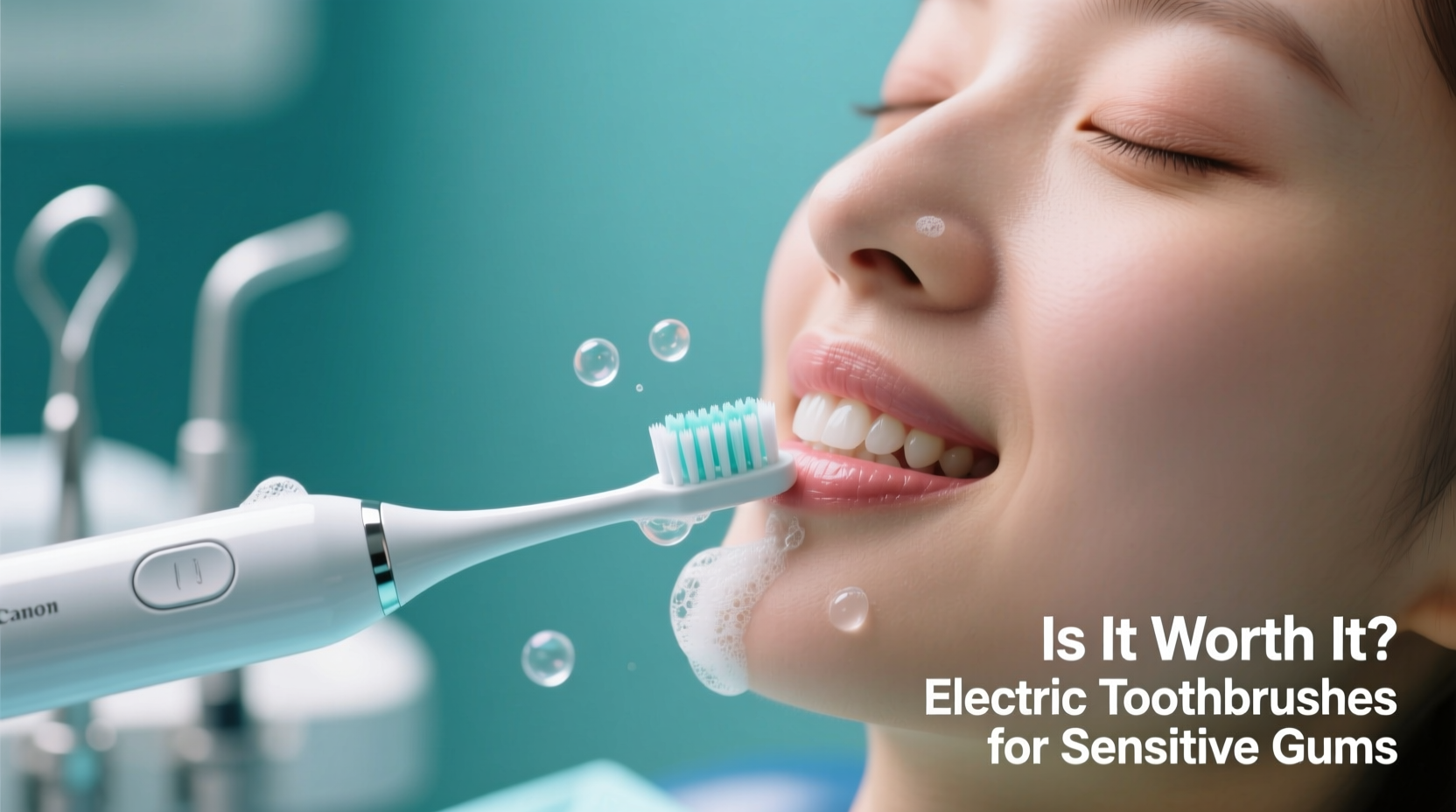
For people with sensitive gums, brushing teeth can often feel like a balancing act—too hard, and your gums bleed; too soft, and plaque builds up. The discomfort of traditional brushing has led many to consider switching to an electric toothbrush. But is it really worth the upgrade? With advancements in dental technology, modern electric models now offer features specifically designed for gum sensitivity, including pressure sensors, gentle cleaning modes, and oscillating brush heads. However, misconceptions persist: some believe electric brushes are too aggressive, while others assume they’re overpriced and unnecessary. The truth lies somewhere in between—and depends heavily on individual needs, technique, and product choice.
This article examines whether upgrading to an electric toothbrush benefits those with sensitive gums, based on clinical research, dentist recommendations, and real-world experiences. From understanding how different brush types affect gum tissue to identifying the right features that support gentler cleaning, this guide helps you decide if the switch makes sense for your oral health.
How Sensitive Gums React to Brushing
Gum sensitivity typically stems from gingivitis, enamel erosion, gum recession, or aggressive brushing habits. When gums are inflamed or receding, even light pressure during brushing can cause pain, bleeding, or further irritation. Traditional manual brushing requires users to control both motion and force, which often leads to inconsistent technique. Many people unknowingly apply excessive pressure, especially along the gumline, worsening sensitivity over time.
Electric toothbrushes, by contrast, automate the brushing motion. This reduces reliance on hand strength and minimizes human error. Instead of scrubbing, the user glides the brush gently across teeth, allowing the motorized bristles to do the work. Studies show that electric brushes—particularly those with oscillating-rotating technology—remove significantly more plaque than manual brushing, even with lighter contact.
A 2014 Cochrane review analyzing over 50 clinical trials found that electric toothbrushes reduced plaque by 21% and gingivitis by 11% after three months compared to manual brushing. For individuals with sensitive gums, this means better cleaning with less physical effort—a critical advantage when inflammation is already present.
Tip: If your gums bleed during brushing, don’t stop—switch to a softer technique. Gentle, consistent cleaning helps reverse inflammation over time.Key Features That Make Electric Toothbrushes Safer for Sensitive Gums
Not all electric toothbrushes are created equal. Some high-powered models marketed for whitening or deep cleaning may use stiff bristles or intense vibrations unsuitable for delicate gum tissue. The key is selecting a model engineered with sensitivity in mind. Here are the most important features to look for:
- Pressure sensors: Alert you (via sound or handle pulsation) when you're pressing too hard. This prevents gum abrasion and encourages proper technique.
- Sensitive cleaning mode: Slower oscillations or reduced amplitude provide a milder clean without sacrificing effectiveness.
- Soft or extra-soft brush heads: Designed with tapered, rounded bristles that flex on contact, reducing trauma to gum margins.
- Timer and quadrant pacing: Ensures even brushing distribution and prevents lingering too long in one area, which can irritate localized gum zones.
- Low-noise, low-vibration motors: Minimize discomfort for users who find standard electric brushes jarring.
Brands like Philips Sonicare, Oral-B iO, and Burst have developed specialized lines targeting gum health. For example, the Philips Sonicare ProtectiveClean 6100 includes a “Gum Care” mode that starts with a 30-second massage to stimulate blood flow before transitioning into a gentle clean. Similarly, Oral-B’s SmartSeries models integrate real-time feedback through smartphone apps, helping users adjust pressure and coverage.
“Patients with gingival recession or chronic sensitivity benefit greatly from electric brushes with adaptive intelligence. They promote consistency while protecting fragile tissues.” — Dr. Lena Patel, Periodontist and Clinical Instructor at NYU College of Dentistry
Comparing Manual vs. Electric: A Side-by-Side Analysis
| Feature | Manual Toothbrush | Electric Toothbrush |
|---|---|---|
| Plaque Removal Efficiency | Moderate (highly dependent on technique) | High (consistent motion and frequency) |
| Gum Irritation Risk | Higher (due to variable pressure) | Lower (with pressure sensors and soft modes) |
| User Effort Required | High (requires precise angling and motion) | Low (guided movement, automated action) |
| Cost Over Time | $10–$20/year (replacement brushes) | $30–$60/year (brush heads + initial device cost) |
| Ideal For | Budget-conscious users with good technique | Sensitive gums, arthritis, braces, or poor dexterity |
The data suggests that while electric toothbrushes come with a higher upfront investment, their long-term benefits—especially for gum health—are substantial. For those struggling with sensitivity due to improper brushing mechanics, the consistency offered by electric models can be transformative.
Real-World Example: How One User Reversed Gum Sensitivity
Mark T., a 42-year-old graphic designer from Portland, had dealt with bleeding gums for years. Despite using a soft-bristled manual brush, he noticed persistent redness and discomfort, particularly in the mornings. His dentist diagnosed early-stage gingivitis and recommended switching to an electric toothbrush with a pressure sensor.
He chose the Oral-B Genius X Limited Edition, primarily for its artificial intelligence guidance system. The first week was awkward—he kept triggering the pressure alert—but within two weeks, his brushing habits adjusted. He learned to let the brush do the work instead of scrubbing. After three months, his next dental checkup revealed a significant reduction in gum pocket depth and no bleeding on probing.
“I thought I was brushing correctly,” Mark said. “But the electric brush showed me how much pressure I was actually using. Now my gums feel tighter, and I don’t dread brushing anymore.”
His experience reflects a common pattern: people with sensitive gums often overcompensate by brushing harder, believing it leads to cleaner teeth. In reality, gentle, frequent disruption of plaque biofilm is far more effective—and less damaging.
Step-by-Step Guide to Transitioning Safely
If you’re considering making the switch, follow these steps to ensure a smooth transition that protects your gums:
- Consult your dentist or hygienist. Get a professional assessment of your gum condition. Ask if you have recession, active inflammation, or exposed root surfaces that require special care.
- Choose the right model. Prioritize brushes labeled for “sensitive” or “gum care” use. Avoid sonic brushes with very high vibration rates unless they offer adjustable intensity settings.
- Start on the lowest setting. Begin with the sensitive mode and use light pressure—just enough to keep the brush head in contact with teeth.
- Use proper technique. Angle the brush at 45 degrees to the gumline and move slowly. Let the brush oscillate for 2–3 seconds per tooth rather than dragging it across multiple teeth at once.
- Replace brush heads every 3 months. Worn bristles lose flexibility and can become abrasive. Most electric brushes have color indicators to signal when replacement is needed.
- Monitor your gums. Track changes in bleeding, tenderness, or swelling over 4–6 weeks. Schedule a follow-up cleaning to measure improvements objectively.
Common Misconceptions About Electric Brushes and Gum Sensitivity
Despite growing evidence, several myths still deter people from trying electric options:
- Myth: Electric brushes are too harsh for sensitive gums.
Reality: Modern models are designed with gum protection as a priority. With proper settings and technique, they’re gentler than manual brushing. - Myth: You need to press hard for them to work.
Reality: Pressing defeats the purpose. These brushes remove plaque through rapid micro-movements, not force. - Myth: They’re only for people who can afford luxury gadgets.
Reality: Entry-level models start around $40, and generic brush heads are available at lower prices. Consider it preventive healthcare spending.
Another concern involves battery life and travel convenience. While older models required frequent charging, newer versions often last two to four weeks on a single charge. Many also include travel cases and UV sanitizers, enhancing hygiene for sensitive users.
FAQ
Can electric toothbrushes worsen gum recession?
Not when used correctly. In fact, they help prevent further recession by promoting gentle, effective cleaning. However, using a worn brush head or applying excessive pressure—even with a pressure sensor—can contribute to gum wear over time.
Should I use mouthwash after brushing with an electric toothbrush?
Yes, but timing matters. Wait at least 30 minutes after brushing before using alcohol-based rinses, which can dry out and irritate sensitive tissues. Opt for alcohol-free, fluoride-containing mouthwashes to support remineralization and comfort.
Are there electric toothbrushes specifically made for children with sensitive gums?
Yes. Brands like Philips Sonicare for Kids and Oral-B Junior offer smaller brush heads, fun timers, and ultra-soft bristles tailored to young users. Supervision is still recommended to ensure gentle use.
Checklist: Is an Electric Toothbrush Right for You?
Answer yes to any of the following to determine if upgrading could benefit your gum health:
- Do your gums bleed regularly during or after brushing?
- Have you been diagnosed with gingivitis or early periodontal disease?
- Do you have dental implants, crowns, or orthodontic appliances that make cleaning difficult?
- Do you suffer from arthritis, carpal tunnel, or limited hand mobility?
- Have you struggled to maintain consistent brushing habits?
- Are you willing to invest in long-term oral health prevention?
If three or more apply, an electric toothbrush is likely a worthwhile upgrade—one that supports both comfort and clinical outcomes.
Conclusion
For individuals with sensitive gums, upgrading to an electric toothbrush isn't just about convenience—it's a strategic move toward healthier, more resilient oral tissues. Far from being overly aggressive, today’s smart-enabled, sensitivity-focused models offer precision, feedback, and gentler cleaning power than manual alternatives. When paired with proper technique and regular dental care, they can reduce inflammation, prevent recession, and transform daily hygiene from a chore into a sustainable habit.
The initial cost may give pause, but viewed as an investment in preventive care, the return is clear: fewer dental visits, reduced discomfort, and improved confidence in your smile. Whether you're dealing with occasional bleeding or managing chronic sensitivity, the right electric toothbrush can make all the difference.
🚀 Ready to protect your gums with smarter brushing? Choose a clinically proven electric model, start on sensitive mode, and give your oral health the upgrade it deserves. Share your experience or questions in the comments below.








