
Collagen has become a buzzword in the beauty and wellness world, with powders, pills, and potions promising plumper skin, fewer wrinkles, and a youthful glow. But behind the glossy marketing lies a critical question: Are collagen supplements actually effective—or just another overpriced trend? As interest surges, dermatologists are weighing in with science-backed perspectives on whether these supplements deliver real results or simply line the pockets of supplement brands.
This article dives deep into the role of collagen in skin health, evaluates clinical research, and brings you candid insights from board-certified dermatologists. Whether you're considering adding collagen to your daily routine or skeptical about the hype, this guide will help you make an informed decision—without the fluff.
The Science of Collagen and Skin Aging
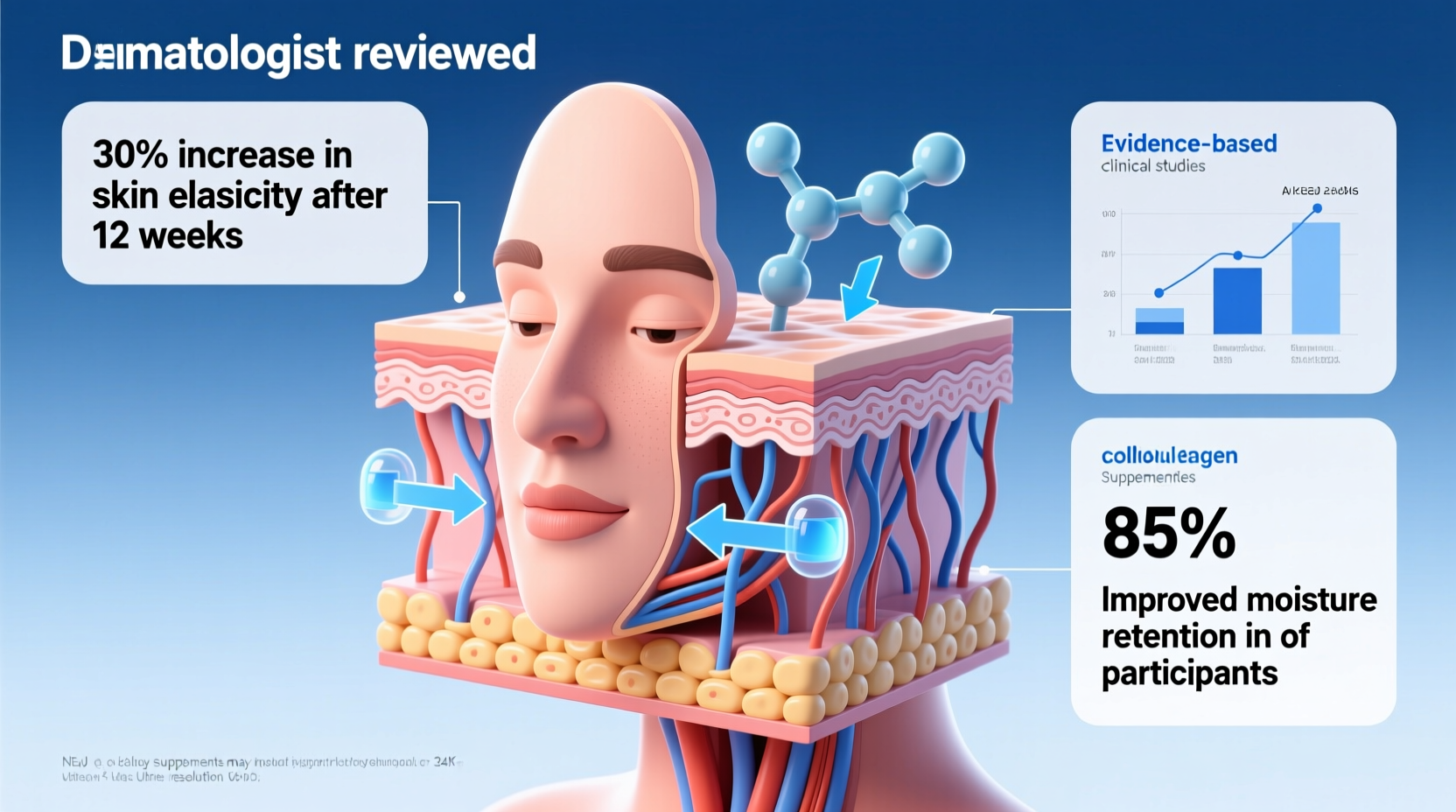
Collagen is the most abundant protein in the human body, making up about 75% of the skin’s dry weight. It provides structural support, elasticity, and firmness. Think of it as the scaffolding beneath your skin—when it’s strong, your complexion appears taut and smooth. But beginning in your mid-20s, collagen production declines by about 1% per year. By age 40, many people experience visible signs of this loss: fine lines, sagging, and reduced hydration.
Natural aging isn’t the only culprit. UV exposure, smoking, poor diet, and chronic stress accelerate collagen breakdown through oxidative stress and inflammation. This degradation leads to thinner skin and slower repair mechanisms. So, the idea behind collagen supplementation is simple: if your body makes less collagen over time, could ingesting more help slow or reverse these changes?
Oral collagen supplements typically contain hydrolyzed collagen peptides—smaller, broken-down fragments of collagen that are easier for the gut to absorb. Once absorbed, these peptides may signal fibroblasts (the cells responsible for collagen production) to ramp up synthesis. Some studies suggest they accumulate in the skin within hours of ingestion, potentially stimulating repair processes.
“While topical products can’t deliver collagen directly—because the molecule is too large to penetrate the skin—oral supplements offer a different pathway. The peptides may act as messengers to boost your skin’s own collagen production.” — Dr. Lena Park, Board-Certified Dermatologist
What Does the Research Say?
Over the past decade, more than 20 clinical trials have examined the effects of oral collagen supplements on skin health. The findings are not uniform, but a growing body of evidence points to modest yet measurable benefits.
A 2019 meta-analysis published in Clinical Interventions in Aging reviewed 11 studies involving over 800 participants. It concluded that daily intake of hydrolyzed collagen (typically 2.5–10 grams) for 8–12 weeks led to:
- Improved skin elasticity (in 7 out of 11 studies)
- Increased hydration (measured via corneometry)
- Reduced wrinkle depth, especially around the eyes
One notable double-blind, placebo-controlled study followed 69 women aged 35–55 who took 2.5 grams of collagen peptides daily for 8 weeks. The group showed a 20% average improvement in skin moisture and a significant reduction in eye wrinkle volume compared to the placebo group.
However, limitations exist. Many studies are funded by supplement companies, raising concerns about bias. Sample sizes are often small, and long-term data beyond one year is scarce. Additionally, improvements tend to plateau after several months, suggesting ongoing use is necessary to maintain results.
Tip: Look for supplements with third-party testing certifications (like NSF or USP) to ensure purity and accurate labeling.Types of Collagen Supplements: What Works Best?
Not all collagen supplements are created equal. Understanding the differences can help you avoid wasting money on ineffective products.
| Type | Source | Best For | Notes |
|---|---|---|---|
| Hydrolyzed Bovine Collagen | Cowhide or bones | Skin, hair, nails, joints | Rich in Type I and III collagen—the main types in skin |
| Marine Collagen | Fish scales or skin | Skin elasticity | Smaller peptides; possibly better absorption, but sustainability concerns |
| Chicken Collagen | Chicken sternum | Joints (Type II) | Less relevant for skin; more used for arthritis support |
| Vegan \"Collagen Boosters\" | Plant-based nutrients | Supporting natural production | Contain vitamin C, silica, amino acids—but don’t provide actual collagen |
For skin-specific benefits, experts recommend hydrolyzed Type I and III collagen from bovine or marine sources. Doses between 2.5 and 10 grams per day appear most effective based on current research. Timing matters, too: taking collagen on an empty stomach with vitamin C (which aids collagen synthesis) may enhance absorption.
Real-World Results: A Mini Case Study
Samantha, a 42-year-old graphic designer, started noticing deeper smile lines and dullness in her complexion despite using high-end serums and sunscreen. After reading about collagen supplements, she decided to try a 3-month experiment. She began taking 5 grams of grass-fed bovine collagen powder mixed into her morning coffee, paired with a vitamin C-rich orange.
She tracked changes with weekly selfies and a journal noting texture, hydration, and makeup application. By week 6, she reported her foundation applied more smoothly and her under-eye area felt firmer. At 12 weeks, a dermatologist visually assessed her skin and noted a moderate improvement in cheek elasticity and reduced fine lines near her mouth.
Was it the collagen alone? Samantha also improved her sleep and reduced alcohol intake during the trial, which likely contributed. Still, she found the supplement “worth continuing” due to the subtle but noticeable shift in skin resilience.
Her experience reflects a common theme: collagen supplements rarely deliver dramatic transformations, but when combined with healthy lifestyle habits, they can support incremental improvements.
Expert Insights: When Supplements Make Sense (and When They Don’t)
Dermatologists agree that collagen supplements aren’t magic—but they’re not meaningless either. Their value depends on individual goals, skin condition, and expectations.
Dr. Raj Mehta, a dermatologist specializing in aesthetic medicine, emphasizes context: “If someone has early signs of aging, eats a balanced diet, and uses sunscreen, adding collagen may give them an extra edge. But if someone skips SPF, smokes, or eats mostly processed food, no supplement will compensate for that.”
He also warns against unrealistic promises. “I’ve had patients expect their crow’s feet to vanish in two weeks. That’s not how biology works. These are subtle, cumulative changes—not laser-level results.”
Experts also caution about unregulated claims. Many products market “beauty blends” with collagen plus biotin, hyaluronic acid, or antioxidants. While some ingredients may complement each other, there’s little evidence that combining them significantly boosts efficacy. In fact, some added ingredients may cause side effects—like acne from excess biotin.
“The foundation of skin health is still sun protection, a nutrient-rich diet, hydration, and proven topicals like retinoids and antioxidants. Collagen supplements are a potential add-on, not a replacement.” — Dr. Nadia Singh, Clinical Dermatologist
Step-by-Step Guide to Choosing and Using Collagen Supplements
If you're considering trying collagen, follow this practical timeline to maximize benefits and minimize waste:
- Week 1: Assess Your Skin Goals
Are you targeting wrinkles, dryness, or overall radiance? Be specific. This helps determine if collagen aligns with your needs. - Week 2: Research Brands
Look for hydrolyzed collagen from reputable sources. Check for third-party testing, ingredient transparency, and absence of fillers or artificial sweeteners. - Week 3: Start with a Low Dose
Begin with 2.5–5 grams daily. Take it in the morning on an empty stomach with a source of vitamin C (e.g., citrus fruit or a supplement). - Weeks 4–12: Track Changes
Take consistent photos in natural light. Note how your skin feels—texture, hydration, makeup adherence. Avoid judging too soon; most changes appear after 8 weeks. - Month 4: Reevaluate
If you see no improvement and haven’t changed other habits, consider discontinuing. If results are positive, continue—but remember maintenance requires ongoing use.
FAQ: Common Questions About Collagen Supplements
Do collagen supplements work for everyone?
No. Response varies based on age, baseline collagen levels, genetics, and lifestyle. Younger individuals with healthy skin may notice minimal change, while those over 35 with visible aging signs are more likely to benefit.
Can you get enough collagen from food?
Prioritizing collagen-rich foods like bone broth, chicken skin, fish with skin, and egg whites can support your body’s production. However, dietary intake alone rarely reaches the concentrated doses used in studies. Supplements offer a more targeted approach.
Are there side effects?
Most people tolerate collagen well. Some report mild digestive upset or a chalky taste. Those with allergies to bovine or marine proteins should avoid corresponding types. Always consult your doctor if you have kidney issues or autoimmune conditions.
Final Checklist: Is a Collagen Supplement Right for You?
Before spending $40+ on a month’s supply, ask yourself:
- Am I already using sunscreen daily? ☐
- Do I eat a balanced diet rich in protein, vitamins, and antioxidants? ☐
- Have I tried proven anti-aging topicals like retinoids or vitamin C? ☐
- Am I prepared to take the supplement consistently for at least 8–12 weeks? ☐
- Is my budget flexible enough to treat this as a potential “nice-to-have,” not a necessity? ☐
If you answered yes to most, a collagen supplement might be a reasonable addition. If not, focus on foundational habits first.
Conclusion: Making an Informed Decision
So, are collagen supplements worth the splurge? The answer isn’t a simple yes or no—it depends on your expectations, skin condition, and commitment to holistic care. Based on current science and dermatologist insights, collagen supplements can offer modest improvements in skin hydration, elasticity, and wrinkle appearance for some users. But they are not a shortcut, nor a substitute for sun protection, nutrition, or medical-grade skincare.
Think of them as a supporting player, not the star. If you choose to try one, do so with realistic goals, a reliable product, and patience. And remember: the most powerful anti-aging tools remain free—sunscreen, sleep, and stress management.
🚀 Ready to take charge of your skin health? Start with one proven habit today—whether it’s applying SPF or reading ingredient labels. Share your journey or questions in the comments below and help others navigate the noise with clarity and confidence.








