
In recent years, adaptogens have surged in popularity. Found in everything from herbal teas and tinctures to energy bars and skincare, these plant-based compounds are marketed as natural solutions for stress, fatigue, and mental clarity. But with so much buzz, a critical question emerges: Are adaptogens truly beneficial when taken daily, or are they little more than cleverly branded supplements riding the wave of wellness trends?
The truth lies somewhere in between. While many adaptogens have roots in traditional medicine systems—especially Ayurveda and Traditional Chinese Medicine (TCM)—modern science is only beginning to catch up. Understanding their safety, efficacy, and long-term effects requires a balanced look at clinical evidence, biological mechanisms, and individual health factors.
What Are Adaptogens—and How Do They Work?
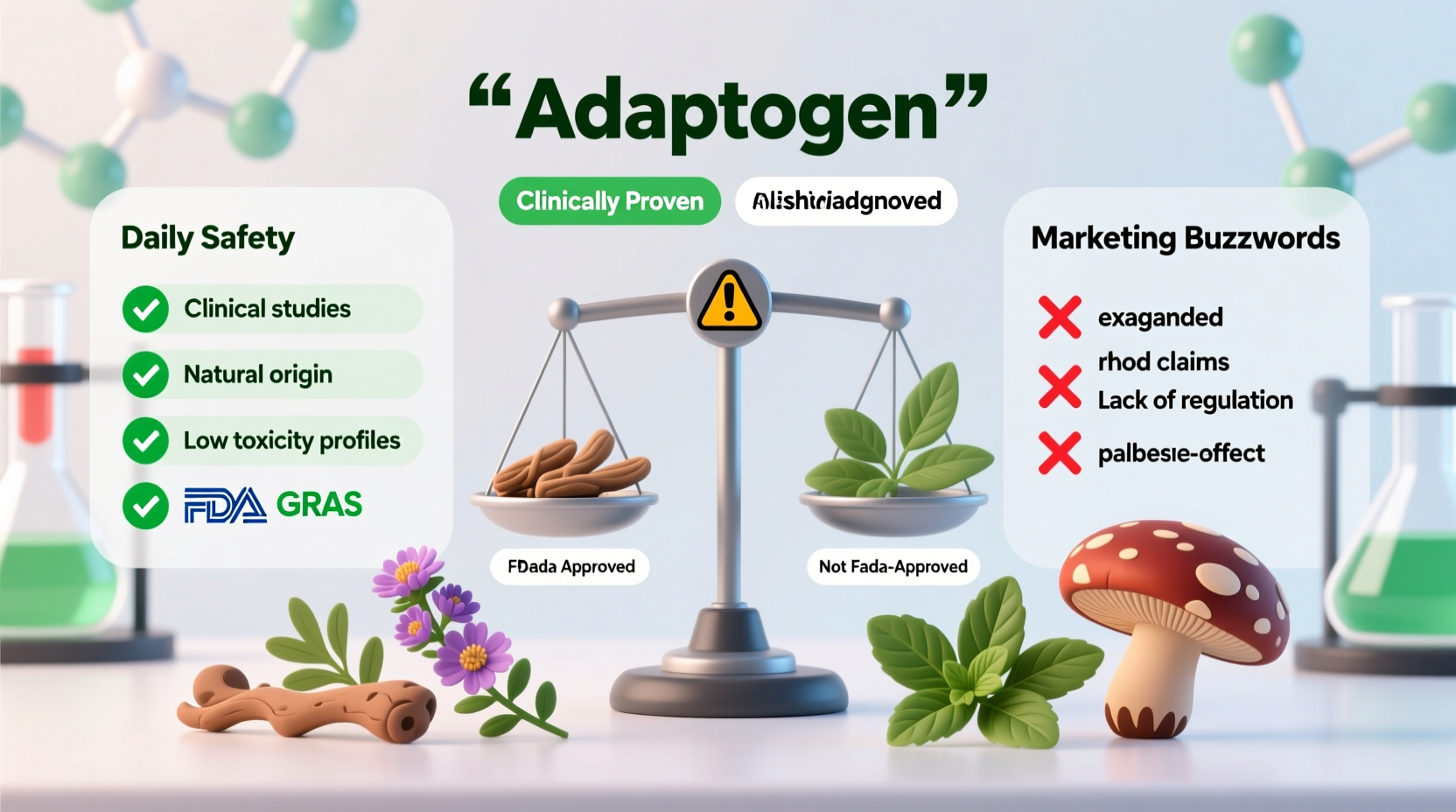
Adaptogens are a category of herbs and mushrooms believed to help the body resist physical, chemical, and biological stressors. The term was first coined in the 1940s by Russian scientist Nikolai Lazarev, who defined them as substances that increase “the state of nonspecific resistance” in the body.
To qualify as an adaptogen, a substance must meet three key criteria:
- Non-toxic: Safe for consumption within normal dosage ranges.
- Normalizing effect: Helps bring physiological processes back into balance, regardless of direction of imbalance (e.g., calming if overactive, stimulating if underactive).
- Anti-stress action: Reduces the impact of stress on the body through modulation of the hypothalamic-pituitary-adrenal (HPA) axis—the central stress response system.
These herbs don’t target a single symptom but aim to support overall resilience. Common examples include ashwagandha, rhodiola rosea, holy basil (tulsi), eleuthero (Siberian ginseng), and cordyceps mushroom.
Tip: Not all products labeled \"adaptogenic\" meet scientific criteria. Look for standardized extracts with verified active compounds like withanolides (ashwagandha) or rosavins (rhodiola).The Science Behind Daily Use: Benefits Backed by Research
While some claims about adaptogens remain anecdotal, several have demonstrated measurable effects in human and animal studies.
Ashwagandha: Stress and Cortisol Regulation
One of the most researched adaptogens, ashwagandha (Withania somnifera), has shown promise in reducing cortisol levels—the primary stress hormone. A 2012 double-blind, placebo-controlled study published in the Indian Journal of Psychological Medicine found that participants taking 300 mg of standardized root extract twice daily experienced a 27.9% reduction in cortisol compared to 7.9% in the placebo group.
Rhodiola Rosea: Mental Performance Under Pressure
Rhodiola has been studied extensively for its ability to combat fatigue and enhance cognitive function during periods of high stress. A meta-analysis in Phytomedicine (2012) concluded that rhodiola significantly improved attention, processing speed, and mental fatigue in adults exposed to prolonged stress.
Cordyceps and Energy Metabolism
Used in TCM for centuries, cordyceps fungi may improve oxygen utilization and ATP production. A small 2010 study in the Journal of Alternative and Complementary Medicine reported increased exercise performance and reduced fatigue markers in older adults after six weeks of supplementation.
These findings suggest that certain adaptogens can offer real, measurable benefits—particularly in managing chronic stress, improving endurance, and supporting mood stability.
“Adaptogens aren’t magic bullets, but they represent a promising frontier in integrative medicine. Their ability to modulate the HPA axis offers a physiologically grounded approach to stress resilience.” — Dr. Elena Martinez, Integrative Neuroendocrinologist, Columbia University Medical Center
Safety of Daily Use: What You Need to Know
Just because something is “natural” doesn’t mean it’s safe for indefinite use. The long-term safety profile of most adaptogens remains understudied, particularly in diverse populations such as pregnant women, children, or those with autoimmune conditions.
Potential Risks and Side Effects
- Hormonal interactions: Ashwagandha may influence thyroid hormones and testosterone levels. Men using it for energy or libido should monitor hormone panels if used long-term.
- Autoimmune concerns: Because adaptogens stimulate immune activity, individuals with autoimmune diseases (like lupus or rheumatoid arthritis) should consult a physician before regular use.
- Digestive upset: Some users report mild nausea or diarrhea, especially with high doses of rhodiola or eleuthero.
- Drug interactions: Adaptogens may interact with medications affecting the liver’s cytochrome P450 enzymes, including blood thinners, antidepressants, and immunosuppressants.
Cycling vs. Continuous Use
Many herbalists recommend cycling adaptogens—using them for 4–6 weeks followed by a 1–2 week break—to prevent receptor desensitization and maintain effectiveness. This practice mimics how traditional systems used herbs seasonally rather than year-round.
| Adaptogen | Typical Daily Dose | Recommended Cycle | Key Caution |
|---|---|---|---|
| Ashwagandha | 300–600 mg (standardized) | 6 weeks on, 2 weeks off | May affect thyroid labs |
| Rhodiola Rosea | 200–400 mg (rosavin & salidroside) | 4–8 weeks on, 1–2 weeks off | Stimulating; best taken in AM |
| Holy Basil (Tulsi) | 500–1500 mg dried leaf | Can be used daily long-term | Few known interactions |
| Cordyceps | 1–3 g powder or extract | 6 weeks on, 1 week off | May lower blood sugar |
Marketing Hype vs. Real Results: Separating Fact from Fiction
The wellness industry often exaggerates the benefits of adaptogens, positioning them as cure-alls for burnout, insomnia, brain fog, and even aging. While some claims are supported by research, others lack robust evidence.
For example, while ashwagandha shows modest improvements in sleep quality due to stress reduction, it is not a substitute for treating clinical insomnia. Similarly, claims that adaptogens “boost immunity” are overly simplistic—most modulate immune function rather than directly enhancing it.
Furthermore, product quality varies widely. A 2020 review by ConsumerLab found that nearly 30% of herbal supplements either contained less active ingredient than advertised or were contaminated with fillers.
Mini Case Study: Sarah’s Experience with Ashwagandha
Sarah, a 34-year-old project manager, began taking ashwagandha daily after months of poor sleep and constant fatigue. She chose a reputable brand with third-party testing and started with 300 mg at night. Within three weeks, she noticed improved sleep onset and reduced anxiety at work.
However, after ten weeks of continuous use, she developed mild heart palpitations and irritability. Her functional medicine practitioner suggested she stop and run a thyroid panel. Results showed elevated T4 levels—likely influenced by the herb. After a two-week break, her labs normalized. She now uses ashwagandha in six-week cycles with medical supervision.
Sarah’s story illustrates both the potential benefits and hidden risks of unmonitored daily use. Individual biochemistry plays a major role in how adaptogens affect the body.
How to Use Adaptogens Wisely: A Practical Guide
If you’re considering incorporating adaptogens into your routine, follow this step-by-step approach to maximize safety and effectiveness.
- Identify your goal: Are you targeting stress, energy, focus, or recovery? Match the adaptogen to your need (e.g., rhodiola for mental stamina, ashwagandha for relaxation).
- Choose a high-quality product: Look for brands that provide certificates of analysis (COA), standardization details, and transparent sourcing.
- Start low and slow: Begin with half the recommended dose for the first week to assess tolerance.
- Track your response: Keep a journal noting changes in mood, sleep, energy, and any side effects.
- Implement cycling: Use for 4–6 weeks, then pause for 1–2 weeks to reassess needs.
- Consult a healthcare provider: Especially important if you have underlying health conditions or take prescription medications.
Checklist: Before Starting Adaptogens
- ✅ Define your health objective
- ✅ Research the best adaptogen for your goal
- ✅ Verify product quality and standardization
- ✅ Check for medication or condition-related contraindications
- ✅ Set a start and end date (use cycling principle)
- ✅ Schedule a follow-up with your doctor if using long-term
Frequently Asked Questions
Can I take multiple adaptogens at once?
Yes, but with caution. Combining adaptogens—such as ashwagandha and holy basil—is common in Ayurvedic formulations. However, stacking stimulatory herbs (like rhodiola and ginseng) may lead to overstimulation or anxiety. It’s best to introduce one at a time and monitor effects.
Are adaptogens safe during pregnancy?
Most adaptogens lack sufficient safety data for use during pregnancy and breastfeeding. Ashwagandha, in particular, has been associated with potential hormonal and uterine effects in animal studies. Pregnant individuals should avoid adaptogens unless explicitly approved by a prenatal care provider.
Do adaptogens really work for everyone?
No. Individual responses vary based on genetics, baseline stress levels, diet, sleep, and existing health conditions. Some people experience dramatic improvements, while others notice no change. This variability underscores the importance of personalized experimentation and professional guidance.
Conclusion: Informed Use Over Blind Trend-Chasing
Adaptogens are neither miracle cures nor meaningless marketing ploys. They occupy a nuanced space in modern wellness—one rooted in ancient tradition and increasingly supported by scientific inquiry. When used thoughtfully, they can be valuable tools for enhancing resilience in a high-stress world.
But daily use without consideration of dosage, duration, and personal health status carries real risks. The key is intentionality: choosing the right herb for your needs, sourcing it responsibly, monitoring your body’s feedback, and respecting the limits of natural compounds.
Instead of blindly following trends, treat adaptogens like any other supplement—with respect, research, and responsibility. Your body will respond better to mindful integration than to indiscriminate consumption.
💬 Have you tried adaptogens? What worked—or didn’t work—for you? Share your experience in the comments and help others navigate this evolving landscape with real-world insight.








