
In a world where stress is chronic and burnout is normalized, it’s no surprise that adaptogens have surged in popularity. Found in everything from morning lattes to nighttime tonics, these herbal substances promise resilience, balance, and protection against the wear and tear of modern life. But behind the sleek packaging and influencer endorsements lies a critical question: are adaptogens actually backed by science, or are they just another wellness fad riding on hype?
The answer isn’t binary. Adaptogens aren’t magic bullets, but they’re also not entirely pseudoscientific fluff. Their legitimacy hinges on understanding what they are, how they work, which ones have solid research, and how they fit into a broader health strategy.
What Are Adaptogens—And How Do They Work?
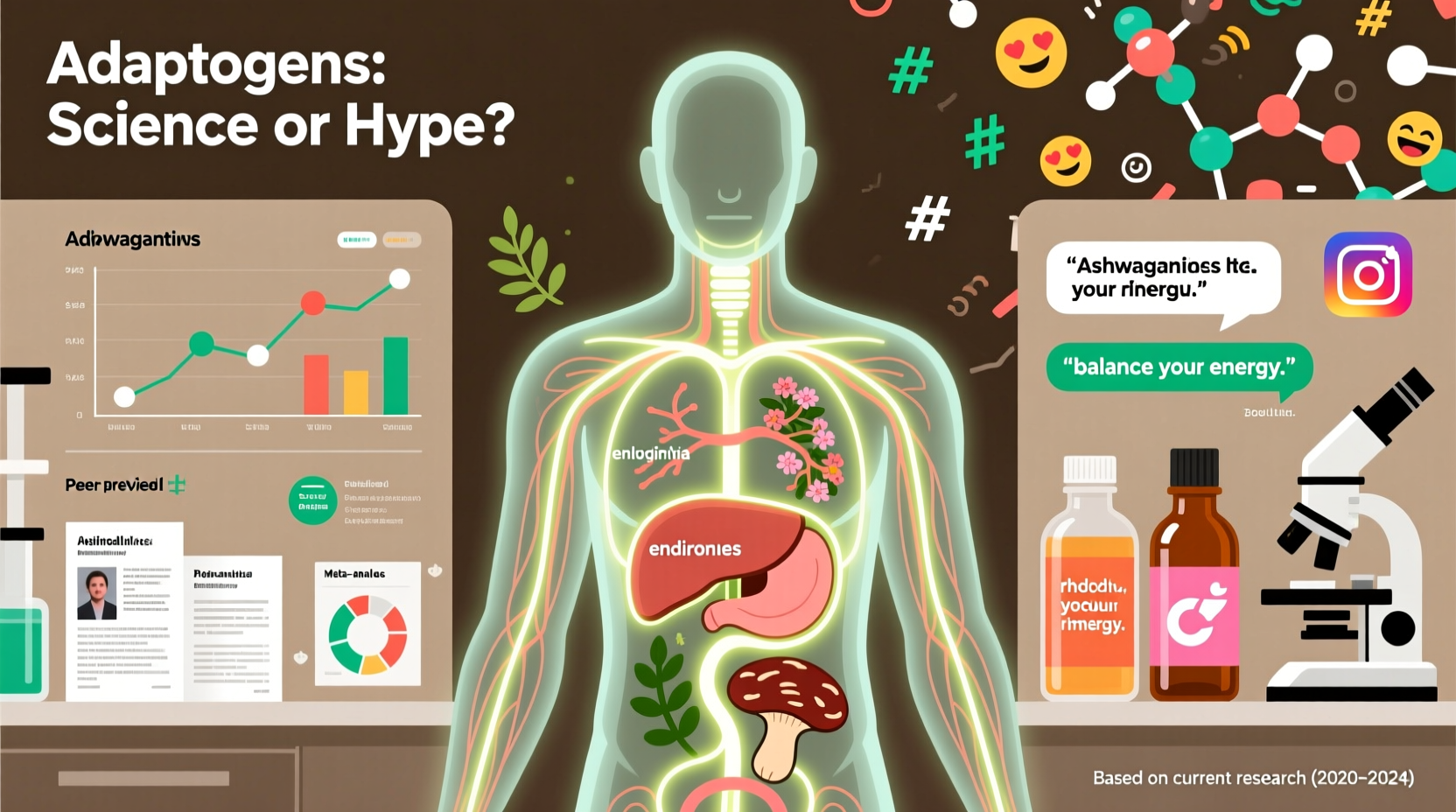
The term “adaptogen” was coined in the 1940s by Russian scientist Nikolai Lazarev. He defined adaptogens as natural substances that increase the body’s resistance to stress, fatigue, and trauma while causing minimal disruption to normal physiological function. To qualify as an adaptogen, a substance must meet three key criteria:
- Non-specific action: It helps the body resist a wide range of stressors—physical, chemical, or biological.
- Normalizing effect: It helps return the body to homeostasis, regardless of the direction of imbalance (e.g., calming if overstimulated, energizing if fatigued).
- Safety: It should be non-toxic and cause no significant side effects when used appropriately.
These compounds primarily influence the hypothalamic-pituitary-adrenal (HPA) axis—the body’s central stress response system. By modulating cortisol levels and supporting adrenal function, adaptogens aim to smooth out the peaks and valleys of stress reactivity.
“Adaptogens don’t eliminate stress—they help the body manage it more efficiently.” — Dr. Emily Tan, Integrative Neuroendocrinologist
The Science Behind Key Adaptogens
Not all adaptogens are created equal. While many plants are labeled as such in marketing materials, only a handful meet the rigorous scientific definition. Below is an overview of the most studied adaptogens and their evidence base.
| Adaptogen | Primary Benefits | Scientific Support Level | Common Forms |
|---|---|---|---|
| Rhodiola rosea | Reduces fatigue, improves mental performance under stress | Strong (multiple RCTs) | Capsules, tinctures, teas |
| Ashwagandha (Withania somnifera) | Lowers cortisol, improves sleep, reduces anxiety | Strong (clinical trials) | Powder, capsules, gummies |
| Eleuthero (Siberian ginseng) | Enhances endurance, immune support | Moderate (animal & limited human studies) | Tinctures, extracts |
| Reishi mushroom | Immune modulation, calming effect | Moderate (preclinical + emerging human data) | Coffee blends, powders |
| Maca root | Hormonal balance, energy | Weak to moderate (limited direct evidence for adaptogenic classification) | Powder, smoothie add-ins |
| Ginseng (Panax ginseng) | Cognitive enhancement, physical stamina | Strong (especially Asian varieties) | Teas, supplements |
Rhodiola, for example, has been shown in randomized controlled trials to reduce symptoms of burnout and improve attention during prolonged mental tasks. One 2012 study published in *Planta Medica* found that participants taking Rhodiola experienced significantly lower cortisol spikes during stressful cognitive tests compared to placebo.
Likewise, ashwagandha has demonstrated measurable reductions in serum cortisol levels. A 2019 meta-analysis in *Journal of Alternative and Complementary Medicine* concluded that ashwagandha supplementation led to a statistically significant decrease in stress and anxiety scores across multiple studies.
Tip: Look for standardized extracts (e.g., \"Rhodiola rosea 3% rosavins\") to ensure potency and consistency.Where the Hype Outpaces the Evidence
Despite promising results for select herbs, the wellness industry often stretches the adaptogen label far beyond its scientific boundaries. Many products now feature ingredients like maca, holy basil, or cordyceps—plants with potential health benefits but insufficient evidence to classify them definitively as adaptogens.
This overuse dilutes credibility and misleads consumers. Just because a plant grows in high altitudes or has traditional use doesn’t automatically make it an adaptogen. True classification requires clinical validation of the three core criteria mentioned earlier.
Moreover, supplement regulation remains weak in many countries. In the U.S., the FDA does not evaluate herbal supplements for efficacy before they hit shelves. As a result, product quality varies widely. Some brands may contain fillers, inaccurate dosing, or contaminants.
“The problem isn’t the concept of adaptogens—it’s the commercialization without accountability.” — Dr. Lena Cho, Pharmacognosy Researcher at McGill University
Real-World Use: A Case Study
Consider Sarah, a 34-year-old project manager working remotely across time zones. For months, she struggled with afternoon crashes, disrupted sleep, and constant low-grade anxiety. After consulting a functional medicine practitioner, she began taking a daily regimen of ashwagandha (300 mg standardized extract) and Rhodiola (200 mg) in the morning.
Over six weeks, Sarah noticed subtle but meaningful shifts: improved focus during back-to-back meetings, less reactive stress response to urgent emails, and deeper sleep. Her cortisol levels, measured via saliva test, dropped from consistently elevated to within normal diurnal rhythm.
Crucially, her protocol was part of a broader strategy: consistent sleep hygiene, regular movement, and mindfulness practice. The adaptogens weren’t a standalone fix—they acted as a buffer, giving her nervous system more resilience while she worked on lifestyle changes.
This reflects how adaptogens work best—not as miracle cures, but as supportive tools within a holistic framework.
How to Use Adaptogens Wisely: A Step-by-Step Guide
If you're considering trying adaptogens, follow this evidence-based approach to maximize safety and effectiveness.
- Assess your stress profile: Are you experiencing fatigue, anxiety, insomnia, or brain fog? Different adaptogens target different imbalances.
- Choose one herb at a time: Start with a well-researched option like ashwagandha (for anxiety/sleep) or Rhodiola (for mental fatigue).
- Select a reputable brand: Look for third-party testing (USP, NSF, or ConsumerLab), clear labeling of species and concentration.
- Dose strategically: Most studies use 200–500 mg daily, typically taken in the morning or early afternoon. Avoid late-day dosing with stimulating types like Rhodiola.
- Monitor for 4–6 weeks: Track mood, energy, sleep, and any side effects. Keep a simple journal.
- Take breaks: Cycle usage—e.g., 6 weeks on, 2 weeks off—to prevent tolerance or hormonal feedback issues.
- Consult a healthcare provider: Especially important if you’re pregnant, on medication (e.g., thyroid, antidepressants), or managing a chronic condition.
Checklist: Choosing a Legitimate Adaptogen Product
- ✅ Contains a scientifically recognized adaptogen (e.g., Rhodiola, Ashwagandha, Eleuthero)
- ✅ Lists the botanical name (e.g., Withania somnifera, not just “ashwagandha root”)
- ✅ Specifies active compound concentration (e.g., “standardized to 5% withanolides”)
- ✅ Provides third-party lab testing results (available online or upon request)
- ✅ Manufactured in a GMP-certified facility
- ✅ Free from unnecessary additives, fillers, or allergens
- ✅ Transparent about sourcing and sustainability practices
Frequently Asked Questions
Can adaptogens replace antidepressants or anti-anxiety medications?
No. While some adaptogens may support mood and stress regulation, they are not substitutes for prescribed psychiatric treatment. Always consult your doctor before making changes to medication.
Are adaptogens safe for long-term use?
For well-studied adaptogens like ashwagandha and Rhodiola, short- to medium-term use (up to 3 months) appears safe for most people. Long-term safety data is limited, so cycling is recommended. Certain populations—such as those with autoimmune conditions or hormone-sensitive cancers—should exercise caution.
Do adaptogens work immediately?
Generally, no. Most clinical effects emerge after 2–6 weeks of consistent use. Acute effects are rare, though some report mild alertness or calm within hours. Patience and consistency are key.
Conclusion: Beyond the Buzzword
Adaptogens are neither miracle tonics nor meaningless marketing ploys. They represent a bridge between traditional herbal medicine and modern neuroscience—a class of botanicals that, when used thoughtfully, can support the body’s ability to adapt to stress. The strongest candidates, like Rhodiola and ashwagandha, have legitimate clinical backing. Others ride the coattails of the trend without sufficient proof.
Their true value emerges not in isolation, but as part of a comprehensive approach to well-being: adequate sleep, balanced nutrition, emotional support, and mindful living. When chosen wisely and used intentionally, adaptogens can be a valuable tool in building resilience.
🚀 Ready to explore adaptogens with clarity and confidence? Start by researching one well-supported herb, source a high-quality product, and track your experience over time. Share your journey in the comments—your insights could help others navigate the noise and find what truly works.








