
Many people report constantly feeling too warm—even in cool environments or during mild weather. If you’re frequently reaching for fans, wearing light clothing indoors, or waking up drenched in sweat, you’re not imagining things. Persistent heat sensitivity can stem from a mix of physiological, environmental, and medical factors. Understanding why your body struggles to regulate temperature is the first step toward finding relief.
Common Physiological Causes of Overheating
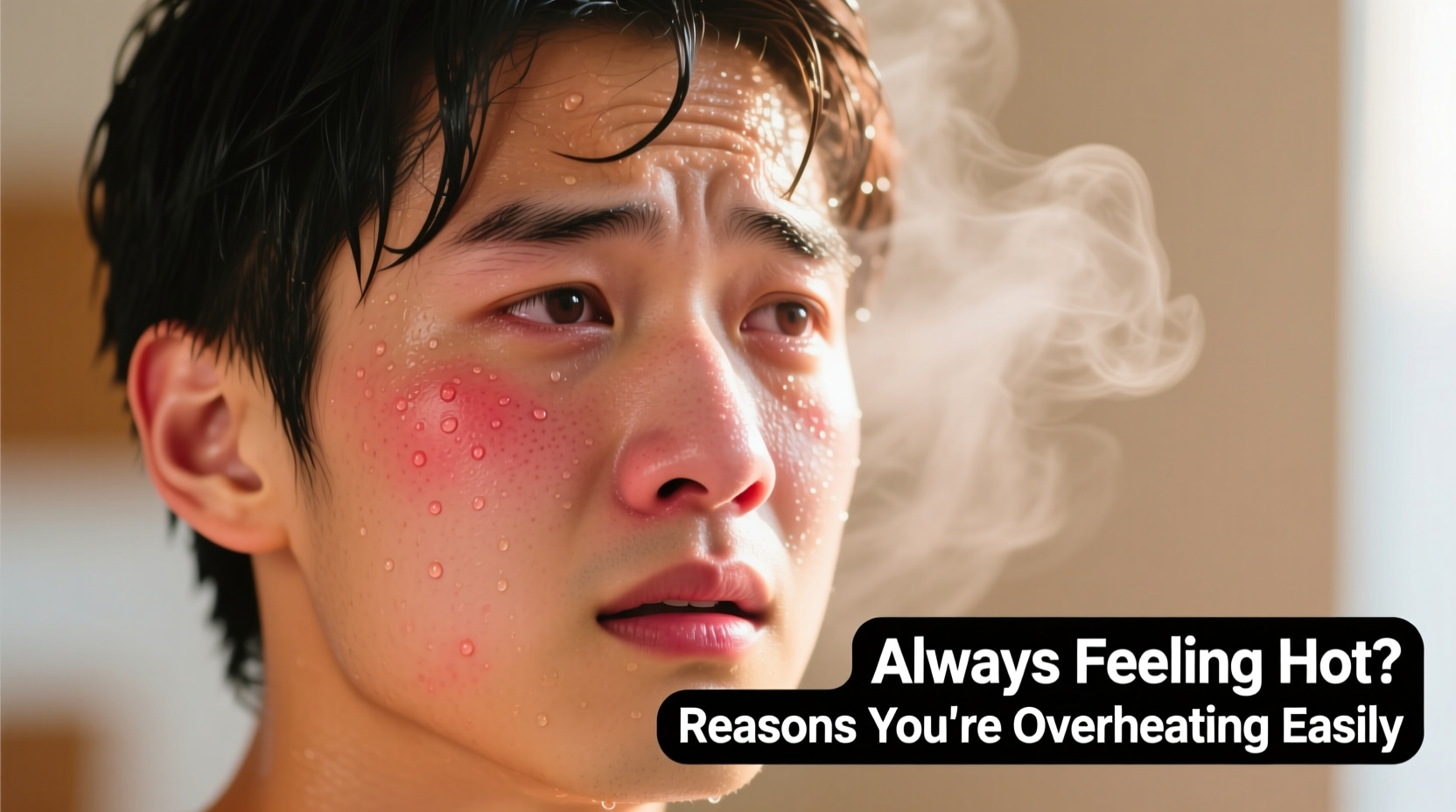
The human body maintains a core temperature of around 98.6°F (37°C) through a delicate balance of heat production and dissipation. When this system falters, overheating occurs. Some internal factors are entirely natural but still impactful.
- Hormonal fluctuations: Women often experience increased heat sensitivity during menstruation, pregnancy, or menopause due to shifts in estrogen and progesterone. Hot flashes are a hallmark symptom of perimenopause and menopause.
- Metabolism: Individuals with higher metabolic rates generate more internal heat. This is common in younger adults, athletes, or those with hyperthyroidism.
- Body composition: Higher muscle mass increases basal metabolic heat production. Overweight individuals may also retain more heat due to insulation from adipose tissue.
“Thermoregulation isn’t just about the environment—it’s deeply tied to hormones, metabolism, and even hydration status.” — Dr. Lena Torres, Endocrinologist at Boston Metabolic ClinicTip: Track your symptoms alongside your menstrual cycle or daily activity to identify hormonal or lifestyle patterns contributing to heat sensitivity.
Medical Conditions Linked to Constant Heat Sensitivity
Chronic overheating isn’t always benign. Several underlying health conditions disrupt the body’s ability to cool itself effectively.
Hyperthyroidism
An overactive thyroid gland speeds up metabolism, leading to excessive heat production, sweating, weight loss, and palpitations. Blood tests measuring TSH, T3, and T4 levels can confirm diagnosis.
Diabetes and Autonomic Neuropathy
Nerve damage from prolonged high blood sugar can impair sweat gland function. While some diabetics under-sweat, others experience erratic thermoregulation, including sudden hot spells.
Infections and Chronic Inflammation
Low-grade fevers from persistent infections (e.g., urinary tract, dental, or viral) can elevate baseline body temperature. Autoimmune disorders like lupus or rheumatoid arthritis may also cause chronic warmth without full-blown fever.
Neurological Disorders
Conditions affecting the hypothalamus—the brain’s thermostat—such as multiple sclerosis or Parkinson’s disease, can interfere with temperature regulation.
| Condition | Key Symptoms | Diagnostic Method |
|---|---|---|
| Hyperthyroidism | Sweating, weight loss, rapid heartbeat, anxiety | TSH and thyroid hormone blood tests |
| MENOPAUSE | Hot flashes, night sweats, mood changes | Clinical evaluation & hormone testing |
| Autonomic Dysfunction | Dizziness, temperature swings, digestive issues | Tilt table test, autonomic reflex screen |
Lifestyle and Environmental Triggers
Even without medical causes, everyday habits can make you feel excessively hot.
- Clothing choices: Synthetic fabrics trap heat and reduce breathability. Tight garments restrict airflow and increase localized body temperature.
- Indoor climate: Poor ventilation, high humidity, or excessive use of heating systems contribute to discomfort.
- Diet: Spicy foods, caffeine, and alcohol trigger vasodilation and sweating. High-protein diets increase thermogenesis during digestion.
- Medications: Antidepressants (especially SSRIs), antihistamines, beta-blockers, and stimulants can alter temperature perception or impair sweating.
Real-Life Example: Sarah’s Experience
Sarah, a 48-year-old teacher, began experiencing sudden waves of heat during class, accompanied by dizziness and fatigue. Initially dismissing it as stress, she later noticed her symptoms worsened after drinking coffee or eating spicy lunches. After consulting her doctor, she was diagnosed with perimenopause and mild hyperthyroidism. By adjusting her diet, switching medications, and using layered clothing, she regained control over her thermal comfort.
Step-by-Step Guide to Managing Heat Sensitivity
If you're always feeling hot, follow this structured approach to identify and address the root cause:
- Monitor your symptoms daily: Record when you feel hot, duration, triggers (food, time of day, activity), and associated symptoms (sweating, palpitations, etc.).
- Review medications: Consult your physician about whether any prescriptions could be contributing to heat intolerance.
- Assess your environment: Use a thermometer and hygrometer to check room temperature and humidity. Aim for 68–72°F (20–22°C) and 40–60% humidity.
- Adjust your wardrobe: Replace synthetic materials with breathable, light-colored fabrics. Consider cooling accessories like neck wraps or moisture-absorbing undershirts.
- Hydrate strategically: Drink water consistently throughout the day. Add electrolytes if sweating heavily. Avoid large amounts of caffeine or alcohol.
- Seek medical evaluation: If self-management doesn’t help, request blood work (thyroid panel, glucose, CBC) and discuss autonomic or hormonal screening.
Checklist: What to Do If You’re Always Feeling Hot
- ✅ Keep a symptom journal for two weeks
- ✅ Switch to natural, breathable clothing
- ✅ Reduce intake of spicy foods, caffeine, and alcohol
- ✅ Improve bedroom ventilation or use a fan at night
- ✅ Stay hydrated with water and electrolyte drinks
- ✅ Schedule a doctor’s visit if symptoms persist beyond three weeks
- ✅ Get thyroid and hormone levels tested
Frequently Asked Questions
Why do I feel hot but have no fever?
You can feel hot without an actual fever due to hormonal changes, anxiety, medication side effects, or dysregulation in the nervous system. Subjective heat sensation doesn’t always correlate with measured body temperature.
Can anxiety make me feel constantly hot?
Yes. Anxiety activates the sympathetic nervous system, triggering adrenaline release, increased heart rate, and vasodilation—all of which create a sensation of heat and sweating, even in cool settings.
Is it normal to feel hotter as I age?
While aging typically reduces metabolic rate, women undergoing menopause often report increased heat sensitivity due to hormonal shifts. Men may experience similar issues if testosterone levels drop or if they develop metabolic or cardiovascular conditions.
Conclusion: Take Control of Your Body Temperature
Feeling hot all the time isn’t something you have to accept. Whether it’s driven by hormones, health conditions, or lifestyle habits, identifying the cause empowers you to take meaningful action. Small adjustments—like changing your clothes, improving hydration, or reevaluating medications—can yield significant relief. But don’t hesitate to seek medical advice if symptoms persist or interfere with daily life. Your comfort matters, and solutions are within reach.
💬 Have you figured out why you're always feeling hot? Share your story or tips in the comments—your experience could help someone else find answers.








