Bloating is more than just an occasional discomfort after a heavy meal. For many, it’s a relentless, daily struggle that persists regardless of diet or lifestyle changes. If you're constantly asking, “Why am I always bloated?”—even when eating clean or fasting—you're not imagining things. Chronic bloating can stem from deeper physiological imbalances, functional disorders, or overlooked habits. Understanding the root causes is the first step toward lasting relief.
The Hidden Culprits Behind Persistent Bloating
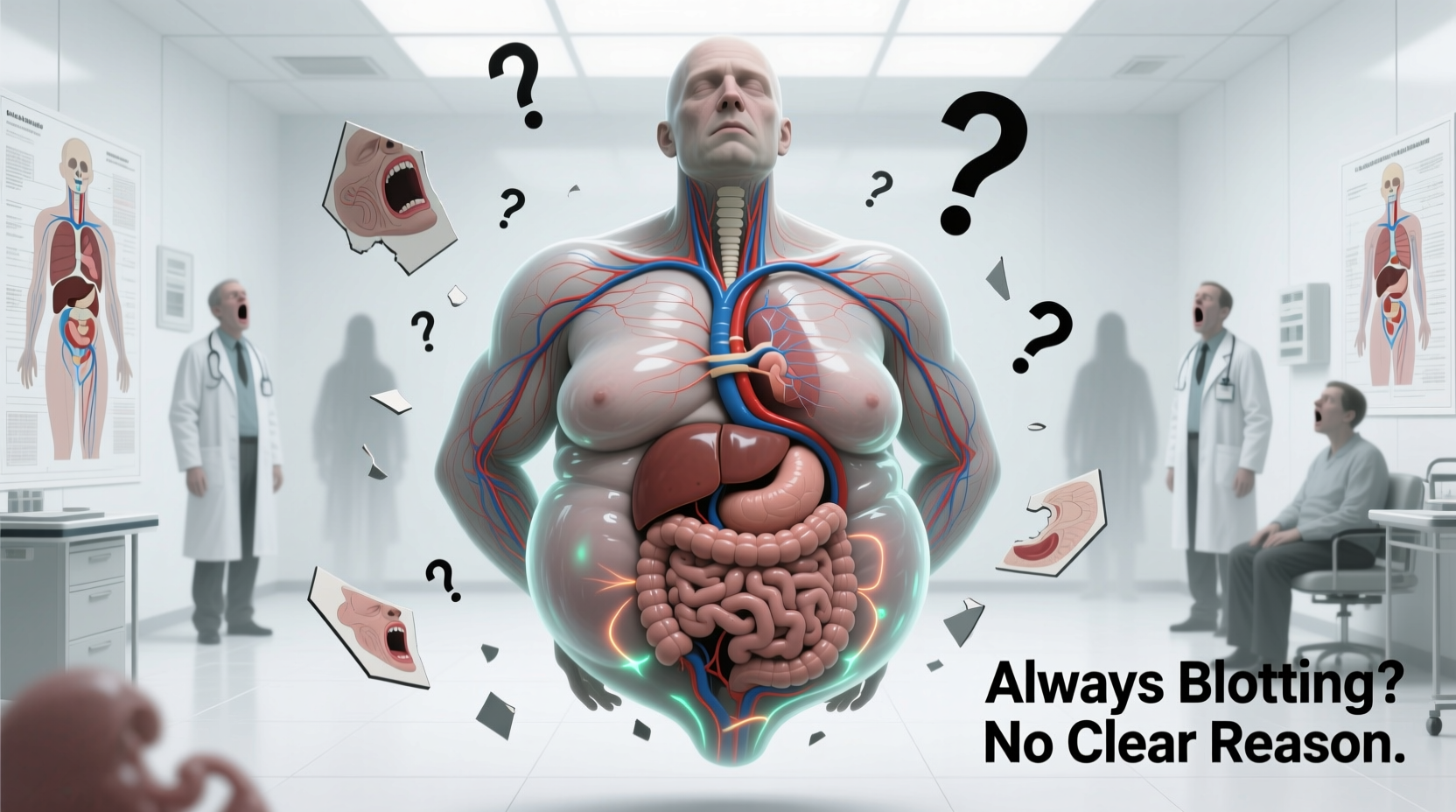
While most people associate bloating with overeating or gas-producing foods, long-term distension often points to systemic issues. These include gut motility problems, microbiome imbalance, food intolerances, and even neurological signaling between the brain and gut. Unlike temporary bloating, chronic bloating doesn’t resolve with simple dietary tweaks alone.
One major factor is **Small Intestinal Bacterial Overgrowth (SIBO)**, where bacteria normally found in the large intestine migrate to the small intestine, fermenting carbohydrates and producing excessive gas. This leads to consistent bloating, especially after meals containing fiber or sugars.
Another common but underdiagnosed cause is **visceral hypersensitivity**, a condition where the nerves in the gut are overly sensitive. Even normal amounts of gas or digestion trigger pain and a sensation of fullness. This is frequently seen in individuals with Irritable Bowel Syndrome (IBS).
Tip: Keep a detailed symptom diary tracking meals, stress levels, bowel movements, and bloating severity—it can reveal patterns invisible to standard elimination diets.Common Medical Conditions Linked to Constant Bloating
Several medical conditions mimic or directly cause persistent bloating. Recognizing these can prompt timely diagnosis and targeted treatment.
- Irritable Bowel Syndrome (IBS): Affects up to 15% of the global population. IBS-C (constipation-predominant) often presents with bloating due to slow transit and stool buildup.
- Food Intolerances: Lactose, fructose, and FODMAPs (fermentable oligo-, di-, monosaccharides and polyols) are poorly absorbed in some people, leading to fermentation and gas.
- Celiac Disease: An autoimmune reaction to gluten causing intestinal inflammation and bloating, among other symptoms.
- Gastroparesis: Delayed stomach emptying, often due to diabetes or nerve damage, results in food sitting too long and fermenting.
- Ovarian Issues: In women, ovarian cysts or early-stage ovarian cancer can present as persistent abdominal distension mistaken for digestive trouble.
“Chronic bloating isn’t normal—even if it’s common. When patients say they’re ‘used to it,’ we often find treatable conditions like SIBO or motility disorders.” — Dr. Lena Torres, Gastroenterologist at Cleveland Clinic Digestive Institute
Lifestyle and Dietary Triggers You Might Be Overlooking
Diet plays a complex role. While cutting out bread or dairy helps some, others continue to bloat because they’re missing subtle triggers.
| Trigger | How It Causes Bloating | Solutions |
|---|---|---|
| Carbonated drinks | Introduce excess air into the digestive tract | Switch to still water or herbal teas |
| Artificial sweeteners (sorbitol, xylitol) | Fermented by gut bacteria, producing gas | Avoid sugar-free gum and diet products |
| Eating too fast | Swallowing air (aerophagia) | Chew slowly, avoid talking while eating |
| High-FODMAP foods | Rapidly fermented in the colon | Try a low-FODMAP diet under guidance |
| Stress and anxiety | Disrupt gut-brain axis and motility | Mindfulness, breathing exercises, therapy |
Real Example: Sarah’s Journey to Relief
Sarah, a 34-year-old teacher, followed a strict plant-based diet, avoided processed foods, and exercised regularly—yet she felt visibly bloated every afternoon. Doctors dismissed her concerns as “normal digestion.” After months of discomfort, she consulted a functional medicine specialist. Testing revealed SIBO and histamine intolerance. With a targeted antibiotic protocol, a low-histamine diet, and probiotics, her bloating resolved within 10 weeks. Her case highlights how conventional advice often misses underlying biochemical imbalances.
Step-by-Step Guide to Identifying Your Bloating Triggers
If bloating persists despite your best efforts, follow this structured approach:
- Track Symptoms Daily: Record food, mood, bowel movements, and bloating intensity on a scale of 1–10.
- Eliminate Common Irritants: Remove carbonation, artificial sweeteners, and high-FODMAP foods for two weeks.
- Try a Low-FODMAP Diet: Under dietitian supervision, eliminate fermentable carbs, then reintroduce them systematically.
- Get Tested: Request tests for celiac disease, lactose intolerance, and SIBO (via breath test).
- Assess Gut Motility: Discuss gastric emptying studies or colonic transit tests if constipation is present.
- Address Stress and Sleep: Incorporate relaxation techniques and aim for 7–8 hours of sleep nightly.
- Reintroduce Mindfully: Add back foods one at a time, watching for reactions.
Action Checklist: What to Do Next
Use this checklist to begin addressing chronic bloating effectively:
- ✅ Start a food and symptom journal for at least 14 days
- ✅ Eliminate carbonated beverages and sugar alcohols
- ✅ Schedule a visit with a gastroenterologist or registered dietitian
- ✅ Request blood tests for celiac markers and inflammation
- ✅ Consider a hydrogen/methane breath test for SIBO
- ✅ Practice mindful eating: chew thoroughly, eat slowly, minimize distractions
- ✅ Incorporate gentle movement like walking or yoga post-meals to stimulate digestion
Frequently Asked Questions
Can drinking more water reduce bloating?
Yes—paradoxically, dehydration can cause the body to retain fluid, worsening bloating. Drinking adequate water supports kidney function and reduces sodium retention. Aim for half your body weight in ounces daily (e.g., 75 oz for a 150-lb person).
Is it normal to be bloated every day?
No. While occasional bloating after large meals is common, daily or severe bloating is not normal and warrants investigation. Chronic bloating affects quality of life and may indicate an underlying condition needing treatment.
Why do I bloat even when I barely eat?
This can result from gastroparesis, visceral hypersensitivity, or dysmotility—where the gut moves too slowly or irregularly. Even small meals may sit too long, ferment, and trigger distension. Neurological factors and autonomic dysfunction (like POTS) can also contribute.
Conclusion: Take Control of Your Digestive Health
Constant bloating is not something you must accept as part of life. Whether it’s driven by bacterial imbalance, food sensitivities, motility disorders, or stress-related gut dysfunction, there are actionable steps to identify and resolve the cause. The key is persistence, precise tracking, and working with knowledgeable healthcare providers. Don’t settle for temporary fixes—aim for root-cause resolution.
💬 Your gut health matters. Share your experience in the comments—what helped you finally beat the bloat? Your story could guide someone else toward relief.








