For many people, a glass of wine after work or a cocktail at a social gathering feels like emotional shorthand: instant relief, lowered inhibition, softened edges. Yet the next morning—or even hours later—comes the familiar tightening in the chest, the restless thoughts, the sense of dread that wasn’t there before the first sip. This isn’t just “hangxiety.” It’s a predictable neurochemical rebound rooted in how alcohol interacts with the brain’s primary anxiety-regulation systems. Understanding this link isn’t about moralizing drinking—it’s about reclaiming agency over your nervous system and making choices aligned with long-term emotional stability.
How Alcohol Hijacks Your Brain’s Anxiety Circuitry
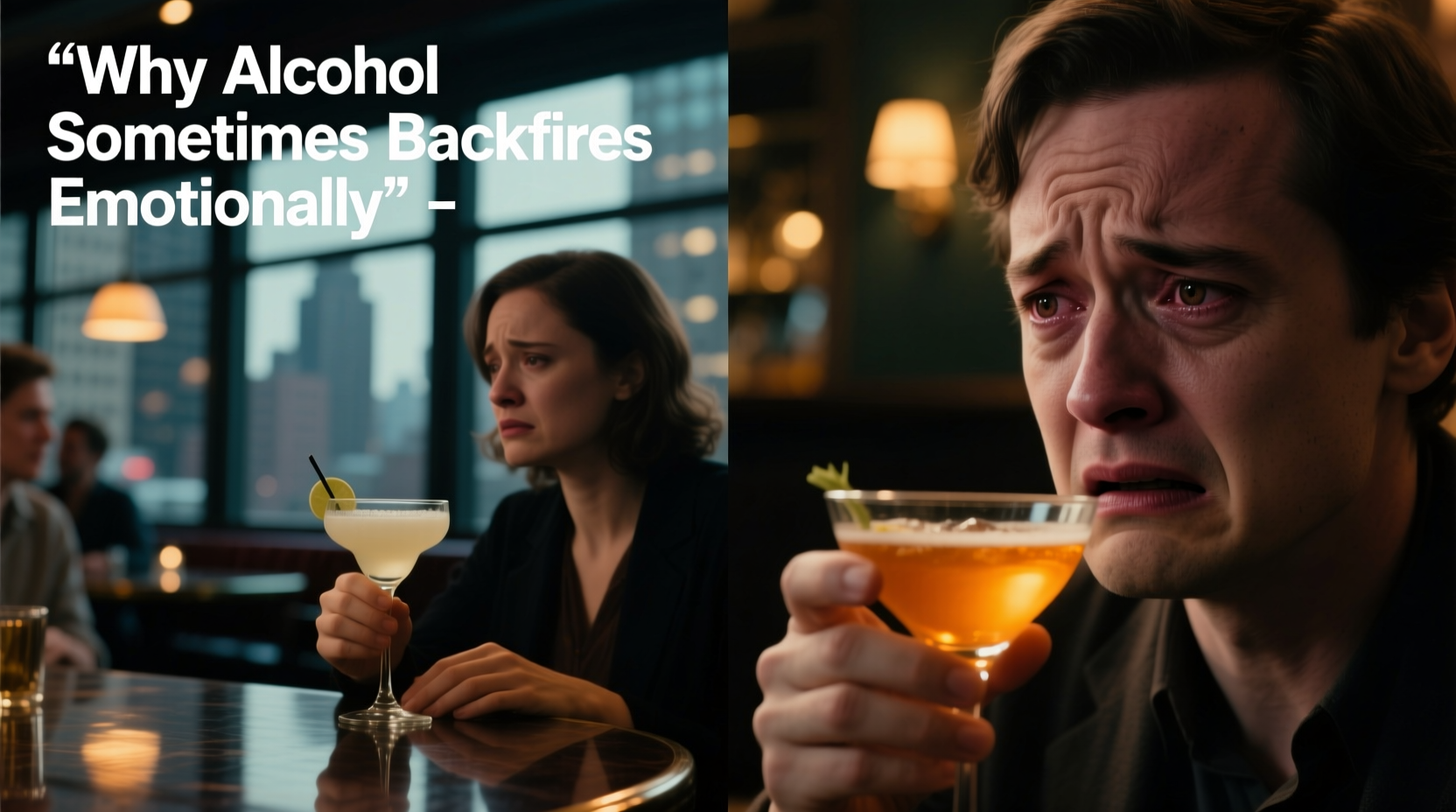
Alcohol doesn’t simply “calm you down.” It temporarily amplifies the effect of gamma-aminobutyric acid (GABA), the brain’s chief inhibitory neurotransmitter. GABA slows neural firing, producing sedation, muscle relaxation, and reduced vigilance—hence the initial sense of ease. At the same time, alcohol suppresses glutamate, the brain’s main excitatory neurotransmitter. This double action creates the illusion of relief.
But the brain adapts—quickly. Within minutes of consumption, it begins compensating: upregulating glutamate receptors and downregulating GABA receptor sensitivity. By the time blood alcohol concentration starts to fall—often as early as 90 minutes after your last drink—the brain is left in a state of relative hyperexcitability. GABA’s calming influence has waned, while glutamate activity surges. The result? Heightened heart rate, racing thoughts, irritability, and a sharp return—or even intensification—of baseline anxiety.
This neuroadaptive response explains why anxiety often peaks during the “withdrawal window”: 6–24 hours post-drinking, especially after moderate to heavy intake. It’s not psychological weakness. It’s physiology responding precisely as designed.
The Tolerance Trap: Why “Just One More” Deepens the Cycle
With repeated use, the brain’s adaptations become more pronounced and longer-lasting. What once required two drinks to feel relaxed now demands three—or four—to achieve the same effect. Simultaneously, the post-drink anxiety rebounds grow stronger and arrive sooner. This is functional tolerance: the nervous system recalibrates its baseline to accommodate alcohol as a regular feature, not an occasional visitor.
A 2023 longitudinal study published in Biological Psychiatry tracked 1,247 adults with mild-to-moderate anxiety over three years. Those who used alcohol ≥3 times weekly to manage stress were 2.7 times more likely to develop clinical anxiety disorders than those who used non-pharmacological coping strategies—even after controlling for genetics, trauma history, and socioeconomic factors. The researchers concluded that alcohol doesn’t merely mask anxiety; it actively remodels limbic circuitry, reducing the brain’s intrinsic capacity to self-regulate threat responses.
Tip: Track your anxiety levels on a 1–10 scale one hour before drinking, at peak effect, and again 8–12 hours later for three consecutive drinking occasions. Patterns will reveal whether alcohol truly lowers your baseline—or only delays and amplifies it.Real-Life Rebound: A Case Study in Timing and Triggers
Sarah, 32, worked in high-stakes client relations. For two years, she’d relied on two glasses of pinot noir most evenings to “unwind” from chronic work stress. She noticed her morning anxiety had steadily worsened—especially on days following wine—and attributed it to workload. When she began logging symptoms, she discovered a consistent pattern: calm at 8 p.m., mild restlessness by 10:30 p.m., then full-blown anticipatory anxiety between 3–5 a.m., often waking her with a sense of impending failure. Her therapist helped her recognize this wasn’t insomnia—it was GABA withdrawal coinciding with the body’s natural cortisol surge at dawn.
Sarah didn’t quit alcohol abruptly. Instead, she implemented a 3-week experiment: replacing wine with tart cherry juice (rich in natural melatonin and magnesium) and adding 10 minutes of diaphragmatic breathing before bed. By week two, her 4 a.m. anxiety episodes dropped from five to one per week. By week three, they vanished. Crucially, her daytime anxiety also decreased—suggesting her nervous system was regaining regulatory capacity without chemical crutches.
Evidence-Based Strategies to Break the Backfire Cycle
Breaking the alcohol-anxiety loop requires targeting both biology and behavior—not willpower alone. These steps are grounded in clinical research on neuroplasticity, harm reduction, and anxiety management:
- Stabilize blood sugar overnight: Consume a small protein-and-fat snack (e.g., ¼ avocado + 5 almonds) 30–60 minutes before bed if drinking. Hypoglycemia during sleep exacerbates noradrenergic rebound, worsening nocturnal anxiety.
- Hydrate with electrolytes—not just water: Alcohol depletes magnesium, potassium, and zinc—nutrients essential for GABA synthesis and neuronal stability. Add a pinch of high-quality sea salt and ½ tsp lemon juice to your bedtime water.
- Delay your first drink by 90 minutes post-dinner: This allows natural evening cortisol decline to begin, reducing the likelihood of alcohol disrupting circadian neurochemistry.
- Cap intake at one standard drink for women, two for men—and never on consecutive nights: The WHO defines “low-risk” drinking as ≤100g ethanol/week (≈7 standard drinks). Exceeding this threshold consistently correlates with measurable GABA receptor downregulation in fMRI studies.
- Practice “sober curiosity” for 10 days: Not as abstinence, but as data collection. Note changes in sleep architecture, morning mood clarity, and reactivity to minor stressors. Most people observe measurable shifts in autonomic regulation within 72 hours.
What to Do vs. What to Avoid: A Practical Decision Matrix
| Situation | Do | Don’t |
|---|---|---|
| Feeling socially anxious before an event | Arrive early to acclimate; use grounding (name 5 things you see, 4 you feel, 3 you hear); bring a non-alcoholic signature drink | Drink “to take the edge off” right before entering—this primes acute rebound during interaction |
| Experiencing nighttime anxiety | Try 200mg magnesium glycinate + 10 minutes of box breathing (4-in, 4-hold, 6-out) | Reach for wine “to help me sleep”—alcohol fragments REM sleep and deepens anxiety memory consolidation |
| After a stressful day | Cold shower (90 seconds), brisk walk outside, or 5 minutes of progressive muscle relaxation | Use alcohol as the default transition ritual—this reinforces neural pathways linking stress → chemical relief |
| Noticing increased anxiety post-drinking | Pause drinking for 14 days; track daily anxiety, sleep quality, and energy using a simple journal | Dismiss it as “just a bad night” or increase intake to “get the same effect” |
Expert Insight: Beyond Symptom Management
“The biggest misconception is that alcohol ‘causes’ anxiety. It doesn’t—it reveals it. When you remove the temporary suppression, what surfaces isn’t new anxiety; it’s the underlying dysregulation that was being masked. Treating the symptom with more alcohol is like turning up the volume to drown out a fire alarm. The solution isn’t louder noise—it’s addressing the fire.”
— Dr. Lena Torres, Neuropharmacologist and Director of the Center for Substance-Related Mood Disorders, Stanford School of Medicine
Dr. Torres’ distinction is critical. Many people interpret post-drink anxiety as evidence they “can’t handle alcohol,” when in fact it’s evidence their nervous system is functioning exactly as intended—attempting to restore balance after pharmacological interference. This reframing transforms shame into valuable biofeedback.
FAQ: Addressing Common Concerns
“I only drink wine with dinner—is that safe for my anxiety?”
Even low-dose, regular alcohol disrupts sleep architecture, particularly REM and slow-wave sleep—stages essential for emotional memory processing and fear extinction. A 2022 study in Sleep found that consuming one standard drink nightly reduced REM sleep by 22% over six weeks, correlating with heightened amygdala reactivity to threat cues the following day. Consistency matters more than quantity when it comes to neuroadaptation.
“Will my anxiety get worse if I stop drinking?”
Temporary intensification—known as “rebound anxiety”—is common in the first 3–7 days of abstinence, especially for regular users. This reflects the nervous system recalibrating without alcohol’s artificial dampening. However, research shows anxiety symptoms typically drop below pre-drinking baselines by day 14–21 as GABA receptors resensitize and glutamate homeostasis restores. Supportive strategies (consistent sleep, aerobic exercise, breathwork) significantly shorten this window.
“What’s the difference between hangxiety and clinical anxiety disorder?”
Hangxiety is time-limited, dose-dependent, and resolves fully with abstinence. Clinical anxiety involves persistent symptoms (excessive worry, physical tension, avoidance) occurring on most days for six months or more, independent of substance use—and often worsens with alcohol. If anxiety persists beyond 3–4 weeks of complete abstinence, consult a mental health professional trained in integrated treatment. Co-occurring conditions require coordinated care, not either/or solutions.
Building Sustainable Emotional Resilience
The goal isn’t perfection—it’s precision. Every time you choose breath over beverage, protein over pinot, or pause over pour, you strengthen neural pathways that support self-trust and somatic awareness. You’re not depriving yourself; you’re investing in a nervous system that can meet life’s uncertainties without outsourcing calm to a depressant.
Start small, but start true. Choose one strategy from this article—not to eliminate alcohol forever, but to gather honest data about how it serves (or sabotages) your emotional ecosystem. Notice how your body responds when you let anxiety arise without immediate chemical intervention. Observe the space that opens when you stop treating discomfort as an emergency requiring suppression.
Your capacity for calm isn’t broken. It’s been temporarily outsourced. Reclaiming it begins not with grand declarations, but with quiet, consistent choices—made one evening, one breath, one drink at a time.
💬 Your experience matters. Have you noticed patterns between alcohol and your anxiety? What small change shifted something for you? Share your insight in the comments—your story could be the exact lifeline someone else needs right now.