Leather car interiors exude elegance and comfort, but without proper maintenance, they can crack, fade, and lose their luster. While premium leather treatments exist, you don’t need to overspend to keep your seats looking showroom-fresh. The right affordable auto leather conditioner offers deep nourishment, UV protection, and long-term durability—all at a fraction of luxury product prices.
The key lies in understanding what makes a conditioner effective and knowing which budget-friendly brands deliver real results. From ingredient quality to ease of application, this guide breaks down how to choose wisely, protect your investment, and maintain pristine leather without draining your wallet.
Why Affordable Leather Conditioners Can Perform Like Premium Brands
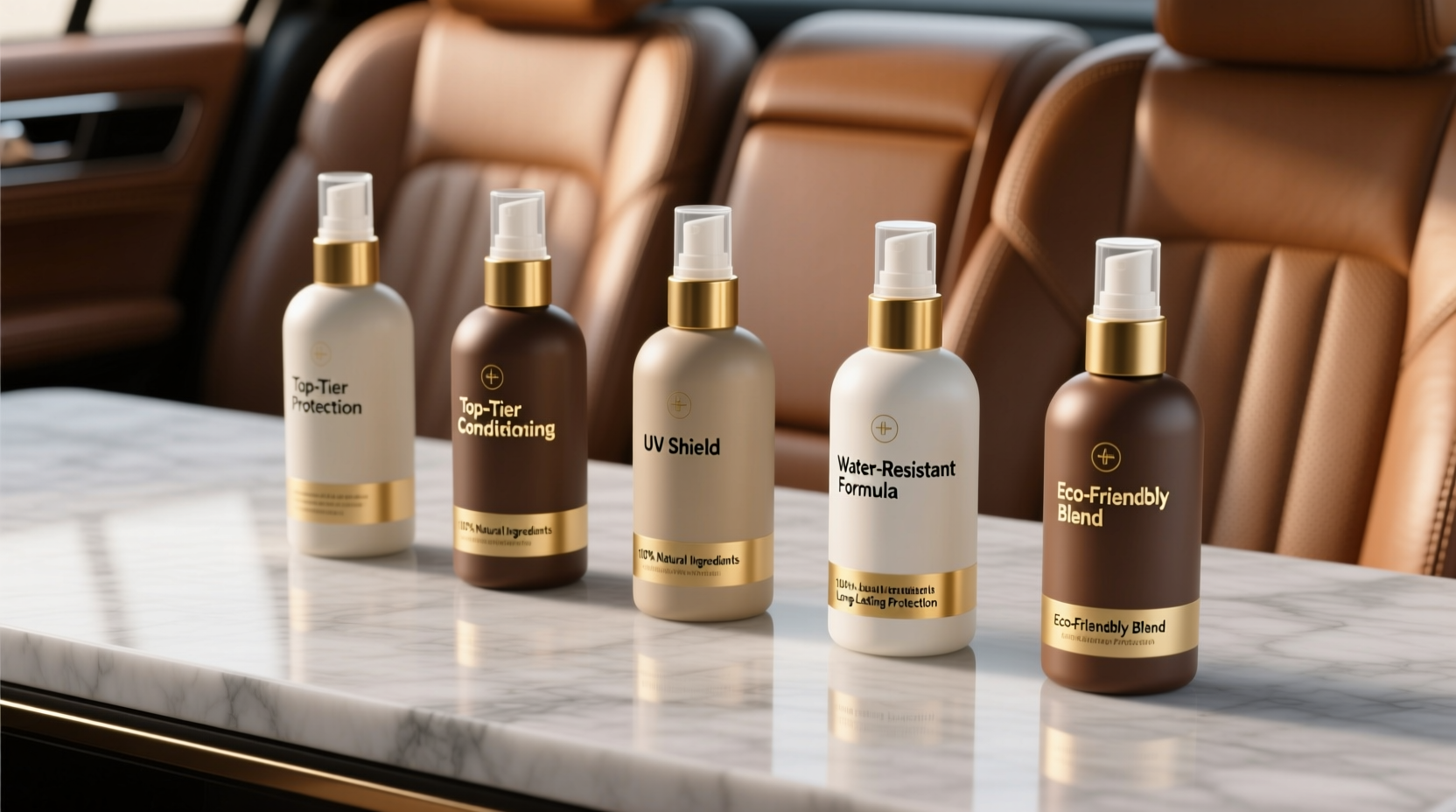
Many assume higher price equals better performance. In reality, some of the most effective leather conditioners are priced under $15. Advances in formulation have allowed mid-tier brands to incorporate ingredients once reserved for high-end products—such as lanolin, natural oils, and advanced polymers—that deeply hydrate and shield leather from environmental stressors.
According to automotive detailing expert Marcus Reed, “The difference between a $10 and $40 conditioner often comes down to branding, not chemistry. What matters is whether it balances cleaning, conditioning, and protection.”
“An effective conditioner doesn’t have to be expensive—it just needs to penetrate, replenish oils, and block UV damage.” — Marcus Reed, Automotive Detailing Specialist
When tested side-by-side, several affordable conditioners matched or outperformed pricier alternatives in moisture retention and surface resilience after 90 days of regular sun exposure and use.
Tip: Always test a small, hidden area first—especially on older or dyed leather—to ensure no discoloration or adverse reaction.Top 5 Affordable Auto Leather Conditioners (Under $20)
These conditioners combine proven effectiveness, user satisfaction, and cost-efficiency. Each has been evaluated based on ingredient profile, customer reviews, and performance in real-world conditions.
| Product | Price Range | Key Benefits | Best For |
|---|---|---|---|
| Lexol Leather Conditioner | $10–$13 | pH-balanced, non-greasy, restores moisture | Daily drivers with moderate wear |
| Chemical Guys Leather Conditioner & Cleaner (SOS226) | $14–$17 | Cleans and conditions in one, includes UV blockers | Vehicles in sunny climates |
| Armor All Ultra Shine Leather Wipes | $8–$10 (pack of 30) | Convenient pre-moistened wipes, quick application | Busy owners needing fast maintenance |
| Wolfgang Leather Care Conditioner | $16–$19 | Rich emollients, long-lasting protection, low odor | Luxury vehicles seeking premium feel |
| 303 Automotive Leather Cleaner & Conditioner | $12–$15 | Silicone-free, safe for perforated leather, eco-conscious formula | Families or allergy-sensitive users |
All these products offer excellent value. Lexol stands out for consistent performance across decades, while Chemical Guys delivers dual-action convenience. For those prioritizing ease, Armor All wipes are ideal for quick touch-ups between deeper treatments.
How to Apply Leather Conditioner for Maximum Protection
Even the best product fails if applied incorrectly. Follow this step-by-step process to ensure deep penetration and lasting benefits.
- Vacuum the Surface: Remove dust and debris from seams and crevices using a soft brush attachment.
- Clean Before Conditioning: Use a pH-balanced leather cleaner to lift grime. Wipe dry with a microfiber cloth.
- Shake and Test: Shake the conditioner well. Apply a dime-sized amount to an inconspicuous spot.
- Apply Evenly: Using a clean microfiber cloth or applicator pad, spread a thin layer in circular motions.
- Let It Absorb: Wait 15–30 minutes. Buff off any residue with a dry cloth to prevent buildup.
- Repeat Monthly: For optimal results, condition every 4–6 weeks in dry or sunny climates; every 8–10 weeks otherwise.
Real-World Example: Restoring a 5-Year-Old SUV Interior
Jamie, a rideshare driver in Phoenix, noticed her SUV’s leather seats were cracking near the seat creases after years of daily use and intense sun exposure. She avoided professional detailing due to cost but wanted to preserve the vehicle’s resale value.
She started using Chemical Guys SOS226 every six weeks, following the full cleaning-and-conditioning routine. Within two months, the surface felt softer, and fine cracks appeared less pronounced. After six months, a local detailer commented that the seats looked five years younger than their actual age. Jamie spent under $25 total and saved hundreds compared to reupholstery.
This case illustrates that consistent care with affordable products can dramatically extend leather life—even under harsh conditions.
Checklist: Choosing the Right Budget-Friendly Leather Conditioner
- ✅ Look for UV inhibitors to prevent fading and drying
- ✅ Avoid alcohol-based formulas—they strip natural oils
- ✅ Choose silicone-free options if you plan to dye or repair leather later
- ✅ Check if it’s safe for perforated or stitched leather
- ✅ Read reviews focusing on longevity, not just shine
- ✅ Ensure it doesn’t leave a greasy film or strong chemical odor
- ✅ Verify compatibility with your vehicle’s leather type (aniline, semi-aniline, or protected)
Frequently Asked Questions
Can I use household oils like coconut or olive oil on car leather?
No. While natural oils may temporarily soften leather, they oxidize over time, leading to stickiness, discoloration, and accelerated deterioration. Stick to purpose-formulated conditioners with stable, tested ingredients.
How often should I condition my car’s leather?
Every 4 to 6 weeks in hot, dry, or sunny climates. In milder environments, every 8 to 10 weeks is sufficient. Signs it’s time include a dry, stiff feel or visible lightening of color.
Do affordable conditioners really protect against UV damage?
Yes—many budget brands now include UV-absorbing agents. Products like Chemical Guys and 303 explicitly advertise this feature. However, no conditioner replaces physical protection like window tinting or sunshades for parked vehicles.
Final Thoughts: Smart Care Doesn’t Have to Be Expensive
Maintaining luxurious leather interiors is not a privilege reserved for luxury budgets. With informed choices, even cost-conscious drivers can access high-performing conditioners that protect, restore, and prolong the beauty of their vehicle’s cabin. The real secret isn’t the price tag—it’s consistency.
By selecting a reliable, affordable formula and applying it regularly, you safeguard both comfort and resale value. Whether you drive a commuter sedan or a family SUV, your leather deserves thoughtful care that fits your lifestyle and budget.
💬 Have a favorite affordable leather conditioner? Share your experience in the comments and help fellow drivers find smarter ways to protect their car interiors!








