
Apple cider vinegar (ACV) has long been celebrated not only for its potential health benefits but also for its bright, tangy flavor that transforms simple salads into vibrant meals. When used in dressings, it adds depth and complexity at a fraction of the cost of premium bottled alternatives. The good news? You don’t need to spend a lot to enjoy a high-quality, stylish ACV dressing—whether you're making it at home or choosing a ready-made option. From pantry-staple recipes to underrated grocery store finds, this guide explores how to get the most flavor, flair, and value from your vinaigrette.
The Appeal of Apple Cider Vinegar Dressing
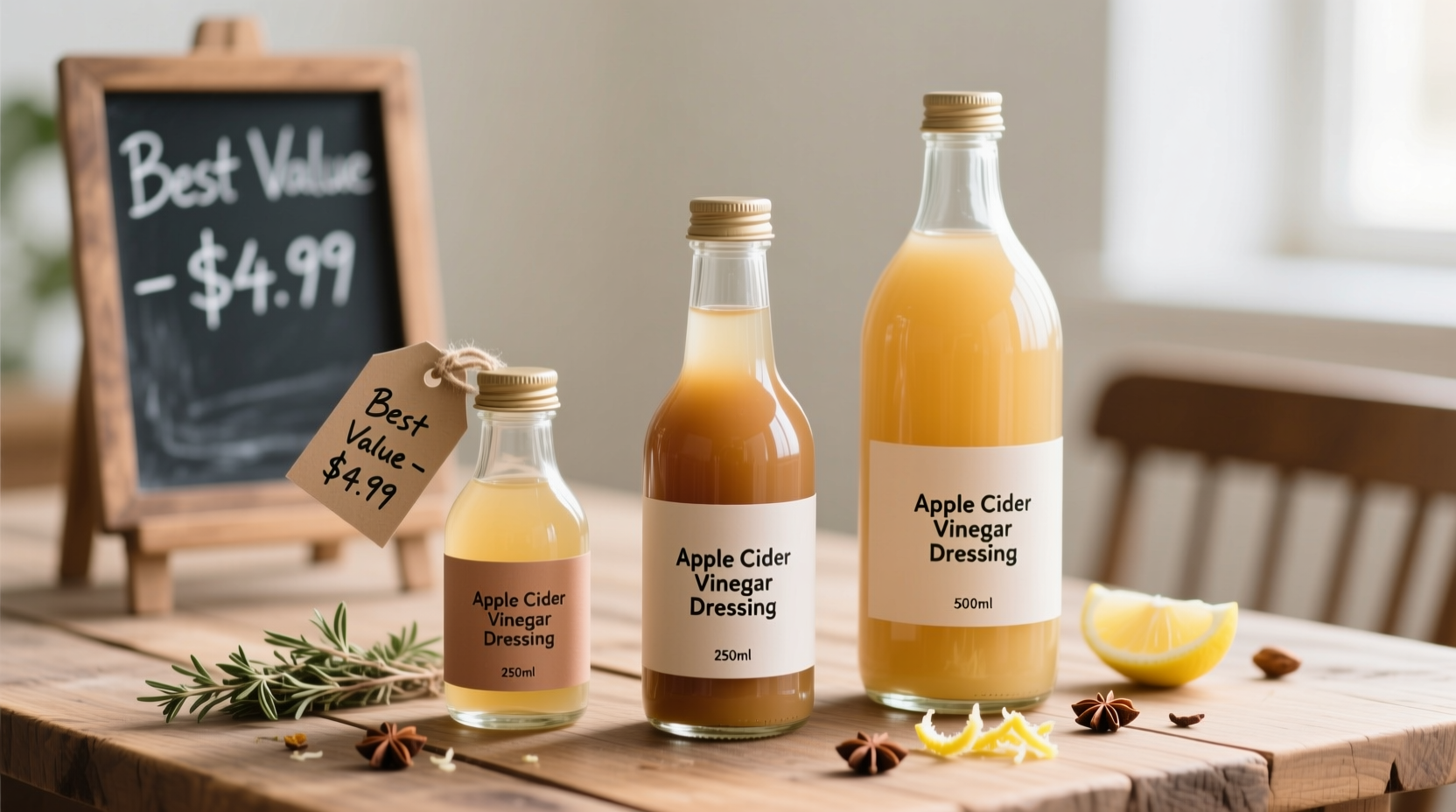
What makes apple cider vinegar such a staple in salad dressings? Its mild acidity balances well with oils, sweeteners, and herbs, creating a harmonious base that complements everything from kale to butter lettuce. Unlike harsher vinegars, ACV brings a subtle fruity undertone that enhances rather than overpowers fresh ingredients.
Beyond taste, many appreciate ACV for its association with digestive support and blood sugar regulation. While scientific consensus remains cautious, anecdotal evidence and preliminary studies suggest moderate consumption may offer metabolic benefits—especially when unfiltered and raw, containing the \"mother,\" a cloudy sediment rich in enzymes and probiotics.
Stylish doesn’t have to mean expensive. A well-balanced dressing made with quality olive oil, Dijon mustard, and a touch of honey can look and taste gourmet, even if every ingredient came from your local supermarket.
Tip: Always shake or whisk your dressing just before use—especially homemade versions—to re-emulsify separated ingredients.DIY: Crafting Your Own Affordable & Stylish Dressing
Making your own apple cider vinegar dressing is one of the easiest ways to save money while customizing flavor. A basic vinaigrette follows a 3:1 ratio—three parts oil to one part vinegar. From there, enhancements like garlic, herbs, or maple syrup allow personalization.
Classic Homemade ACV Vinaigrette Recipe
- Combine ¾ cup extra virgin olive oil
- Add ¼ cup raw, unfiltered apple cider vinegar
- Mix in 1 teaspoon Dijon mustard (adds creaminess and helps emulsify)
- Sweeten with 1–2 teaspoons of honey or pure maple syrup
- Season with ½ teaspoon sea salt and freshly ground black pepper to taste
- Optional: Add 1 minced garlic clove or ½ teaspoon dried oregano
Whisk vigorously or shake in a sealed jar until smooth. Store in the refrigerator for up to two weeks. Let it come to room temperature before serving for optimal texture and aroma.
This recipe costs less than $0.25 per batch when using mid-range ingredients, making it far more economical than most bottled dressings.
“Homemade dressings give you control over ingredients and sodium levels—plus, they taste fresher and brighter.” — Rachel Nguyen, Registered Dietitian and Culinary Nutritionist
Top Store-Bought Options Under $5
For those short on time, several store-bought apple cider vinegar dressings deliver both flavor and value. Here’s a comparison of reliable, widely available brands:
| Brand | Price Range | Key Features | Where to Find |
|---|---|---|---|
| Priest’s Natural Foods Organic ACV Ranch | $3.99–$4.49 | Organic, no artificial preservatives, creamy yet light | Walmart, Amazon, regional grocers |
| Kozy Shack Apple Cider Vinaigrette | $3.79–$4.29 | Bold tang, includes onion and garlic, non-GMO | Kroger, Safeway, Stop & Shop |
| Good American Kitchen Classic Vinaigrette | $4.19–$4.69 | Found exclusively at Aldi; balanced sweetness and acidity | Aldi supermarkets |
| Brigg’s Apple Cider Dressing | $3.99 (gallon jug option) | Extreme value for bulk users; family-run brand | Midwest grocery chains, online |
Look for options labeled “raw” or “with the mother” if you want potential probiotic benefits. Avoid brands listing high fructose corn syrup or hydrogenated oils near the top of the ingredient list.
How to Elevate Any ACV Dressing on a Budget
Even the simplest dressing can feel luxurious with small upgrades. These tricks require minimal investment but significantly boost visual appeal and taste:
- Add citrus zest: A pinch of lemon or orange zest brightens flavor and gives a restaurant-style finish.
- Incorporate fresh herbs: Chopped parsley, dill, or basil add color and freshness. Grow them in small pots indoors to keep costs low.
- Use infused oils: Garlic- or herb-infused olive oil elevates plain dressings without requiring complex prep.
- Drizzle artistically: Instead of tossing salad in a bowl, plate greens first and swirl dressing on top with a spoon for a bistro-inspired presentation.
Mini Case Study: Revamping a Weeknight Dinner Routine
Jamie, a teacher from Columbus, Ohio, used to rely on packaged ranch dressing for quick side salads. After learning about added sugars and preservatives, she decided to experiment with homemade ACV dressing. Using a mason jar and ingredients already in her pantry—olive oil, ACV, mustard, and honey—she whipped up her first batch in under three minutes.
She started small: drizzling it over mixed greens with cherry tomatoes and cucumbers. Within a week, she began adding roasted sweet potatoes and chickpeas, turning her side dish into a satisfying meal. Her students noticed her increased energy, and she shared the recipe during a staff wellness lunch. Now, four colleagues bring their own jars to school filled with variations of her original mix.
Her total monthly spending on dressing dropped from $12 to under $3—and she says her salads finally taste “exciting instead of obligatory.”
Checklist: Building a Better ACV Dressing Experience
- Choose raw, unfiltered apple cider vinegar with the mother
- Pair with cold-pressed extra virgin olive oil for best flavor
- Include an emulsifier like Dijon mustard or tahini
- Balance acidity with natural sweeteners (honey, maple syrup)
- Store in a glass jar with a tight lid for easy shaking
- Label your container with the date to track freshness
- Experiment with one new ingredient per week (e.g., turmeric, shallots)
Frequently Asked Questions
Can I use apple cider vinegar dressing every day?
Yes, in moderation. Two to three tablespoons per day is generally safe and aligns with typical dietary patterns. However, excessive intake may erode tooth enamel due to acidity. Rinse your mouth with water after consuming or use a straw when drinking diluted ACV.
Why does my homemade dressing separate?
Separation is normal in natural dressings without stabilizers. Simply shake or whisk before each use. Adding a small amount of Dijon mustard or Greek yogurt helps stabilize the emulsion.
Is organic apple cider vinegar worth the extra cost?
If you prioritize pesticide-free ingredients and sustainable farming practices, yes. Both conventional and organic ACV contain acetic acid, the compound responsible for much of its tang and potential benefits. However, organic versions are less likely to include filtering agents or processing aids.
Final Thoughts: Style Meets Substance Without the Price Tag
Great apple cider vinegar dressing doesn’t require rare ingredients or designer labels. Whether you’re blending your own in a reused jam jar or selecting a smart off-the-shelf option, affordability and elegance go hand in hand. The real luxury lies in freshness, intention, and knowing exactly what you’re putting on your food.
With a few smart choices, anyone can serve a salad that feels thoughtful, vibrant, and delicious—without overspending. Start today: grab a bottle of raw ACV, mix up a batch, and rediscover how something so simple can transform everyday eating into a moment of joy.
💬 Have a favorite budget-friendly ACV dressing hack? Share your go-to recipe or brand in the comments and inspire others to eat well for less!








