
Vitamin D is essential for bone health, immune function, and mood regulation. Despite its importance, deficiency is widespread—especially in regions with limited sunlight or among people who spend most of their time indoors. The only way to know your status is through testing. Whether you choose a lab visit or an at-home kit, understanding your options empowers you to take control of your health. This guide breaks down the process, compares methods, and helps you make informed decisions about monitoring your vitamin D levels.
Why Testing Vitamin D Levels Matters
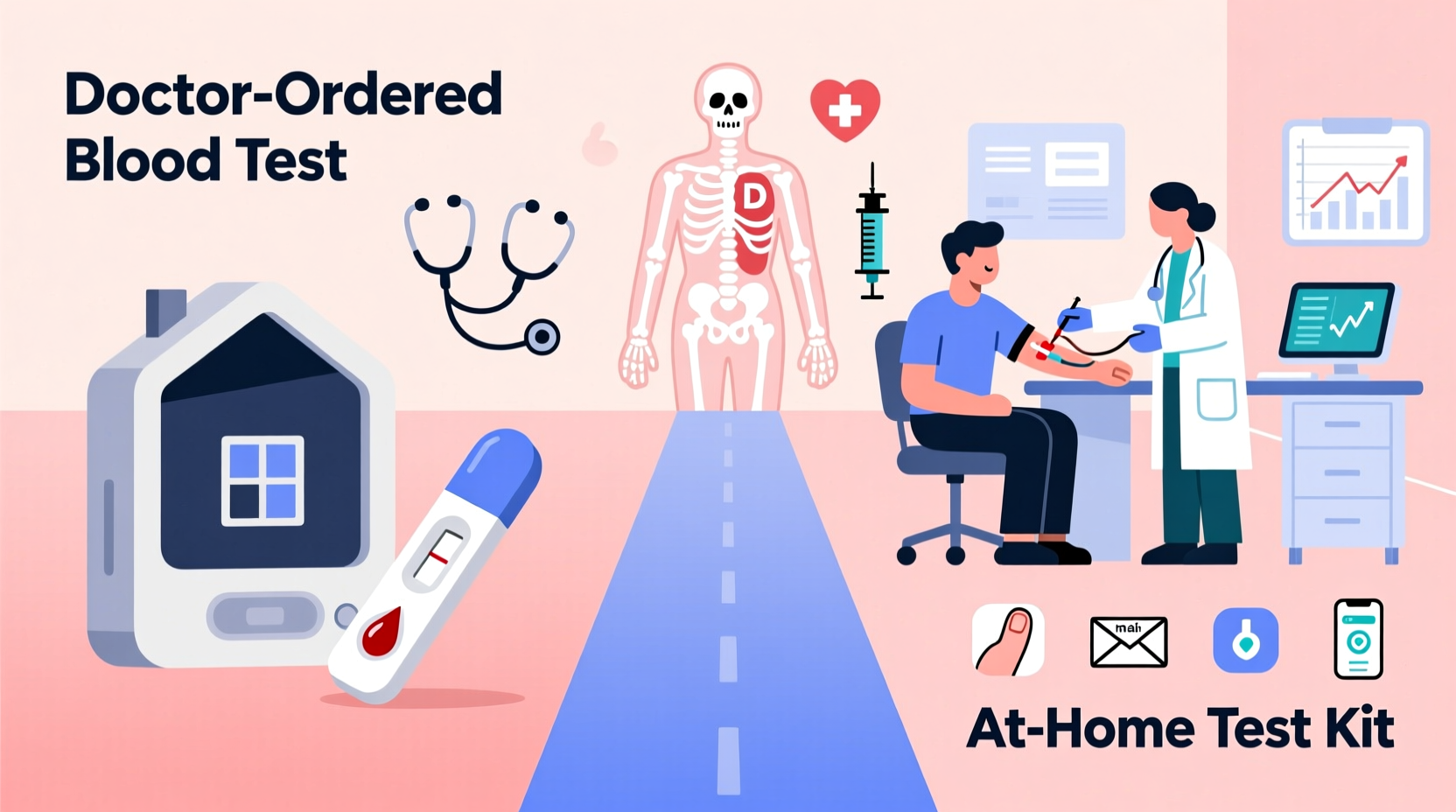
Vitamin D is unique because it functions as both a nutrient and a hormone. Your body produces it when your skin is exposed to sunlight, but many factors—including geographic location, skin tone, age, and sunscreen use—can limit synthesis. Dietary sources are limited, making deficiency surprisingly common.
Low vitamin D has been linked to fatigue, weakened immunity, bone pain, muscle weakness, and even long-term risks like osteoporosis and cardiovascular disease. Conversely, excessive supplementation without monitoring can lead to toxicity, marked by nausea, kidney stones, and confusion. Regular testing ensures you stay within the optimal range—neither too low nor too high.
“Vitamin D status is one of the most modifiable risk factors for chronic disease. Knowing your level is the first step toward meaningful prevention.” — Dr. Laura Simmons, Endocrinologist and Nutritional Scientist
How Vitamin D Testing Works: Understanding the 25(OH)D Test
The standard test for vitamin D measures 25-hydroxyvitamin D (25(OH)D) in your blood. This compound reflects both dietary intake and sun-derived production, making it the most accurate indicator of overall vitamin D status.
Results are reported in nanograms per milliliter (ng/mL). While reference ranges vary slightly between labs, general guidelines are:
| Status | Level (ng/mL) | Interpretation |
|---|---|---|
| Deficient | < 20 | Associated with bone disorders and increased health risks. |
| Adequate | 20–30 | Minimum acceptable level for basic health. |
| Optimal | 30–50 | Ideal range for immune support and metabolic function. |
| High | 50–100 | Generally safe if not from excessive supplementation. |
| Potentially Toxic | > 100 | Risk of hypercalcemia and organ damage; requires medical review. |
It's important to note that optimal levels may vary based on individual health conditions. For example, people with autoimmune diseases or osteoporosis may benefit from higher targets under medical supervision.
Testing Through Your Doctor: What to Expect
Blood testing via a healthcare provider remains the gold standard for accuracy and clinical integration. Here’s how the process typically unfolds:
- Request the test: Ask your primary care physician for a 25(OH)D test during a routine visit. It’s often included in comprehensive panels but may require a specific request.
- Visit a lab: You’ll be referred to a phlebotomy center where a technician draws blood from your arm.
- Wait for results: Turnaround time varies from 2 to 7 days depending on the lab.
- Review with your doctor: Your provider interprets the result in context of your health history and may recommend supplements, lifestyle changes, or retesting.
Advantages of clinical testing include insurance coverage (in many cases), high accuracy, and direct access to medical advice. However, appointments and lab visits can be inconvenient, and some insurers require symptoms or risk factors before approving the test.
Tip: If your insurance denies coverage, ask for the CPT code 82306 (for 25-hydroxyvitamin D) and check cash-pay pricing—many labs offer discounted self-pay rates.At-Home Vitamin D Tests: Convenience vs. Accuracy
At-home kits have surged in popularity due to their ease and privacy. These tests typically involve a finger-prick blood sample collected on a dried blood spot card, which you mail to a certified lab.
Reputable brands include:
- Everlywell
- myLAB Box
- Vitamindtest.org (by GrassrootsHealth)
- Cerascreen
These services provide digital reports within 5–10 days and often include interpretive guidance. Some integrate with telehealth consultations for follow-up recommendations.
While convenient, at-home tests have limitations:
- Slight variability in sample collection technique can affect accuracy.
- Not all kits are CLIA-certified or FDA-reviewed.
- Results may not automatically sync with your medical record.
To ensure reliability, choose a service that uses accredited laboratories and clearly states its validation methods.
Step-by-Step: Using an At-Home Vitamin D Test Kit
- Order your kit online from a trusted provider.
- Register the kit using the provided ID number.
- Collect your sample in the morning, after washing and warming your hands to improve blood flow.
- Apply drops of blood to the designated spots on the filter card—avoid smearing.
- Air-dry the card completely (about 30 minutes) before sealing.
- Mail the sample in the prepaid envelope.
- Access results online via secure portal; review explanations and consult a professional if needed.
Mini Case Study: Addressing Fatigue with Targeted Testing
Sarah, a 42-year-old software developer in Seattle, had struggled with persistent fatigue and joint discomfort for months. Her annual physical showed normal CBC and thyroid panels, but she suspected a nutritional gap. After reading about vitamin D and seasonal affective disorder, she ordered an at-home test in January.
Her result: 16 ng/mL—deficient. She shared the report with her doctor, who confirmed the finding and prescribed 5,000 IU daily for 12 weeks. A follow-up test three months later showed her level had risen to 41 ng/mL. Sarah reported improved energy, better sleep, and reduced stiffness. Her case highlights how accessible testing can uncover hidden deficiencies and guide effective treatment.
Do’s and Don’ts of Vitamin D Testing
| Do’s | Don’ts |
|---|---|
| Test twice a year—typically in winter and summer—to track seasonal changes. | Assume you’re fine without testing, especially if you live above 37° latitude. |
| Keep a log of sun exposure, diet, and supplements alongside test dates. | Self-prescribe high-dose supplements (>4,000 IU/day) without medical oversight. |
| Choose CLIA-certified labs whether testing at home or in clinic. | Ignore persistently low results—investigate absorption issues like celiac or liver disease. |
| Retest 8–12 weeks after starting or adjusting supplementation. | Rely solely on symptom guessing—fatigue and aches are non-specific. |
Frequently Asked Questions
Can I test vitamin D accurately with a finger prick?
Yes, when performed correctly and processed in an accredited lab, finger-prick tests are clinically reliable. Studies show strong correlation (r > 0.90) between venous and capillary measurements for 25(OH)D.
How often should I test my vitamin D?
Twice a year is ideal—once in late winter (when levels are lowest) and again in late summer (peak sun exposure). If supplementing, retest 3 months after starting to assess effectiveness.
What affects vitamin D test accuracy?
Timing matters—levels fluctuate seasonally. Certain medications (like anticonvulsants or steroids) can lower results. Also, acute illness or dehydration may temporarily skew readings. For consistency, aim to test at the same time of year and under similar health conditions.
Take Control of Your Vitamin D Health
Knowing your vitamin D level isn't just about avoiding deficiency—it's about optimizing your long-term well-being. Whether you work with your doctor or use a reputable at-home kit, the key is consistency and action. Use your results to tailor sun exposure, diet, and supplementation wisely. Share findings with your healthcare provider to ensure safe, evidence-based decisions.
💬 Your health journey starts with knowledge. Test regularly, track your progress, and take proactive steps today to maintain strong bones, a resilient immune system, and balanced energy all year round.








