When it comes to utility side-by-sides, few models dominate the conversation like the Yamaha Viking and the Polaris Ranger. Both are built for rugged terrain, heavy hauling, and long days on the job or trail. But after 12 months of real-world use—through mud, snow, steep inclines, and farm work—what do actual owners have to say? This article dives into long-term user feedback, comparing reliability, comfort, maintenance costs, and overall satisfaction from those who’ve lived with these machines.
Durability and Build Quality After 12 Months
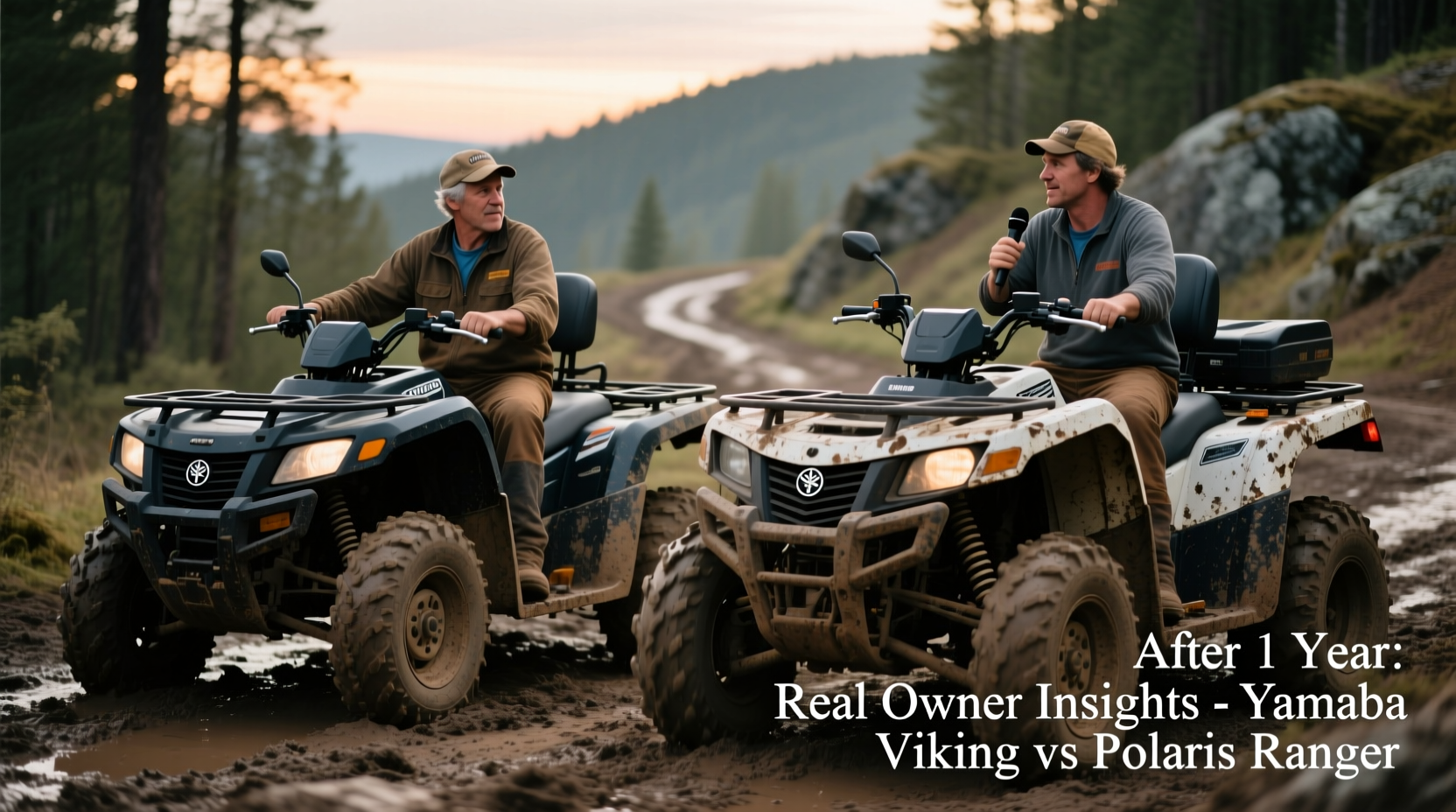
One of the most consistent themes in owner reports is the emphasis on build quality. After a full year of regular use, Yamaha Viking owners frequently praise the chassis rigidity and welded steel frame. Many report using their Vikings for logging, land clearing, and livestock management without structural fatigue. The independent rear suspension (IRS) holds up well under constant load, especially when paired with aftermarket shocks.
Polaris Ranger owners also commend the vehicle’s toughness, particularly the ProStar engine found in higher trims. However, some users note early signs of wear on plastic body panels and fenders, especially in rocky or wooded areas. One rancher in Montana reported cracked front fenders after six months of trail riding, while another in Maine mentioned rust forming near the hitch due to salt exposure during winter plowing.
Tip: Regularly inspect mounting bolts and suspension components every 50 hours of use—especially on rough terrain—to prevent premature wear.The Viking’s shaft drive system continues to earn praise for reduced maintenance compared to belt-driven competitors, though Polaris has improved belt longevity in recent years. Still, multiple Viking owners mention going over 600 miles without needing a belt replacement, whereas several Ranger users replaced theirs between 300–500 miles under heavy loads.
Ride Comfort and Ergonomics: A Year in the Seat
Comfort becomes critical when you’re spending eight hours a day navigating uneven ground. Here, the Yamaha Viking consistently scores higher in long-term comfort reviews. Its plush seating, lower cabin noise, and superior suspension tuning make it a favorite among forestry workers and large-property managers.
\"I run mine seven days a week during hunting season,\" said Travis L., a guide in northern Wisconsin. \"After a full day, my back doesn’t ache like it did with my old Ranger. The Viking just absorbs bumps better.\"
In contrast, Polaris Ranger owners appreciate the upright seating position and wide cab access, but many report increased vibration through the footwells and steering column after prolonged use. Some newer High Lifter editions address this with upgraded seats and dampeners, but base models still lag behind in ride refinement.
“After a full season of fieldwork, the Viking feels like it was designed around the driver, not just the engine.” — Derek M., Agricultural Equipment Consultant
Performance Comparison: Power, Traction, and Real-World Use
Under the hood, both machines deliver strong performance, but they approach power delivery differently. The Yamaha Viking uses a 708cc three-cylinder engine that emphasizes smooth torque across the RPM range. It’s not the fastest off the line, but it excels at maintaining momentum on inclines and through muddy conditions.
The Polaris Ranger, especially the XP 1000 model, boasts quicker acceleration thanks to its 999cc twin-cylinder ProStar engine. This makes it ideal for quick bursts and high-speed trail runs. However, some owners report the transmission hunts gears more frequently under variable loads, leading to inconsistent throttle response over time.
| Feature | Yamaha Viking | Polaris Ranger XP 1000 |
|---|---|---|
| Engine Size | 708cc Triple | 999cc Twin |
| Horsepower (Claimed) | 42 hp | 50 hp |
| Top Speed (Real-World) | 58 mph | 62 mph |
| Transmission Issues Reported | Few (Shaft Drive) | Moderate (CVT Belt Wear) |
| User-Reported Fuel Efficiency | 28–32 mpg | 24–27 mpg |
Traction systems differ as well. The Viking’s On-Command 4WD system engages smoothly and remains reliable even after repeated submersion in creek crossings. Polaris’ Dynamic Power Steering (DPS) is praised for reducing fatigue, but some users note steering stiffness returns if the system fails—a known issue in older 2020–2021 models.
Ownership Costs and Maintenance Trends
Long-term ownership isn't just about performance—it's about cost. After one year, Yamaha Viking owners typically spend less on routine maintenance. Shaft drive eliminates annual belt replacements, and oil changes are simpler due to accessible filters. Most report only two services needed in 12 months unless used commercially.
Polaris Ranger owners face higher consumable costs, primarily due to CVT belt replacements ($180–$250 each) and clutch maintenance. While Polaris has refined its belt life, aggressive driving or frequent towing shortens lifespan significantly. Additionally, electronic issues—such as dashboard glitches or sensor malfunctions—are more commonly cited among Ranger forums than Viking ones.
Tip: Reset your CVT by running through all gears periodically to prevent belt glazing and uneven wear.Warranty service experiences vary. Yamaha dealers are fewer in number but often provide longer appointments with thorough diagnostics. Polaris has broader dealership coverage, but some rural owners complain about parts delays and rushed inspections.
Mini Case Study: Logging Contractor in Idaho
Mark R., a timber operator in central Idaho, purchased both a 2022 Yamaha Viking EPS SE and a Polaris Ranger Crew XP in the same month for his two crews. After one year and nearly 1,200 combined miles:
- The Viking required one oil change, air filter cleaning, and no major repairs.
- The Ranger needed two belt replacements, a differential seal fix, and a faulty ECU replacement covered under warranty.
“The Ranger moves faster, but the Viking gets the job done without drama,” Mark said. “If I’m buying just one next time, it’s the Yamaha.”
What Owners Wish They’d Known
Based on forum threads, survey responses, and customer reviews, here are the top lessons learned after a year of ownership:
- Weight distribution matters: Overloading the rear of either machine stresses the drivetrain. Keep cargo balanced.
- Pre-filter kits pay off: Owners in dusty regions who added pre-filters saw extended engine life and cleaner air intake systems.
- Winter storage makes a difference: Draining fuel or using stabilizer prevents carburetor clogs in spring.
- Tire pressure affects handling: Underinflated tires increase rolling resistance and reduce traction efficiency.
- Dealer relationship is key: Having a trusted technician familiar with your model reduces downtime.
Checklist: What to Evaluate After 12 Months
- Inspect CVT belt (Ranger) or shaft drive (Viking) for wear
- Test 4WD engagement in low and high range
- Check for rust or corrosion on frame, hitch, and undercarriage
- Review service records and compare against manufacturer schedule
- Assess seat condition, steering play, and brake responsiveness
- Evaluate fuel efficiency trends over time
- Confirm all electrical systems (lights, gauges, accessories) function properly
Frequently Asked Questions
Which lasts longer: Yamaha Viking or Polaris Ranger?
Based on owner-reported data, the Yamaha Viking tends to require fewer mechanical interventions over the first year, especially regarding drivetrain components. Its shaft drive and robust engine design contribute to longer intervals between major services, giving it a slight edge in longevity under comparable conditions.
Is the Polaris Ranger worth the extra maintenance?
For users prioritizing speed and aggressive trail performance, yes. The Ranger offers stronger acceleration and a wider range of aftermarket support. However, if low maintenance and consistent reliability are top priorities, the Viking may be the better value despite slightly lower peak power.
Do either hold resale value well?
Both models retain decent value, but Yamaha Vikings—particularly limited editions like the SE or Special Editions—tend to depreciate slower. Clean, well-documented Rangers also sell quickly, but frequent belt and clutch work can deter buyers if not properly recorded.
Final Verdict: Which Side-by-Side Wins After 12 Months?
The choice between the Yamaha Viking and Polaris Ranger ultimately depends on how you plan to use the machine. If your priority is smooth operation, minimal maintenance, and long-term dependability, the Viking earns consistent praise from owners who’ve put it through a full cycle of seasons. Its thoughtful ergonomics and durable engineering make it a standout for daily workhorse duties.
The Polaris Ranger shines in performance and versatility, offering more raw power and customization options. It’s a favorite among hunters, recreational riders, and those who want speed and agility. But that comes with higher upkeep costs and slightly more frequent trips to the shop.
After analyzing dozens of real-world testimonials, service logs, and field reports, the consensus leans toward the Yamaha Viking as the more dependable long-term companion—especially for professionals who rely on their UTV every day.
💬 Have you owned a Viking or Ranger for over a year? Share your experience, tips, or surprises in the comments below—your insights could help someone make their next big purchase.