Air fryers have revolutionized home cooking with their ability to deliver crispy, golden results using minimal oil. But many users face an unexpected issue: smoke. When your air fryer starts producing smoke during routine cooking, especially when preparing common foods like bacon or frozen fries, it can be alarming—literally. Smoke triggers kitchen alarms, sets off neighbors in apartments, and raises safety concerns. Understanding the root causes of this problem is essential not only for comfort but also for maintaining a safe kitchen environment.
The good news? Most smoking issues are preventable. They stem from predictable factors such as food composition, oil use, appliance maintenance, and airflow dynamics. By identifying these triggers and adjusting your cooking habits accordingly, you can enjoy all the benefits of air frying without setting off the fire alarm.
Understanding How Air Fryers Work—and Why They Smoke
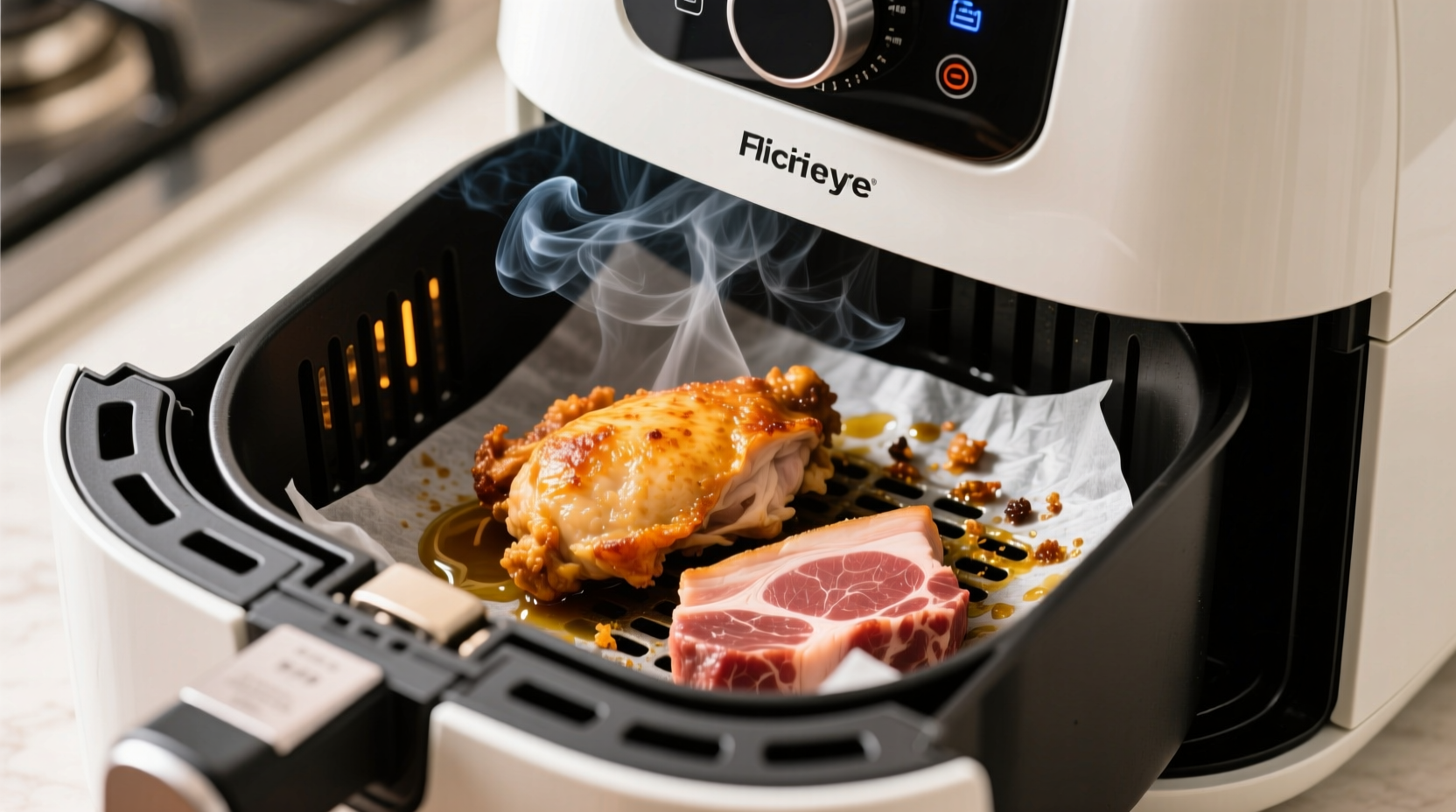
Air fryers circulate hot air at high speeds using a convection mechanism. This rapid airflow cooks food quickly and creates a crisp exterior similar to deep frying. However, because temperatures often reach 350°F to 400°F (175°C to 205°C), any excess fat, oil, or food debris can combust when exposed to direct heat elements.
When fatty foods like sausages, chicken skin, or bacon release drippings during cooking, those fats fall onto the heating element at the top of most basket-style models. The sudden contact with intense heat causes the oil to vaporize and smoke almost instantly. Unlike ovens, where smoke might dissipate slowly, air fryers concentrate heat in a small chamber, accelerating combustion and increasing smoke density.
This isn’t a design flaw—it’s physics. But that doesn’t mean you’re stuck with a noisy alarm every time you cook something savory.
Tip: Always place a slice of bread or a silicone liner at the bottom of the basket when cooking greasy foods to catch drips before they hit the heating coil.Common Foods That Trigger Smoking—and Why
Certain ingredients are more likely to cause smoke due to their fat content, moisture levels, or coating types. Knowing which ones pose risks helps you prepare better.
- Bacon: High-fat content means significant grease release. As strips crisp, rendered fat splatters downward and hits the heating element.
- Frozen French Fries: Often coated in oil before packaging. Extra surface oil heats rapidly and may ignite if overloaded in the basket.
- Skin-on Chicken Thighs or Wings: Juices and fats drip freely during cooking, especially if not patted dry beforehand.
- Marinated Meats: Sugary or oily marinades can caramelize too quickly, leading to charring and smoke.
- Breaded Items (e.g., chicken tenders): Loose crumbs fall off and burn on the heating element.
The combination of high heat, dripping fat, and limited space makes these items prime candidates for smoke production. In tightly sealed kitchens—especially in condos or apartments with sensitive smoke detectors—this becomes more than just a nuisance; it can disrupt daily life.
How Kitchen Alarms React to Air Fryer Smoke
Modern photoelectric smoke detectors are designed to detect smoldering fires early, making them highly sensitive to visible smoke particles. Even a small plume from an overheated oil droplet can set them off. Placement matters: units installed near the kitchen ceiling, within 10 feet of the stove or countertop appliances, are most vulnerable.
Unlike ionization detectors that respond faster to flaming fires, photoelectric models react strongly to the thick, white smoke produced by burning oils—exactly what happens inside an overworked air fryer. So while your device isn’t malfunctioning, the detector is doing its job—perhaps too well.
“Smoke from kitchen appliances isn't always dangerous, but persistent triggering indicates poor ventilation or improper usage.” — Dr. Lena Torres, Indoor Air Quality Specialist, National Home Safety Institute
Prevention Strategies: Stop the Smoke Before It Starts
Eliminating smoke requires addressing both the source (the food and oil) and the environment (the appliance and kitchen setup). Implementing a few key practices drastically reduces risk.
1. Pre-Treat High-Fat Foods
Before placing fatty meats into the basket, blot them thoroughly with paper towels. Removing surface moisture and excess oil minimizes flare-ups. For bacon, consider partially microwaving it for 1–2 minutes first to render some fat safely.
2. Avoid Over-Oiling
Many people assume air-fried food needs added oil for crispiness. While a light spray helps, excessive oil—especially flammable varieties like olive oil with low smoke points—can lead to combustion. Use high-smoke-point oils such as avocado or refined coconut oil instead.
Tip: Use an oil mister rather than aerosol sprays, which often contain propellants that leave residue and increase flammability.3. Clean Your Air Fryer Regularly
Leftover food particles and built-up grease in the basket or base pan become secondary smoke sources. Burnt bits reheat each time you cook, releasing fumes even if the current meal is clean. Wipe down the basket, drawer, and interior walls after every 2–3 uses.
4. Don’t Overfill the Basket
Crowding blocks airflow and traps steam and fat vapors. This increases humidity inside the chamber and raises the chance of oil pooling and later igniting. Cook in batches when necessary to maintain proper circulation.
Step-by-Step Guide to Smoke-Free Air Frying
Follow this practical sequence to minimize smoke and avoid alarm disruptions:
- Inspect and prep ingredients: Pat meats dry, trim visible fat, and remove loose breading.
- Use minimal oil: Lightly coat food with high-smoke-point oil using a brush or mister.
- Line the basket (if safe): Place a perforated parchment liner or silicone mat to catch drips—ensure it doesn’t block airflow.
- Position the air fryer wisely: Keep it away from walls, cabinets, and smoke detectors. Allow at least 6 inches of clearance on all sides.
- Start with lower temps for fatty foods: Begin at 350°F and increase gradually to prevent sudden fat ignition.
- Pause and drain fat mid-cook: For long sessions (like roasting duck or ribs), open the basket halfway to pour off accumulated grease into a heat-safe container.
- Ventilate the area: Turn on the range hood or open a window to disperse rising smoke.
- Monitor closely: Stay nearby during initial cooking phases, especially with new recipes.
Do’s and Don’ts: Quick Reference Table
| Do’s | Don’ts |
|---|---|
| Pat food dry before cooking | Use extra-virgin olive oil liberally |
| Use avocado or grapeseed oil (high smoke point) | Overload the basket |
| Place a bread slice or liner under greasy items | Ignore lingering odors after cleaning |
| Cook bacon at 360°F for longer, slower crisping | Use non-perforated liners that block airflow |
| Run a vinegar cleaning cycle monthly | Place the unit directly under a smoke detector |
Real Example: The Apartment Dweller’s Dilemma
Jamal, a software engineer living in a downtown high-rise, loved using his air fryer for quick weeknight meals. But every time he cooked salmon or chicken wings, the hallway smoke alarm would blare, sometimes prompting building management calls. Embarrassed and frustrated, he nearly gave up on the appliance.
After researching, he realized two issues: his air fryer sat directly beneath a ceiling-mounted smoke detector, and he hadn’t cleaned the drip tray in months. He moved the unit to a corner counter farther from the detector, started wiping the basket weekly, and began lining it with a perforated parchment sheet. He also switched from olive oil spray to a pump mister with avocado oil.
The result? No alarms in over three months. “It wasn’t the air fryer,” he said. “It was how I was using it.”
FAQ: Common Questions About Air Fryer Smoke
Is it dangerous if my air fryer produces smoke?
Occasional light smoke from minor oil splatter is usually not hazardous, but consistent or heavy smoke indicates a fire risk. Burning oil releases acrolein, a toxic compound that irritates eyes and lungs. Persistent smoking should be addressed immediately through cleaning, adjustment of cooking methods, or professional inspection.
Can I disable or cover the smoke alarm to stop false triggers?
No. Disabling smoke alarms violates fire safety codes and puts lives at risk. Instead, relocate the air fryer, improve ventilation, or install a heat alarm (which responds to temperature, not smoke) if permitted by local regulations.
Why does my air fryer smoke only sometimes, even with the same food?
Inconsistencies often come from variable factors: amount of oil used, cleanliness of the unit, ambient kitchen temperature, or differences in ingredient freshness. A batch of frozen fries with extra surface oil or a slightly dirtier basket can tip the balance toward smoking.
Final Recommendations for Long-Term Success
Smoking air fryers aren’t inevitable. With thoughtful preparation and consistent maintenance, you can eliminate most smoke-related incidents. Treat your appliance like any precision kitchen tool: respect its limits, keep it clean, and understand how your ingredients interact with its mechanics.
Invest time in learning your model’s quirks. Some brands have heating elements closer to the basket, increasing splash exposure. Others offer removable crisper trays that make cleanup easier. Read the manual, follow manufacturer guidelines, and don’t hesitate to experiment with temperature and timing adjustments.
Most importantly, never ignore recurring smoke. What starts as a minor annoyance can escalate into a real fire hazard if left unchecked.
💬 Have a smoke-free air frying tip that works for you? Share your experience in the comments and help others cook smarter, safer, and quieter!