Spicy food stings, burns, and sometimes brings tears to your eyes—yet millions of people actively seek out that fiery sensation. From chili-laden curries in India to Sichuan hot pot in China and Nashville-style hot chicken in the U.S., cultures around the world have embraced heat as a culinary cornerstone. But if capsaicin, the compound responsible for spiciness, triggers pain receptors, why do so many people not only tolerate it but crave it? The answer lies at the intersection of biology, psychology, and culture—a fascinating interplay that transforms discomfort into delight.
The Science of Spiciness: It’s Not a Taste, It’s a Burn
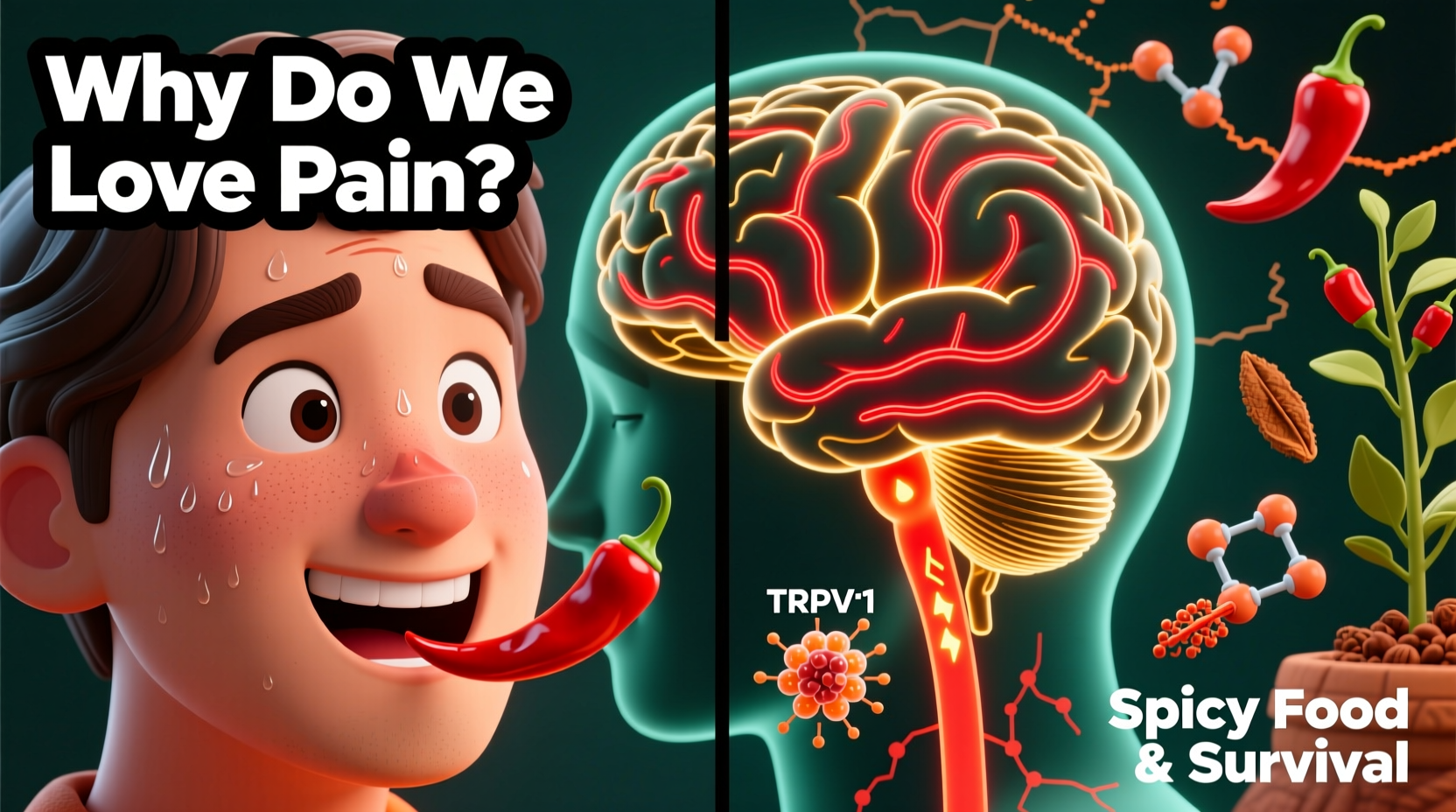
Contrary to popular belief, spiciness is not one of the five basic tastes (sweet, sour, salty, bitter, umami). Instead, it's a trigeminal sensation—a type of chemesthetic experience triggered when capsaicin binds to TRPV1 receptors in the mouth and throat. These receptors evolved to detect actual heat and potential tissue damage, such as from scalding liquids. When capsaicin activates them, the nervous system sends signals to the brain identical to those produced by physical burning.
In essence, eating spicy food tricks your body into thinking it’s being injured. Yet instead of recoiling, many people lean in. Why?
“Pain from spice is a false alarm. The body responds as if there’s danger, but no real tissue damage occurs—making it a uniquely safe form of thrill-seeking.” — Dr. Paul Rozin, Professor of Psychology, University of Pennsylvania
The Brain’s Reward System: Pain That Feels Good
The paradox of enjoying something painful hinges on how the brain processes stress and pleasure. When capsaicin induces a mild threat response, the body releases endorphins—natural opioids that reduce pain and produce euphoria. This biochemical cascade is similar to what happens during exercise, laughter, or even crying during an emotional movie: discomfort followed by relief and reward.
This phenomenon is known as “benign masochism,” a term coined by psychologist Paul Rozin. He argues that humans uniquely enjoy negative sensations when they know the danger is illusory. In the case of spicy food, we learn through repeated exposure that the burn doesn’t cause harm. Once that safety is established, the nervous system begins to associate the pain with the subsequent rush of pleasure.
Tip: Start with milder chilies like jalapeños or poblano peppers to gradually train your tolerance and build positive associations with heat.How Endorphins Turn Pain Into Pleasure
Endorphins don’t just dull pain—they elevate mood. Regular consumers of spicy food often report feelings of alertness, warmth, and even mild euphoria after eating. Over time, this creates a feedback loop: the more someone eats spicy food, the more their brain anticipates the reward, reinforcing the desire to eat it again.
Neuroimaging studies show increased activity in dopamine-rich regions of the brain—such as the nucleus accumbens—during and after consuming spicy meals. Dopamine, the neurotransmitter linked to motivation and pleasure, plays a key role in habit formation. This helps explain why some people develop a genuine addiction to heat.
Cultural Conditioning and Culinary Identity
Biology sets the stage, but culture directs the play. In regions where spicy food is a dietary staple—like Thailand, Mexico, or Ethiopia—the preference is often nurtured from childhood. Early exposure shapes taste preferences and social norms, turning spice tolerance into a marker of identity and resilience.
In many societies, eating spicy food is tied to rites of passage, masculinity, or communal bonding. Sharing a blisteringly hot meal can be a way to demonstrate strength, build camaraderie, or honor tradition. These cultural reinforcements make the experience more than sensory—it becomes symbolic.
Moreover, cuisines in hotter climates tend to use more spices, including chilies. While this was once attributed solely to food preservation, recent research suggests that capsaicin may also promote sweating and create a cooling effect through vasodilation, offering a physiological advantage in tropical environments.
A Global Perspective on Spice Tolerance
| Region | Common Spicy Dishes | Primary Chili Used | Cultural Significance |
|---|---|---|---|
| Mexico | Mole, salsa macha, chiles en nogada | Habanero, serrano, jalapeño | Integral to national cuisine; symbolizes flavor complexity |
| Thailand | Tom yum soup, som tam, green curry | Bird’s eye chili | Heat balances sweet, sour, salty, and bitter |
| India | Vindaloo, phaal curry, pani puri | Green chilies, Kashmiri, ghost pepper | Used medicinally and spiritually; varies by region |
| Sichuan, China | |||
| Hot pot, mapo tofu, dan dan noodles | Sichuan peppercorn + dried chilies | Numbing-spicy (málà) is a defining flavor profile | |
| Ethiopia | Doro wat, injera with berbere | Berbere spice blend (contains chilies) | Central to religious fasting dishes and daily meals |
The Role of Habituation and Sensory Adaptation
Repeated exposure to capsaicin leads to desensitization of TRPV1 receptors. This means that over time, the same level of spice produces less burn. This process, called tachyphylaxis, allows regular eaters of spicy food to consume increasingly hotter dishes without discomfort.
Habituation isn’t just physical—it’s psychological. As people become accustomed to the sensation, they begin to appreciate the nuanced flavors that chilies bring: smokiness, fruitiness, earthiness. Capsaicin enhances aroma perception and can intensify other tastes, making food more vibrant and complex.
Interestingly, some research suggests that habitual spice users may actually lose sensitivity to non-spicy tastes like sweetness or bitterness, further shifting their flavor preferences toward heat.
Tip: Pair spicy foods with dairy (like yogurt or milk) to neutralize capsaicin temporarily while building tolerance over time.Mini Case Study: The Competitive Chili Eater
Take Mark, a 34-year-old software engineer from Texas who entered his first chili-eating contest on a dare. Initially overwhelmed by the Carolina Reaper’s searing heat, he experienced sweating, nausea, and dizziness. But he finished the challenge—and felt an intense wave of relief and pride afterward.
Intrigued by the high, Mark began experimenting with progressively hotter peppers. Within six months, he could eat ghost pepper sauces without flinching. His friends noticed he ordered spicier versions of everything—from ramen to tacos. For Mark, the burn had become a ritual: a controlled test of endurance that left him energized and focused.
What started as a painful ordeal became a source of personal satisfaction. His story illustrates how the brain rewires its response to pain when paired with predictable rewards and social validation.
Biological Benefits Beyond Pleasure
While the thrill factor explains much of spicy food’s appeal, emerging science reveals tangible health benefits that may have shaped human preference evolutionarily.
- Antimicrobial properties: Capsaicin inhibits the growth of foodborne bacteria and fungi. In pre-refrigeration societies, spicy ingredients may have helped preserve food and reduce illness.
- Metabolic boost: Studies show capsaicin increases thermogenesis, slightly raising metabolic rate and promoting fat oxidation.
- Pain management: Topical capsaicin is used in medical creams to treat neuropathic pain by depleting substance P, a neurotransmitter involved in pain signaling.
- Cardiovascular protection: Regular chili consumption has been linked to lower rates of heart disease and stroke in population studies, possibly due to improved circulation and reduced inflammation.
These advantages suggest that our attraction to spice may not be purely recreational—it could be an adaptive trait that improved survival in certain environments.
Checklist: How to Safely Build Your Spice Tolerance
- Start with low-heat chilies like poblanos or banana peppers.
- Pair spicy foods with dairy or starch to moderate the burn.
- Eat slowly to allow your body to adapt during the meal.
- Track your progress—note which peppers you can handle over time.
- Stay hydrated, but avoid water if overwhelmed; drink milk or eat bread instead.
- Listen to your body—sharp stomach pain or vomiting means you’ve gone too far.
- Explore global cuisines to appreciate spice in flavorful, balanced contexts.
Frequently Asked Questions
Can spicy food damage your stomach?
For most people, moderate consumption of spicy food does not cause ulcers or long-term damage. In fact, some studies suggest capsaicin may protect the gastric lining. However, individuals with acid reflux, gastritis, or IBS may experience worsened symptoms and should consult a doctor.
Why do some people hate spicy food?
Taste preferences are influenced by genetics, early diet, and psychological factors. Some people have a higher density of pain receptors or a lower threshold for discomfort. Others may have had negative early experiences with spice, creating lasting aversion. There’s no universal standard for enjoyment—variability is natural.
Is liking spicy food a sign of risk-taking personality?
Research shows a correlation between spice preference and sensation-seeking behavior. People who enjoy roller coasters, adventure sports, or strong flavors often score higher on traits like openness and extraversion. However, this doesn’t mean spice lovers are reckless—many simply enjoy intense, controlled experiences.
Conclusion: Embracing the Burn
The human love for spicy food is a testament to our ability to transform pain into pleasure through knowledge, culture, and neurochemistry. What begins as a warning signal from the body becomes, through repetition and context, a sought-after sensation—one tied to joy, connection, and even health.
Whether you’re a cautious taster or a full-blown chilihead, understanding the biology behind the burn can deepen your appreciation for this unique culinary phenomenon. The next time you feel that familiar fire on your tongue, remember: it’s not just flavor. It’s evolution, chemistry, and culture dancing on your palate.
💬 What’s your relationship with spicy food? Share your first “too hot” experience or favorite fiery dish in the comments below!