When it comes to bold, smoky, and deeply satisfying comfort food, few brands command as much respect in the barbecue and spice world as Meat Church. While best known for their award-winning rubs and smoked meats, their take on white chicken chili has become a cult favorite among home cooks and pitmasters alike. This isn't your average slow-cooker dump recipe—it’s a layered, aromatic dish that balances creamy beans, tender shredded chicken, roasted green chiles, and a proprietary blend of spices anchored by Meat Church’s signature Holy Gospel White seasoning. More than just a soup, this white chicken chili is a culinary statement: rich without being heavy, spicy without overwhelming, and deeply flavorful with every spoonful.
Unlike traditional red chili, which relies on tomatoes and beef, white chicken chili uses white beans, poultry, and green chile peppers to create a lighter yet equally robust profile. The version popularized by Meat Church elevates the genre with precise seasoning ratios, attention to texture, and a finish that lingers pleasantly on the palate. Whether you're serving it at a tailgate, Sunday dinner, or meal-prepping for the week, mastering this recipe means understanding not just the ingredients, but the technique behind building flavor incrementally—starting with searing, layering aromatics, controlling heat, and finishing with freshness.
Definition & Overview
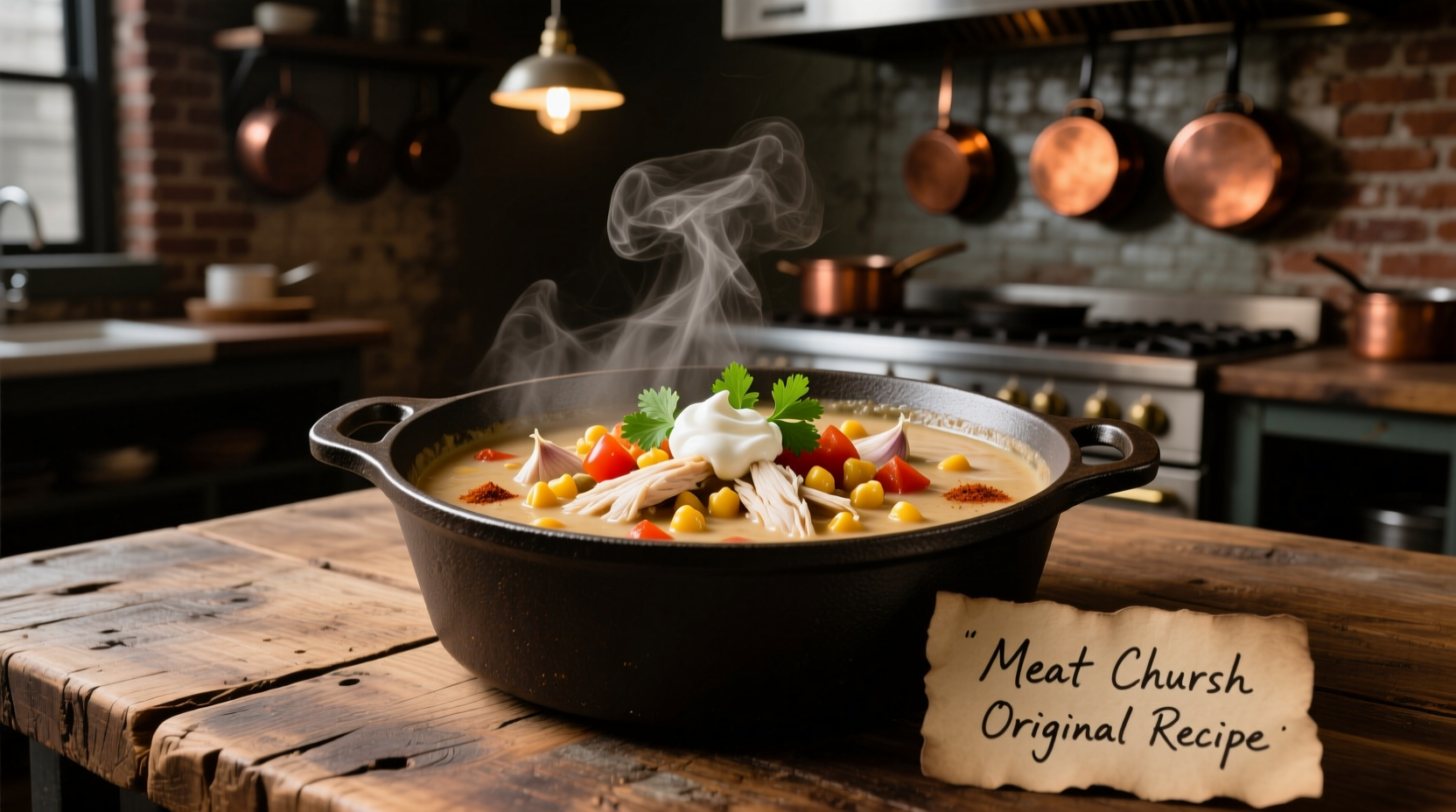
White chicken chili is a variation of traditional chili that omits tomatoes and red meat in favor of white beans (typically Great Northern or cannellini), chicken (usually poached or roasted), and green chili peppers such as poblano, Anaheim, or jalapeño. It often includes dairy elements like sour cream or cream cheese to enhance its velvety mouthfeel. Originating in the Southwestern United States, particularly Colorado and New Mexico, the dish emerged as a regional alternative to Texas-style chili, emphasizing local produce and milder heat levels.
The Meat Church rendition stands out due to its proprietary seasoning blend—Holy Gospel White—which replaces generic \"white chili seasoning\" packets with a thoughtfully balanced mix of garlic, onion, coriander, cumin, white pepper, and subtle citrus notes. This seasoning acts as the backbone of the dish, providing depth without overpowering the delicate flavors of chicken and beans. Additionally, Meat Church's method incorporates smoked chicken or smoked turkey drumsticks for added complexity, though modifications exist for those using all fresh poultry.
This recipe is neither strictly Tex-Mex nor purely fusion; it occupies a space between rustic homestyle cooking and modern barbecue craftsmanship. Its popularity stems from adaptability—easy enough for beginner cooks, yet refined enough to impress guests at a cookout or holiday gathering.
Key Characteristics
| Characteristic | Description |
|---|---|
| Flavor Profile | Creamy, savory, mildly spicy with herbal and citrus undertones from coriander and lime. Smoky depth when smoked meats are used. |
| Aroma | Warm toasted spices, roasted garlic, sautéed onions, and bright lime zest. |
| Color/Form | Pale ivory base with specks of green chile, yellow corn, and dark flecks from spices. Thick, stew-like consistency. |
| Heat Level | Mild to medium (3/10 on heat scale). Adjustable via jalapeños or cayenne. |
| Culinary Function | Main course soup/stew; excellent for batch cooking, freezing, and serving with toppings. |
| Shelf Life | Refrigerated: up to 5 days. Frozen: up to 4 months in airtight containers. |
Practical Usage: How to Make White Chicken Chili from Meat Church
The success of this recipe lies not in complexity, but in execution. Each stage builds upon the last, creating a cohesive flavor narrative rather than a haphazard blend of ingredients. Follow these steps precisely for optimal results.
- Prepare the Chicken: Use two bone-in chicken breasts or thighs, seasoned lightly with salt and smoked paprika. Roast at 375°F (190°C) for 35–40 minutes until internal temperature reaches 165°F (74°C). Alternatively, use pre-smoked turkey legs or rotisserie chicken for convenience and deeper smoke flavor.
- Sauté Aromatics: In a heavy-bottomed Dutch oven, heat 2 tablespoons of avocado oil over medium heat. Add 1 diced yellow onion, 4 minced garlic cloves, 1 chopped poblano pepper, and 1 deseeded jalapeño. Cook until soft and fragrant—about 8 minutes—without browning.
- Bloom the Spices: Stir in 3 tablespoons of Meat Church Holy Gospel White seasoning. Toast for 1 minute, stirring constantly, to release essential oils and deepen flavor. This step is critical—never skip blooming spices in fat.
- Add Liquids and Beans: Pour in 4 cups of low-sodium chicken broth, followed by two 15-oz cans of rinsed Great Northern beans. Include one 4-oz can of diced green chiles (fire-roasted preferred) and ½ cup frozen corn kernels. Bring to a gentle simmer.
- Incorporate Chicken: Shred the cooked chicken, discarding bones and skin. Add to the pot. Simmer uncovered for 25–30 minutes to allow flavors to meld and thicken slightly.
- Finish with Creaminess: Reduce heat to low. Stir in 4 oz of softened cream cheese or ½ cup full-fat sour cream. Do not boil after this point to prevent curdling. Adjust consistency with additional broth if needed.
- Final Seasoning: Taste and adjust: add juice of one lime, extra black pepper, or a pinch of cayenne for heat. Garnish with chopped cilantro and serve immediately.
Pro Tip: For maximum flavor development, prepare the chili one day ahead. Cool completely and refrigerate overnight. Reheat gently the next day—the resting period allows the beans to absorb more seasoning and creates a richer, more unified taste.
Serving Suggestions
- Toppings Bar: Offer crushed tortilla chips, shredded Monterey Jack, sliced avocado, pickled red onions, lime wedges, and hot sauce so guests can customize their bowls.
- Pairings: Serve with warm flour tortillas, cornbread, or a crisp green salad dressed in lime vinaigrette.
- Dietary Modifications: For keto, reduce beans to one can and increase chicken and cream cheese. For dairy-free, substitute coconut cream and omit sour cream.
Variants & Types
While the core structure remains consistent, several variations of white chicken chili exist depending on regional preferences, dietary needs, and available ingredients. Understanding these helps tailor the Meat Church base recipe to different occasions.
1. Classic Homestyle
Uses fresh chicken, canned beans, and basic seasonings. Relies on time and simmering for flavor development. Ideal for family dinners and potlucks.
2. Smoked Meat Version (Meat Church Style)
Features smoked chicken, turkey leg, or even pulled pork shoulder for a barbecue twist. Enhanced with liquid smoke (sparingly) if no smoked meat is available. Best for game-day spreads and outdoor entertaining.
3. Instant Pot / Pressure Cooker
All ingredients go into the pressure cooker—including raw chicken. Cook on high pressure for 12 minutes, natural release for 10. Finish with cream cheese and lime. Cuts total time to under 45 minutes.
4. Vegetarian Adaptation
Omit chicken entirely. Use vegetable broth and add extra beans or roasted cauliflower for texture. Replace Holy Gospel White with homemade coriander-cumin blend if avoiding animal-based broths.
5. Green Chile Pork Variant
Swap chicken for cubed pork shoulder, browned first, then slow-cooked until tender. Combines elements of New Mexican posole with white chili format. Often includes hominy instead of white beans.
| Variant | Best Used For | Adjustments Needed |
|---|---|---|
| Classic Homestyle | Everyday meals, beginners | Standard recipe; minimal substitutions |
| Smoked Meat Version | Barbecue events, flavor intensity | Use smoked proteins; reduce added salt |
| Instant Pot | Time-constrained cooks | No pre-cooking; seal properly; quick release risky |
| Vegetarian | Plant-based diets | Double beans; boost umami with mushrooms or miso |
| Green Chile Pork | Southwest-themed menus | Replace beans with hominy; longer cook time |
Comparison with Similar Ingredients
White chicken chili is often confused with other soups and stews due to overlapping ingredients. Clarifying distinctions ensures proper technique and expectations.
- Red Chili Con Carne: Uses beef, tomatoes, kidney beans, and chili powder. Significantly spicier and heartier. White chili lacks acidity and red pigments, relying on dairy and pale legumes.
- Chicken Tortilla Soup: Typically broth-based, thinner, with fried tortilla strips served on top. Contains similar spices but is less creamy and rarely includes cream cheese.
- Menudo Blanco: A Mexican tripe soup made with hominy and offal. Shares color and name but differs drastically in protein source and cultural context.
- Chowder: While both are thick soups, chowders usually feature potatoes and are rooted in Northeastern U.S. cuisine. White chili uses beans and Southwestern spices.
“The difference between good chili and great chili isn’t the meat—it’s how you treat the spices. Bloom them, layer them, respect them.” — Aaron Franklin, Pitmaster & James Beard Award Winner
Practical Tips & FAQs
Can I make this in a slow cooker?
Yes. Sauté aromatics and toast spices in a skillet first, then transfer to a slow cooker. Add remaining ingredients except cream cheese and sour cream. Cook on low for 6–8 hours or high for 3–4. Stir in dairy during the last 30 minutes.
Is Holy Gospel White seasoning gluten-free?
Yes. According to Meat Church’s labeling, Holy Gospel White is certified gluten-free, vegan, and contains no fillers or anti-caking agents. Always verify current packaging for allergens.
How do I store leftovers safely?
Cool within two hours of cooking. Store in shallow, airtight containers in the refrigerator for up to five days. Freeze in portion-sized bags or tubs for up to four months. Thaw overnight in the fridge before reheating gently on the stove.
Why did my chili curdle after adding sour cream?
Dairy curdles when exposed to high heat or sudden temperature changes. Always reduce heat to low before stirring in sour cream or cream cheese. Temper the dairy by mixing a few spoonfuls of hot chili into it first, then slowly combine.
What beans work if I don’t have Great Northern?
Cannellini beans are the closest substitute—similar size, shape, and creaminess. Navy beans also work but break down faster. Avoid black or pinto beans, as they alter both color and flavor profile.
Can I freeze this chili?
Yes, though dairy-containing versions may separate slightly upon thawing. To minimize this, freeze before adding cream cheese or sour cream, then stir them in after reheating. Texture remains acceptable for most palates.
How can I boost protein without more chicken?
Add one cup of cooked quinoa or lentils during the simmer phase. Both absorb flavors well and increase nutritional density without altering the visual identity of the dish.
✅ Expert Checklist: Perfect White Chicken Chili Every Time
- Sear or roast chicken separately for better texture
- Sauté onions and peppers until soft—not caramelized
- Bloom spices in oil for 60 seconds to unlock aroma
- Simmer uncovered to concentrate flavor
- Add dairy off-heat to prevent curdling
- Rest overnight for improved depth (if possible)
- Garnish with acid (lime) and crunch (tortilla chips)
Summary & Key Takeaways
The White Chicken Chili Recipe from Meat Church exemplifies modern American comfort food at its finest—thoughtful seasoning, balanced textures, and broad appeal. At its foundation is Holy Gospel White seasoning, a masterclass in spice blending that enhances rather than masks. The dish leverages simple components—chicken, beans, broth, and green chiles—but transforms them through technique: blooming spices, controlled simmering, and strategic finishing with dairy and citrus.
Its versatility makes it suitable for weeknight dinners, meal prep, and entertaining. Variants accommodate dietary restrictions and equipment preferences, from Instant Pot speed versions to vegetarian adaptations. When compared to similar soups, white chicken chili distinguishes itself through its absence of tomatoes, reliance on white legumes, and creamy consistency.
Storage is straightforward, and leftovers often improve with time. By following best practices—especially blooming spices, tempering dairy, and allowing rest periods—home cooks can achieve restaurant-quality results consistently.
Cook this recipe once, refine it twice, serve it proudly.
Master the basics, then experiment with smoked meats, heirloom beans, or house-made spice blends. That’s how legends like Meat Church begin—with a single pot of chili done right.