Spicy food doesn’t just ignite the palate—it challenges it. Capsaicin, the compound behind chili heat, binds to pain receptors, triggering a physiological response that can overwhelm delicate flavors, dry out the mouth, or amplify burn instead of soothing it. The right spirit doesn’t mask heat; it recalibrates the experience. It cools without numbing, cleanses without stripping, and complements rather than competes. This isn’t about matching regional origins (though that helps) or defaulting to beer or wine—it’s about understanding how alcohol content, congeners, residual sugar, texture, and aromatic profile interact with capsaicin, acidity, fat, and umami in real-world dishes. From Thai jungle curries to Mexican mole negro, from Sichuan mapo tofu to Ethiopian doro wat, the most successful pairings emerge from chemistry, not coincidence.
Why Most Spirits Fail With Spice—and What Actually Works
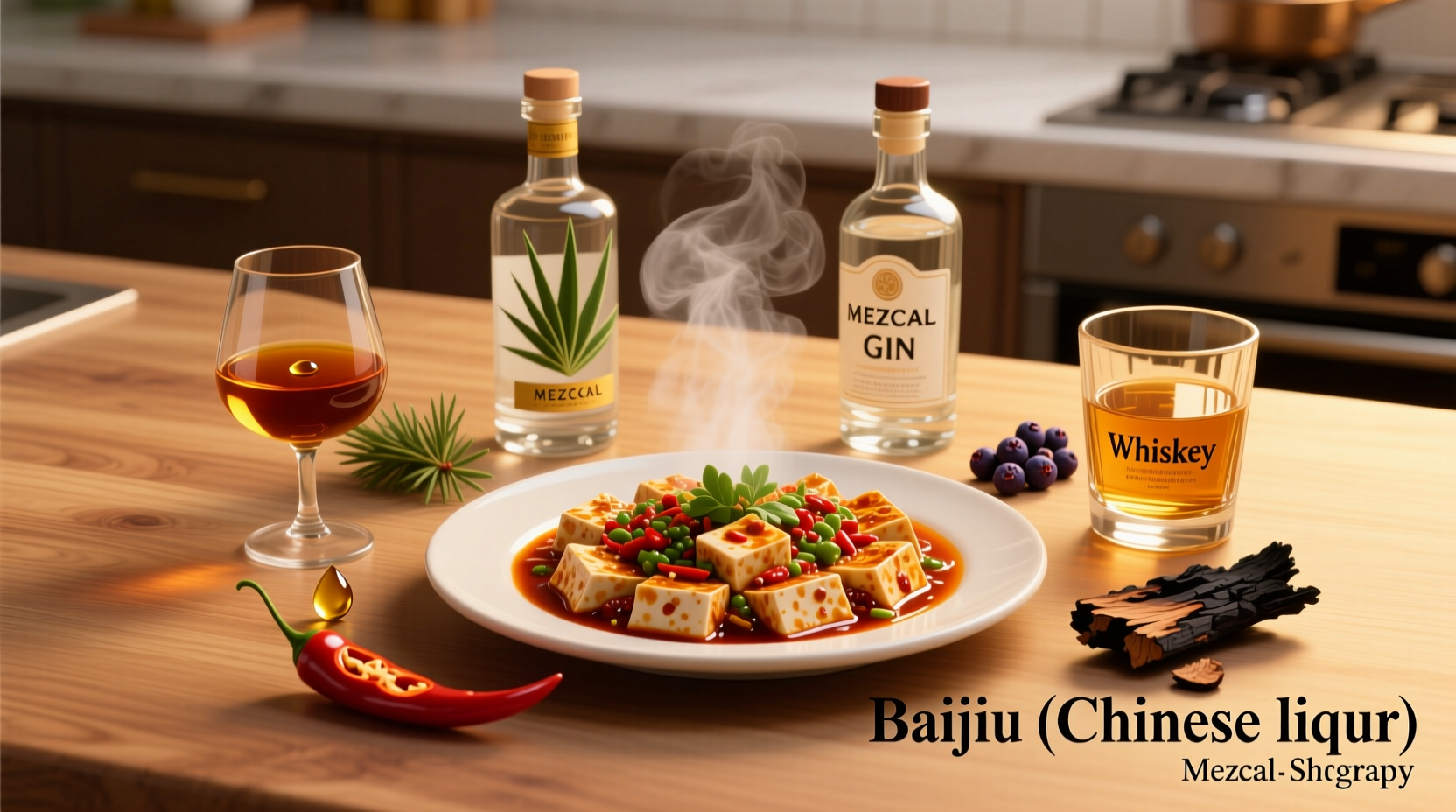
Many drinkers reach for whiskey or gin when facing heat, assuming “stronger is better.” But high-ABV spirits without balancing elements often backfire. Ethanol intensifies capsaicin’s binding to TRPV1 receptors—making the burn feel sharper, longer-lasting, and more abrasive. A 55% cask-strength bourbon poured neat alongside fiery jerk chicken may deliver bold flavor, but it also dehydrates the mucosa, leaving the palate defenseless against the next bite. Conversely, overly sweet liqueurs like amaretto or peach schnapps coat the tongue without cleansing, trapping heat and dulling spice’s complexity.
The ideal spirit for spicy food meets three criteria: moderate alcohol intensity (40–48% ABV), textural roundness (from barrel aging, distillation method, or natural sugars), and complementary aromatic architecture—think citrus zest to echo chilies’ brightness, smoke to mirror charred proteins, or baking spice to harmonize with warming seasonings like cumin or star anise.
Tip: Serve spirits slightly chilled (not ice-cold) — 12–14°C enhances aromatic lift without muting flavor or shocking the palate before the next spicy bite.Top 5 Spirits for Spicy Food—Ranked by Function & Flavor Logic
These aren’t ranked by popularity or prestige, but by functional efficacy across diverse heat profiles: low-heat earthiness (paprika, gochujang), medium-heat fruit-forwardness (serrano, jalapeño), and high-heat volatility (scorpion, ghost pepper). Each selection includes its structural advantage and ideal dish match.
- Blanco Tequila (100% Agave, 40–45% ABV)
Its bright, vegetal agave core cuts through fat and oil while its crisp minerality resets the palate. Unlike reposado or añejo, blanco lacks heavy oak tannins that can clash with acidity in salsas or lime-marinated ceviche. The subtle pepper note in well-made blanco mirrors chili without amplifying burn. - Aged Rum (Jamaican or Barbadian, 43–46% ABV, 3–7 years)
Rich esters from tropical fermentation (banana, pineapple, overripe mango) and caramelized wood sugars from barrel aging create a viscous, soothing counterweight to searing heat. Jamaican rums offer funk that stands up to fermented shrimp paste; Barbadian rums bring polished vanilla and toasted coconut ideal for coconut-based curries. - Unpeated Single Malt Scotch (Speyside or Lowland, 43–46% ABV)
Contrary to expectation, non-smoky Scotches excel with spice—not because they’re mild, but because their layered orchard fruit (pear, green apple), floral honey, and gentle cereal sweetness provide structural harmony. They lack the phenolic sharpness of Islay malts, which would fight rather than fuse with chili. - Japanese Gin (Citrus-Forward, 45% ABV)
Distilled with yuzu, sanshō pepper, and green tea, these gins are engineered for Asian heat. Sanshō’s tingling numbness (a different receptor pathway than capsaicin) creates a dynamic contrast—not relief, but dialogue—with Sichuan peppercorns. Yuzu’s tart brightness lifts rich, oily stir-fries without competing. - Mezcal (Espadín, 42–47% ABV, moderate smoke)
Smoke is the secret weapon—not as a dominant note, but as a textural bridge. Light to medium smoke echoes grilled meats and charred vegetables common in spicy preparations (think Korean bulgogi or Oaxacan tlayudas). Its earthy, saline finish cleanses without drying, especially when paired with mole or adobo sauces rich in dried chilies and nuts.
What to Avoid—And Why
Some spirits seem intuitive but disrupt the sensory balance. Understanding why they fail prevents costly missteps at the table—or bar.
| Spirit Type | Why It Fails With Spice | Better Alternative |
|---|---|---|
| High-Proof Rye Whiskey (55%+) | Intense ethanol + aggressive clove/cinnamon notes amplify capsaicin burn and desiccate the mouth, making subsequent bites painfully hot. | Lower-proof, fruit-forward bourbon (43% ABV, 4–6 years) |
| Vodka (any proof) | No congeners = no palate reset. Pure ethanol delivers heat without aromatic distraction or textural relief—just more burn. | Botanical gin with citrus peel or cucumber |
| Sweet Vermouth | Residual sugar binds to capsaicin, trapping heat on the tongue and muddying complex spice layers in braised or fermented dishes. | Dry sherry (Fino or Manzanilla) for cleansing salinity |
| Peated Islay Scotch | Phenolic smokiness clashes with fresh chilies and acidic components, creating a medicinal, ashy aftertaste that overwhelms nuance. | Unpeated Highland or Speyside single malt |
| Cognac (VSOP or older) | Heavy oak tannins and dried-fruit density coat the mouth, preventing the palate from recovering between bites of high-heat food. | Younger Armagnac (10–12 years) with brighter prune and violet notes |
Real-World Pairing Case Study: A Bangkok Street Food Dinner
At a crowded stall near Khao San Road, chef Niran serves a rotating menu defined by contrast: fiery, sour, salty, sweet, and umami—all in one bite. On this night, his signature dish is Yam Nua: grilled beef salad with roasted chili jam (nam prik noom), pickled shallots, kaffir lime leaves, fish sauce, lime juice, and a shower of crushed peanuts. Heat registers at 4/10 Scoville—but it’s the lingering, creeping burn from roasted green chilies that demands careful pairing.
Niran stocks only three spirits: a 42% ABV Espadín mezcal, a 45% ABV Jamaican pot-still rum, and a 44% ABV Japanese gin infused with yuzu and sanshō. He observes guests instinctively reaching for the mezcal first—the smoky aroma signals “grilled,” aligning with the beef. But within two bites, those drinking it neat report the smoke becoming cloying, the heat intensifying. Guests choosing the rum find its lush banana esters soften the chili’s edge, while its slight viscosity coats just enough to buffer—but not mute—the lime’s acidity. Yet the most consistent praise goes to the Japanese gin: served in small, chilled coupes, its yuzu lifts the kaffir lime, its sanshō creates a gentle, tingling foil to the chili’s burn, and its clean finish ensures the next bite tastes as vibrant as the first. Niran now serves it as the house pairing—proof that intentionality beats tradition.
Expert Insight: The Science Behind the Balance
Dr. Lena Torres, sensory neuroscientist and lead researcher at the Culinary Flavor Institute, has studied capsaicin-alcohol interactions for over a decade. Her lab’s 2023 peer-reviewed study tested 32 spirits across six heat levels using both instrumental analysis and human panel testing. Her conclusion reframes conventional wisdom:
“The idea that ‘alcohol kills the burn’ is dangerously outdated. Ethanol doesn’t neutralize capsaicin—it changes how we perceive it. Spirits with volatile esters (like rum’s isoamyl acetate) and terpenes (like gin’s limonene) physically interrupt capsaicin’s binding kinetics. That’s why a citrus-forward spirit works better than a high-proof neutral one—even at identical ABV. It’s molecular interference, not dilution.” — Dr. Lena Torres, Sensory Neuroscientist, Culinary Flavor Institute
Her team also confirmed that spirits aged in used barrels (especially ex-bourbon or ex-sherry casks) impart lactones and vanillin compounds that activate TRPM8 receptors—the same ones triggered by menthol and cool air—creating a genuine cooling sensation without lowering temperature. This explains why aged rum and certain whiskies deliver perceived relief where vodka cannot.
Your Practical Pairing Checklist
Before serving spirits with spicy food—whether hosting a dinner party or ordering at a restaurant—run through this actionable checklist:
- ✅ Assess the heat vector: Is it fresh (jalapeño, serrano), dried (guajillo, chipotle), fermented (gochujang, doubanjiang), or numbing (Sichuan peppercorn)? Each demands a different structural response.
- ✅ Check the fat/oil content: High-fat dishes (coconut milk curries, pork belly) need spirits with body (rum, aged tequila); lean, acidic dishes (ceviche, yam salads) need bright, lean spirits (blanco tequila, Japanese gin).
- ✅ Verify ABV range: Stick to 40–47% ABV. Anything below 40% lacks palate-cleansing power; above 47%, ethanol dominates perception.
- ✅ Match aromatic families: Citrus-forward spirits with lime/chili dishes; smoke-forward with grilled/charred elements; baking spice-forward with earthy, slow-cooked stews.
- ✅ Test temperature and serve ware: Chill spirits to 12–14°C. Serve in small, tulip-shaped glasses—not tumblers—to concentrate aromatics and control sip volume.
FAQ: Addressing Common Misconceptions
Does drinking water help with spicy food—and does it affect spirit pairing?
No—water spreads capsaicin across the tongue and throat, worsening the burn. It also dilutes spirits, muting their functional benefits. Milk (casein) or fat-rich foods (yogurt, avocado) bind capsaicin directly. For spirit pairings, skip water between sips. If palate fatigue sets in, a small sip of sparkling water (not still) provides gentle effervescence without dilution.
Can I pair spirits with extremely high-heat dishes like Carolina Reaper salsa?
Yes—but shift strategy. With extreme heat (>1,000,000 SHU), prioritize texture and receptor modulation over flavor matching. A creamy, lightly oaked rum (e.g., Appleton Estate Reserve) or a silky, unpeated Lowland single malt (e.g., Auchentoshan Three Wood) provides physical buffering. Avoid anything high-ester or intensely aromatic—it will compete with pain signals and cause sensory overload.
Is there a universal “safe” spirit for mixed-spice menus (e.g., tapas or tasting menus)?
Blanco tequila is the most versatile baseline. Its agave sweetness balances sweetness in dishes, its acidity matches lime and vinegar, its earthiness grounds dried chilies, and its clean finish transitions seamlessly between textures—from fried calamari to grilled chorizo. Keep a bottle chilled and serve it neat in 1-oz pours.
Conclusion: Master the Dialogue, Not the Dominance
Pairing spirits with spicy food isn’t about finding a “neutralizer” or a “mask.” It’s about entering a conversation—one where the spirit acknowledges the heat, responds to the acid, honors the fat, and elevates the spice’s inherent complexity. When a well-chosen blanco tequila lifts the herbal top notes of a green mole, when aged rum deepens the caramelized richness of a Thai massaman, when Japanese gin transforms Sichuan peppercorn’s buzz into a layered, refreshing rhythm—you’re not just eating or drinking. You’re experiencing synergy. That balance doesn’t happen by accident. It happens when you understand that 42% ABV matters more than brand prestige, that yuzu matters more than juniper dominance, and that the goal isn’t to win the battle against heat—but to conduct its symphony.
Start tonight. Pull one spirit from this list. Cook or order one spicy dish you love—or one you’ve always found overwhelming. Serve them together, mindfully. Notice where the burn softens, where the flavor opens, where the palate refreshes. Then try another pairing tomorrow. Refine. Question. Taste again. Because the most rewarding pairings aren’t found in guides—they’re discovered, sip by sip, bite by bite, in your own kitchen.
💬 Which pairing surprised you most? Share your real-world experiment—what worked, what flopped, and what you learned—in the comments. Let’s build a living library of heat-taming truths.