Corned beef is more than a St. Patrick’s Day centerpiece—it’s a culinary canvas of salt-cured richness that responds beautifully to thoughtful seasoning. Yet many home cooks rely solely on the pre-packaged spice mix or basic brine, missing an opportunity to deepen and refine its flavor profile. The truth is, the right combination of spices doesn’t just mask the cured meat’s inherent saltiness; it complements it with warmth, complexity, and aromatic balance. Understanding which seasonings work best—and how they interact with the texture and chemistry of slow-cooked brisket—can transform a one-dimensional dish into something layered and memorable. This guide explores the essential spices and herbs that define authentic, restaurant-quality corned beef, offering practical insights on ratios, layering techniques, and regional variations that bring out the best in this beloved cut.
Definition & Overview
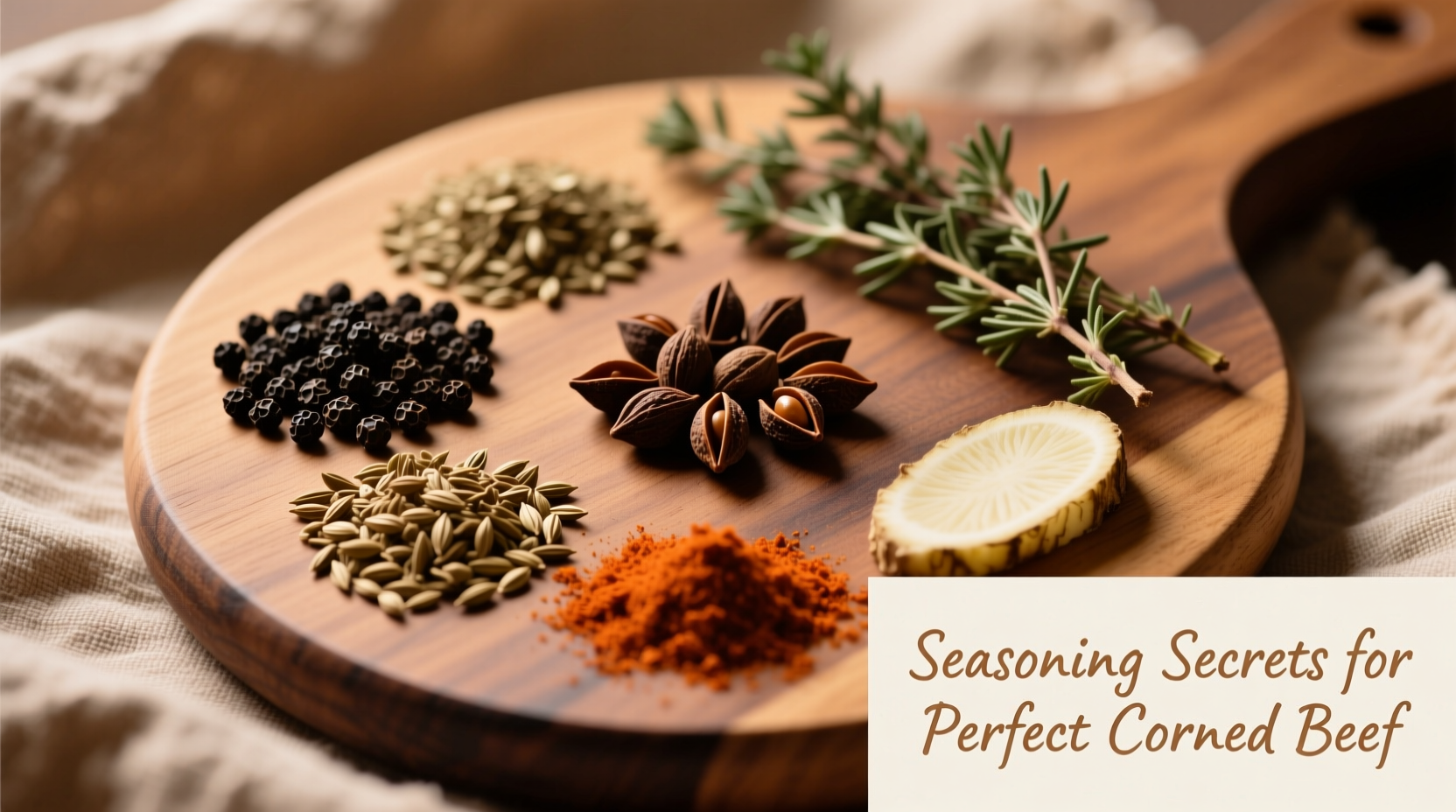
Corned beef refers to a cut of beef—typically brisket—that has been cured in a seasoned brine containing salt, sugar, sodium nitrite (for color retention), and a blend of warming spices. The term “corned” originates from the large “kernels” or grains of rock salt historically used in preservation. While modern versions use finer salts, the curing process remains central to the dish’s identity. After curing, the beef is simmered slowly until fork-tender, allowing connective tissues to break down and flavors to penetrate deeply.
The flavor foundation of corned beef hinges not only on the cure but also on the aromatics introduced during cooking. These seasonings serve multiple functions: balancing saltiness, adding floral or earthy notes, contributing sweetness or heat, and enhancing the overall mouthfeel through volatile compounds released during long simmering. The most effective spice combinations mirror those found in charcuterie traditions—rooted in European preservation methods where spices both preserved and flavored meats before refrigeration.
Key Characteristics of Essential Corned Beef Seasonings
The ideal corned beef seasoning blend harmonizes sweet, pungent, warm, and slightly bitter elements. Below are the core spices used, along with their defining traits:
| Spice | Flavor Profile | Aroma | Heat Level | Culinary Function | Shelf Life (Whole/Ground) |
|---|---|---|---|---|---|
| Mustard Seed (yellow/brown) | Pungent, nutty, slightly bitter | Sharp, tangy when crushed | Low to moderate | Emulsifies fats, adds texture, cuts richness | 3–4 years / 1–2 years |
| Coriander Seed | Citrusy, floral, mildly sweet | Fresh, lemon-lime zest | None | Balances salt, rounds out harsh edges | 3–4 years / 1–2 years |
| Black Peppercorns | Sharp, woody, mildly acidic | Pungent, spicy | Moderate | Provides backbone heat and depth | 4+ years / 1–2 years |
| Allspice Berries | Warm, clove-like, with cinnamon and nutmeg notes | Sweet, baking-spice aroma | Low | Adds complexity without overpowering | 4 years / 2 years |
| Cinnamon Stick (Ceylon preferred) | Sweet, woody, delicate warmth | Floral, balsamic | None | Softens salt perception, enhances sweetness | 4 years / 2–3 years |
| Bay Leaf (dried) | Bitter, herbal, tea-like | Eucalyptus, laurel | None | Background note, improves broth clarity | 2–3 years |
| Cloves | Intensely sweet, medicinal, sharp | Penetrating, warm | Moderate (use sparingly) | Deepens color and aroma; potent in small doses | 4 years / 2 years |
| Dill Seed | Grassy, anise-like, clean finish | Fresh, herbaceous | Low | Classic pairing, especially in deli-style versions | 3 years / 1 year |
Practical Usage: How to Use These Seasonings Effectively
Applying seasonings to corned beef isn't about quantity—it's about timing, form, and synergy. Whole spices are almost always preferable to ground when simmering, as they release flavor gradually and can be easily removed before serving. Ground spices tend to cloud the broth and can become bitter if overcooked.
For optimal results, follow a layered approach:
- Start with the brine (if curing at home): Dissolve non-volatile ingredients like salt, sugar, and curing salt first. Add whole spices and simmer the brine for 5–10 minutes to extract oils, then cool completely before submerging the brisket. A typical homemade brine includes 1 tablespoon each of mustard seeds, coriander seeds, black peppercorns, allspice berries, and 2–3 bay leaves per gallon of liquid.
- Add fresh aromatics during cooking: Even if using a store-bought cured brisket, enhance the poaching liquid with additional whole spices. Include one cinnamon stick (2-inch piece), 6–8 whole cloves, 1 tablespoon dill seed, and 2 crushed garlic cloves. These infuse the meat as it cooks without overwhelming it.
- Use a spice sachet or cheesecloth bundle: Tie whole spices in muslin or place them in a reusable tea strainer to keep the pot tidy and simplify removal after cooking. Avoid loose spices that sink and burn on the pot bottom.
- Layer complementary vegetables: Onions, carrots, and celery aren’t just side dishes—they’re functional aromatics. As they cook alongside the beef, they absorb excess salt and contribute natural sweetness that balances the spice profile.
Pro Tip: Toast whole spices lightly in a dry skillet before adding them to the brine or cooking liquid. This intensifies their essential oils—especially effective for mustard and coriander seeds—unlocking deeper flavor without increasing volume.
Variants & Types of Spice Blends
Not all corned beef is seasoned the same way. Regional and cultural interpretations yield distinct profiles, each suited to different serving styles—from Reubens to hash to standalone entrées.
1. Classic Irish-American Blend
This is the standard mix found in most commercial kits: heavy on mustard seed, black pepper, coriander, and allspice. It delivers balanced warmth with a slight tang. Ideal for traditional boiled dinners served with potatoes and cabbage.
2. Deli-Style (New York Jewish Deli)
Features prominent dill seed and sometimes caraway, reflecting Ashkenazi influences. Often includes extra garlic and onion powder in the cure. Results in a more assertive, pickled character perfect for slicing thin and serving on rye.
3. Spiced-Sweet Variation (Caribbean-Influenced)
Incorporates additional cinnamon, star anise, and even a splash of rum or molasses in the cooking liquid. Clove and allspice dominate here, creating a richer, dessert-like warmth. Common in Jamaican-style \"corned beef\" dishes, often paired with yams or plantains.
4. Smoked Corned Beef Rub (Texas-Inspired)
Used when smoking instead of boiling. Combines traditional corned beef spices with smoked paprika, brown sugar, and chili flakes. Applied as a dry rub post-brining, then slow-smoked to develop bark and smoke ring.
| Style | Dominant Spices | Unique Additions | Best Serving Method |
|---|---|---|---|
| Irish-American | Mustard seed, coriander, black pepper, allspice | Bay leaf, garlic | Boiled with root vegetables |
| Deli-Style | Dill seed, coriander, garlic, onion | Caraway (optional), extra salt | Thinly sliced for sandwiches |
| Caribbean-Influenced | Clove, allspice, cinnamon, star anise | Rum, molasses, ginger | Stewed with tubers or rice |
| Smoked Rub | Black pepper, mustard, smoked paprika | Brown sugar, chili powder | Sliced or chopped for tacos, platters |
Comparison with Similar Ingredients
Some spices commonly associated with other cuisines are mistakenly interchanged with traditional corned beef seasonings. Understanding the differences ensures authenticity and prevents off-flavors.
- Caraway vs. Dill Seed: Often confused due to similar appearance, but caraway has a stronger anise and rye bread character. While acceptable in some deli versions, it’s not traditional in Irish preparations. Use dill seed for classic profiles.
- Ground Mustard vs. Mustard Seed: Ground mustard dissolves quickly and can make the broth muddy and overly sharp. Whole seeds crack open during cooking, releasing flavor gradually and providing pleasant textural bursts.
- Nutmeg vs. Allspice: Nutmeg is sweeter and more delicate, lacking the clove-cinnamon complexity of allspice. Substituting nutmeg diminishes the signature warmth of corned beef.
- Cassia vs. Ceylon Cinnamon: Cassia (common grocery-store cinnamon) is thicker, more pungent, and slightly bitter. Ceylon cinnamon is softer, multi-layered, and better suited for subtle enhancement without dominating.
“The magic of corned beef seasoning lies in restraint. One extra clove can tip the balance from aromatic to medicinal. Always err on the side of less—you can adjust later, but you can’t take it out.”
— Chef Miriam Roth, Culinary Instructor, Institute of Artisan Foods
Practical Tips & FAQs
How much seasoning should I use for a 3–4 lb brisket?
For a balanced result, use no more than 2 tablespoons total of whole spices. A standard ratio: 1 tsp each mustard seed, coriander seed, black peppercorns, allspice berries; 2 bay leaves; 1 small cinnamon stick; 4–6 whole cloves; 1 tsp dill seed. Adjust based on personal preference, but never exceed 1 tablespoon of any single spice.
Can I use pre-made seasoning packets?
Yes, but they often contain anti-caking agents and excess salt. To improve flavor, supplement with fresh garlic, onion, and an extra bay leaf. For better control, make your own blend using whole spices from a reputable spice merchant.
Should I add liquid beyond water?
Substituting part of the cooking liquid with beer (especially stout or porter), cider vinegar, or beef broth enhances depth. Beer contributes malty sweetness that offsets salt, while vinegar helps tenderize fibers. Use a 50/50 mix of water and beer for best results.
What if my corned beef tastes too salty?
Rinse the brisket under cold water before cooking to remove surface salt. Simmer in fresh water for 10–15 minutes, discard the liquid, then proceed with seasoned liquid. Adding a peeled potato or two to the pot during the last hour can also help absorb excess salt.
How long do whole spices last?
Stored in airtight containers away from light and heat, whole spices retain potency for 3–4 years. Label jars with purchase dates. Grind only what you need to preserve freshness.
Can I reuse the spice sachet?
No. Once used in cooking, the spices have released most of their volatile oils. Discard after one use. Compost if possible.
Is there a vegetarian alternative to corned beef seasoning?
Absolutely. The spice blend works well with jackfruit, mushrooms, or seitan. Use the same proportions in a simmering liquid to create a plant-based version with authentic depth.
Storage Tip: Keep whole spices in dark glass jars, stored in a cool, dry cupboard. Avoid placing near the stove or oven, where heat degrades essential oils. For maximum longevity, buy in small quantities from suppliers with high turnover.
Summary & Key Takeaways
Corned beef’s reputation as a simple comfort food belies its potential for sophisticated flavor development. The right seasonings—applied thoughtfully and in proper proportion—elevate the dish from monotonous to memorable. Mustard seed, coriander, black pepper, allspice, cinnamon, cloves, bay leaf, and dill seed form the core ensemble, each playing a distinct role in balancing salt, adding warmth, and building aromatic complexity.
Key practices include using whole spices over ground, employing a spice sachet for clean infusion, toasting spices lightly to awaken oils, and adjusting the cooking liquid with beer or broth for added dimension. Regional variations offer creative avenues—from deli-style dill-heavy profiles to Caribbean-infused sweet-spice blends—allowing home cooks to tailor the dish to their palate.
Ultimately, mastering corned beef seasoning is about understanding synergy: how individual components interact over time to create a unified, satisfying taste experience. Whether preparing a holiday meal or crafting sandwich-worthy leftovers, attention to spice selection and technique ensures results that honor tradition while inviting innovation.
Experiment with these seasonings, take notes, and refine your blend—your perfect corned beef is just a spice adjustment away.