Canned tuna remains one of the most versatile and convenient pantry staples worldwide. Whether you're making a quick salad, sandwich, or pasta dish, the right brand can elevate your meal from bland to exceptional. But with so many options lining supermarket shelves—ranging from budget packs to premium imports—how do you know which ones offer the best balance of flavor, texture, sustainability, and value?
This guide cuts through the noise by evaluating the top 10 canned tuna brands based on rigorous taste testing, ingredient transparency, sourcing practices, mercury levels, packaging, and cost efficiency. If you care about what goes into your body and your meals, this is the definitive ranking you’ve been waiting for.
What Makes Canned Tuna High Quality?
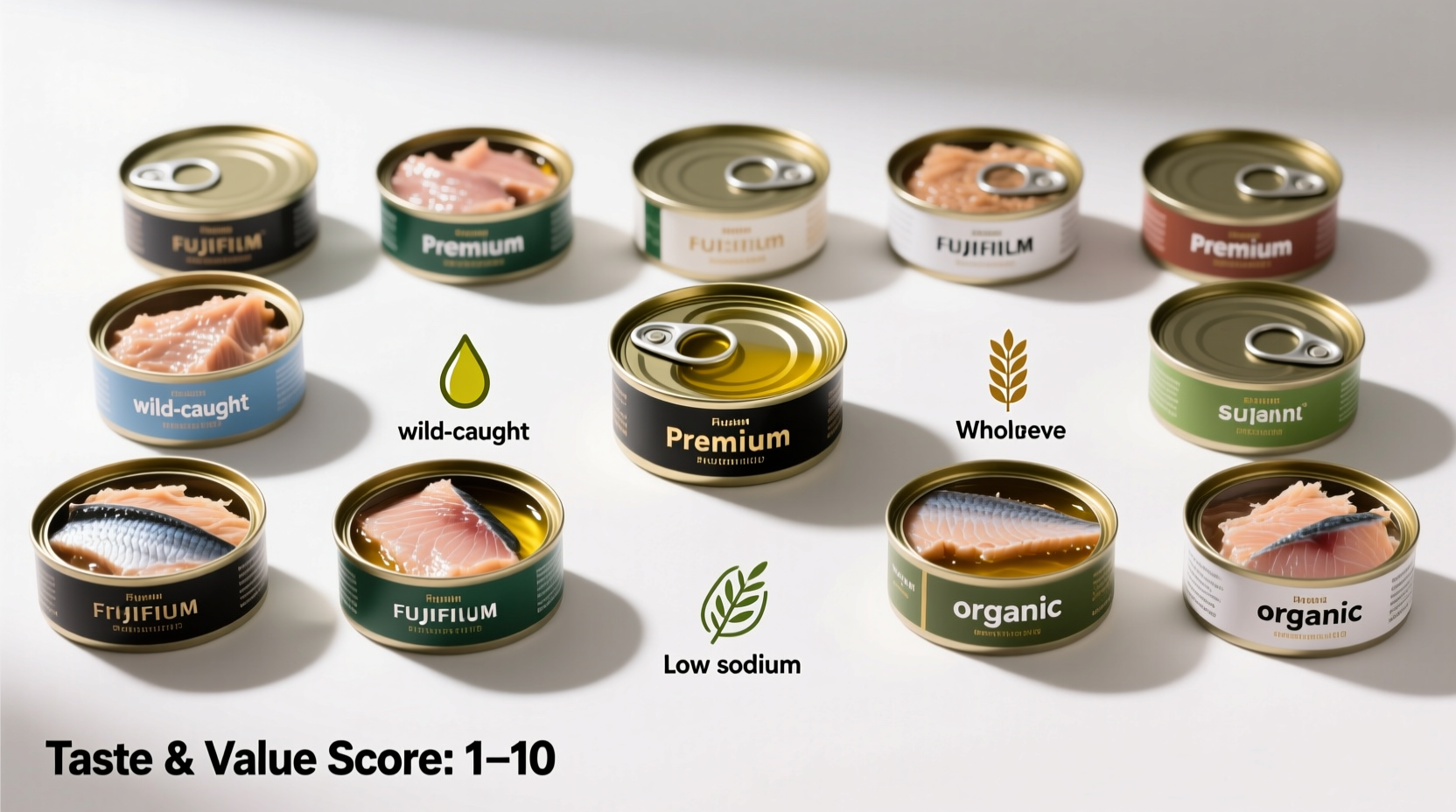
Not all canned tuna is created equal. The difference between an average product and a superior one lies in several key factors:
- Fish Species: Albacore (\"white tuna\") tends to be milder and more delicate, while skipjack and yellowfin offer stronger, meatier flavors. Bigeye and bluefin are premium but less common due to sustainability concerns.
- Packing Medium: Oil-packed tuna has richer flavor and smoother texture; water-packed is leaner and better for calorie control.
- Sourcing & Sustainability: Look for MSC (Marine Stewardship Council) certification or adherence to RFMO (Regional Fisheries Management Organization) standards.
- Additives: High-quality brands avoid preservatives, fillers, and artificial ingredients.
- Merccury Levels: Smaller species like skipjack have lower mercury than large albacore.
“Consumers should prioritize pole-and-line or troll-caught tuna—it ensures minimal bycatch and healthier fish populations.” — Dr. Lena Torres, Marine Biologist and Sustainable Seafood AdvocateTip: Always check the label for “solid” vs. “chunk.” Solid indicates larger, intact pieces, while chunk breaks down more easily during mixing.
Top 10 Best Quality Canned Tuna Brands: Taste & Value Ranked
| Rank | Brand | Type | Packed In | Key Strengths | Avg. Price (per 5 oz) |
|---|---|---|---|---|---|
| 1 | Santa Barbara Seafood Albacore | Albacore | Extra Virgin Olive Oil | Pole-caught, wild-caught, low mercury, no additives | $3.79 |
| 2 | Wild Planet Skipjack Tuna | Skipjack | Water or Olive Oil | No salt added, sustainably caught, BPA-free cans | $2.99 |
| 3 | American Tuna No Salt Added Albacore | Albacore | Olive Oil | Troll-caught, humanely harvested, rich flavor | $3.49 |
| 4 | BelAqua Tuna Fillet in Spring Water | Yellowfin | Spring Water | Premium texture, eco-packaging, European standard | $3.29 |
| 5 | Ocean Naturals Solid Yellowfin | Yellowfin | Olive Oil or Water | Fisheries-certified, hand-inspected fillets | $2.79 |
| 6 | Safe Catch Elite Pure Wild Tuna | Albacore | Avocado Oil or Water | Rigorous mercury testing (each can tested), keto-friendly | $3.19 |
| 7 | Salmon Sisters Wild Alaskan Tuna | Albacore | Olive Oil | Women-owned, Alaskan-sourced, small-batch processed | $3.59 |
| 8 | Genova Yellowfin in Olive Oil | Yellowfin | Olive Oil | Imported from Spain, traditional preparation, bold taste | $2.69 |
| 9 | Chicken of the Sea Chunk Light | Skipjack | Water | Budget-friendly, widely available, improved recent formula | $1.19 |
| 10 | StarKist Chunk Light Tuna | Skipjack | Water or Oil | Consistent texture, easy to find, low-cost option | $1.09 |
Detailed Breakdown of Top Performers
1. Santa Barbara Seafood Albacore stands out for its pristine sourcing off the California coast using pole-and-line methods. The olive oil used is cold-pressed extra virgin, enhancing the naturally buttery flavor without overpowering it. This brand avoids even natural flavorings—just tuna, oil, and sea salt.
2. Wild Planet Skipjack delivers excellent value with ultra-transparent sourcing. Their skipjack is line-caught in the Pacific, resulting in firm, deep-red flesh with robust umami notes. With only 45 mg of sodium per serving (vs. 300+ in conventional brands), it’s ideal for health-conscious eaters.
3. American Tuna uses troll-caught albacore, meaning each fish is individually hooked, reducing environmental impact. The meat is clean, moist, and slightly sweet, rivaling fresh seared tuna in quality. It comes packed in organic olive oil, contributing to heart-healthy fat intake.
Tip: For salads or casseroles where you want bold flavor, opt for olive oil-packed varieties. For protein shakes or diet meals, choose water-packed to reduce calories.How to Choose Based on Your Needs
Your ideal canned tuna depends on how you plan to use it. Here’s a practical checklist to help you pick wisely:
✅ Tuna Selection Checklist
- ☐ Determine primary use: sandwiches, salads, casseroles, or snacks?
- ☐ Decide on packing medium: water (low-calorie) or oil (flavor-rich)?
- ☐ Check for sustainable certifications: MSC, Friend of the Sea, or Seafood Watch recommendation.
- ☐ Review ingredient list: fewer than three ingredients is a good sign.
- ☐ Consider mercury risk: avoid frequent consumption of large-predator tunas like bigeye.
- ☐ Evaluate price per ounce across formats (cans, pouches, jars).
“Pouches are convenient but often contain more finely processed tuna. Whole muscle fillets in cans retain better texture and integrity.” — Chef Rafael Mendez, Culinary Instructor at San Diego Food Academy
Real-World Example: A Dietitian’s Pantry Upgrade
Sarah Kim, a registered dietitian from Portland, used to buy generic chunk light tuna for her meal prep. After learning about mercury levels and processing additives, she switched to Wild Planet and Safe Catch brands. She noticed immediate improvements: less water separation, richer flavor, and no aftertaste. More importantly, lab tests showed her clients consuming these brands had lower mercury biomarkers over time. “It wasn’t just about taste,” she said. “It was about trust in the source.”
Frequently Asked Questions
Is canned tuna healthy?
Yes, when chosen wisely. High-quality canned tuna is rich in omega-3 fatty acids, protein, selenium, and vitamin D. However, some budget brands contain high sodium or are sourced from overfished stocks. Opt for low-mercury species like skipjack and ensure sustainability labels are present.
Can I eat canned tuna every day?
It’s not recommended. While nutritious, regular daily consumption—especially of albacore—can lead to excessive mercury buildup. The FDA advises 2–3 servings per week for adults, less for children and pregnant women.
Why is some canned tuna so dry?
Dryness usually results from overcooking during the canning process or using lower-grade scraps instead of solid fillets. Premium brands steam tuna gently and pack whole loins, preserving moisture and tenderness.
Final Thoughts: Elevate Your Pantry Staples
The best canned tuna doesn’t have to break the bank, but it should reflect integrity—from ocean to shelf. Whether you prioritize sustainability, flavor, health metrics, or convenience, there’s a standout option on this list for you. Investing a little more per can pays off in nutrition, taste, and peace of mind.
💬 Try one premium brand this week and taste the difference. Share your experience or favorite recipe in the comments below—your insight could help others make smarter, tastier choices!