For individuals managing blood sugar—whether due to prediabetes, type 2 diabetes, or metabolic syndrome—understanding the glycemic impact of everyday foods is essential. Tomatoes are a kitchen staple, valued for their bright flavor and versatility, but many wonder: do they raise blood glucose? The answer lies in examining the glycemic index (GI) of tomatoes, their carbohydrate composition, and how preparation and pairing influence their effect on insulin response. Despite being botanically a fruit, the tomato functions as a vegetable in culinary practice and plays a unique role in low-glycemic diets. This article provides a comprehensive analysis of the tomato’s glycemic profile, supported by nutritional science, practical cooking guidance, and clinical insights relevant to both health-conscious eaters and those navigating glucose-sensitive conditions.
Definition & Overview
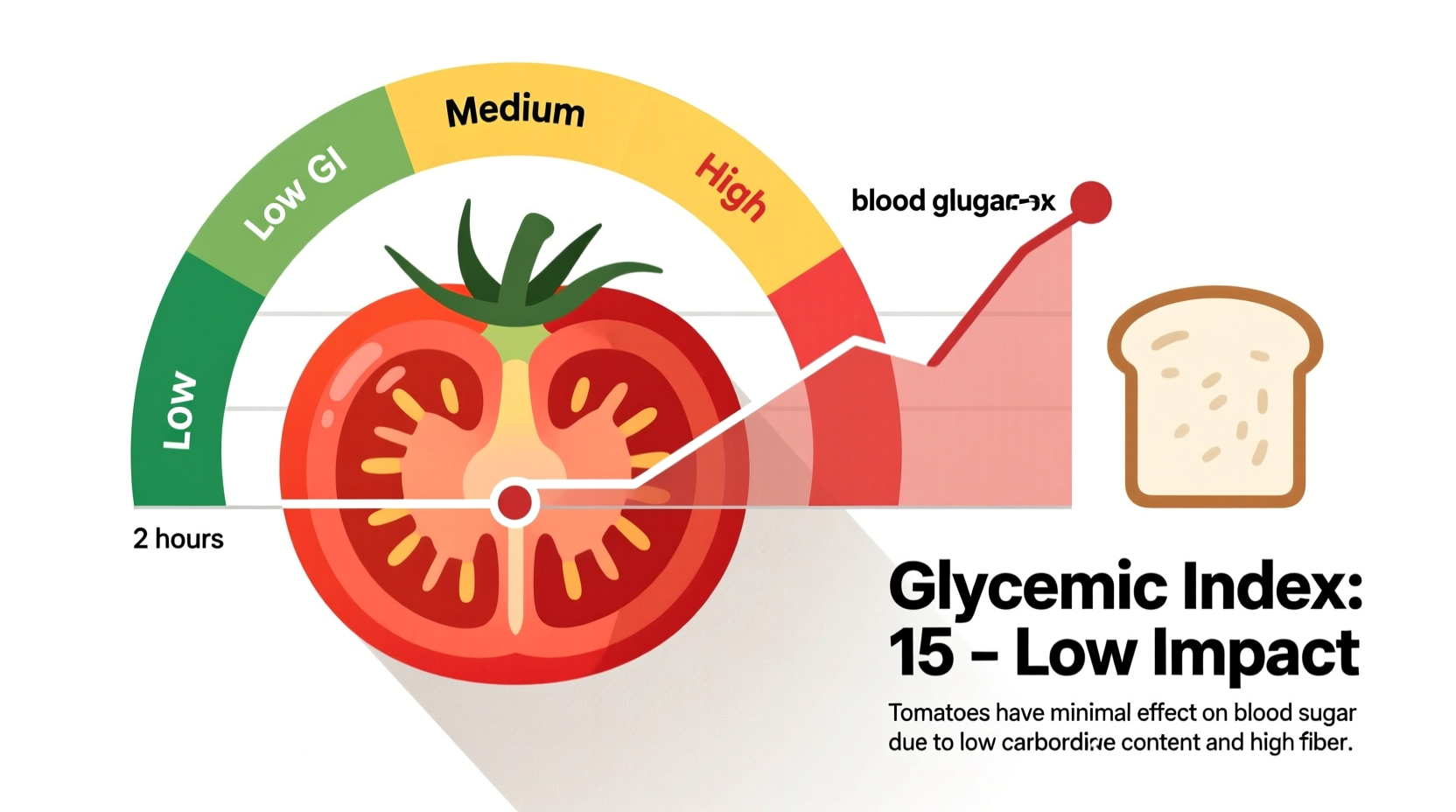
The Solanum lycopersicum, commonly known as the tomato, is a nutrient-dense, low-calorie food widely used across global cuisines. Though classified as a fruit due to its seed-bearing structure, it is culinarily treated as a vegetable. Native to western South America, tomatoes were introduced to Europe in the 16th century and have since become foundational in Mediterranean, Middle Eastern, Latin American, and Asian cooking.
Nutritionally, tomatoes are rich in water (about 95%), low in carbohydrates, and packed with bioactive compounds such as lycopene, vitamin C, potassium, and beta-carotene. Their natural acidity and umami depth make them ideal for sauces, soups, salads, and condiments. From a metabolic standpoint, tomatoes are considered a low-glycemic food, meaning they have minimal impact on blood glucose levels when consumed in typical serving sizes.
The glycemic index measures how quickly a carbohydrate-containing food raises blood glucose compared to pure glucose (GI = 100). Foods with a GI below 55 are classified as low, 56–69 as medium, and 70+ as high. Most whole, unprocessed fruits and vegetables fall into the low-GI category, and tomatoes are no exception.
Key Characteristics of Tomatoes
- Glycemic Index: Approximately 15–38, depending on variety and ripeness (average ~30).
- Carbohydrate Content: 3–4 grams per 100 grams (raw), with about 2.7 grams of sugar (mainly glucose and fructose).
- Dietary Fiber: 1.2 grams per 100 grams, contributing to slow digestion and stable glucose release.
- Water Content: ~95%, diluting carbohydrate density and reducing glycemic load.
- pH Level: Slightly acidic (pH 4.3–4.9), which may influence gastric emptying and carbohydrate metabolism.
- Lycopene Content: A powerful antioxidant associated with reduced inflammation and improved insulin sensitivity.
- Caloric Density: Only 18 kcal per 100 grams, making it ideal for weight and glucose management.
Expert Insight: \"The combination of low digestible carbs, high water, and fiber makes tomatoes one of the safest plant foods for people monitoring blood sugar. Even in larger portions, their glycemic load remains negligible.\" — Dr. Elena Martinez, Registered Dietitian and Diabetes Educator
Glycemic Load vs. Glycemic Index: Why Both Matter
While the glycemic index indicates speed of glucose rise, the glycemic load (GL) accounts for both speed and total carbohydrate amount in a typical serving. GL is calculated as:
GL = (GI × grams of available carbs per serving) ÷ 100
For example, a 150-gram serving of raw red tomato (about one medium tomato):
- GI: 30
- Net Carbs: ~4.5 g
- GL = (30 × 4.5) ÷ 100 = 1.35
A GL under 10 is considered low. With a glycemic load of just over 1, tomatoes exert almost no measurable effect on blood glucose in real-world eating scenarios. This makes them not only safe but beneficial in diabetic meal planning.
Variants & Types: How Form Affects Glycemic Impact
Not all tomato products are metabolically equal. Processing, concentration, and added ingredients can significantly alter glycemic response. Below is a comparison of common tomato forms:
| Tomato Product | Approx. GI | Carbs per 100g | Glycemic Load (per 100g) | Notes |
|---|---|---|---|---|
| Raw Red Tomato | 15–38 | 3.9 g | 0.6–1.4 | Lowest impact; ideal for salads, salsas, fresh applications |
| Cherry Tomatoes | 20–30 | 4.2 g | 0.8–1.3 | Slightly sweeter but still very low GL; excellent snack option |
| Tomato Juice (unsweetened) | 30–40 | 4.0–5.0 g | 1.2–2.0 | No added sugar is critical; fiber removed, so slightly faster absorption |
| Canned Diced Tomatoes | 35–45 | 5.5 g | 1.9–2.5 | Often contain citric acid; check labels for added sugars |
| Tomato Paste | 60–70 | 25–30 g | 15–21 | Highly concentrated; use sparingly in stews and sauces |
| Ketchup (commercial) | 54–68 | 25–35 g | 10–15 | High in added sugar; avoid or choose low-sugar versions |
As shown, processing increases carbohydrate density and reduces fiber, leading to higher glycemic impact. Whole, fresh tomatoes remain the optimal choice for blood sugar control.
Practical Usage: Incorporating Tomatoes into Low-GI Diets
Tomatoes are not only safe for glucose management—they are actively beneficial. Their high lycopene content has been linked in multiple studies to improved insulin sensitivity and reduced oxidative stress in individuals with type 2 diabetes. Here are evidence-based ways to use tomatoes in daily meals while minimizing glycemic disruption:
1. Raw Applications
Use raw tomatoes in salads, bruschetta, pico de gallo, or as a garnish. Pairing with healthy fats (e.g., olive oil, avocado) enhances lycopene absorption by up to 4-fold. The fat also slows gastric emptying, further stabilizing blood sugar.
\"Lycopene is fat-soluble. Consuming tomatoes with a source of monounsaturated fat like extra virgin olive oil maximizes antioxidant benefits and supports metabolic health.\" — Journal of Nutrition, 2021
2. Cooked Sauces (Low-Sugar Versions)
Simmer fresh or canned tomatoes into sauces for pasta, curries, or shakshuka. Avoid adding sugar or honey. Use natural sweetness enhancers like caramelized onions or roasted red peppers instead.
Recipe Tip: For a low-GI marinara, sauté garlic in olive oil, add crushed San Marzano tomatoes (no sugar added), basil, and oregano. Simmer 20 minutes. Serve over lentil or chickpea pasta for balanced macronutrients.
3. Blended Soups and Gazpachos
Cold tomato soup (gazpacho) made with cucumbers, bell peppers, vinegar, and olive oil has a low glycemic load and is hydrating. Avoid blending with bread or potatoes, which increase GL.
4. Egg Dishes
Add diced tomatoes to omelets, frittatas, or breakfast bowls. The protein and fat from eggs buffer any minor glucose fluctuation from the tomatoes’ natural sugars.
5. Snacking and Appetizers
Cherry tomatoes with hummus or tzatziki offer a satisfying, low-GI snack. The legume- or dairy-based dips provide protein and fat, moderating the overall glycemic response.
Actionable Tip: When reading labels on canned or jarred tomato products, look for “no sugar added” and avoid ingredients like high-fructose corn syrup, cane sugar, or fruit juice concentrate. Even small amounts can shift a low-GI food into a moderate-impact item.
Comparison with Similar Ingredients
Tomatoes are sometimes confused with other nightshade fruits or sweet vegetables. Understanding key differences helps maintain glycemic control.
| Food | GI | Carbs (g/100g) | Key Difference |
|---|---|---|---|
| Tomato | 30 | 3.9 | Low sugar, high water, rich in lycopene |
| Red Bell Pepper | 15–30 | 6.0 | Sweeter but still low GI; higher vitamin C |
| Carrot (raw) | 35 | 9.6 | Higher in starch and sugar; moderate GL in large servings |
| Beetroot (boiled) | 64 | 10.5 | Significantly higher GI; use sparingly in diabetic diets |
| Mango (fresh) | 51 | 15 g | Fruit with moderate GI; portion control needed |
Unlike mangoes or beets, tomatoes deliver sweetness without spiking glucose. They are more comparable to cucumbers and zucchini in metabolic impact, though richer in flavor and antioxidants.
Practical Tips & FAQs
Do ripe tomatoes have a higher glycemic index than green ones?
Riper tomatoes tend to have slightly higher sugar content and thus a marginally elevated GI (up to 38 vs. 15–20 for underripe). However, the difference is clinically insignificant in normal portions. Green tomatoes (often fried or pickled) are lower in sugar but may be prepared with flour or sugar, increasing overall GL.
Can people with diabetes eat tomatoes freely?
Yes. Major diabetes associations—including the American Diabetes Association and Diabetes UK—classify tomatoes as a non-starchy vegetable and recommend them daily. Their low carbohydrate content and high nutrient density make them an excellent choice.
Does cooking increase the glycemic index of tomatoes?
Cooking breaks down cell walls, potentially increasing the availability of sugars. However, because tomatoes are so low in digestible carbs to begin with, this effect is negligible. In fact, cooking increases lycopene bioavailability, enhancing health benefits.
Are heirloom tomatoes different metabolically?
Heirloom varieties vary in sugar content but generally fall within the same 3–5 g/100g range. Their GI may differ slightly based on ripeness and cultivar, but not enough to affect dietary recommendations.
How much tomato can I eat per day on a low-carb or diabetic diet?
A serving of 1–2 cups (150–250g) per day is safe and encouraged. Even at 250g, total net carbs remain under 10g, well within most therapeutic diets. Focus on avoiding processed tomato products with added sugars.
What are the best tomato substitutes if I need ultra-low carb?
For strict ketogenic diets (<20g carbs/day), consider replacing tomatoes with:
- Zucchini (2.1g carbs/100g)
- Cucumber (3.6g carbs/100g)
- Green bell pepper (4.6g carbs/100g, but higher in fiber)
Note: These lack lycopene, so occasional tomato use is still preferable if carb budget allows.
Storage and Shelf Life
To preserve flavor and nutritional quality:
- Store ripe tomatoes at room temperature away from direct sunlight. Refrigeration dulls flavor and alters texture.
- Use within 3–5 days of ripening.
- For long-term storage, freeze cooked tomato sauce (without dairy) for up to 6 months.
- Canned tomatoes (BPA-free linings preferred) last 12–18 months unopened.
Pro Tip: Never store tomatoes in the fridge unless they are cut or fully ripe and you plan to consume them within 24 hours. Cold temperatures degrade volatile flavor compounds and accelerate mealy texture development.
Summary & Key Takeaways
Tomatoes are a cornerstone of healthy, blood sugar-friendly eating. With a glycemic index averaging around 30 and a glycemic load under 2 per serving, they pose virtually no risk to glucose control when consumed in whole, unprocessed form. Key points to remember:
- Tomatoes are low-GI and low-GL, making them safe for diabetics and low-carb diets.
- Processing (e.g., ketchup, paste) increases carbohydrate density and glycemic impact—choose whole or minimally processed forms.
- Lycopene in tomatoes supports insulin sensitivity and cardiovascular health.
- Pairs ideally with healthy fats, proteins, and fiber-rich foods to stabilize blood sugar.
- Always check labels: avoid added sugars in canned or bottled tomato products.
- One to two medium tomatoes per day can be included freely in most therapeutic diets.
Incorporating tomatoes into your meals isn’t just safe—it’s a proactive step toward better metabolic health. Whether sliced fresh, simmered into sauce, or blended into soup, this vibrant fruit-vegetable delivers unmatched flavor and science-backed benefits with minimal glycemic cost.
Call to Action: Audit your pantry today. Replace sugary ketchup with a homemade version using no-added-sugar tomato paste, apple cider vinegar, and spices. Your taste buds—and your blood sugar—will thank you.