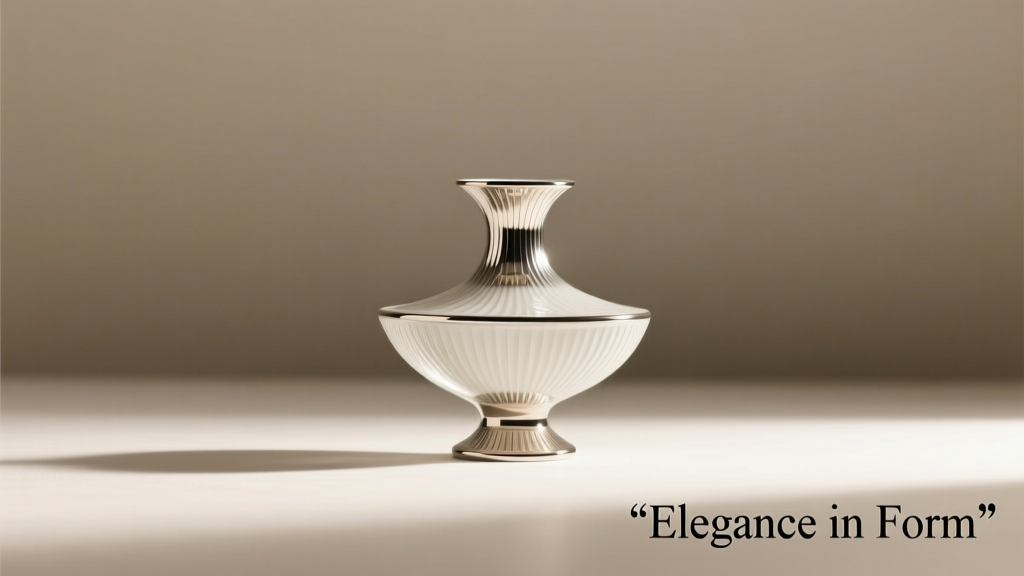
Types of Tea Sugar Dabbas
A tea sugar dabba is more than just a storage container—it's a functional and often decorative kitchen essential used across households, especially in South Asian cultures, to organize tea ingredients. These dabbas come in various styles, materials, and configurations, each designed to suit different lifestyles, aesthetics, and brewing preferences. Whether you're making a simple cup of chai or a spiced masala tea, there's a dabba tailored to your needs.
From traditional multi-compartment sets to modern minimalist designs, tea sugar dabbas help keep your tea station neat, ingredients fresh, and preparation efficient. Below is a detailed breakdown of the most common types available today.
Traditional Tea Sugar Dabba
Typically crafted from stainless steel, aluminum, or brass, this classic design features multiple compartments in a single unit. Each section is dedicated to storing tea leaves, sugar, milk powder, or even small spices.
Advantages
- Highly functional with organized storage
- Durable and long-lasting materials
- Easy access to all tea ingredients
- Resistant to moisture and pests
Limitations
- Bulkier than single containers
- May tarnish over time (especially brass/aluminum)
- Limited aesthetic variety in basic models
Best for: Daily tea preparation, family use, traditional kitchens
Tea & Sugar Dabba with Spice Containers
An enhanced version of the traditional dabba, this type includes additional small jars or compartments specifically for spices like cardamom, cloves, cinnamon, and ginger—key ingredients in masala chai.
Advantages
- All-in-one solution for spiced tea lovers
- Preserves spice freshness and aroma
- Saves counter space with integrated design
- Ideal for frequent masala tea drinkers
Limitations
- Spice compartments may be too small for frequent use
- Harder to clean due to multiple parts
- Not all models include airtight seals
Best for: Masala tea enthusiasts, spice-heavy brewing, compact kitchens
Vintage Tea Sugar Dabbas
Often made from brass or copper, vintage dabbas are prized for their craftsmanship, intricate engravings, and nostalgic appeal. Originally heirloom pieces, many are now reproduced with authentic designs for modern use.
Advantages
- Unique, artistic designs with cultural significance
- Made from robust, long-lasting metals
- Adds elegance and heritage to kitchen décor
- Often handcrafted with attention to detail
Limitations
- Requires regular polishing to prevent tarnishing
- Higher price point due to craftsmanship
- May not be food-safe unless lined properly
Best for: Collectors, traditional homes, decorative use with functional value
Modern & Minimalistic Dabbas
Designed for contemporary kitchens, these dabbas use sleek materials like glass, acrylic, or matte-finish metals. They focus on clean lines, transparency, and aesthetic harmony with modern décor.
Advantages
- Visually appealing and stylish
- Transparent containers allow easy content identification
- Easy to clean and maintain
- Fits well in modern, minimalist spaces
Limitations
- Less durable than metal dabbas (especially acrylic)
- May not offer full protection from light and moisture
- Limited traditional functionality
Best for: Urban kitchens, aesthetic-focused spaces, display-oriented storage
Travel-Friendly Dabbas
Compact, lightweight, and securely sealed, these portable dabbas are perfect for travelers, office use, or outdoor tea lovers. Most feature leak-proof lids and multiple compartments in a small footprint.
Advantages
- Portable and easy to carry
- Prevents spills and keeps contents fresh
- Ideal for road trips, camping, or work
- Space-efficient and durable
Limitations
- Smaller capacity limits bulk storage
- Fewer compartments than full-sized sets
- May lack aesthetic appeal
Best for: On-the-go tea lovers, students, travelers, office use
| Type | Material | Best For | Durability | Portability |
|---|---|---|---|---|
| Traditional Dabba | Stainless Steel, Brass, Aluminum | Daily home use, family tea time | High | Medium |
| With Spice Containers | Stainless Steel + Small Jars | Masala tea lovers, spice storage | High | Medium |
| Vintage Dabba | Brass, Copper | Decorative use, heritage kitchens | Very High | Low |
| Modern Minimalistic | Glass, Acrylic, Matte Metal | Contemporary kitchens, display | Medium | Medium |
| Travel-Friendly | Plastic, Lightweight Metal | On-the-go, office, travel | Medium | High |
Expert Tip: To extend the life of metal dabbas—especially brass or copper—clean them regularly with a mixture of lemon and baking soda, then dry thoroughly to prevent oxidation and maintain shine.
Design of Tea Sugar Dabbas: Tradition, Function, and Aesthetics
Tea sugar dabbas are more than just functional storage containers—they are a blend of artistry, cultural heritage, and practical design. Each dabba tells a story, shaped by regional traditions, user needs, and evolving aesthetic preferences. From ornate brass pieces passed down through generations to sleek modern versions suited for minimalist kitchens, the design of tea sugar dabbas reflects both form and function.
Their design can be analyzed across four key dimensions: material choice, decorative elements, functionality, and physical dimensions. Understanding these aspects helps users make informed choices based on durability, style, usability, and space considerations.
Material-Based Design: Durability Meets Aesthetic
Stainless Steel
Renowned for its durability and resistance to corrosion, stainless steel is one of the most popular materials for modern tea sugar dabbas. It offers a polished, contemporary look that complements a wide range of kitchen styles. Steel dabbas are easy to clean, long-lasting, and do not react with stored contents, making them ideal for maintaining freshness and hygiene.
Brass
Brass dabbas carry a rich historical and cultural significance, especially in South Asian households. Known for their warm golden hue, these dabbas develop a patina over time, which many appreciate as a sign of authenticity and age. While they require regular polishing to prevent tarnishing, their vintage appeal and traditional craftsmanship make them prized collectibles and heirloom pieces.
Wood
Wooden dabbas, often crafted from teak or sheesham, offer a natural, earthy aesthetic. They are typically sealed to resist moisture and are best suited for dry storage environments. These dabbas bring warmth to a kitchen and are favored in eco-conscious or rustic interiors. However, they require careful maintenance to avoid warping or cracking.
Acrylic & Glass
For a modern, transparent look, some dabbas are made from acrylic or glass. These materials allow users to easily see the contents, aiding in quick identification of tea or sugar levels. They are lightweight and often feature sleek, minimalist designs. While fragile compared to metal, their visual clarity and contemporary flair make them popular in urban and modern kitchens.
Decorative Elements: Culture and Craftsmanship
Decoration plays a vital role in transforming a simple storage container into a cultural artifact. The embellishments on a dabba often reflect regional artistry and personal taste.
Functionality and Ergonomics: Designed for Daily Use
A well-designed tea sugar dabba should be as practical as it is beautiful. Key functional aspects include:
| Feature | Benefit | Common in |
|---|---|---|
| Multiple Compartments | Separate storage for tea leaves, sugar, cardamom, or spices; prevents mixing and improves organization | Modern, modular dabbas |
| Airtight Seals | Preserves freshness by blocking moisture and air; extends shelf life of contents | Steel, glass, and acrylic models |
| Easy-Open Lids | Swing-top, flip, or magnetic lids allow one-handed access, improving convenience during tea preparation | Contemporary and ergonomic designs |
| Stackable Design | Maximizes vertical space in kitchens or pantries; ideal for small storage areas | Modular sets |
Thoughtful ergonomics—such as rounded edges, non-slip bases, and comfortable grip handles—further enhance usability, especially for elderly users or those with limited dexterity.
Size and Shape: Matching Form to Function
The physical dimensions of a dabba should align with its intended use and available storage space.
Size Considerations
Small Dabbas (1–2 cups capacity): Perfect for single users, compact kitchens, or office spaces. Ideal for those who brew tea occasionally.
Medium Dabbas (3–5 cups): Suitable for families of 3–5 members. Balances storage capacity with countertop footprint.
Large/Bulk Dabbas (6+ cups): Designed for commercial use, tea stalls, or large households. Often come with refill indicators or viewing windows.
Shape Variations
Round Dabbas: Offer uniform storage and are easier to clean. Their smooth curves are less likely to collect dust and fit well in circular trays.
Rectangular/Square Dabbas: Maximize space utilization on shelves and countertops. Often stack neatly and are preferred in modern kitchens.
Novelty Shapes: Heart-shaped, animal-shaped, or themed dabbas are popular as gifts or decorative items, though they may sacrifice some practicality.
Tip: When selecting a tea sugar dabba, consider not only aesthetics but also your daily usage patterns, kitchen layout, and maintenance preferences. A beautiful brass dabba may lose its luster without regular care, while a glass one might not suit humid environments. Choose a design that harmonizes beauty, utility, and longevity.
Scenarios for Tea Sugar Dabbas: Practical Uses Across Environments
A tea sugar dabba is more than just a storage container—it's a versatile, functional, and often decorative tool that enhances tea preparation and presentation. Whether in homes, workplaces, hospitality venues, or on the go, the dabba plays a pivotal role in organizing tea essentials. Below is an in-depth exploration of how tea sugar dabbas are utilized in various real-life scenarios, highlighting their benefits and impact on convenience, hygiene, and experience.
Home Kitchens
In domestic settings, the tea sugar dabba is a cornerstone of kitchen organization for tea enthusiasts. Its multi-compartment design allows for the neat separation of loose-leaf teas, sugar types (white, brown, jaggery), and complementary ingredients like cardamom, cinnamon, or dried lemon peel.
- Streamlines morning routines by keeping all tea-making essentials in one accessible, labeled container
- Prevents cross-contamination of flavors and maintains ingredient freshness
- Available in stylish materials like ceramic, stainless steel, or wood, enhancing kitchen décor
- Ideal for households with multiple tea preferences—herbal, black, green, or masala chai
Design tip: Opt for airtight compartments to preserve the aroma and potency of delicate teas.
Offices and Workspaces
In corporate or shared office environments, a communal tea sugar dabba fosters convenience and promotes employee well-being. Placed in break rooms or pantry areas, it centralizes tea supplies and reduces clutter from multiple packaging.
- Encourages self-service culture while minimizing waste from single-use packets
- Supports inclusivity by offering a range of sugar options (including sugar-free) and tea varieties
- Reduces the need for frequent restocking or trips to vending machines
- Contributes to a more organized, professional, and welcoming workspace
Pro insight: A branded or custom-labeled dabba can reflect company culture and serve as a subtle wellness initiative.
Hotels and Cafés
In hospitality, tea sugar dabbas are used both for service and presentation. Whether placed on dining tables, at buffet stations, or behind counters, they elevate the guest experience through neatness and aesthetic appeal.
- Allows guests to customize their tea with precision—choosing sugar levels and tea types effortlessly
- Minimizes spills and mess compared to open bowls or loose packaging
- Enhances visual presentation; polished metal or artisanal dabbas add elegance to table settings
- Supports hygiene standards when equipped with serving spoons or flip-top lids
Service advantage: Hotels use personalized dabbas in premium rooms to offer a boutique tea experience.
Traveling and Outdoor Activities
For travelers, campers, and outdoor adventurers, a portable tea sugar dabba is a game-changer. Compact and spill-proof, it ensures that tea lovers can enjoy their preferred blends anywhere—from mountain trails to road trips.
- Keeps tea leaves and sugar dry and uncontaminated in backpacks or vehicles
- Eliminates the need to carry multiple loose packets or containers
- Ideal for use in hostels, hotels, or campsites with limited kitchen facilities
- Durable models made from stainless steel withstand rugged conditions
Travel hack: Pre-fill compartments with favorite blends for quick, comforting brews on the move.
Gifting and Celebrations
Tea sugar dabbas make thoughtful, practical gifts for housewarmings, festivals, weddings, or corporate events. Their utility, combined with aesthetic appeal, makes them stand out from generic presents.
- Can be personalized with curated tea blends and specialty sugars (e.g., vanilla sugar, rock sugar)
- Often paired with matching spoons, coasters, or recipe cards for a complete gift set
- Suitable across cultures—especially in regions with strong tea traditions (India, UK, Japan, Middle East)
- Eco-friendly alternative to disposable packaging, aligning with sustainable gifting trends
Emotional value: A beautifully arranged dabba conveys care and thoughtfulness, making it a cherished keepsake.
Educational and Wellness Spaces
While not always highlighted, tea sugar dabbas are increasingly used in yoga studios, meditation centers, and wellness retreats to support mindful tea rituals.
- Facilitates herbal tea offerings (chamomile, tulsi, ginger) with natural sweeteners
- Promotes a calm, organized environment conducive to relaxation
- Used in tea ceremonies to emphasize presence and intentionality
- Helps maintain cleanliness in shared wellness spaces
Wellness tip: Label compartments with calming names like "Peace Blend" or "Energy Boost" for a therapeutic touch.
Expert Recommendation: When selecting a tea sugar dabba for any setting, prioritize functionality and material quality. Stainless steel or food-grade ceramic ensures longevity and hygiene, while clearly labeled compartments enhance usability. For gifting or hospitality, choose designs that reflect cultural aesthetics—such as hand-carved wood or traditional enamel work—to add emotional and visual value.
| Usage Scenario | Key Benefits | Recommended Features | Ideal Materials |
|---|---|---|---|
| Home Kitchens | Organization, freshness, aesthetic appeal | Airtight lids, labeled compartments | Ceramic, stainless steel, wood |
| Offices | Efficiency, hygiene, employee satisfaction | Durable build, easy access, portion control | Stainless steel, BPA-free plastic |
| Hotels & Cafés | Presentation, customization, professionalism | Polished finish, serving spoons, spill resistance | Metal, enamel, glass |
| Travel & Outdoors | Portability, protection, convenience | Compact size, leak-proof design, lightweight | Stainless steel, silicone-sealed plastic |
| Gifting | Personalization, elegance, practicality | Decorative design, gift-ready packaging | Handcrafted metal, painted ceramic |
Additional Considerations
- Hygiene Maintenance: Choose dabbas with smooth, non-porous interiors that are easy to clean and resistant to staining.
- Sustainability: Reusable dabbas reduce reliance on single-use tea bags and sugar packets, supporting eco-conscious habits.
- Customization: Some brands offer engraving or color options, making them perfect for corporate gifts or wedding favors.
- Capacity Planning: Match the number of compartments to usage—3-5 sections are ideal for most households or small offices.
- Cultural Relevance: In South Asian homes, dabbas often include space for masala chai spices, reflecting regional tea traditions.
How to Choose the Perfect Tea Sugar Dabba: A Complete Buyer’s Guide
Selecting the ideal tea sugar dabba is more than just a practical decision—it’s about blending functionality, durability, and aesthetic harmony in your kitchen or dining space. Whether you're a tea enthusiast, a hospitality professional, or someone who appreciates traditional Indian kitchenware, choosing the right dabba enhances both your daily ritual and your décor. This comprehensive guide explores the key factors to consider when purchasing a tea sugar dabba, helping you make an informed, confident choice that balances beauty, utility, and longevity.
Important Note: The right tea sugar dabba not only keeps your ingredients fresh but also reflects your personal style and cultural appreciation. Consider your usage frequency, kitchen environment, and maintenance preferences before making a final decision.
Key Factors to Consider When Choosing a Tea Sugar Dabba
- Material: Durability Meets Aesthetic Appeal
The material of your dabba significantly influences its lifespan, maintenance needs, and visual impact. Here’s a breakdown of common materials:
- Stainless Steel: Highly durable, rust-resistant, and easy to clean. It offers a sleek, modern finish that suits contemporary kitchens. Most stainless steel dabbas are dishwasher-safe and require minimal upkeep, making them ideal for daily use.
- Brass: Known for its rich, warm golden hue, brass adds a traditional and elegant touch to your kitchen. However, it is prone to tarnishing and requires regular polishing to maintain its luster. Best suited for decorative or occasional use unless you enjoy the ritual of maintenance.
- Glass: Provides a clean, transparent look that allows you to see the contents easily. Non-reactive and non-tarnishing, glass is excellent for hygiene. However, it is fragile and can break if dropped, so it’s best for low-traffic areas or careful handling.
- Acrylic/Plastic: Lightweight and shatterproof, acrylic dabbas are great for households with children or high-activity kitchens. They come in vibrant colors and modern designs but may scratch over time and are less heat-resistant than metal or glass.
- Size and Capacity: Matching Your Usage Needs
Choosing the right size ensures convenience and prevents waste:
- Personal Use (1–2 people): Opt for a compact dabba with separate compartments for tea leaves and sugar (typically 200–500 ml total capacity). This prevents over-storage and keeps ingredients fresh.
- Family Use (3–5 people): A medium-sized dabba (500–800 ml) offers enough space for regular tea preparation without frequent refills.
- Commercial Use (Tea Stalls, Cafés): Choose large-capacity dabbas (1 liter or more) made of sturdy materials like stainless steel. Look for models with wide openings for easy scooping and refilling.
- Storage Fit: Measure your shelf or countertop space before purchasing. A well-fitted dabba ensures organized storage and prevents clutter in small kitchens.
- Design and Aesthetics: Style That Complements Your Space
Your dabba should not only function well but also enhance your kitchen’s visual appeal:
- Traditional Look: Vintage brass dabbas with intricate engravings, floral patterns, or temple-inspired designs bring an authentic Indian charm. Ideal for homes with ethnic décor or as part of a curated tea-serving set.
- Modern Minimalism: Sleek stainless steel, frosted glass, or matte-finish acrylic dabbas with clean lines suit contemporary kitchens. Look for geometric shapes and neutral tones for a timeless look.
- Hybrid Designs: Some dabbas combine materials—like a brass body with a glass lid or stainless steel with wooden accents—offering both durability and visual interest.
- Lid Type: Hinged, flip-top, or screw-on lids affect both accessibility and sealing efficiency. Choose based on how often you open the container.
- Functionality: Practical Features for Everyday Use
A well-designed dabba enhances convenience and preserves ingredient quality:
- Airtight Seals: Essential for keeping tea leaves aromatic and sugar dry. Look for rubber gaskets or silicone seals that prevent moisture and pests.
- Compartmentalization: Most tea sugar dabbas have two or three sections—one for tea, one for sugar, and sometimes a third for cardamom or cinnamon. Ensure compartments are clearly separated to avoid mixing.
- Integrated Tools: Some premium models include built-in spoons, measuring scoops, or removable trays for easy access and portion control.
- Labeling Options: Clear labels or engraved compartment names help users quickly identify contents, especially in busy kitchens or commercial settings.
- Easy to Maintain: Cleaning and Care Requirements
Consider how much time and effort you’re willing to invest in upkeep:
- Stainless Steel & Acrylic: Can be washed with mild soap and water; many are dishwasher-safe. Resistant to stains and odors.
- Brass: Requires hand washing with warm water and gentle detergent. Must be dried immediately to prevent water spots. Regular polishing with lemon and salt or commercial brass cleaner keeps it shining.
- Glass: Easy to clean but may show water spots or fingerprints. Use vinegar solution for streak-free shine. Avoid sudden temperature changes to prevent cracking.
- Frequency of Use: If used daily, choose low-maintenance materials. For display-only dabbas, higher-maintenance options like brass can be justified for their beauty.
| Material | Pros | Cons | Best For |
|---|---|---|---|
| Stainless Steel | Durable, rust-proof, easy to clean, modern look | Less decorative, can show fingerprints | Daily use, modern kitchens, commercial spaces |
| Brass | Elegant, traditional, antimicrobial properties | Tarnishes easily, requires polishing, heavier | Decorative use, ethnic kitchens, gifting |
| Glass | Transparent, hygienic, non-reactive, stylish | Fragile, shows spots, can break | Display, modern homes, visual appeal |
| Acrylic/Plastic | Lightweight, shatterproof, colorful, affordable | Scratches easily, may absorb odors | Families, outdoor use, children’s kitchens |
Expert Tip: If you're gifting a tea sugar dabba, pair it with a set of traditional tea spoons, loose-leaf tea, or flavored sugar for a thoughtful, complete package. Choose brass or engraved stainless steel for a premium feel.
Final Recommendations
- For daily household use, go with a medium-sized stainless steel dabba with airtight seals and clear compartments.
- For traditional or festive settings, a handcrafted brass dabba with ornate detailing makes a stunning centerpiece.
- For cafés or tea stalls, prioritize large capacity, durability, and easy refilling—stainless steel is the top choice.
- For modern minimalist kitchens, consider a glass or matte-finish acrylic dabba with a sleek design.
- Always check for smooth edges, sturdy lids, and balanced weight to ensure long-term usability.
Ultimately, the perfect tea sugar dabba blends form and function. By considering material, size, design, functionality, and maintenance, you can find a container that not only preserves the freshness of your tea and sugar but also becomes a cherished part of your kitchen ritual. Whether rooted in tradition or tailored to modern tastes, your dabba should reflect your lifestyle and elevate your tea experience.
Frequently Asked Questions About Tea Sugar Dabbas
Q1: What is a tea sugar dabba?A tea sugar dabba is an essential and elegant storage solution designed specifically for tea enthusiasts. More than just a container, it acts as a centralized station for organizing all your tea-making essentials. Typically featuring multiple compartments, a dabba allows you to neatly store various types of tea leaves—such as green, black, oolong, or herbal blends—alongside sweeteners like sugar, jaggery, or honey sticks. Many designs also include dedicated sections for spices (like cardamom, cinnamon, or cloves) and even small tea accessories such as strainers or tea spoons.
This thoughtful organization not only enhances your brewing experience by keeping everything within reach but also adds a touch of tradition and aesthetic charm to your kitchen or tea corner. Whether placed on a countertop or displayed on a shelf, a tea sugar dabba reflects both functionality and cultural appreciation, making it a must-have for casual tea drinkers and serious connoisseurs alike.
Q2: Which materials are tea sugar dabbas made from?Tea sugar dabbas are crafted from a variety of high-quality materials, each offering unique aesthetic, functional, and durability benefits. The choice of material often reflects personal style, intended use, and maintenance preferences:
- Stainless Steel: Known for its strength and resistance to rust and corrosion, stainless steel dabbas are durable, hygienic, and easy to clean. They offer a sleek, modern look and are ideal for everyday use in busy kitchens.
- Brass: Valued for its rich, warm golden hue and vintage appeal, brass dabbas often feature intricate hand-engravings and develop a beautiful patina over time. These are popular in traditional and heritage-inspired homes, though they require occasional polishing to maintain their shine.
- Wood (Sheesham, Mango, or Acacia): Wooden dabbas bring natural warmth and elegance. They are often finished with food-safe lacquer to protect against moisture and are best suited for dry ingredients. Ideal for those who appreciate organic textures and artisanal craftsmanship.
- Glass or Acrylic: Transparent materials provide a contemporary, minimalist aesthetic, allowing you to see the contents at a glance. Glass is non-reactive and easy to clean, while acrylic offers lightweight durability—perfect for modern kitchens or gifting.
When selecting a material, consider factors such as longevity, ease of maintenance, resistance to moisture, and how well it complements your kitchen decor. Each option brings its own blend of tradition, beauty, and practicality.
Q3: Is a tea sugar dabba a good gift idea?Absolutely! A thoughtfully chosen tea sugar dabba makes a meaningful and practical gift for tea lovers, newlyweds, housewarmings, or special occasions like Mother’s Day, Diwali, or birthdays. Its blend of utility and elegance ensures it’s more than just a decorative piece—it enhances the daily ritual of tea preparation.
To make the gift even more special, consider pairing the dabba with premium loose-leaf teas, organic honey, artisanal sugar cubes, or aromatic spices like saffron or cinnamon sticks. Personalize it further with a custom engraving or a handwritten note explaining the significance of each ingredient.
Because tea is often associated with comfort, hospitality, and mindfulness, gifting a tea sugar dabba conveys thoughtfulness and care. It encourages the recipient to slow down, savor the moment, and enjoy a cup of tea in a beautifully organized way—making it a present that keeps on giving.
Q4: What features should I look for in a tea sugar dabba for optimal organization?To maximize both functionality and freshness, choose a tea sugar dabba with the following key features:
- Airtight Compartments: Look for individual lids or silicone seals on each section to prevent exposure to air, moisture, and odors, which can degrade the quality of tea and sugar.
- Customizable Compartment Sizes: A well-designed dabba includes varied-sized sections to accommodate different items—larger bins for tea leaves, smaller ones for spices or sweeteners—ensuring efficient space utilization.
- Labeling Options: Some dabbas come with engraved or removable labels, helping users quickly identify contents without opening each compartment.
- Stackable or Modular Design: For those with limited counter space, modular or stackable units offer flexibility and easy expansion as tea collections grow.
- Stable Base and Ergonomic Lid: A non-slip base prevents tipping, while easy-to-open lids ensure smooth access during brewing.
The ideal dabba functions as a one-stop solution for all tea essentials, combining smart design with durable construction to keep your ingredients fresh, organized, and visually appealing.
Q5: How can I keep the contents of my tea sugar dabba fresh for longer?Maintaining the freshness of tea, sugar, and spices requires proper storage practices in addition to choosing a high-quality dabba:
- Use Airtight Seals: Ensure each compartment has a tight-fitting lid or rubber gasket to block air and humidity, which are primary causes of staleness and clumping.
- Store in a Cool, Dark Place: Keep the dabba away from direct sunlight, stoves, or windows where heat and light can degrade tea flavor and cause sugar to harden.
- Avoid Moisture Exposure: Never place a damp spoon into the compartments, and keep the dabba dry before refilling. Consider adding a small food-safe desiccant packet in humid climates.
- Refill Smartly: When replenishing tea or sugar, transfer them from their original packaging into the dabba using dry utensils. If possible, keep bulk supplies in sealed containers and only fill the dabba with what you’ll use in 2–4 weeks.
- Regular Cleaning: Clean compartments monthly with a dry cloth or soft brush (avoid water unless specified by the manufacturer), especially when switching between tea varieties to prevent flavor transfer.
By following these simple steps, you can preserve the aroma, taste, and texture of your tea and sweeteners, ensuring every cup is as fresh and enjoyable as intended.