Types of Stoneware Bottles
A stoneware bottle is a durable, non-porous ceramic container crafted from fired clay, known for its strength, thermal resistance, and timeless aesthetic. These bottles are widely used across culinary, beverage, and decorative industries. When purchasing stoneware bottles wholesale, it's crucial to understand the different types available—each designed for specific functional or aesthetic purposes. Selecting the right type can significantly influence product performance, customer satisfaction, and marketability.
Insulated Bottles
Engineered with a double-wall stoneware construction, these bottles provide excellent thermal retention, keeping beverages hot or cold for extended periods—often 6–12 hours depending on design.
Advantages
- Superior temperature retention
- Durable and chip-resistant
- Eco-friendly alternative to plastic
- Ideal for coffee, tea, and water
Limitations
- Heavier than glass or plastic
- Higher production cost
- Limited shape variety due to manufacturing complexity
Best for: Cafés, eco-conscious brands, outdoor retailers, and gift shops
Fermented Beverage Bottles
Specifically designed for aging beer, wine, kombucha, and other fermented drinks, these bottles feature thick, airtight walls that protect contents from light and oxygen, promoting optimal maturation.
Advantages
- Natural breathability for slow oxidation
- UV-resistant properties preserve flavor
- Traditional appeal enhances branding
- Reusable and recyclable
Limitations
- Requires careful sealing to prevent leaks
- Bulkier than standard glass bottles
- Potential for staining over time
Best for: Craft breweries, wineries, artisanal beverage producers, and specialty food stores
Oil and Vinegar Bottles
Designed for gourmet culinary use, these stoneware bottles are crafted to store olive oil, balsamic vinegar, and infused liquids. Their non-reactive surface preserves taste and freshness while their elegant appearance elevates kitchen decor.
Advantages
- Blocks light to prevent rancidity
- Resists staining and odor absorption
- Complements modern and rustic kitchens
- Often includes pour spouts or stoppers
Limitations
- Potential for leakage if not sealed properly
- Heavier than glass alternatives
- Higher retail price point
Best for: Gourmet food brands, kitchenware retailers, restaurants, and wedding gift registries
Travel Bottles
Built for portability and durability, stoneware travel bottles combine rugged construction with leak-resistant caps, making them perfect for active lifestyles and on-the-go hydration.
Advantages
- Shatterproof and long-lasting
- Stylish alternative to plastic bottles
- Suitable for hot and cold beverages
- Popular among eco-conscious consumers
Limitations
- Weight may deter some users
- Limited capacity compared to larger containers
- Requires careful packaging for shipping
Best for: Outdoor gear shops, fitness brands, corporate gifts, and sustainable lifestyle companies
Decorative Bottles
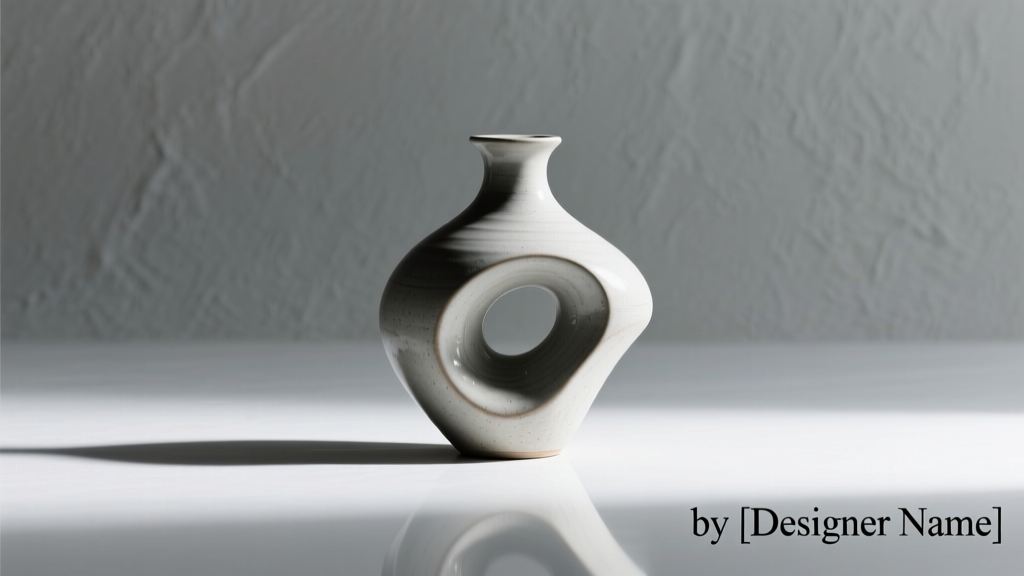
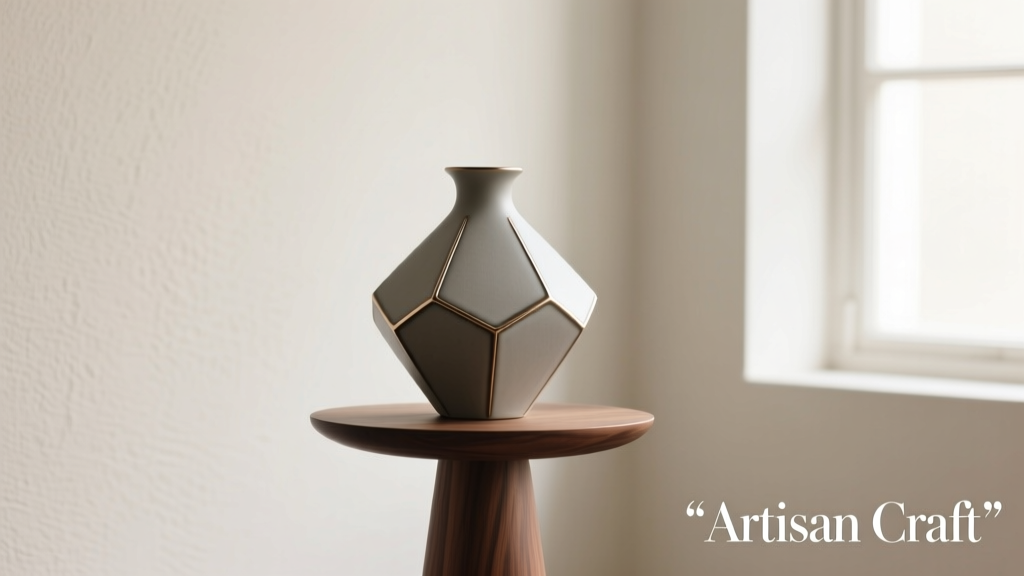
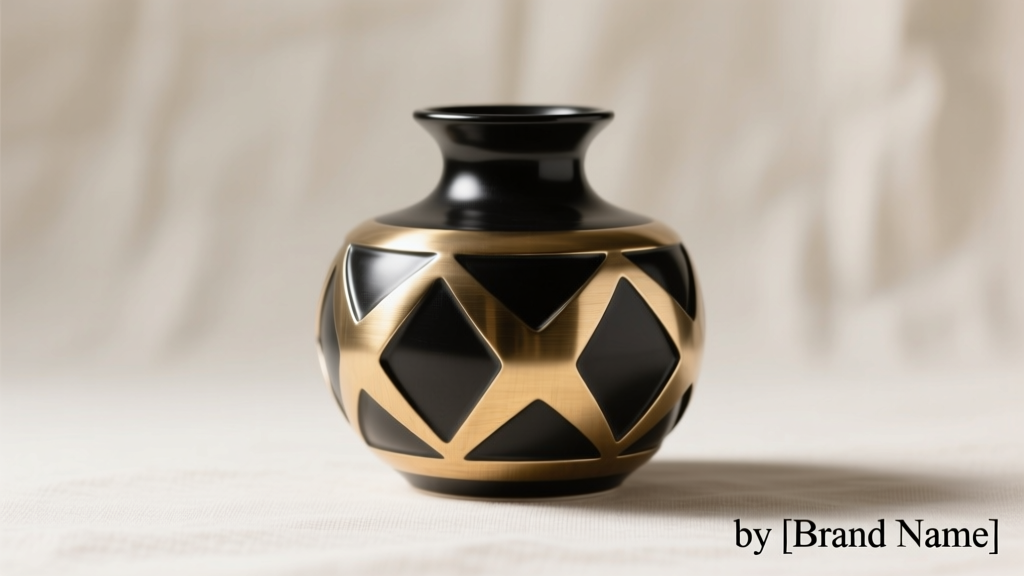
Artistically crafted for visual appeal rather than utility, these stoneware bottles feature hand-painted designs, unique glazes, and sculptural forms. They serve as statement pieces in home décor and retail displays.
Advantages
- High aesthetic value and uniqueness
- Versatile for gifting and interior design
- Can be customized with logos or themes
- Appeals to art collectors and boutique buyers
Limitations
- Not intended for liquid storage
- Fragile despite stoneware strength
- Higher price due to artisan craftsmanship
Best for: Home décor stores, gift boutiques, art galleries, and wedding/event planners
| Type | Primary Use | Durability | Aesthetic Appeal | Wholesale Market Fit |
|---|---|---|---|---|
| Insulated Bottles | Hot/Cold Beverage Storage | High | Modern, Functional | Cafés, Eco-Brands, Retail |
| Fermented Beverage Bottles | Aging Beer, Wine, Kombucha | Very High | Traditional, Artisanal | Breweries, Wineries, Specialty Stores |
| Oil and Vinegar Bottles | Gourmet Liquid Storage | High | Elegant, Kitchen-Friendly | Kitchenware, Restaurants, Gifts |
| Travel Bottles | On-the-Go Hydration | High | Stylish, Minimalist | Fitness, Outdoor, Sustainable Brands |
| Decorative Bottles | Home Décor, Gifting | Medium | Artistic, Unique | Boutiques, Galleries, Events |
Expert Tip: When sourcing stoneware bottles wholesale, request samples to evaluate glaze quality, weight, and cap sealing effectiveness. Look for manufacturers that offer customization options like embossing or color variations to differentiate your product line in competitive markets.
Designs of Stoneware Bottles: Culture, Craftsmanship, and Contemporary Appeal
Stoneware bottles are more than functional containers—they are expressions of cultural heritage, artisanal skill, and evolving design trends. The visual and tactile characteristics of bottles of stoneware reflect the traditions of their origin, the techniques of their makers, and the preferences of modern consumers. From rustic charm to sleek minimalism, each design style serves both aesthetic and practical purposes, making stoneware a versatile choice for home décor, retail, and gifting. Below is an in-depth exploration of the most prominent stoneware bottle design styles shaping today’s market.
Glazed Finishes
Glazed stoneware bottles are among the most popular due to their lustrous surfaces and vibrant color options. The glazing process involves applying a glass-like coating that is then fired at high temperatures, resulting in a smooth, non-porous finish. This not only enhances visual appeal but also improves functionality by making the bottles waterproof, stain-resistant, and easy to clean—ideal for both decorative and utilitarian uses.
Available in a spectrum of hues—from earthy terracottas and deep forest greens to bold cobalt blues and creamy whites—glazed bottles add a splash of color to kitchens, bars, and retail displays. Their durability and aesthetic versatility make them a favorite among boutique stores, restaurants, and eco-conscious brands seeking sustainable packaging with character.
Rustic and Handcrafted Aesthetics
Rustic-styled stoneware bottles celebrate the imperfections of handmade craftsmanship. These pieces often retain visible marks from the potter’s wheel, finger indentations, or natural texture from the clay body, giving each bottle a unique, organic feel. Typically unglazed or finished with a light matte sealant, they exude a vintage, earthy charm that appeals to lovers of artisanal and heritage-inspired goods.
Popular in farmhouse décor, craft distilleries, and specialty food brands, rustic stoneware bottles evoke a sense of authenticity and time-honored tradition. Their appeal lies in their tactile quality and storytelling potential—each bottle feels like a piece of history, making them ideal for brands emphasizing sustainability, local sourcing, and handcrafted values.
Traditional and Cultural Patterns
In many regions, stoneware bottle designs are deeply rooted in centuries-old artistic traditions. These bottles often feature symbolic engravings, regional motifs, or hand-painted patterns passed down through generations. Examples include cobalt-blue slip-trailing common in German and American folk pottery, intricate Asian calligraphy, or geometric tribal designs from African and Middle Eastern cultures.
Such traditional patterns not only enhance visual storytelling but also serve as cultural markers, making these bottles valuable in ethnically themed retail spaces, museums, and gift shops. For wholesalers and retailers, sourcing authentic pieces from skilled artisans ensures cultural respect and product uniqueness, while also catering to customers seeking meaningful, heritage-rich items.
Modern Minimalism
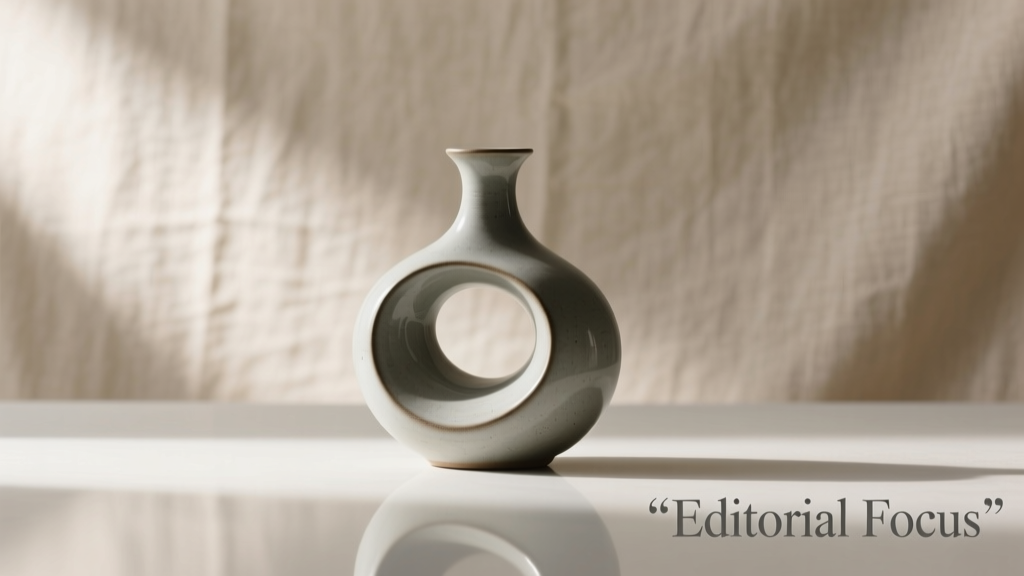
Reflecting contemporary design sensibilities, minimalist stoneware bottles emphasize clean lines, neutral palettes, and understated elegance. These bottles often feature smooth, unadorned surfaces, symmetrical shapes, and monochromatic finishes in shades of gray, white, or black. Functionality is prioritized without sacrificing style, making them a staple in modern cafes, wellness brands, and upscale home goods stores.
Popular in urban environments and among design-conscious consumers, minimalist stoneware aligns with trends toward decluttered living and sustainable aesthetics. Their timeless look ensures longevity in product lines, while their compatibility with various interior styles enhances marketability across diverse customer segments.
Customization and Personalization
One of the most powerful design trends in stoneware is personalization. Custom-engraved or hand-painted bottles allow for names, dates, quotes, logos, or unique artwork, transforming them into cherished keepsakes. This makes them especially popular for weddings, anniversaries, corporate gifts, and boutique branding.
The ability to tailor stoneware bottles to specific events or brand identities adds emotional value and exclusivity. Wholesalers and retailers should partner with manufacturers who offer flexible customization options, high-quality engraving, and consistent craftsmanship to meet growing demand for personalized, one-of-a-kind products.
Functional Design Considerations
Beyond aesthetics, the design of stoneware bottles must also address practical needs. Features such as wide mouths for easy filling, secure stoppers or cork lids, ergonomic shapes for pouring, and stackable forms for storage enhance usability. Some bottles are designed specifically for oil, vinegar, water, or spirits, with tinted glazes to protect contents from light degradation.
Designers and suppliers should consider the intended use when selecting or creating stoneware bottles. A balance between beauty and functionality ensures customer satisfaction and repeat purchases, especially in commercial settings like restaurants, spas, and retail packaging.
| Design Style | Key Features | Best Suited For |
|---|---|---|
| Glazed Finishes | Shiny surface, vibrant colors, waterproof | Kitchens, bars, retail displays, gift shops |
| Rustic & Handcrafted | Matte texture, visible craftsmanship, earthy tones | Farmhouse décor, craft brands, artisan markets |
| Traditional Patterns | Cultural motifs, hand-painted details, symbolic engravings | Ethnic retail, museums, heritage-themed gifts |
| Modern Minimalism | Clean lines, neutral colors, simple forms | Cafés, wellness brands, contemporary homes |
| Customized Bottles | Personal engravings, logos, special dates | Weddings, corporate gifts, boutique branding |
Tips for Retailers and Wholesalers
Important: Always verify that stoneware bottles are food-safe, lead-free, and properly sealed for liquid storage. Mislabeling or using low-quality glazes can pose health risks and damage brand reputation. When sourcing internationally, ensure compliance with local safety standards and import regulations.
Stoneware Bottle Uses: Versatility Across Markets
Stoneware bottles are more than just containers—they are functional, aesthetic, and sustainable solutions that appeal to a wide range of industries and consumers. Their durability, thermal stability, and timeless appearance make them ideal for both practical and decorative applications. Understanding the diverse uses of stoneware bottles helps wholesalers and retailers cater effectively to different customer segments, from beverage producers to eco-conscious shoppers.
Beverage Storage
Stoneware is a traditional and highly effective material for storing alcoholic and non-alcoholic beverages. Its dense, non-porous nature protects contents from light and oxygen, preserving flavor and supporting slow maturation—especially beneficial for craft brewers, winemakers, and distillers.
- Commonly used for craft beer, small-batch spirits, and artisan wines due to superior aging properties
- UV-resistant qualities help prevent spoilage in light-sensitive beverages
- Ideal for limited-edition or premium product lines seeking a rustic, authentic presentation
- Wholesale buyers in the beverage industry benefit from custom labeling and bulk ordering options
Pro tip: Recommend stoneware bottles with tight-sealing stoppers or screw caps for optimal shelf life
Culinary Uses
Beyond beverages, stoneware bottles excel in gourmet food storage. Their ability to maintain consistent internal temperatures makes them perfect for premium oils, aged vinegars, sauces, and infused liquids.
- Used by specialty food brands for olive oil, balsamic vinegar, and herb-infused spirits
- Thermal insulation helps preserve delicate aromas and flavors over time
- Preferred in high-end kitchens and restaurants for their elegant, professional appearance
- Resistant to staining and odor retention when properly glazed
Wholesale opportunity: Pair with bamboo pour spouts or metal caps to create premium culinary gift sets
Home Décor
With their earthy textures and handcrafted appeal, stoneware bottles are increasingly used as decorative accents in modern and rustic interiors.
- Repurposed as vases for dried flowers, eucalyptus, or fresh floral arrangements
- Used as stylish water dispensers or plant hydration bottles in living spaces
- Popular in farmhouse, cottage-core, and minimalist design aesthetics
- Available in matte, glossy, or hand-painted finishes to match various décor themes
Retail tip: Bundle with decorative twine, labels, or LED fairy lights to enhance visual appeal
Gift and Collectible Items
The unique craftsmanship and artistic potential of stoneware bottles make them highly desirable as gifts and collectibles.
- Favored for weddings, anniversaries, and corporate gifting due to customizable engraving or labeling
- Limited-edition runs with hand-painted designs attract collectors and boutique buyers
- Often used for "spirit of the year" releases or commemorative editions by distilleries
- Perceived as premium, artisanal, and thoughtfully made—ideal for meaningful presents
Marketing angle: Emphasize authenticity, craftsmanship, and story behind each piece
Functional Water Bottles
In response to growing environmental awareness, double-walled stoneware water bottles are gaining popularity as sustainable alternatives to plastic and metal containers.
- Provide natural insulation—keeping drinks cool in summer and warm in winter
- Durable and non-toxic, free from BPA and other synthetic chemicals
- Appeal to eco-conscious consumers reducing single-use plastic consumption
- Available with silicone sleeves, bamboo lids, and ergonomic shapes for daily carry
Trend insight: These bottles align with zero-waste lifestyles and are trending in wellness, yoga, and outdoor markets
Commercial & Retail Advantages
For wholesalers and retailers, stoneware bottles offer multiple business benefits beyond end-user functionality.
- High perceived value allows for premium pricing strategies
- Versatile enough to be marketed across food, beverage, home, and gift sectors
- Durable packaging reduces shipping damage compared to glass
- Supports branding through custom shapes, colors, and embossing
Inventory strategy: Offer a curated mix of functional and decorative styles to maximize cross-market appeal
Professional Recommendation: Wholesalers should consider offering tiered product lines—economy stoneware for bulk beverage use, mid-range for culinary and décor, and premium artisanal bottles for gifting and limited editions. This approach allows retailers to serve diverse customer needs while optimizing margins. Additionally, providing usage guides or marketing content (e.g., "5 Ways to Style Your Stoneware Bottle") can enhance buyer confidence and drive sales.
| Use Case | Target Market | Key Selling Points | Suggested Features |
|---|---|---|---|
| Beverage Storage | Craft Breweries, Distilleries, Wineries | Flavor preservation, aging support, premium image | Airtight seals, UV protection, custom embossing |
| Culinary Storage | Gourmet Food Brands, Restaurants | Temperature stability, aesthetic presentation | Pour spouts, tapered necks, food-safe glaze |
| Home Décor | Interior Designers, Home Stores | Rustic charm, reusability, visual appeal | Hand-painted finishes, varied shapes, matte textures |
| Gift & Collectibles | Boutique Retailers, Gift Shops | Uniqueness, personalization, collectibility | Engraving space, limited editions, gift-ready packaging |
| Eco-Friendly Water Bottles | Eco-Shops, Wellness Brands | Sustainability, health safety, insulation | Double-walled design, carry straps, leak-proof lids |
Additional Considerations for Wholesalers
- Customization Options: Offer private labeling, logo embossing, or color matching to attract brand-focused clients
- Shipping Durability: Stoneware is more impact-resistant than glass, reducing breakage during transit
- Seasonal Demand: Decorative and gift bottles see increased demand during holidays and wedding seasons
- Sustainability Story: Highlight natural materials, low carbon footprint, and recyclability in marketing materials
- Sample Kits: Provide sample packs so retailers can showcase variety and quality to their customers
How to Choose Stoneware Bottles: A Comprehensive Guide for Wholesale Buyers
Selecting the right stoneware bottles in bulk is a strategic decision that impacts product quality, customer satisfaction, and long-term profitability. With growing consumer interest in sustainable, durable, and aesthetically pleasing alternatives to plastic and glass, stoneware has emerged as a premium choice for beverage storage, home décor, and gift items. To make informed purchasing decisions, wholesale buyers should consider several key factors when sourcing stoneware bottles—ranging from craftsmanship and design versatility to environmental impact and customization potential.
Important Note: Unlike mass-produced plastic containers, stoneware is a handcrafted ceramic material that may exhibit slight variations in color, texture, and dimensions. These natural variations are not defects but rather hallmarks of artisanal quality. Ensure your suppliers maintain consistent standards while embracing the unique character of each piece.
Key Factors to Consider When Buying Stoneware Bottles in Bulk
- Quality and Craftsmanship
Stoneware quality varies significantly between manufacturers. Superior craftsmanship ensures durability, leak resistance, and longevity—critical for both functional use and customer satisfaction. When evaluating stoneware bottles, pay close attention to:
- Material Density: High-fired stoneware is non-porous and more resistant to chipping, cracking, and liquid absorption.
- Surface Finish: Smooth interior and exterior glazing prevents bacterial growth and makes cleaning easier.
- Structural Integrity: Check for uniform wall thickness, balanced weight distribution, and absence of cracks or air bubbles.
- Consistency: Even sizing and shape across batches ensure professional presentation and packaging efficiency.
Wholesalers who prioritize quality will experience fewer returns, reduced breakage during shipping, and stronger brand reputation. Investing in premium-grade stoneware may have higher upfront costs but leads to long-term savings and repeat customers.
- Variety in Design
Consumer preferences span a wide spectrum—from minimalist modern styles to rustic, vintage-inspired aesthetics. Offering a diverse range of designs allows wholesalers to cater to different market segments, including home goods retailers, boutique gift shops, eco-conscious brands, and hospitality businesses.
- Color Options: Neutral tones (cream, gray, black) offer versatility, while bold colors can attract niche markets or seasonal buyers.
- Shape Diversity: Consider cylindrical, square, apothecary, or uniquely sculpted bottles to differentiate your inventory.
- Finish Types: Matte, glossy, textured, or hand-brushed finishes add tactile appeal and visual interest.
- Market Alignment: Match designs to trending interior styles (e.g., farmhouse, Scandinavian, industrial) to increase resale potential.
Stocking a curated mix of classic and innovative designs helps wholesalers stay competitive and responsive to evolving consumer tastes.
- Size and Capacity
The functional utility of stoneware bottles depends heavily on their size. Different applications require different capacities, so maintaining a range of options ensures broader market appeal.
- Small (8–16 oz): Ideal for travel-sized oils, vinegar samples, essential liquids, or as wedding favors.
- Medium (24–32 oz): Perfect for kitchen staples like olive oil, honey, or drinking water—popular among health-conscious households.
- Large (64+ oz): Suited for commercial use in restaurants, cafes, or bulk liquid storage in pantries.
Offering multiple sizes enables wholesalers to serve diverse clients—from individual consumers to large-scale foodservice providers—maximizing sales opportunities and inventory flexibility.
- Customization Options
Personalized stoneware bottles are highly sought after for special occasions such as weddings, corporate gifts, anniversaries, and branded merchandise. Customization adds value and allows buyers to create unique, memorable products.
- Engraving & Etching: Permanent personalization with names, dates, or logos using laser or hand-carving techniques.
- Screen Printing: Durable ink application for logos, patterns, or branding elements.
- Custom Glazing: Unique color combinations or signature finishes exclusive to a brand or event.
- Minimum Order Quantities (MOQs): Confirm with suppliers whether they support low-volume custom runs or require large MOQs.
Wholesalers should partner with manufacturers capable of handling custom orders efficiently and consistently. Clear communication about turnaround times, proofing processes, and quality control is essential for client satisfaction.
- Sustainability and Eco-Friendliness
As environmental awareness grows, consumers increasingly favor reusable, non-toxic, and planet-friendly packaging. Stoneware bottles align perfectly with this trend, offering a sustainable alternative to single-use plastics and fragile glass containers.
- Reusable by Design: Durable stoneware can last for years with proper care, reducing waste and promoting circular consumption.
- Non-Toxic Materials: High-quality stoneware is lead-free and food-safe, making it ideal for storing consumables.
- Low Carbon Footprint: Many stoneware producers use locally sourced clay and energy-efficient kilns, further enhancing eco-credentials.
- Brand Storytelling: Highlighting the sustainable aspects of stoneware can strengthen marketing efforts and attract eco-conscious retailers and end-users.
Wholesalers who emphasize sustainability in their product lines position themselves as forward-thinking partners in the green economy, appealing to environmentally responsible buyers and tapping into growing market demand.
| Selection Factor | Key Evaluation Criteria | Supplier Questions to Ask | Business Impact |
|---|---|---|---|
| Quality & Craftsmanship | Density, glaze finish, structural consistency | What firing temperature is used? Is the stoneware food-safe and lead-free? | Reduces returns, enhances customer trust |
| Design Variety | Color range, shape options, aesthetic trends | Do you offer new designs quarterly? Can I request samples? | Increases retail appeal and market reach |
| Size & Capacity | Range of volumes, usability across settings | What are standard sizes? Can you produce custom dimensions? | Broadens client base and application uses |
| Customization | Engraving, printing, MOQ flexibility | What customization methods do you support? What’s the lead time? | Adds premium value and differentiation |
| Sustainability | Eco-materials, production ethics, reusability | Is the clay locally sourced? Are your kilns energy-efficient? | Aligns with green consumerism and brand values |
Pro Tip: Always request physical samples before placing bulk orders. Assess the weight, finish, cap seal (if applicable), and overall craftsmanship in real-world conditions. This small step can prevent costly mismatches between expectations and delivered products.
Final Recommendations for Wholesalers
- Build relationships with suppliers who provide detailed product specifications and third-party safety certifications.
- Monitor market trends and seasonal demand to adjust inventory mix accordingly (e.g., heart-shaped bottles for Valentine’s Day).
- Offer bundled sets (e.g., oil & vinegar pairs) to increase average order value.
- Educate your retail clients about the benefits of stoneware—durability, aesthetics, and sustainability—to boost resale success.
- Consider drop-shipping or inventory partnerships to reduce storage costs while expanding your product range.
In conclusion, choosing the right stoneware bottles in bulk requires a balance of practicality, aesthetics, and market insight. By focusing on quality, variety, customization, and sustainability, wholesalers can build a compelling product portfolio that meets modern consumer expectations and drives long-term business growth. As the demand for eco-friendly and artisanal goods continues to rise, stoneware bottles represent a smart, sustainable investment in the future of retail.
Frequently Asked Questions About Stoneware Bottles
Q1: What Are the Advantages of Stoneware Bottles Compared to Other Types of Bottles?Stoneware bottles stand out from glass, plastic, and metal alternatives due to their unique combination of functional and environmental benefits:
- Exceptional Durability: Made from high-fired ceramic clay, stoneware is highly resistant to chipping, cracking, and general wear, making it ideal for daily use and travel.
- Superior Temperature Retention: The dense material naturally insulates contents, keeping beverages cooler in summer and warmer in winter—often for several hours longer than standard containers.
- Neutral Flavor Preservation: Unlike plastic or certain metals that can leach chemicals or impart metallic tastes, stoneware is non-reactive and preserves the original flavor of liquids such as water, wine, or infused drinks.
- Eco-Friendly Alternative: As a sustainable substitute for single-use plastics, stoneware reduces dependency on petroleum-based materials and lowers long-term environmental impact.
These qualities make stoneware bottles a preferred choice for eco-conscious consumers and those seeking both style and performance in their drinkware.
Q2: Are Stoneware Bottles Suitable for Multiple Uses?Absolutely—stoneware bottles are designed for long-term, repeated use. Their resilience and low maintenance make them ideal for everyday carry:
- Long Lifespan: With proper care, stoneware bottles can last for years without degrading in quality or appearance.
- Easy to Clean: Most models are dishwasher-safe, though hand washing with mild soap is recommended to preserve any decorative finishes or glazes.
- Hygienic Surface: The glazed interior creates a smooth, non-porous barrier that resists bacteria buildup and staining from coffee, tea, or juices.
- Resistant to Scratches and Odors: Unlike plastic, stoneware won’t retain smells or discolor over time, ensuring fresh-tasting drinks with every use.
Whether used at home, work, or outdoors, stoneware bottles offer a reliable, reusable solution that supports sustainable living.
Q3: How Does Wholesale Purchasing Benefit Retailers?Buying stoneware bottles in bulk offers significant financial and operational advantages for retailers and distributors:
- Lower Per-Unit Cost: Wholesale pricing reduces the cost per bottle, increasing profit margins when sold individually.
- Inventory Efficiency: Larger orders reduce the frequency of reordering, saving time and administrative costs.
- Promotional Flexibility: Excess stock allows for bundling, seasonal sales, or gift sets that enhance customer appeal.
- Scalability: Businesses can meet growing demand without supply interruptions by maintaining a steady inventory from trusted suppliers.
In addition, many wholesalers offer discounts for first-time buyers or loyalty programs, further improving return on investment for retail operations.
Q4: Can Stoneware Bottles Be Customized for Special Events?Yes—stoneware bottles are excellent candidates for personalization, making them memorable keepsakes for a wide range of occasions:
- Weddings & Anniversaries: Engraved with names and dates, they serve as elegant guest favors or gifts.
- Corporate Events: Branded with company logos or mottos, they function as promotional merchandise that clients and employees value.
- Gift Sets: Paired with artisanal oils, spirits, or herbal teas, customized bottles elevate gifting experiences.
- Techniques Available: Options include screen printing, laser engraving, hand-painting, and embossing, allowing for creative flexibility in design.
Because stoneware accepts glazes and pigments well, custom designs remain vibrant and durable over time, enhancing both aesthetic and sentimental value.
Q5: How Do Stoneware Bottles Contribute to Sustainability?Stoneware bottles play a meaningful role in reducing environmental harm through multiple sustainable attributes:
- Reusable Design: Each bottle replaces hundreds of disposable plastic bottles over its lifetime, directly cutting down on plastic pollution.
- Biodegradable Materials: Made from natural clay and minerals, stoneware is earth-derived and fully recyclable at end-of-life.
- Energy-Efficient Production: Modern kiln technologies have improved the efficiency of firing processes, reducing carbon emissions per unit.
- Minimal Packaging: Often sold with little to no plastic packaging, stoneware aligns with zero-waste principles.
By choosing stoneware, consumers and businesses alike support a circular economy model—reducing waste, conserving resources, and promoting eco-friendly consumption habits.