Every day, millions of people pack a lunch to take to work, school, or on the go. While food gets most of the attention, beverages are just as essential—whether it’s water, juice, tea, or coffee. Yet one of the most common frustrations is discovering a damp lunch bag, soggy sandwiches, or sticky residue from a leaky drink container. Preventing spills isn’t just about convenience; it protects your belongings, maintains hygiene, and reduces waste. With the right strategies, you can carry drinks confidently and keep your lunch fresh and dry.
Choose the Right Container
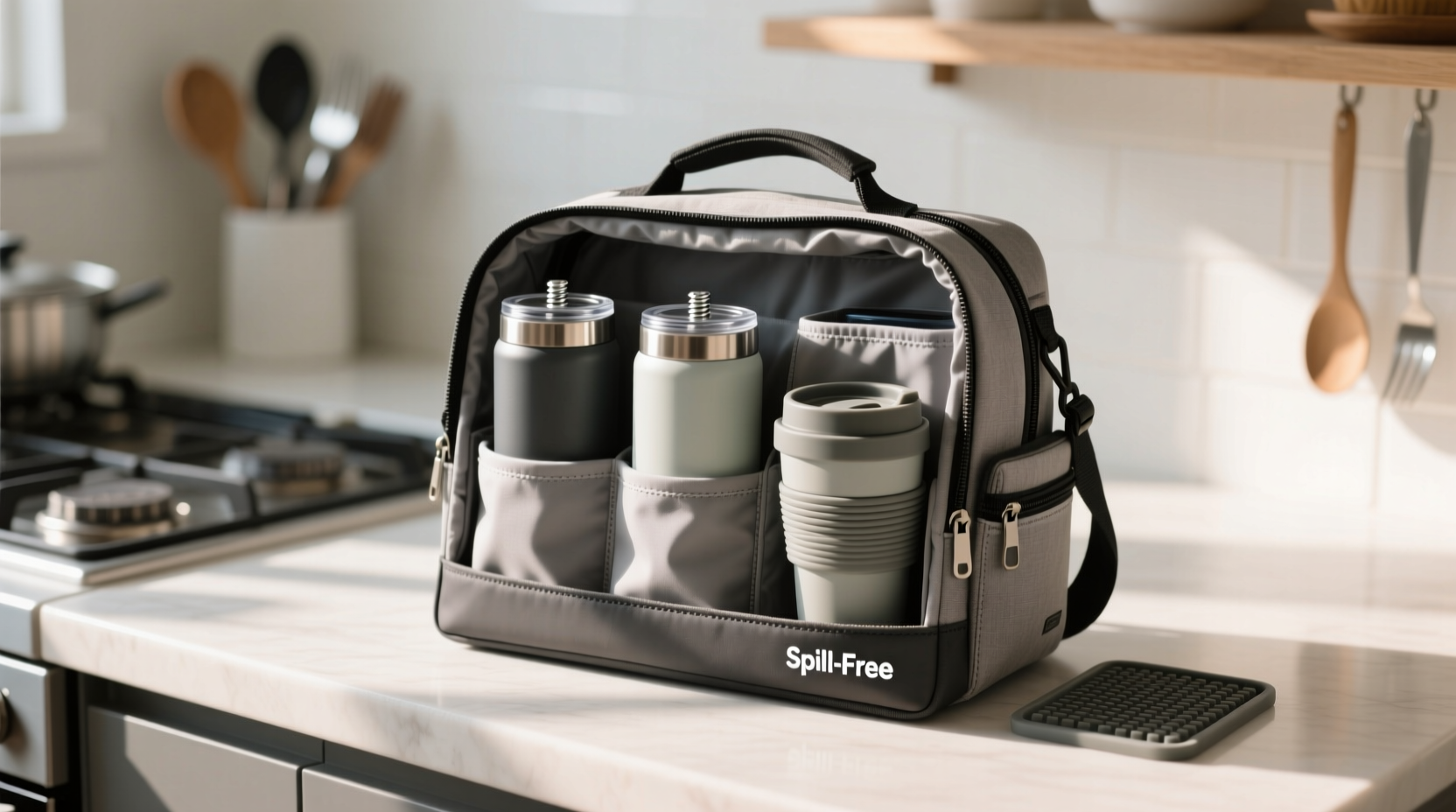
The foundation of spill-free beverage transport starts with the container itself. Not all bottles or cups are created equal when it comes to durability, seal integrity, and leak resistance.
Rigid plastic or stainless steel bottles with screw-top lids generally outperform flimsy disposable containers. Look for models with double-sealing mechanisms—such as an internal gasket and a locking lid—and avoid containers with sliding spouts unless they have a secondary locking feature.
Tip: Always test a new bottle at home by filling it, closing it securely, and turning it upside down for 30 seconds.Glass bottles, while eco-friendly, require extra caution. If used, ensure they’re wrapped in protective silicone sleeves and placed in a padded compartment. Soft-sided pouches may be lightweight but are prone to punctures and leaks under pressure.
Secure Placement Inside Your Lunch Bag
Even the best bottle can leak if jostled around inside a crowded bag. How and where you place the drink matters as much as the container.
Always position the beverage upright and away from food items. Use compartments designed for bottles—if your lunch bag has one—or create a dedicated space using insulated sleeves or reusable wraps. Avoid placing drinks directly next to electronics, books, or fabric-based items that absorb moisture easily.
If your bag lacks structure, consider adding a small rigid insert or using a bento-style lunchbox with built-in drink slots. These help prevent shifting during transit.
| Container Type | Leak Risk | Best For | Caution |
|---|---|---|---|
| Stainless Steel with Screw Lid | Low | Daily commutes, outdoor use | Ensure gasket is clean and intact |
| BPA-Free Plastic Bottle | Medium | School lunches, light travel | Avoid extreme temperatures |
| Disposable Carton (e.g., juice box) | High | Short trips, young children | Prone to puncture and cap leakage |
| Insulated Tumbler with Lid | Low–Medium | Hot/cold drinks, office use | Lid must be tightly sealed |
Step-by-Step: Packing a Spill-Safe Beverage
Follow this sequence every time you prepare your lunch to minimize risk:
- Inspect the container: Check for cracks, worn seals, or loose lids. Replace damaged parts immediately.
- Firmly close the lid: Screw or snap it shut until resistance is felt. Do not over-tighten plastic threads.
- Wipe the exterior: Dry any moisture from condensation or spills during filling to prevent slippage.
- Place upright in a secure spot: Use a side pocket or center compartment where movement is limited.
- Add buffer protection: Wrap in a cloth napkin or place in a silicone sleeve to absorb minor drips.
- Double-check before zipping: Confirm the bottle hasn’t tipped and remains sealed.
Real-Life Example: The Commuter’s Wake-Up Call
Jamal, a software developer, packed his lunch daily—including a thermos of black coffee. One morning, after rushing through his routine, he tossed the thermos into his backpack without securing the lid fully. By the time he reached the office, half the coffee had leaked, soaking his laptop sleeve, notebook, and sandwich container. The cleanup cost him time, money, and productivity.
After switching to a stainless steel bottle with a locking flip lid and adopting a consistent packing checklist, Jamal hasn’t had a single spill in eight months. He now keeps a microfiber towel in his bag “just in case,” and always performs a quick inversion test at home.
“Most beverage leaks stem from complacency, not faulty design. A 10-second check before leaving home prevents 90% of disasters.” — Dr. Lena Torres, Product Safety Researcher at Urban Commute Lab
Common Mistakes That Cause Spills
Even experienced packers make errors that compromise safety. Awareness helps avoid repeat incidents:
- Overfilling: Leaving no headspace increases pressure when temperature changes, forcing liquid past seals.
- Using warm liquids in sealed containers: Steam expands and can dislodge lids. Let hot drinks cool slightly before sealing.
- Packing bottles horizontally: This puts stress on the cap and increases leakage risk.
- Neglecting seal maintenance: Rubber gaskets degrade over time and should be cleaned or replaced regularly.
- Mixing drink types: Carbonated beverages create internal pressure. Use only containers rated for carbonation.
Checklist: Spill-Free Beverage Packing Routine
Print or memorize this quick-reference list for daily use:
- ✅ Choose a leak-tested, durable container
- ✅ Inspect lid and seal for damage
- ✅ Fill only to the recommended line (usually 1 inch below the rim)
- ✅ Secure the lid tightly and lock if applicable
- ✅ Wipe down the outside of the bottle
- ✅ Place upright in a stable, isolated section of the bag
- ✅ Add absorbent padding (cloth, paper towel, or liner)
- ✅ Perform a quick upside-down test at home
FAQ: Common Questions About Safe Drink Transport
Can I put a hot drink in any sealed container?
No. Only use vacuum-insulated bottles or thermoses specifically designed for hot liquids. Regular plastic bottles may warp or release harmful chemicals when exposed to high heat. Always allow boiling liquids to cool for 2–3 minutes before sealing.
What’s the best way to clean bottle seals?
Remove rubber or silicone gaskets weekly and wash them with warm, soapy water. Use a soft brush to remove residue. Rinse thoroughly and air-dry before reassembling. Mold and mineral buildup weaken seals over time.
Are straw lids safer than sip lids?
Not necessarily. Straw lids often have multiple openings and moving parts, increasing potential leak points. However, models with magnetic closures and internal stoppers offer good security. Sip lids with twist caps tend to be simpler and more reliable if properly sealed.
Final Thoughts: Make Spill Prevention a Habit
Carrying beverages safely isn’t about finding a perfect container—it’s about combining the right tools with consistent habits. From selecting durable bottles to double-checking seals and organizing your bag layout, each small action contributes to a cleaner, more reliable lunch experience. Whether you're packing for a child, heading to a meeting, or hiking on a weekend trail, a spill-free drink means peace of mind and preserved meals.
💬 What’s your go-to trick for keeping drinks secure? Share your favorite tip in the comments and help others avoid messy mishaps!