When it comes to fresh chili peppers, few stir as much curiosity—and caution—as the serrano. Bright green, slender, and often spotted in salsas and pickled dishes, serranos occupy a unique space between accessible heat and serious fire. The question on many home cooks’ minds is simple: Are serrano peppers spicy or mild? The answer isn’t binary. Serranos are definitively spicy, but their heat exists within a spectrum shaped by growing conditions, ripeness, and preparation. Understanding where they land on the Scoville scale, how they taste beyond the burn, and when to use them—versus milder or hotter alternatives—is essential for anyone looking to elevate their spice game with precision and confidence.
Unlike bell peppers, which register zero Scoville Heat Units (SHU), or ghost peppers that soar into six-figure territory, serranos deliver a focused, clean heat that enhances rather than overwhelms. They are a staple in Mexican cuisine and increasingly popular in global kitchens for their ability to add both brightness and bite. This guide breaks down everything you need to know about serrano peppers—their heat level, flavor nuances, culinary applications, and how to use them effectively without crossing into painful territory.
Definition & Overview
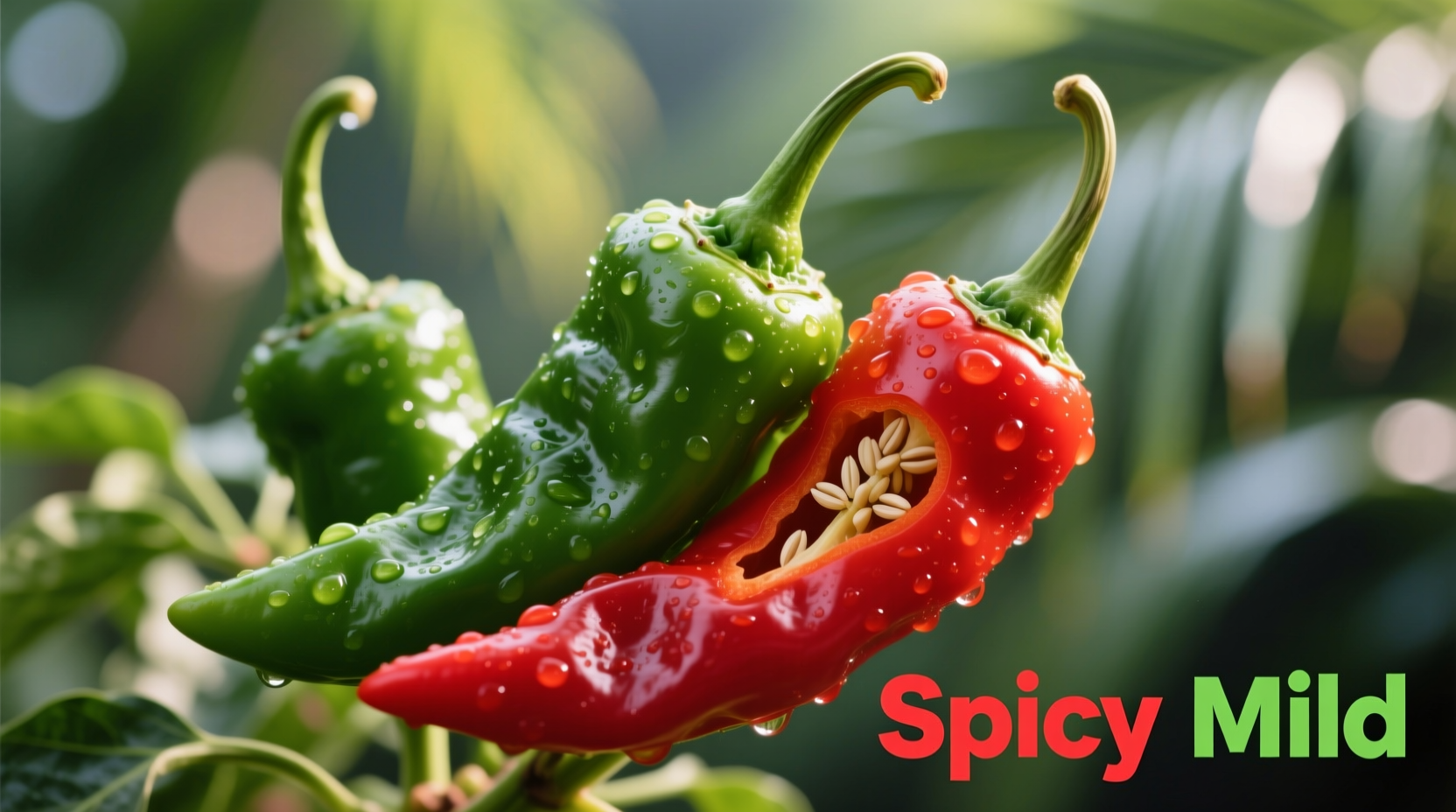
The serrano pepper (Capsicum annuum) is a medium- to high-heat chili originating from the mountainous regions of Puebla and Hidalgo in Mexico. Its name derives from “sierra,” meaning mountain range, reflecting its native high-altitude habitat. Typically 1 to 4 inches long and less than an inch wide, serranos grow upright on compact plants and are most commonly harvested while green, though they mature into vibrant red, orange, brown, or yellow hues.
In flavor, serranos offer a crisp, grassy freshness with a sharp, vegetal edge—more intense than a jalapeño but cleaner than a habanero. Their thin walls make them ideal for raw applications, such as pico de gallo or fresh hot sauces, but they also respond well to roasting, grilling, or pickling. Unlike thicker-walled chilies, serranos don’t require peeling after charring, making them convenient for quick preparations.
While often mistaken for jalapeños due to similar color and size, serranos are narrower, smoother-skinned, and consistently hotter. They play a functional role in Latin American cooking akin to black pepper in European cuisines—not just for heat, but as a seasoning agent that shapes overall flavor balance.
Key Characteristics
| Characteristic | Description |
|---|---|
| Heat Level (Scoville) | 10,000–23,000 SHU — significantly hotter than jalapeños (2,500–8,000 SHU) |
| Flavor Profile | Crisp, bright, slightly sweet when ripe; green versions have a sharp, green bell pepper-like tang |
| Aroma | Fresh, herbaceous, mildly pungent—especially when cut or crushed |
| Color & Form | Slender, elongated pods; typically green (immature) or red (mature); smooth, glossy skin |
| Wall Thickness | Thin—ideal for quick cooking and raw use |
| Culinary Function | Adds heat and fresh pepper flavor; used as seasoning, not bulk ingredient |
| Shelf Life (Raw) | 1–2 weeks refrigerated in crisper drawer; up to 6 months frozen or pickled |
| Capsaicin Concentration | High in placental tissue (white ribs and seeds); handle with care |
Practical Usage: How to Use Serrano Peppers in Cooking
Serranos are versatile but demand respect. Their heat is immediate and builds quickly, so dosing must be precise. Because they lack the waxy resistance of thicker chilies, they integrate seamlessly into dishes without requiring pre-treatment like blistering or peeling—though roasting deepens their complexity.
Raw Applications
Chopped raw serranos shine in uncooked preparations where their crisp texture and volatile aromatics remain intact. Finely dice one or two peppers (seeds removed for moderate heat) and fold into:
- Pico de gallo (combine with tomato, onion, cilantro, lime juice)
- Fresh guacamole (replace jalapeño for more punch)
- Mexican-style ceviche or seafood cocktails
- Hot sauces using vinegar, garlic, and blending (e.g., salsa macha base)
For maximum safety and control, always remove the inner ribs and seeds before dicing. These contain the highest concentration of capsaicin. Use a dedicated cutting board and wash hands thoroughly—or wear gloves—after handling.
Cooked & Heated Methods
When cooked, serranos mellow slightly, losing some sharpness but retaining their signature heat. Roasting over an open flame or under a broiler intensifies their sweetness and adds smokiness. Try these techniques:
- Grilled or Charred: Place whole or halved serranos directly on a gas flame or grill until blistered. Cool, then slice into strips for tacos, quesadillas, or scrambled eggs.
- Sautéed: Cook sliced peppers gently in oil with onions and garlic as a base for soups, stews, or rice dishes.
- Simmered: Add whole or chopped serranos to bean pots, mole, or pozole. Remove before serving if you want background heat without biting pieces.
Preservation Techniques
To extend usability, preserve serranos through:
- Pickling: Pack sliced peppers in vinegar brine with garlic, oregano, and peppercorns. Ready in 24 hours; lasts 6+ months refrigerated.
- Freezing: Freeze whole or chopped peppers in airtight bags. No need to thaw before use—ideal for sauces and soups.
- Drying: Air-dry or dehydrate until brittle. Crush into flakes or grind into powder for homemade chili seasoning.
Pro Tip: When substituting serranos in recipes calling for jalapeños, start with half the amount. A single serrano can equal the heat of two to three jalapeños. Taste as you go—especially when cooking for others.
Variants & Types
Serrano peppers come in multiple forms, each suited to different culinary needs. Choosing the right variant depends on desired heat level, texture, and application.
| Type | Description | Best Uses |
|---|---|---|
| Green Serrano | Immature, freshly harvested; crisp and vegetal with aggressive heat | Raw salsas, garnishes, quick-pickled toppings |
| Red Serrano | Ripe, fully matured; slightly sweeter, deeper flavor, still very hot | Cooked sauces, roasted dishes, dried flakes |
| Smoked Serrano (Chipotle Serrano?) | Rare—true chipotles are smoked jalapeños, but some producers smoke serranos similarly | Smoky salsas, braises, rubs (if available) |
| Dried Serrano | Dehydrated whole or flaked; concentrated heat and earthy notes | Stews, spice blends, infused oils |
| Canned/Pickled Serrano | Prepared in vinegar; tamed heat, tangy profile | Tacos, sandwiches, antojitos, Bloody Marys |
Note: While “chipotle” refers specifically to smoked jalapeños, some brands mislabel smoked serranos as chipotles. True smoked serranos are less common but offer a sharper, more piercing smoke note compared to the rounded earthiness of chipotle morita or meco.
Comparison with Similar Ingredients
Serranos are frequently confused with other small green chilies. Understanding the differences ensures accurate substitution and balanced results.
| Pepper | Heat (SHU) | Flavor Notes | Size/Form | Substitution Advice |
|---|---|---|---|---|
| Serrano | 10,000–23,000 | Bright, crisp, clean burn | 1–4\", slender, upright | N/A – reference point |
| Jalapeño | 2,500–8,000 | Grassy, milder, sometimes sweet | 2–3\", thicker, curved | Use 2–3 jalapeños per serrano for similar heat |
| Habanero | 100,000–350,000 | Fruity, floral, delayed intense fire | 1–2\", lantern-shaped | Not interchangeable—habaneros are far hotter |
| Fresno Chili | 2,500–10,000 | Similar to jalapeño, slightly fruitier | Similar size to serrano, blockier | Can substitute 1:1 if heat preference is lower |
| Thai Bird’s Eye Chili | 50,000–100,000 | Sharp, pungent, fast-burning | 1–2\", small, upright | Half the amount of bird’s eye vs. serrano |
One key distinction: serranos deliver heat faster and more directly than jalapeños, with less lingering afterburn. Unlike habaneros, they lack tropical fruit esters, making them better suited for savory, herbal, or acidic preparations rather than fruity hot sauces.
Practical Tips & FAQs
How hot are serrano peppers really?
On average, serranos are about 3 to 5 times hotter than jalapeños. One medium serrano can introduce as much capsaicin as three large jalapeños. However, heat varies widely based on soil, climate, and water stress during growth. Peppers grown under drought conditions tend to be spicier.
Can you eat serrano peppers raw?
Yes—and many traditional dishes rely on raw serranos for their bright, biting quality. However, always handle with care. Avoid touching eyes or sensitive skin after contact. For those sensitive to spice, remove all seeds and inner membranes to reduce heat by up to 70%.
What’s the best way to store serrano peppers?
Store unwashed peppers in a paper bag inside the refrigerator’s crisper drawer. They’ll last 10–14 days. For longer storage, freeze whole or sliced peppers in sealed containers—they retain flavor and texture well when used in cooked dishes.
Are red serranos hotter than green ones?
Generally, yes. As serranos ripen from green to red, their sugar content increases and cell structure changes, often concentrating capsaicin. Red serranos may register at the higher end of the Scoville range and offer a fuller, rounder heat.
What dishes pair best with serranos?
Serranos excel in:
- Salsa verde (blended with tomatillos, cilantro, onion)
- Agua de chile (chili-infused drinking water)
- Chiles en nogada (as part of the picadillo filling)
- Tamales, especially with pork or cheese fillings
- Marinades for chicken or fish (combined with citrus and herbs)
Can I substitute serranos for jalapeños?
You can, but adjust quantity. Replace one jalapeño with one-quarter to one-half of a serrano, depending on desired heat. Keep in mind that serranos lack the slight waxiness of jalapeños, so texture will differ slightly in stuffed or grilled applications.
Do cooking methods affect serrano heat?
Yes. Boiling or simmering can leach some capsaicin into liquid, reducing perceived heat in the pepper itself but increasing it in the broth. Roasting or charring concentrates flavors and may slightly break down capsaicin, leading to a marginally mellower bite. Frying in oil disperses heat evenly and adds richness, softening the sharpness.
Expert Insight: “Serranos are my go-to when I want clean heat without distraction,” says Chef Elena Ruiz of Oaxaca City. “They don’t dominate like habaneros, but they do more than just warm a dish—they add dimension. In a good salsa, you should feel the pepper, not just the burn.”
Summary & Key Takeaways
Serrano peppers are unequivocally spicy, landing firmly in the medium-hot range of the chili spectrum. With a Scoville rating of 10,000–23,000 units, they pack significantly more heat than jalapeños but remain manageable with proper handling and portion control. Their crisp, green flavor and thin walls make them ideal for both raw and cooked applications, from salsas to stews.
Key takeaways:
- Serranos are not mild—they are moderately to highly hot, especially compared to common supermarket chilies.
- Green serranos are sharper; red ones are sweeter and often hotter.
- Always remove seeds and ribs to reduce heat, and wear gloves when handling in large quantities.
- They outperform jalapeños in dishes requiring pronounced pepper flavor without bulk.
- Preserve via pickling, freezing, or drying to enjoy year-round.
- Substitute carefully—start low and taste often.
Mastering the serrano means respecting its power while harnessing its clarity. Whether you’re building a fiery table sauce or adding depth to a slow-cooked braise, this mountain-born chili rewards thoughtful use with bold, authentic flavor. Next time you reach for heat, consider the serrano—not just for its fire, but for its finesse.
Challenge: Make a batch of quick-pickled serranos this week. Slice 6 peppers, combine with 1 cup vinegar, 1 tsp salt, 1 tsp oregano, and 2 cloves garlic. Bring to a simmer, cool, and refrigerate. Use within 48 hours on tacos, eggs, or sandwiches. Notice how pickling tames the heat while preserving the pepper’s character.