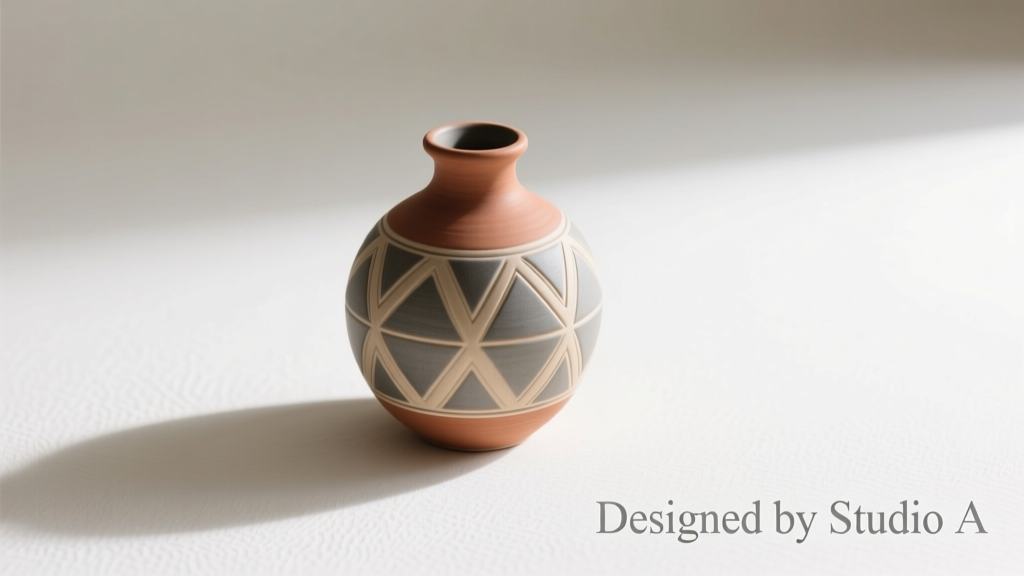
Types of Restaurant Ceramic Tea Cups
Choosing the right ceramic tea cup is essential for restaurants aiming to enhance customer experience, reflect brand identity, and meet functional needs. Different styles of tea cups cater to various dining atmospheres—from traditional elegance to modern convenience. Understanding the characteristics of each type helps restaurateurs select the most appropriate option based on cuisine, service style, and clientele preferences.
Traditional Tea Cups
Typically crafted from fine porcelain, these cups feature delicate construction and are often paired with matching saucers. Their refined appearance, frequently adorned with intricate hand-painted designs or gold accents, evokes a sense of timeless sophistication.
Advantages
- Elegant and formal aesthetic
- Ideal for upscale tea service
- Excellent heat retention
- Enhances premium customer experience
Limitations
- Fragile and less durable
- Higher replacement cost
- Not ideal for high-volume or casual settings
Best for: Gourmet tea houses, luxury hotels, formal afternoon tea services
Japanese Tea Cups (Chawan)
Designed specifically for traditional Japanese tea ceremonies, Chawan cups are handcrafted from stoneware or porcelain with a wide, rounded bowl that facilitates whisking matcha. They emphasize natural textures, earthy tones, and artisanal imperfections in line with wabi-sabi philosophy.
Advantages
- Authentic cultural presentation
- Durable and functional for ceremonial use
- Unique, artistic appeal
- Supports immersive dining experiences
Limitations
- Limited versatility beyond Japanese tea
- May not suit Western-style tea drinkers
- Potential for heavier weight affecting comfort
Best for: Japanese restaurants, tea ceremony venues, minimalist or Zen-inspired cafes
Travel Mugs
Made from durable ceramic with secure, leak-resistant lids and insulating sleeves, these mugs are designed for on-the-go consumption. They combine the premium feel of ceramic with the practicality of portability, making them ideal for takeaway services.
Advantages
- Perfect for takeaway and delivery
- Maintains beverage temperature
- Reusable and eco-friendly
- Branding opportunity with custom designs
Limitations
- Higher initial investment
- Requires lid maintenance and cleaning
- Bulkier than standard cups
Best for: Modern cafes, urban eateries, eco-conscious brands, delivery-focused operations
Contemporary Tea Cups
These modern ceramic cups come in diverse shapes, sizes, and colors—ranging from handleless minimalist designs to bold geometric forms. They prioritize functionality and adaptability over tradition, appealing to younger or trend-focused audiences.
Advantages
- Versatile and stylish
- Suitable for casual and fast-paced environments
- Available in customizable options
- Durable and easy to clean
Limitations
- Lacks formal elegance
- May not suit traditional tea presentations
- Designs can become outdated quickly
Best for: Casual cafes, bistros, co-working spaces, and contemporary tea bars
English Tea Cups
Crafted from fine china or high-quality stoneware, English tea cups are known for their classic silhouette and matching saucers. Often decorated with floral patterns or subtle motifs, they embody the heritage of British tea culture and are central to afternoon tea experiences.
Advantages
- Strong cultural association with elegance
- Perfect for themed dining events
- High perceived value by guests
- Excellent for photo-worthy presentations
Limitations
- Less practical for everyday use
- Requires careful handling and storage
- May not align with non-traditional menus
Best for: Afternoon tea lounges, heritage hotels, British-themed restaurants
| Type | Aesthetic | Durability | Best Setting | Key Use Case |
|---|---|---|---|---|
| Traditional Tea Cups | Elegant, Formal | Medium | Luxury tea houses, fine dining | Formal tea service, special occasions |
| Japanese Tea Cups | Natural, Artisanal | High | Japanese restaurants, tea ceremonies | Matcha service, cultural authenticity |
| Travel Mugs | Modern, Functional | High | Cafes, takeaway counters | To-go orders, eco-friendly branding |
| Contemporary Tea Cups | Trendy, Minimalist | High | Casual eateries, urban cafes | Everyday service, diverse clientele |
| English Tea Cups | Classic, Refined | Medium | Afternoon tea venues, hotels | Themed dining, heritage presentation |
Expert Tip: When selecting ceramic tea cups, consider pairing them with complementary saucers, trays, and serving ware to create a cohesive table setting. For takeaway mugs, invest in dishwasher-safe, BPA-free lids to ensure hygiene and longevity.
Designs of Restaurant Ceramic Tea Cups: Style, Function, and Atmosphere
The design of ceramic tea cups plays a pivotal role in shaping the overall dining experience in a restaurant. More than just vessels for serving tea, these cups contribute significantly to the ambiance, brand identity, and customer perception. From traditional elegance to modern artistry, the shape, color, texture, and functionality of tea cups can align with a restaurant’s theme, enhance comfort, and even influence how the tea tastes. Thoughtful selection ensures that every detail supports the desired mood—whether it's serene sophistication, contemporary flair, or cultural authenticity.
Major Types of Ceramic Tea Cup Designs
Traditional Porcelain Teacups
Timeless and elegant, traditional ceramic tea cups typically feature a classic rounded silhouette with a gently curved handle and matching saucer. Crafted from fine porcelain, these cups are prized for their smooth finish, lightweight feel, and excellent heat retention—keeping tea warm without scalding the hands.
Available in soft, neutral tones like ivory, cream, or pale blue, they are a staple in formal dining settings, luxury hotels, and afternoon tea services. The inclusion of a saucer not only prevents spills but also adds a refined touch to table settings, reinforcing a sense of ceremony and attention to detail.
Japanese-Inspired Teacups
Rooted in centuries-old tea traditions, Japanese ceramic tea cups—such as those in the yakimono (pottery) style—embody wabi-sabi aesthetics: simplicity, natural imperfection, and organic beauty. These cups often come in earthy hues like terracotta, charcoal gray, or matte white, with hand-glazed finishes that highlight artisan craftsmanship.
Designed for matcha, sencha, or other loose-leaf teas, they typically have a wider rim and rounded body to enhance aroma and ease of drinking. Their tactile, hand-held quality fosters intimacy and mindfulness, making them ideal for zen-inspired cafes, sushi restaurants, or wellness-focused eateries aiming to create a tranquil, authentic atmosphere.
Modern & Contemporary Styles
Today’s ceramic tea cups embrace bold innovation, featuring geometric shapes like hexagons, squares, and asymmetrical contours. These designs often incorporate vibrant glazes, abstract patterns, or minimalist matte finishes that appeal to younger, design-conscious patrons.
Perfect for urban bistros, trendy brunch spots, or fusion restaurants, modern tea cups serve as conversation starters and social media-friendly elements. Their aesthetic aligns with casual, energetic environments where visual appeal is as important as flavor. Many are stackable and durable, making them practical for high-volume service while still offering a fresh, stylish look.
Travel & Eco-Friendly Tea Mugs
With the rise of on-the-go lifestyles and sustainability concerns, vacuum-insulated ceramic travel mugs are gaining popularity in food courts, airport lounges, and eco-conscious cafes. These double-walled cups maintain beverage temperature for hours while minimizing external condensation.
Fitted with secure, spill-proof lids made from food-grade silicone or bamboo, they cater to customers who want to enjoy tea while commuting or working. By offering reusable ceramic travel mugs—often available for purchase or as part of a deposit program—restaurants demonstrate environmental responsibility and reduce single-use waste, enhancing their brand image and customer loyalty.
Geometric & Sculptural Art Pieces
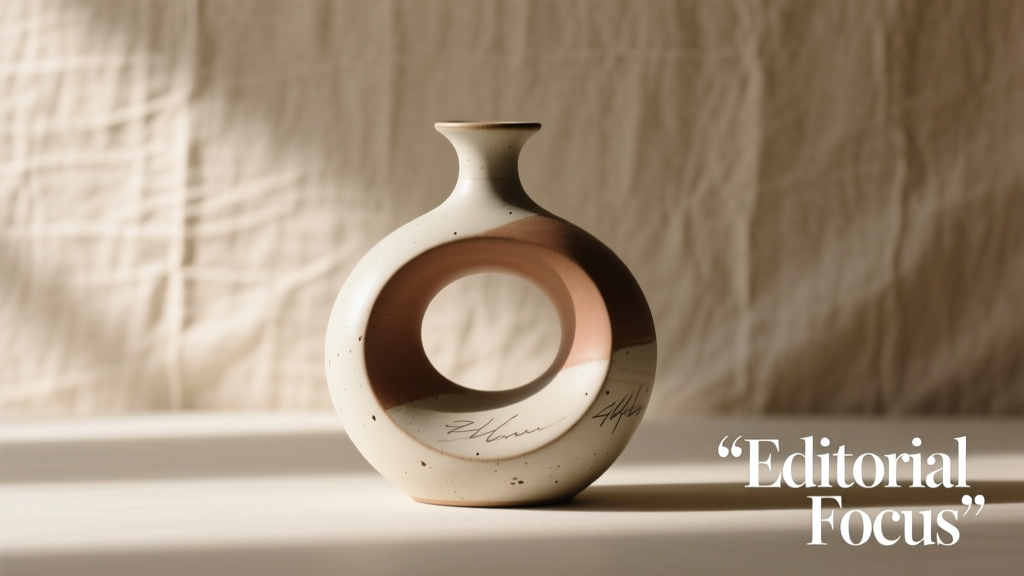
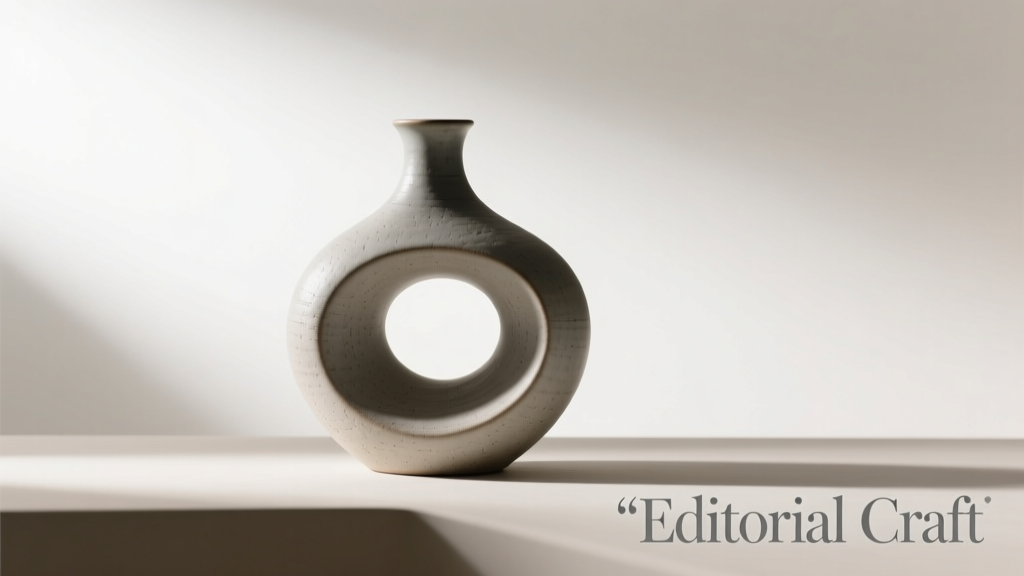
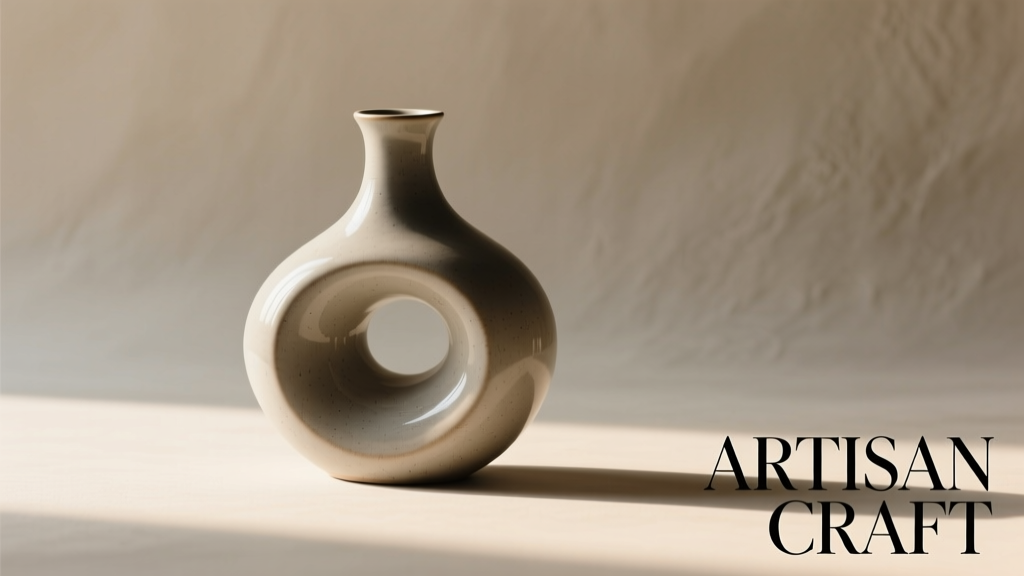
Pushing the boundaries of functional ware, some ceramic tea cups are sculptural masterpieces—twisted, angular, or molded into abstract forms that blur the line between utility and art. These unique designs are often handcrafted by artists or limited-edition collaborators.
Ideal for upscale restaurants, art galleries with dining spaces, or boutique cafes, these cups elevate the tea experience into a multisensory event. They attract attention, spark curiosity, and position the establishment as innovative and culturally engaged. While less suited for mass service, they make excellent centerpieces for specialty tea tastings or curated menus.
Functional Design Considerations
Beyond aesthetics, the ergonomics and material quality of tea cups impact user experience. Handles should be large enough for comfortable grip, especially when the cup is hot. Rim thickness affects mouthfeel—thinner rims offer a smoother sip, enhancing premium tea enjoyment.
Ceramic thickness influences heat retention and durability. Glazes must be non-toxic and resistant to staining or chipping. For commercial use, cups should be dishwasher and microwave safe to ensure longevity and hygiene. Thoughtful design balances beauty with practicality, ensuring both customer satisfaction and operational efficiency.
| Design Type | Best For | Key Benefits |
|---|---|---|
| Traditional Porcelain | Formal dining, luxury hotels, afternoon tea | Elegant presentation, excellent heat retention, timeless appeal |
| Japanese-Inspired | Sushi bars, tea houses, wellness cafes | Cultural authenticity, tactile experience, promotes mindfulness |
| Modern/Contemporary | Urban cafes, trendy restaurants, social media-focused brands | Visual impact, youth appeal, versatile styling |
| Travel Mugs (Ceramic) | Food courts, eco-conscious venues, takeaway services | Portability, temperature control, sustainability message |
| Sculptural/Artistic | Art cafes, high-end restaurants, special events | Brand differentiation, Instagrammable moments, exclusivity |
Tips for Choosing the Right Tea Cup Design
Important: Avoid overly delicate or impractical designs in busy service environments. While artistic cups can elevate ambiance, they must also withstand daily wear and cleaning routines. Always balance aesthetic ambition with functionality, durability, and safety to ensure long-term success and customer satisfaction.
The Strategic Potential of Restaurant Ceramic Tea Cups
The use of ceramic tea cups in a restaurant setting extends far beyond mere functionality. These vessels play a pivotal role in shaping the customer experience, reinforcing brand identity, and supporting sustainable practices—especially when serving premium beverages like tea and coffee. Thoughtfully selected ceramic mugs can transform a simple drink into a memorable sensory encounter, contributing significantly to customer satisfaction and business success.
Enhancing Beverage Experience
Ceramic excels in thermal retention, making it ideal for preserving the ideal temperature of hot tea or iced beverages. Unlike metal, which conducts heat too quickly, or glass, which offers minimal insulation, high-quality ceramic maintains beverage warmth for extended periods—critical for delicate teas that reveal complex flavor notes only at optimal temperatures.
- Thick-walled mugs provide superior heat retention, keeping tea hot for 30–45 minutes
- Glazed interiors prevent flavor absorption, ensuring consistency across servings
- Tactile warmth enhances perceived quality and comfort, especially during colder seasons
- Proper weight and balance in the hand contribute to a premium drinking experience
Key insight: Customers associate longer-lasting heat with higher beverage quality and attentiveness to detail.
Branding & Unique Identity
Ceramic tea cups serve as silent brand ambassadors. Custom-designed mugs reflect a restaurant’s aesthetic—from minimalist Scandinavian styles to handcrafted bohemian pottery—creating a cohesive and intentional atmosphere.
- Restaurants can incorporate logos, colors, or unique textures into cup designs for instant brand recognition
- Signature mugs become part of the dining “story,” encouraging social media sharing and word-of-mouth promotion
- Seasonal or limited-edition cup designs generate excitement and repeat visits
- Collaborations with local artisans support community engagement and authenticity
Pro tip: Branded mugs double as subtle marketing tools—patrons often photograph them, amplifying your reach online.
Customer Attraction & Experience
In today’s visually driven culture, presentation is paramount. A beautifully crafted ceramic cup elevates the perceived value of a beverage, turning a routine order into an experience worth sharing.
- Instagrammable tableware increases social media visibility and organic marketing
- Unique or collectible cup sets encourage customers to return and “complete the set”
- Tea-focused establishments can build loyalty by offering exclusive cup memberships or rewards
- Attention to detail in serviceware signals care and professionalism, boosting customer trust
Trend insight: Experiential dining is on the rise—customers seek not just food, but moments worth remembering.
Sustainability & Environmental Responsibility
Switching from disposable cups to reusable ceramic mugs aligns with growing consumer demand for eco-conscious businesses. This shift reduces landfill waste and supports a circular service model.
- A single ceramic cup can replace thousands of disposable cups over its lifespan
- Reusable mugs reduce reliance on plastic lids and sleeves, further minimizing environmental impact
- Marketing your commitment to sustainability attracts eco-aware customers and enhances brand reputation
- Some cities offer incentives or reduced waste fees for businesses minimizing single-use items
Green advantage: 78% of consumers are more likely to support brands with visible sustainability practices (Nielsen, 2023).
Promoting Upselling & Revenue Growth
Ceramic presentation increases the perceived value of beverages, allowing restaurants to justify premium pricing and boost margins on house-made teas, specialty lattes, or rare blends.
- Different cup sizes or styles can segment pricing (e.g., “artisan tea flight” in miniature cups)
- High-end ceramics make customers more willing to pay $1–3 extra per drink
- Upselling “tea pairings” or tasting menus becomes more compelling with elegant serveware
- Customers perceive ceramic-served drinks as higher quality, even if the beverage is unchanged
Revenue insight: Premium presentation can increase beverage profitability by 15–25%.
Operational & Long-Term Benefits
Beyond aesthetics and marketing, ceramic mugs offer practical advantages that improve efficiency and reduce long-term costs.
- Durable ceramics withstand daily commercial use and dishwasher cycles when properly maintained
- Lower long-term costs compared to continuous purchase of disposables
- Easier inventory management with reusable stock vs. constant restocking of paper goods
- Custom cup racks or displays enhance service efficiency and visual appeal
Smart investment: High-quality ceramics last 3–5 years or more with proper care, offering strong ROI.
Professional Recommendation: Invest in a core set of 2–3 ceramic mug designs that align with your brand—simple, elegant, and durable. Offer one standard size for regular drinks and a smaller version for samplers or premium offerings. Work with local potters or reputable suppliers to ensure consistency and quality. Train staff to highlight the mugs as part of the experience: “We serve our house-blend oolong in a hand-glazed mug designed to preserve its floral notes.” This storytelling enhances perceived value and customer engagement.
| Business Goal | Ceramic Cup Strategy | Expected Outcome | Lifespan & ROI |
|---|---|---|---|
| Brand Differentiation | Custom-designed, logo-embossed mugs | Increased recognition and social sharing | 3–5 years / High ROI |
| Sustainability | Replace disposables with reusable ceramics | Reduced waste, eco-friendly image | 4+ years / Cost savings over time |
| Premium Pricing | Artisan-style mugs for specialty drinks | Higher perceived value, upsell success | 3+ years / Increased margins |
| Customer Loyalty | Collectible seasonal cup series | Repeat visits, community engagement | Ongoing / High engagement |
Additional Considerations
- Maintenance: Use phosphate-free detergents to preserve glaze and avoid thermal shock by not moving mugs directly from dishwasher to hot liquids
- Design Consistency: Ensure mugs match the restaurant’s overall aesthetic—modern, rustic, or traditional
- Stackability: Choose stackable designs to save storage space and streamline service
- Allergen Safety: Fully glazed interiors prevent bacterial growth and cross-contamination
- Supplier Partnerships: Build relationships with ceramic suppliers for exclusive designs or bulk discounts
Specification & Maintenance of Restaurant Ceramic Tea Cups
Understanding the key specifications and proper care practices for ceramic tea cups is essential for maintaining hygiene, durability, and customer satisfaction in professional foodservice environments. High-quality, well-maintained tea ware not only enhances the dining experience but also reflects the establishment’s commitment to safety and consistency. This guide covers critical aspects of ceramic cup selection, performance, and maintenance tailored for commercial kitchens and restaurants.
Important Note: Damaged or improperly maintained ceramic ware can pose health risks and negatively impact your restaurant’s reputation. Always inspect, clean, and store tea cups according to manufacturer guidelines and food safety standards.
Key Specifications for Commercial Ceramic Tea Cups
- Glazing and Finish
A high-quality, food-safe glaze is crucial for sealing the porous ceramic body, preventing liquid absorption, bacterial growth, and flavor retention from previous uses. Fully vitrified glazes create a non-porous, smooth surface that resists staining and is easy to sanitize—ideal for high-turnover restaurants.
Matte, textured, or partially unglazed finishes may offer aesthetic appeal but are more susceptible to scratching, staining, and microbial buildup. These finishes require extra care during cleaning and should be avoided in fast-paced environments unless specifically designed for commercial use.
Always verify that the glaze is lead- and cadmium-free, especially for cups used with hot beverages, to ensure compliance with food safety regulations.
- Size and Capacity
Ceramic tea cups come in a range of sizes to suit different service styles and customer preferences:
- Small (6–8 oz): Ideal for traditional tea service, tasting flights, or dessert pairings.
- Standard (10–12 oz): Suitable for most loose-leaf or brewed teas in casual and fine dining settings.
- Large (14–16 oz): Preferred in high-volume cafes or for customers who prefer larger servings, reducing refill frequency and improving service efficiency.
Selecting the right size depends on your menu, customer demographics, and operational flow. Consistent sizing also ensures accurate portion control and cost management.
- Cleaning and Durability
Most commercial ceramic tea cups are dishwasher-safe, making them ideal for busy restaurants requiring rapid turnover and consistent sanitation. However, not all ceramics are created equal—some delicate or handcrafted pieces may require hand washing to preserve their integrity.
Repeated exposure to high heat, harsh detergents, or mechanical abrasion in commercial dishwashers can lead to:
- Glaze crazing (fine surface cracks)
- Thermal shock damage
- Color fading or etching
Always check manufacturer labels for dishwasher and microwave safety. Opt for industrial-grade ceramics labeled as “hotelware” or “commercial-grade” for maximum durability and longevity.
Best Practices for Maintenance and Longevity
- Avoiding Thermal Shocks
Sudden temperature changes—such as pouring boiling water into a cold cup or placing a hot cup on a cold surface—can cause thermal stress, leading to cracks or shattering. This is especially common in fast-paced environments where staff may rush service.
Prevention Tips:
- Pre-warm cups with warm water before adding boiling liquids.
- Store cups at room temperature, not in refrigerated areas.
- Train staff on proper handling procedures to minimize risk.
- Regular Inspection for Wear and Damage
Due to frequent use, ceramic cups are prone to chipping, cracking, or glaze wear. Damaged cups not only look unprofessional but can harbor bacteria and pose safety risks to customers.
Implement a routine inspection protocol:
- Check each cup before and after service for cracks, chips, or rough edges.
- Remove any compromised pieces from service immediately.
- Conduct weekly audits to track wear patterns and plan replacements.
Maintaining a replacement inventory ensures consistent presentation and avoids last-minute shortages.
- Proper Storage Techniques
Improper stacking and storage can lead to scratches, chips, and contamination. To maximize lifespan and hygiene:
- Stack cups carefully with felt or rubber protectors between layers, or use cup separators.
- Store upside down on clean, dry shelves to prevent dust and moisture accumulation.
- Use designated, enclosed cabinets away from high-traffic areas to reduce accidental bumps.
- Ensure storage areas are well-ventilated to prevent musty odors or mold growth.
Proper organization also improves workflow efficiency during service and cleaning cycles.
| Feature | Recommended for Restaurants | Use with Caution | Maintenance Tips |
|---|---|---|---|
| Glaze Type | High-gloss, fully vitrified, lead-free | Matte, unglazed, or hand-painted finishes | Inspect regularly for crazing; avoid abrasive cleaners |
| Capacity | 10–12 oz (standard), 14–16 oz (high-volume) | Below 8 oz (unless specialty service) | Standardize sizes for portion control and efficiency |
| Cleaning Method | Dishwasher-safe commercial-grade ceramics | Hand-wash only or decorative pieces | Follow manufacturer’s temperature and detergent guidelines |
| Thermal Resistance | Pre-tempered or thick-walled ceramics | Thin or delicate designs | Pre-warm cups; avoid extreme temperature shifts |
| Storage | Stacked with protectors, dry, enclosed cabinets | Loose stacking or open shelving | Use separators; store upside down to prevent contamination |
Expert Tip: Invest in a small batch of sample cups before bulk ordering. Test them in your actual kitchen environment—through dishwasher cycles, thermal stress, and daily handling—to evaluate durability and performance under real-world conditions.
Additional Recommendations
- Train new staff on proper cup handling, cleaning, and inspection procedures during onboarding.
- Keep a log of cup replacement cycles to forecast inventory needs and budget for restocking.
- Choose neutral or classic designs that complement your branding and remain visually appealing over time.
- Partner with reputable suppliers who provide certification for food-safe materials and commercial durability.
- Consider color-coded cups for different tea types or service areas to improve order accuracy and customer experience.
By selecting the right ceramic tea cups and implementing a consistent maintenance routine, restaurants can ensure a safe, efficient, and aesthetically pleasing beverage service. Well-maintained tea ware not only supports operational excellence but also contributes to a professional image that fosters customer trust and repeat business.
Frequently Asked Questions About Preserving Restaurant Ceramic Tea Cups
Q1: Why should restaurants preserve ceramic tea cups?Proper preservation of ceramic tea cups directly impacts a restaurant’s bottom line by reducing replacement costs and minimizing waste. When staff follow responsible washing, regular inspection, and careful storage practices, ceramic cups can remain functional and aesthetically pleasing for years.
- Cost Efficiency: High-quality ceramic sets are an investment. Extending their lifespan reduces recurring expenses on replacements.
- Sustainability: Minimizing breakage supports eco-friendly operations by lowering waste and resource consumption.
- Consistency: Maintaining a uniform set of cups enhances the visual appeal and branding of your tea service.
- Customer Experience: Intact, clean, and well-maintained tableware reflects professionalism and attention to detail.
Implementing a care protocol ensures that each cup continues to serve its purpose effectively, contributing to both operational efficiency and guest satisfaction.
Q2: What makes ceramic tea cups ideal for use in heated restaurant environments?Ceramic is an excellent material for tea service in warm dining areas due to its superior thermal retention properties. Unlike glass or metal, ceramic slowly conducts heat, helping beverages stay warm for an extended period after serving.
- Heat Retention: Ceramic cups maintain the ideal drinking temperature of tea for 15–30 minutes longer than thinner materials, preserving flavor and aroma.
- Comfortable Handling: The material insulates well, so the exterior remains comfortable to hold even when the drink is hot.
- Even Heating: Ceramic heats uniformly, reducing the risk of thermal shock when hot water is poured in.
- Aesthetic Appeal: Available in a wide range of designs and finishes, ceramic enhances the presentation of tea offerings.
These qualities make ceramic tea cups a practical and elegant choice for restaurants aiming to deliver a consistently enjoyable tea experience.
Q3: How can restaurants prevent ceramic tea cups from aging prematurely?Preventing premature wear and damage requires a proactive approach to handling, storage, and daily use. Implementing the following best practices can significantly extend the life of your ceramic collection:
- Labeled Storage: Clearly mark shelves or compartments for specific cup types to prevent mismatched stacking and accidental impacts.
- Proper Stacking: Avoid stacking cups too high or too tightly. Use protective padding or dividers between layers to minimize friction and chipping.
- Non-Slip Mats: Place rubber or silicone mats in dishwashing areas, countertops, and transport carts to cushion cups and reduce vibrations.
- Gentle Handling: Train staff to carry cups by the base or handle—not by the rim—to avoid stress fractures.
- Regular Inspections: Routinely check for hairline cracks, chips, or glaze wear and remove compromised pieces from service.
By integrating these habits into daily operations, restaurants can maintain a pristine tea service set for years, reducing costs and maintaining quality.
Q4: Can ceramic tea cups be safely used in ovens?Many ceramic tea cups are oven-safe, but this depends on the specific type, glaze, and manufacturing process. While ceramic can withstand high temperatures, improper use may lead to cracking or shattering due to thermal stress.
- Check for Oven-Safe Labels: Look for manufacturer markings such as “oven-safe,” a baking symbol, or temperature ratings (e.g., up to 350°F/175°C).
- Avoid Sudden Temperature Changes: Never place a cold ceramic cup directly into a hot oven or expose a hot cup to cold water—allow gradual temperature transitions.
- Low to Moderate Heat Only: Even oven-safe ceramics should be used at low or medium temperatures. High heat can damage delicate glazes or cause structural failure.
- Not All Ceramics Are Equal: Handmade, decorative, or painted cups may contain materials that crack or release toxins when heated.
When in doubt, consult the manufacturer’s guidelines or conduct a small test with a single cup before using a full set in the oven.
Q5: Do certain types of ceramic tea cups require special care?Yes, some premium ceramics—particularly bone china—demand extra attention to preserve their strength, appearance, and longevity. These delicate yet elegant pieces are commonly used in fine dining and specialty tea houses.
- Bone China: Contains bone ash, making it thinner, lighter, and more translucent than standard ceramic. While strong, it is more sensitive to thermal shock and harsh detergents.
- Hand-Painted or Gilded Cups: Decorative elements can fade or peel in dishwashers. Hand washing with mild soap is recommended.
- Antique or Vintage Ceramics: May have weakened glazes or micro-cracks; avoid dishwashers, high heat, and abrasive cleaning tools.
- Dishwasher Use: Only use if explicitly labeled dishwasher-safe. Use a gentle cycle, lower temperature, and non-abrasive detergent.
For optimal preservation, reserve delicate ceramics for special services and establish a dedicated cleaning and storage routine to protect their quality and value.