Understanding Perfume Bottle Stoppers and Their Impact on Fragrance Preservation
A perfume bottle stopper (also known as a fragrance seal or atomizer cap) is a crucial component in preserving the integrity, longevity, and presentation of fine fragrances. These stoppers play a vital role in preventing evaporation, protecting against contamination, and maintaining the olfactory quality of perfumes over time.
Glass Stopper
Crafted from precision-cut glass, often matching the bottle design for aesthetic harmony and excellent sealing properties.
Advantages
- Superior airtight seal prevents evaporation
- Chemically inert – won't react with fragrance oils
- Elegant appearance enhances luxury presentation
- Durable and long-lasting with proper care
Limitations
- Fragile – susceptible to chipping or breaking
- Can stick to bottle neck over time
- Higher manufacturing and replacement cost
Best for: Premium perfumes, collector's editions, display bottles
Synthetic Resin (Plastic)
Modern polymer-based stoppers designed for functionality, cost-efficiency, and design versatility.
Advantages
- Lightweight and impact-resistant
- Cost-effective for mass production
- Versatile in color and shape options
- Consistent sealing performance
Limitations
- Potential for chemical interaction over time
- Less luxurious feel compared to glass
- May degrade with prolonged UV exposure
Best for: Everyday wear fragrances, travel sizes, budget-friendly lines
Wooden Stopper
Artisanal closures made from natural wood, offering unique texture and traditional craftsmanship appeal.
Advantages
- Distinctive natural appearance and texture
- Excellent grip and ease of removal
- Biophilic design enhances sensory experience
- Sustainable material when responsibly sourced
Limitations
- Potential for swelling in humid conditions
- Requires careful drying to prevent mold
- Not completely airtight without additional seals
Best for: Niche perfumery, artisanal brands, natural fragrance lines
Crystal & Gemstone
Premium closures incorporating semi-precious stones or crystal elements for ultimate luxury presentation.
Advantages
- Exceptional visual appeal and collectibility
- Heavy weight provides satisfying tactile experience
- Unique to each piece (especially natural stones)
- Symbolic value in luxury gifting
Limitations
- Very high production and replacement cost
- Extremely fragile and delicate
- May require special handling and storage
Best for: Limited editions, luxury gift sets, high-end designer collections
| Stopper Type | Sealing Quality | Aesthetic Value | Durability | Best Application |
|---|---|---|---|---|
| Glass | Excellent | High | Good | Luxury perfumes, long-term storage |
| Synthetic Resin | Good | Medium | Very Good | Daily use, travel, mass-market |
| Wooden | Fair | High | Good | Artisanal, natural, boutique fragrances |
| Crystal & Gemstone | Good | Exceptional | Fair | Collectors, gift editions, premium lines |
Expert Tip: For optimal fragrance preservation, store perfume bottles upright with their original stoppers in place, away from direct sunlight and temperature fluctuations—this helps maintain both the seal integrity and fragrance composition over time.
Types of Eyeshadow Prints & Application Techniques
Eyeshadow is one of the most versatile and expressive tools in makeup artistry. From subtle daily looks to dramatic editorial styles, the right eyeshadow technique and finish can transform your entire appearance. Understanding the different types of prints—referring to textures, finishes, and application methods—helps you achieve flawless, long-lasting results.
Common Eyeshadow Finishes (Print Types)
Mattes
Mattes provide a smooth, non-reflective finish that’s ideal for defining the eye and creating depth. These shadows are excellent for everyday wear and work environments due to their natural appearance. They blend easily and are often used as transition shades in multi-tonal looks.
Best for: Crease definition, natural makeup, oily eyelids. Tip: Use a primer to prevent patchiness and improve adherence.
Shimmers & Glitters
Shimmer shadows contain fine reflective particles that catch the light, adding dimension and vibrancy. Glitters offer a more intense sparkle, often used for dramatic or festive looks. These finishes are perfect for evening events, stage makeup, or creative photoshoots.
Best for: Lid emphasis, holiday makeup, fashion-forward styles. Tip: Apply with a damp brush or mixing medium for maximum payoff and reduced fallout.
Metallics
Metallic eyeshadows deliver a high-shine, foil-like finish without the loose sparkle of glitter. They create a modern, bold look and are increasingly popular in both liquid and pressed formulations. Metallics reflect light beautifully, making eyes appear more open and vibrant.
Best for: Statement eyes, monochromatic looks, photo shoots. Tip: Pair with minimal liner to let the shadow shine.
Duochromes & Color Shifts
Duochrome shadows shift between two or more colors depending on the angle of light. These chameleon-like finishes add a magical, multidimensional effect and are favorites in artistic and fantasy makeup.
Best for: Creative expression, avant-garde styles, festival looks. Tip: Apply over a white base to maximize color payoff and shift visibility.
Moisturizing Creams & Stains
Cream-based eyeshadows offer a soft, blendable texture that sets to a long-wearing finish. They’re ideal for mature skin or those who want a quick, no-fuss application. Available in stick, pot, or liquid form, they often double as eyeliners or bases.
Best for: Mature skin, quick routines, monolids or hooded eyes. Tip: Set with a matching powder to prevent creasing.
Mosaic & Multi-Finish Palettes
Mosaic palettes combine various finishes—matte, shimmer, metallic, and glitter—into a single pressed design. These are perfect for creating cohesive, gradient looks with seamless transitions. The artistic layout often inspires creative blending.
Best for: Travel, artistic experimentation, gradient blends. Tip: Use a light hand and build color gradually to avoid muddiness.
| Finish Type | Longevity | Best Application Tools | Recommended For |
|---|---|---|---|
| Matte | 6–8 hours | Fluffy blending brush | Daily wear, office settings |
| Shimmer | 7–9 hours | Dense flat brush or finger | Evening events, dates |
| Metallic | 8–10 hours | Precise shader brush | Photoshoots, bold looks |
| Cream | 8+ hours (with primer) | Finger or sponge applicator | Quick application, mature skin |
Essential Application Tips & Maintenance
Important: Avoid sharing eyeshadow products to reduce the risk of eye infections. Replace liquid or cream shadows every 6–12 months, and powders every 12–24 months. Discontinue use if irritation occurs. Always patch-test new products, especially if you have sensitive eyes or allergies.
Understanding Perfume Composition, Density, and Packaging
Creating high-quality perfumes involves a sophisticated blend of art and science, combining fragrance chemistry, product design, and manufacturing precision. This guide explains the key elements of perfume development, from formulation to final packaging, ensuring both aesthetic appeal and functional excellence.
Fragrance Composition & Molecular Structure
Perfumes are built on a three-tiered structure known as fragrance notes—top, middle (heart), and base—which unfold over time after application. Each layer contains specific aromatic compounds that contribute to the overall olfactory experience.
- Top Notes: Light, volatile molecules (like citrus or herbs) that evaporate quickly, providing the first impression
- Middle Notes: The core of the fragrance, often floral or spicy, emerging as top notes fade
- Base Notes: Deep, long-lasting scents (such as woods, musk, or amber) that anchor the composition
- Modern perfumery uses gas chromatography to analyze and refine molecular profiles for consistency
Technical Insight: High-performance liquid chromatography (HPLC) ensures batch-to-batch uniformity in premium fragrances
Perfume Density & Concentration Levels
The density and longevity of a fragrance depend on its concentration of aromatic compounds in the solvent (typically ethanol). Higher concentrations result in richer scents with longer sillage (the trail left behind).
- Eau de Cologne (EDC): 2–5% fragrance oil – light, fresh, ideal for daytime
- Eau de Toilette (EDT): 5–15% – balanced for daily wear
- Eau de Parfum (EDP): 15–20% – deeper, longer-lasting, suitable for evening
- Parfum/Extrait: 20–30% – most concentrated, luxurious, with extended longevity
Pro Tip: Denser formulations require darker or UV-protected bottles to prevent photodegradation
Packaging Design & Bottle Engineering
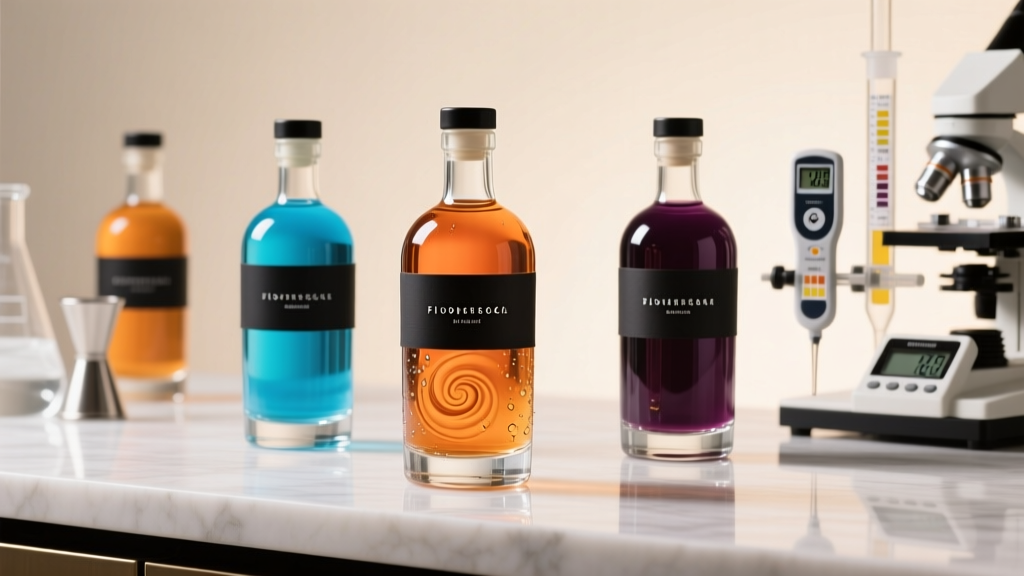
Perfume bottles are not just containers—they are integral to brand identity and product preservation. Design considerations include material selection, ergonomics, and barrier protection.
- Amber or cobalt glass reduces UV light exposure, preserving fragrance integrity
- Atomizer design affects spray pattern, droplet size, and dosage control
- Child-resistant caps and tamper-evident seals enhance safety and authenticity
- Weighted bases and sculpted forms improve shelf presence and tactile experience
Innovation Spotlight: Magnetic caps and refillable systems support sustainability initiatives
Manufacturing & Quality Control
Precision in production ensures every bottle delivers a consistent sensory experience. From blending to bottling, strict protocols maintain hygiene and performance.
- Fragrance compounding occurs in climate-controlled environments to prevent volatility shifts
- Automated filling systems ensure exact volume and minimize oxidation
- Leak testing and pressure checks verify seal integrity before packaging
- Sample batches undergo stability testing (heat, light, and time exposure)
Quality Standard: ISO 9001 and ISO 22716 (GMP for cosmetics) certifications indicate rigorous production oversight
Professional Recommendation: When developing a new fragrance line, prioritize compatibility between scent chemistry and packaging materials. Certain essential oils can degrade plastic components or react with metal parts in sprayers. Conduct compatibility testing early in the design phase to avoid costly reformulations or recalls.
| Fragrance Type | Oil Concentration | Average Longevity | Recommended Packaging |
|---|---|---|---|
| Eau de Cologne | 2–5% | 1–2 hours | Clear glass, spray pump |
| Eau de Toilette | 5–15% | 3–5 hours | Tinted glass, fine mist sprayer |
| Eau de Parfum | 15–20% | 6–8 hours | Amber glass, precision nozzle |
| Parfum (Extrait) | 20–30% | 8+ hours | Heavy glass, luxury dispenser |
Additional Considerations
- Stacking & Display: Uniform bottle dimensions allow for secure stacking and retail presentation; consider shelf footprint and center of gravity
- Sustainability: Recyclable glass, biodegradable inks, and refillable designs reduce environmental impact
- Anti-Counterfeiting: Holograms, QR codes, and NFC tags help authenticate genuine products
- Fragrance Layering: Some brands offer complementary scents designed to be layered for personalized expression
- Allergen Compliance: EU Regulation (EC) No 1223/2009 requires labeling of 26 declared allergens when present above threshold levels