
Wine tastings bring people together—celebrating craftsmanship, conversation, and connection. But for pet owners, they also introduce real, often underestimated risks: spilled glasses, unattended charcuterie boards, open bottles near curious paws, and the ever-present danger of grape or raisin toxicity. Unlike humans, dogs and cats metabolize alcohol and certain fruit compounds rapidly and dangerously. A single sip of wine can cause vomiting, lethargy, tremors, or even respiratory failure in small dogs; grapes—even in tiny amounts—can trigger acute kidney failure in dogs with no warning. Yet most hosts don’t realize that “pet-friendly” doesn’t mean “wine-tasting-proof.” Creating truly pet-safe zones isn’t about exclusion—it’s about thoughtful design, proactive boundaries, and science-informed preparation. This article outlines actionable, veterinarian-reviewed methods to host elegantly *and* ethically, ensuring your animals remain calm, contained, and completely protected.
Why Wine Tastings Pose Unique Risks to Pets
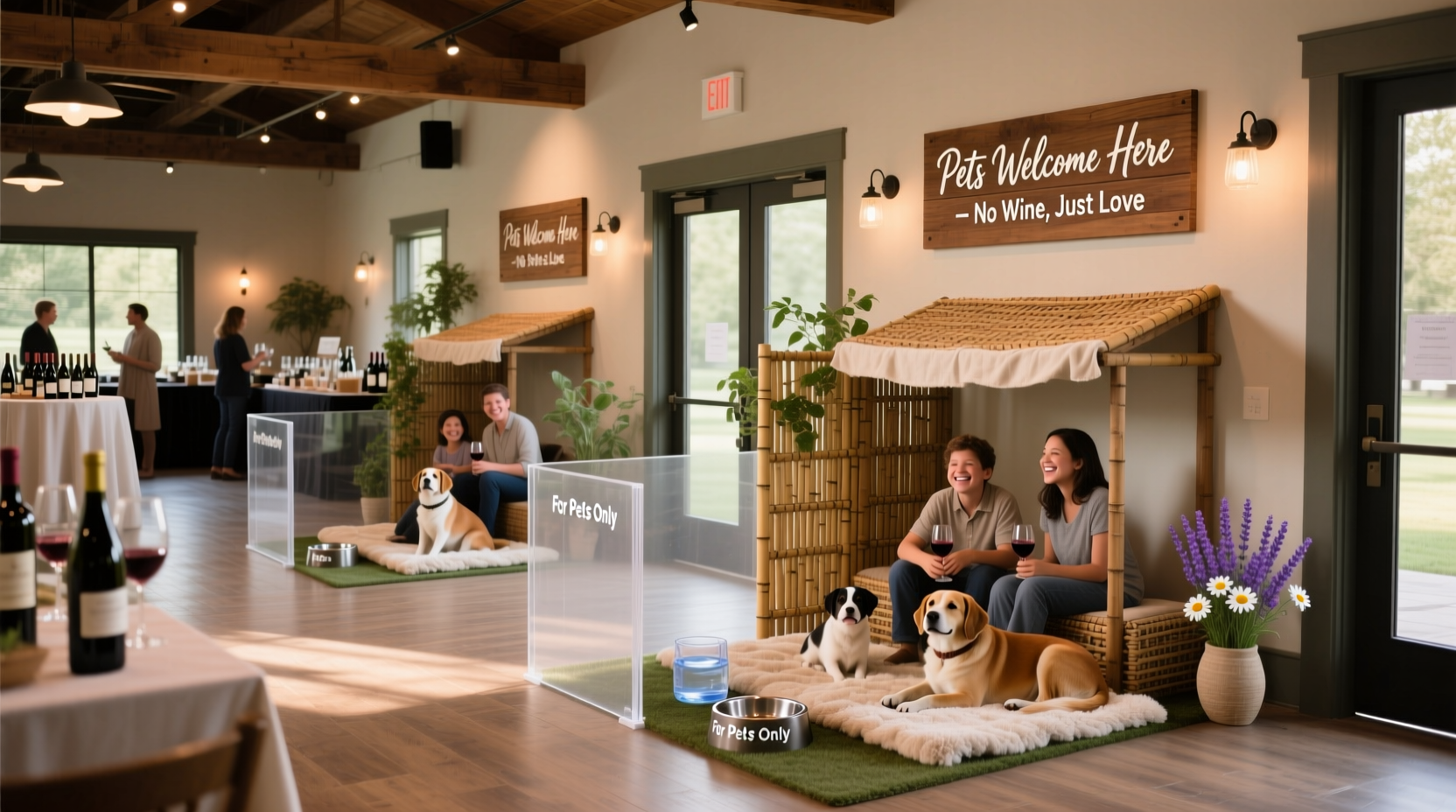
It’s not just about spilled wine. The entire ecosystem of a tasting event contains layered hazards:
- Alcohol toxicity: Ethanol depresses the central nervous system in animals far more quickly than in humans. Dogs absorb alcohol at nearly twice the rate per kilogram of body weight—and lack sufficient liver enzymes to process it efficiently. As little as 0.5 ml/kg of 40% ethanol (roughly one teaspoon of wine for a 5 kg dog) can induce clinical signs.
- Grape and raisin toxicity: The exact toxin remains unidentified, but even one or two grapes can trigger irreversible renal tubular necrosis in susceptible dogs. Symptoms may not appear for 12–24 hours—delaying recognition and treatment.
- Yeast dough and fermented foods: Leftover breadsticks, cheese rinds with active cultures, or discarded baguette ends can expand in a pet’s warm stomach—and ferment, producing ethanol internally.
- Stress-induced vulnerability: Noise, unfamiliar scents, foot traffic, and altered routines elevate cortisol in dogs and cats. Elevated stress suppresses immune function and increases risk-taking behavior—like investigating dropped food or slipping through momentarily open doors.
- Secondary hazards: Corks, stemmed glasses, wire cheese knives, and decorative greenery (e.g., lilies, ivy, or ornamental grapes) add physical and botanical dangers.
Veterinary toxicologist Dr. Lena Torres of the ASPCA Animal Poison Control Center confirms: “We see a 37% spike in grape-related calls during fall harvest season—and wine-tasting events are consistently overrepresented in cases where owners assumed ‘just one bite’ was harmless. Prevention is not precautionary. It’s physiological necessity.”
“Pets don’t understand ‘just this once.’ Their biology doesn’t negotiate. If it’s accessible, it’s a threat—not a temptation.” — Dr. Lena Torres, DVM, Dipl. ABVT, ASPCA Animal Poison Control Center
Designing Pet-Safe Zones: Layout, Boundaries & Monitoring
A pet-safe zone isn’t simply “another room.” It’s a purpose-built environment that satisfies behavioral, physiological, and safety needs simultaneously. Start by mapping your space using three concentric layers: the exclusion zone (where wine flows), the buffer zone (transition area), and the sanctuary zone (pet-only space).
The sanctuary zone must be fully self-contained: sound-dampened, temperature-stable (68–74°F), and stocked with familiar items—bed, water, toys, and an enzymatic cleaner-ready floor (no rugs that trap odors). Crucially, it must have zero line-of-sight to the tasting area. Visual access triggers arousal and barrier frustration, especially in herding or alert breeds.
Tip: Install a double-gated entry between zones—two independent doors spaced at least 3 feet apart—to prevent accidental escapes when guests enter or exit the tasting area.Use physical, not symbolic, barriers: baby gates rated for large dogs (≥36” height), pressure-mounted for stability; doorstops with auto-close hinges; and motion-sensor alarms on off-limits doors (e.g., pantry, kitchen, cellar stairs). Avoid relying on verbal cues alone—guests won’t know or remember your dog’s “leave-it” command.
Step-by-Step: Preparing Your Home 72 Hours Before the Event
- Day 3 — Audit & Remove: Walk every room used during the event. Remove all grape-containing foods (raisin bread, trail mix, chutneys), alcohol bottles (including cooking wine), yeast-based doughs, and decorative plants. Store them in locked cabinets—not just high shelves.
- Day 2 — Zone Setup: Designate and fully equip the sanctuary zone. Test all barriers. Place a white noise machine playing low-frequency rain sounds (proven to reduce canine anxiety by 42% in shelter studies). Charge pet cameras with two-way audio for remote check-ins.
- Day 1 — Guest Briefing: Email attendees a concise “Pet Safety Note”: “Our furry family members will be resting comfortably in their private suite during the tasting. To keep them safe and calm, please refrain from offering food, entering their space, or leaving doors ajar. Thank you for helping us host responsibly!”
- Event Morning — Final Sweep: Wipe down countertops with pet-safe vinegar solution (1:3 ratio). Vacuum thoroughly—grape skins and wine droplets cling to carpet fibers. Place non-slip mats under all tasting tables to catch spills before they pool.
- During the Event — Rotating Oversight: Assign one trusted guest (not the host) as the “Zone Steward”—their sole role is monitoring transitions, refilling water bowls in the sanctuary, and gently redirecting any guest who approaches pet areas.
Pet-Safe Serving & Cleanup Protocols
Serving style matters as much as location. Buffets invite grazing; passed trays increase spill risk. Opt instead for seated tastings with pre-poured 1-oz samples—reducing glass handling and overflow. Use weighted, stemless glasses (less likely to tip) and avoid corked bottles on open tables; decant into carafes ahead of time.
For food pairings, replace high-risk items entirely:
| Risk Item | Safe Alternative | Why It’s Safer |
|---|---|---|
| Grapes, raisins, currants | Sliced apples (core/seeds removed), blueberries, seedless watermelon cubes | No known nephrotoxic compounds; low sugar density; easily digested |
| Cheese rinds (mold-ripened) | Fresh mozzarella balls, mild cheddar cubes, goat cheese logs | No mycotoxins or excessive sodium; minimal fermentation byproducts |
| Chocolate-covered nuts | Unsalted roasted almonds (only for dogs >15 kg; avoid for cats & small dogs) | Almonds pose choking risk only if whole—sliced reduces hazard; zero theobromine |
| Garlic/herb-infused oils | Olive oil drizzled fresh at service, plain flaxseed crackers | Eliminates concentrated allium compounds linked to hemolytic anemia in dogs |
Cleanup must begin *during*, not after. Assign a 10-minute “reset window” halfway through the tasting: wipe tables, collect stray crumbs, empty spit buckets, and inspect floor corners with a flashlight (wine pools invisibly on dark surfaces). Never use bleach or ammonia-based cleaners post-event—these react with residual wine to form chloramine gas, which damages pets’ respiratory epithelium. Stick to enzymatic or citric-acid cleaners labeled “pet-safe.”
Real-World Example: The Napa Valley Host Who Avoided Disaster
In October 2023, Sarah M., a certified sommelier and owner of a rescue greyhound and two senior cats, hosted a 12-person vertical tasting of Pinot Noir in her Sonoma home. She followed protocol: sanctuary zone in the converted sunroom (soundproofed with acoustic panels, stocked with pheromone diffusers and orthopedic beds), double-gated entry, and pre-cleared food menu. Mid-event, a guest accidentally dropped a half-full glass behind the sofa—unseen by everyone. Sarah’s pet camera alerted her to unusual sniffing behavior from her greyhound, Luna, who’d slipped through a gap in the buffer zone gate. Within 90 seconds, Sarah retrieved Luna, wiped the spill with an enzymatic pad, and rechecked the area with UV light (revealing trace residue). Luna showed no symptoms—but bloodwork taken the next day confirmed elevated liver enzymes, resolving within 48 hours thanks to prompt intervention. “That spill was invisible to the eye,” Sarah says. “Without constant monitoring and the right tools, I wouldn’t have caught it until it was too late. Pet safety isn’t passive hospitality—it’s active stewardship.”
FAQ: Critical Questions Answered
Can I let my dog “meet the guests” before the tasting starts?
No—especially not during setup. Initial greetings should occur at least 2 hours before guests arrive, in neutral territory (e.g., front yard), with full control (leash + harness). Introducing pets during the chaotic prep phase elevates baseline stress, making them more reactive later. Save introductions for after the event, when energy levels are lower and supervision is relaxed.
What if my cat usually roams freely? Can I confine them just for the event?
Yes—but only if done gradually. Begin confinement practice 3–5 days prior, starting with 15-minute sessions in the sanctuary zone, paired with high-value treats and play. Never lock a cat in an unfamiliar space cold turkey: this can trigger traumatic avoidance or urinary stress syndrome. Monitor litter box use closely—if output drops by >30% over 24 hours, pause the plan and consult your vet.
Is there a safe amount of wine I can share with my dog “as a treat”?
No. There is no safe dose of ethanol for dogs or cats. Veterinary consensus is unequivocal: alcohol has no nutritional benefit for pets and carries disproportionate risk at any quantity. Even wine-based bone broths marketed for pets contain negligible ethanol—but reputable brands use vacuum distillation to remove it entirely. Always verify third-party lab reports before purchasing.
Conclusion: Hosting with Integrity Means Protecting Every Guest
Creating pet-safe areas for wine tastings isn’t about restriction—it’s about respect. Respect for your animals’ biological limits, for your guests’ peace of mind, and for the quiet dignity of creatures who share your home without voice or vote. When you invest in double gates, vet-approved alternatives, and preemptive communication, you’re not just preventing emergencies—you’re modeling conscientious coexistence. You’re saying, without words, that joy need not come at the cost of safety, and celebration need not compromise care. Start small: choose one step from the 72-hour plan this week. Test your sanctuary zone with a 30-minute dry run. Swap out one risky food item for a safer pairing. Then share what you learn—not just with friends, but with fellow pet-owning hosts online. Because the best wine isn’t just well-aged or well-balanced. It’s served in spaces where every living being breathes easy, rests deeply, and belongs completely.
💬 Your experience matters. Did a pet-safe strategy work for your last gathering? Share your tip, your stumble, or your success in the comments—help build a smarter, safer community for hosts and animals alike.