Chili peppers are now staples in cuisines from Thailand to Mexico, India to Hungary. Their fiery kick and vibrant color elevate dishes across continents. Yet few realize that all chili peppers—regardless of shape, heat, or name—originated in one region: the Americas. The story of the chili pepper is not just about spice; it’s a tale of ancient agriculture, global exploration, and culinary transformation. Understanding where chili peppers come from reveals how a single New World plant reshaped world gastronomy, altered trade routes, and became indispensable in kitchens from street vendors to Michelin-starred restaurants.
Definition & Overview
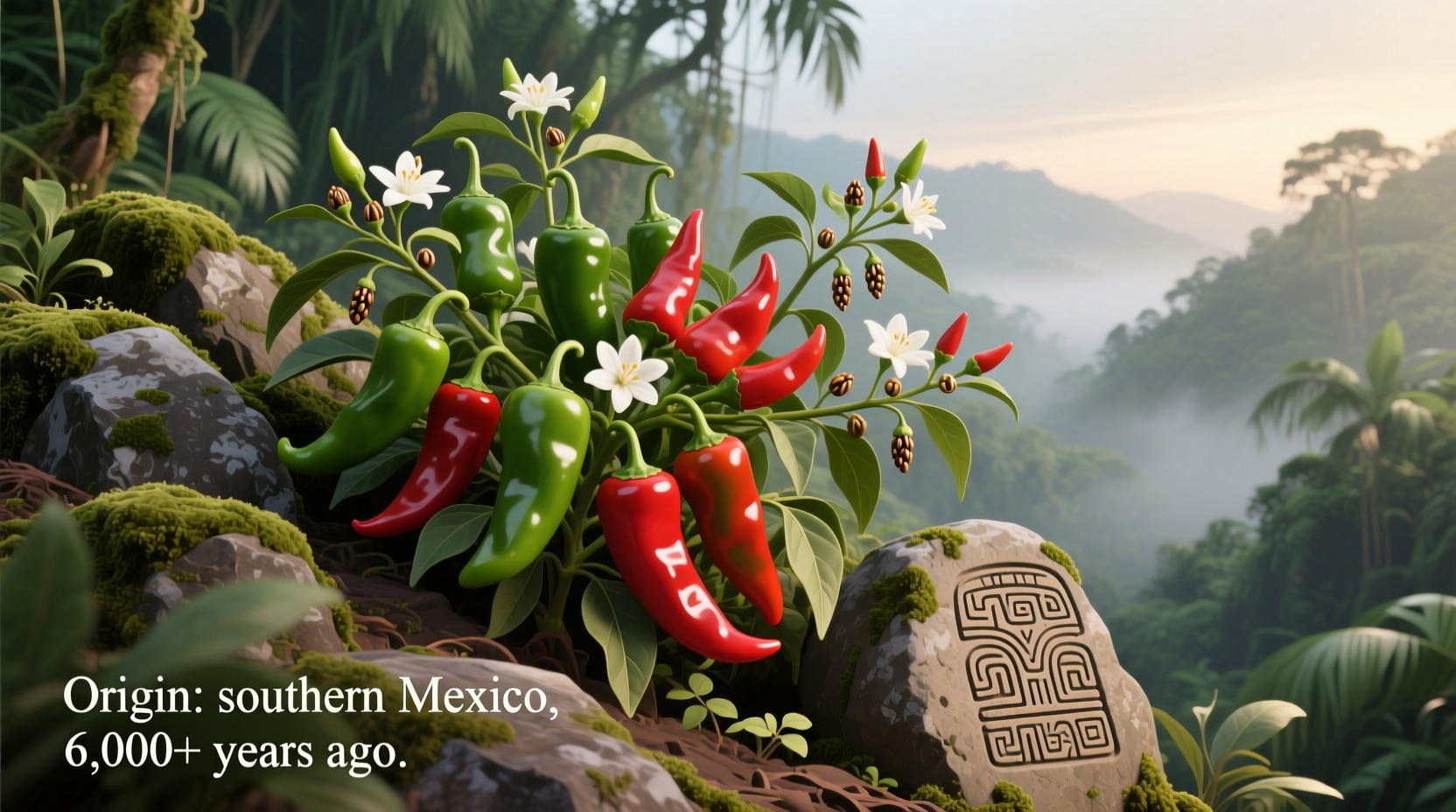
Chili peppers are fruits from plants in the genus Capsicum, part of the nightshade family (Solanaceae), which also includes tomatoes, eggplants, and potatoes. Unlike black pepper (Piper nigrum), which comes from a tropical vine native to South Asia, true chili peppers are New World crops domesticated thousands of years before European contact.
The five primary domesticated species are:
- Capsicum annuum – Includes jalapeños, bell peppers, cayenne, and serranos.
- Capsicum frutescens – Source of tabasco and some African bird peppers.
- Capsicum chinense – Home to the world’s hottest peppers like habaneros, ghost peppers, and Scotch bonnets.
- Capsicum pubescens – Known for its hairy leaves and found mainly in the Andes; includes rocoto peppers.
- Capsicum baccatum – Features South American ají peppers with fruity, complex heat.
Their defining compound is capsaicin, responsible for the burning sensation when consumed. This chemical evolved as a defense mechanism against herbivores, but humans uniquely developed a taste for it—a preference so widespread it has shaped agricultural and trade history.
Key Characteristics
Chili peppers vary dramatically in appearance and effect, but share core traits rooted in their biochemistry and botanical lineage.
| Characteristic | Description |
|---|---|
| Flavor Profile | Bright, vegetal, sometimes smoky or fruity; heat ranges from mild (bell pepper) to extreme (Carolina Reaper). |
| Aroma | Grassy when fresh, floral in ripe forms, earthy when dried; smoked varieties like chipotle have a distinct campfire scent. |
| Color & Form | Immature chilies are often green; mature ones turn red, yellow, orange, purple, or brown. Shapes range from blocky (bell) to elongated (cayenne) to lantern-like (habanero). |
| Heat Level (Scoville Scale) | Measured in Scoville Heat Units (SHU): Bell pepper (0 SHU), Jalapeño (2,500–8,000 SHU), Habanero (100,000–350,000 SHU), Carolina Reaper (1.4–2.2 million SHU). |
| Culinary Function | Adds heat, depth, color, and complexity; acts as a preservative in high concentrations; enhances umami in fermented sauces. |
| Shelf Life | Fresh: 1–3 weeks refrigerated. Dried: up to 1 year in airtight containers. Frozen: 6+ months. Fermented sauces: 1+ year refrigerated. |
The Ancient Origins: Domestication in the Americas
Archaeological and genetic evidence confirms that chili peppers were first domesticated over 6,000 years ago in what is now central-eastern Mexico. Remnants of Capsicum seeds found at sites like Coxcatlán Cave in Puebla date back to 6000 BCE, making them among the earliest cultivated plants in the Americas—predating maize cultivation in some regions.
Indigenous Mesoamerican civilizations—including the Olmecs, Maya, and later the Aztecs—integrated chili peppers into daily life. They were used not only as food but also in medicine, ritual, and even warfare. The Nahuatl word *chilli* gave rise to the Spanish *chile* and eventually the English “chili.”
By the time of the Spanish conquest in the early 1500s, chili peppers had already spread throughout Central and South America. Indigenous farmers had selectively bred dozens of landraces adapted to local climates and culinary needs—from the small, potent pequin pepper of Yucatán to the large, fleshy ají amarillo of Peru.
Global Dispersal: How Chili Peppers Conquered the World
The Columbian Exchange—the massive transfer of plants, animals, and culture between the Old and New Worlds—launched the global ascent of the chili pepper. Christopher Columbus encountered chilies in the Caribbean in 1492, mistaking them for peppercorns due to their pungency. He brought samples back to Spain, calling them *pimientos*, believing he had reached the source of Asian spices.
From Iberia, chili peppers moved rapidly along maritime trade routes:
- Portugal: Portuguese traders introduced chilies to Africa, India, and Southeast Asia by the late 1500s. In Goa, chilies replaced expensive black pepper in curries, revolutionizing Indian cuisine.
- Africa: Chilies thrived in West African climates and became central to dishes like suya spice rubs and peri-peri sauces in Mozambique.
- Asia: Within a century, chilies were adopted in China (Sichuan cuisine), Korea (gochujang), Thailand (nam prik), and Indonesia (sambal). Their ability to grow easily and add bold flavor made them more accessible than traditional spices.
- Eastern Europe: By the 16th century, Hungarian immigrants brought chili seeds from the Ottoman Empire, leading to the development of paprika—a cornerstone of goulash and other national dishes.
Unlike many colonial crops, chili peppers were rarely grown on plantations. Instead, they spread through small-scale farming and home gardens, embraced by local populations who integrated them into existing flavor systems. This grassroots adoption explains why chilies feel “native” in so many regional cuisines despite their American origins.
Practical Usage: How to Use Chili Peppers in Cooking
Understanding the origin and diversity of chili peppers empowers cooks to use them more intentionally. Whether fresh, dried, smoked, or fermented, each form brings unique properties to a dish.
Fresh Chilies
Best for brightness and crisp texture. Ideal in salsas, stir-fries, salads, and marinades. Remove seeds and membranes to reduce heat while retaining flavor.
- Jalapeño: Moderate heat; perfect for pico de gallo, guacamole, or stuffed with cheese.
- Serrano: Hotter than jalapeño; excellent raw in salsas verdes.
- Habanero: Intense heat with tropical fruit notes; use sparingly in hot sauces or Caribbean stews.
Dried Chilies
Drying concentrates flavor and adds earthiness. Rehydrate by soaking in hot water for 20 minutes before blending into pastes or sauces.
- Ancho (dried poblano): Sweet, raisin-like; base for mole sauces.
- Guajillo: Tangy and medium-hot; used in adobos and tamales.
- Arbol: Sharp, searing heat; ideal for red sauces and vinegar infusions.
Smoked Chilies
Smoke adds depth and complexity. Most famously, chipotle peppers (smoked jalapeños) contribute a rich, bacon-like note to soups, stews, and rubs.
Fermented & Processed Forms
These preserve chilies while enhancing umami and tang:
- Hot sauces: From Louisiana-style (vinegar-forward) to sriracha (garlic-sweet), balance acidity, salt, and sweetness around chili heat.
- Pastes: Gochujang (Korean), doubanjiang (Chinese), harissa (North African)—each blends chilies with fermented grains, legumes, or spices.
- Flakes & Powders: Crushed red pepper and paprika offer convenience and consistent heat distribution.
Pro Tip: Always handle hot chilies with gloves or wash hands thoroughly after cutting. Avoid touching eyes or face. To neutralize capsaicin on skin, use milk or oil-based cleansers—not water, which spreads the oil.
Variants & Types: Choosing the Right Chili for the Job
With hundreds of cultivars, selecting the right chili depends on desired heat, flavor, and application.
| Type | Heat (SHU) | Flavor Notes | Best Uses |
|---|---|---|---|
| Bell Pepper | 0 | Sweet, crisp, grassy | Stuffed, roasted, raw in salads |
| Jalapeño | 2,500–8,000 | Grassy, bright, slightly sweet | Salsas, nachos, pickled |
| Serrano | 10,000–23,000 | Clean heat, sharp | Raw salsas, garnishes |
| Habanero | 100,000–350,000 | Tropical fruit, citrus, floral | Caribbean jerk, hot sauces |
| Ghost Pepper (Bhut Jolokia) | 800,000–1,041,000 | Smoky, sweet, then intense burn | Challenge sauces, infused oils (use sparingly) |
| Carolina Reaper | 1.4–2.2 million | Fruity start, delayed nuclear heat | Extreme heat applications; not recommended for general cooking |
| Paprika (ground) | 0–50,000 (varies) | Earthy, sweet to smoky | Seasoning rubs, goulash, deviled eggs |
Comparison with Similar Ingredients
Chili peppers are often confused with other spicy ingredients, but key differences exist in origin, chemistry, and culinary role.
| Ingredient | Origin | Heat Compound | Flavor Profile | Substitution Advice |
|---|---|---|---|---|
| Black Pepper | India/South Asia | Piperine | Sharp, woody, aromatic | Not interchangeable; black pepper lacks capsaicin burn but adds different pungency. |
| Horseradish | Europe | Allyl isothiocyanate | Nasal-clearing, sharp, fleeting heat | Use in creamy sauces or condiments, but doesn’t replicate chili’s lingering warmth. |
| Wasabi | Japan | Same as horseradish | Volcanic, short-lived burn | Authentic wasabi is rare; most “wasabi” is horseradish-based. Not a chili substitute. |
| Ginger | Southeast Asia | Gingerols | Warm, zesty, slightly sweet | Adds warmth but not true heat; complements chilies rather than replaces them. |
“The genius of chili peppers lies in their versatility. They’re not just about heat—they’re flavor amplifiers. A ripe habanero can smell like mango and peach, yet deliver fire. That duality changed global palates forever.” — Dr. Elena Ruiz, Ethnobotanist & Food Historian
Practical Tips & FAQs
How do I reduce the heat of a chili pepper?
Remove the white ribs and seeds—the placenta tissue contains the highest concentration of capsaicin. Soaking chopped chilies in milk or lime juice can also temper intensity.
Can I substitute fresh chilies for dried?
Yes, but adjust quantities. As a rule: 1 tablespoon dried chili flakes ≈ 1–2 fresh medium chilies. Dried chilies offer deeper, more concentrated flavor; fresh ones bring moisture and brightness.
What’s the best way to store chili peppers?
- Fresh: Store in a paper bag in the crisper drawer; avoid plastic, which traps moisture and accelerates spoilage.
- Dried: Keep in airtight glass jars away from light and heat. Add a silica packet to prevent mold.
- Preserved: Pickled chilies last 6+ months refrigerated. Oil-packed chilies must be refrigerated and used within weeks due to botulism risk.
Are colorful chilies different in flavor?
Absolutely. Green chilies are unripe and tend to be grassier and sharper. Red, yellow, or purple chilies are fully ripe, offering sweeter, more complex flavors. For example, a red jalapeño (often labeled “mirasol”) is noticeably fruitier than its green counterpart.
Why do some cultures crave chili heat?
Studies suggest capsaicin triggers endorphin release, creating a natural “high.” Culturally, chili use correlates with warmer climates—possibly because spicy foods induce sweating, aiding cooling, and because capsaicin has antimicrobial properties that help preserve food in heat.
Is there a nutritional benefit to eating chili peppers?
Yes. Chilies are rich in vitamin C (more than oranges by weight), antioxidants like flavonoids, and capsaicin, which may support metabolism and cardiovascular health in moderation.
Home Grower’s Note: Chili plants thrive in containers with full sun. Start seeds indoors 8–10 weeks before the last frost. Most varieties produce fruit within 70–90 days. Even apartment dwellers can grow ornamental varieties like Thai dragon on sunny windowsills.
Summary & Key Takeaways
The origin of chili peppers in the Americas marks one of the most profound shifts in global food history. From ancient Mesoamerican fields to modern supermarket shelves, these fiery fruits have become universal symbols of flavor, heat, and cultural identity.
- All chili peppers descend from wild Capsicum species domesticated in Mexico over 6,000 years ago.
- They spread globally via the Columbian Exchange, integrating seamlessly into Asian, African, and European cuisines.
- Heat varies widely by type—from zero-heat bell peppers to record-breaking superhots—but flavor complexity often surpasses mere spiciness.
- Forms include fresh, dried, smoked, and fermented, each suited to specific culinary roles.
- Proper handling, storage, and substitution knowledge ensures safe, effective use in any kitchen.
Whether you're seasoning a stew, crafting a hot sauce, or growing your first pepper plant, understanding the origin and nature of chili peppers deepens appreciation for this extraordinary ingredient. Their journey from obscurity to ubiquity is a testament to human curiosity, adaptability, and the universal pursuit of bold flavor.
Ready to explore? Try making a simple roasted chili paste: Char 2–3 pasilla or ancho chilies over flame, soak in hot water, blend with garlic, cumin, and a splash of vinegar. Use as a base for soups, braises, or tacos. Taste the legacy of ancient agriculture in every bite.