For decades, “non-alcoholic beer” meant a thin, vaguely beery afterthought—something you drank only because you couldn’t drink anything else. Today’s NA offerings are brewed with precision, dry-hopped like their alcoholic cousins, and served in craft taprooms alongside 7% IPAs. Yet many still hesitate: if you remove the alcohol—the molecule that relaxes inhibitions, amplifies flavor perception, and anchors centuries of ritual—what remains? Is the experience diminished, or merely transformed? This isn’t about abstinence versus indulgence. It’s about whether intentionality can replace intoxication without sacrificing meaning, pleasure, or connection.
What “Non-Alcoholic” Really Means (and Why It Matters)
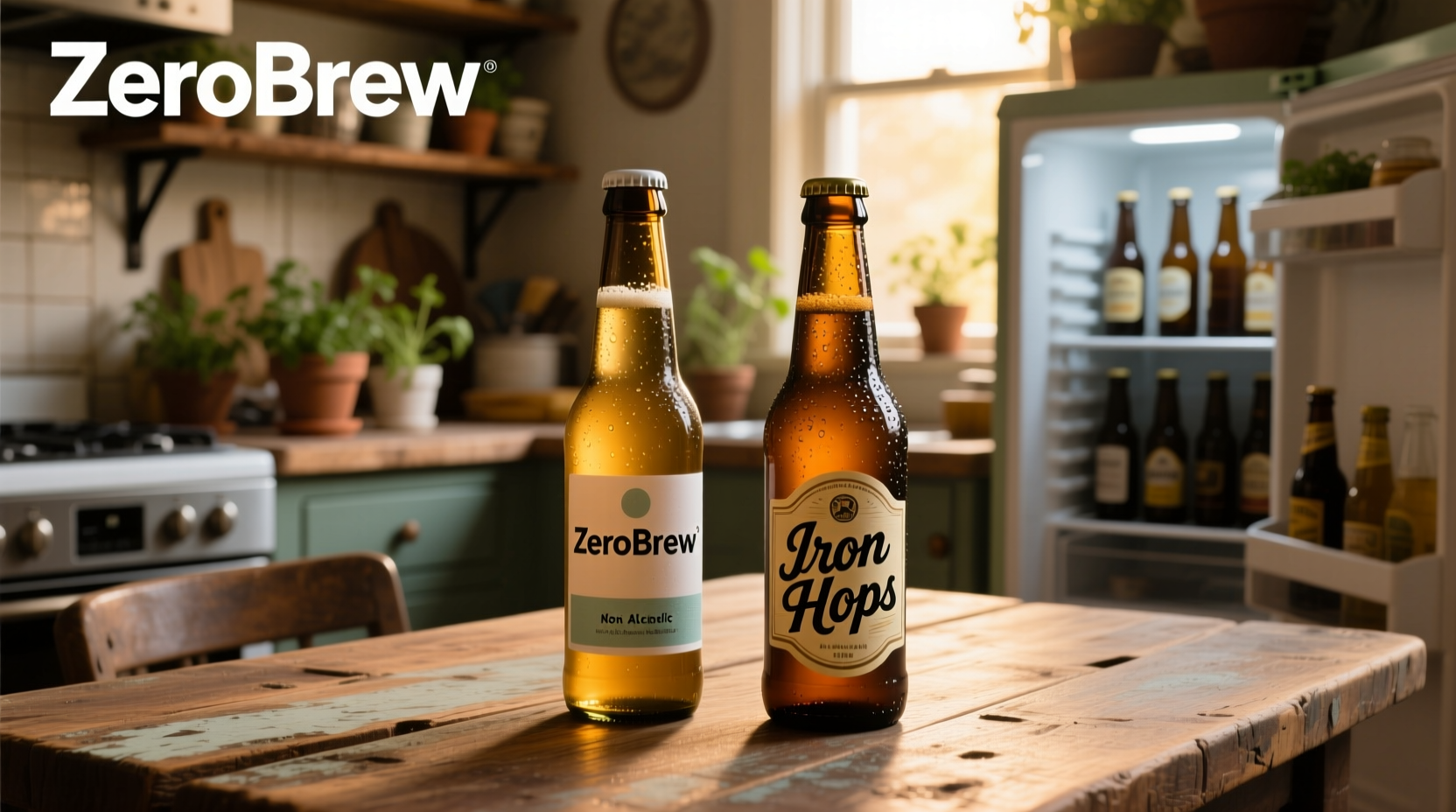
In the U.S., the legal threshold for “non-alcoholic beer” is ≤0.5% ABV (alcohol by volume). In the EU, it’s often ≤0.5%, though some countries permit up to 0.05% for “alcohol-free.” That small range carries outsized implications. A 0.5% ABV beer contains roughly 1.2 grams of alcohol per 330ml bottle—less than a ripe banana or a slice of sourdough bread. But physiologically, it’s functionally non-intoxicating: blood alcohol concentration (BAC) remains effectively zero, even after three servings.
The brewing process determines more than just alcohol content—it shapes mouthfeel, aroma, and depth. Traditional methods include boiling off alcohol post-fermentation (which risks flattening volatile hop compounds), vacuum distillation (gentler, preserves more nuance), or arrested fermentation (stopping yeast activity early). The most compelling modern NA beers use the latter or advanced membrane filtration—techniques that retain esters, terpenes, and polyphenols otherwise lost in heat-based removal.
Tip: Look for “brewed not stripped” on the label—or check the brewery’s website. Brands like Athletic Brewing, Wellbeing Brewing, and Upstream use cold filtration or controlled fermentation, yielding richer, more authentic profiles than older heat-evaporated products.The Flavor Gap: Narrowing, Not Closed
Alcohol contributes directly to sensory experience: it carries aromatic compounds, adds body and warmth, and slightly numbs bitterness—making hoppy beers more approachable. Removing it changes the physics of taste. Without ethanol’s solvent properties, certain hop oils volatilize less readily; without its slight viscosity, mouthfeel thins. Early NA beers suffered from “green apple” off-flavors (acetaldehyde) or cardboard notes (oxidation)—often due to rushed stabilization or poor packaging.
Today’s best examples mitigate these issues through meticulous process control. A 2023 blind tasting by the Journal of Sensory Studies found that trained panelists rated top-tier NA lagers and hazy IPAs within 12% of their alcoholic counterparts on complexity and balance—though consistently lower on “perceived fullness” and “lingering finish.” Where the gap persists is less in aroma or initial taste, and more in structural resonance: that satisfying weight on the tongue, the gentle warmth spreading mid-sip, the way carbonation lifts flavors in concert with ethanol.
| Attribute | Regular Beer (5% ABV) | Top-Tier NA Beer (0.5% ABV) | Gap Notes |
|---|---|---|---|
| Aroma Intensity | High (ethanol lifts volatiles) | Moderate-High (cold filtration preserves ~85% of key terpenes) | Most noticeable in hop-forward styles; citrus and pine notes remain strong, but floral and stone-fruit nuances soften |
| Mouthfeel | Medium-full, slightly warming | Light-medium, crisp, sometimes watery | Compensated via oats, wheat, or glycerol additions—but rarely replicates ethanol’s textural signature |
| Bitterness Perception | Modulated by alcohol’s numbing effect | More pronounced, especially in IPAs | Requires careful IBU calibration; many NA IPAs run 25–35 IBUs vs. 60–80 in alcoholic versions |
| Aftertaste Duration | 20–40 seconds | 10–20 seconds | Shorter persistence affects perceived complexity and satisfaction |
| Food Pairing Versatility | High (alcohol cuts fat, enhances umami) | Good (best with lighter fare: salads, grilled fish, soft cheeses) | Struggles with rich, fatty dishes where alcohol’s cleansing effect is irreplaceable |
The Psychology of Ritual: Why Context Changes Everything
Drinking is never just about chemistry—it’s embedded in context, memory, and expectation. Neuroscientist Dr. Rachel K. Lee, who studies reward pathways in beverage consumption, explains: “The brain doesn’t respond solely to ethanol. It responds to the *entire predictive package*: the clink of glass, the foam cresting the rim, the ritual of pouring, the social permission to pause. When those cues align—even without alcohol—the ventral tegmental area still releases dopamine. But the *quality* of that reward shifts: from disinhibitory euphoria to calm engagement.”
“The biggest predictor of NA beer satisfaction isn’t flavor fidelity—it’s whether the drinker has mentally reframed the act. Those who treat it as ‘beer lite’ report disappointment. Those who treat it as ‘intentional refreshment’ report higher enjoyment and longer-term adherence.” — Dr. Rachel K. Lee, Cognitive Neuroscientist, Stanford Addiction Medicine Program
This reframing matters profoundly. Consider two scenarios: • A bartender pours a hazy NA IPA into a tulip glass, garnishes with an orange twist, and describes its Citra and Mosaic hop profile before serving. • The same beer is handed from a cooler in a plastic cup at a family picnic, labeled only “non-alc.” Both contain identical liquid—but the first activates sensory anticipation and narrative framing; the second triggers default expectations of compromise.
A Real-World Case Study: The Brewery Taproom Shift
In late 2022, Portland’s Breakside Brewery launched “Zero Proof Thursdays”—a dedicated night featuring four NA taps, curated food pairings, and no mention of “alcohol-free” on signage. Instead, menus read: “Crisp Citrus Lager,” “Toasted Oat Stout,” “Herbal Saison,” and “Tropical Haze.” Staff were trained to describe ingredients and process—not absence. Within three months, NA sales accounted for 18% of Thursday’s total draft volume. More tellingly, 62% of NA customers ordered a second pour—compared to 44% for regular beer patrons.
Owner Ben Edmunds observed: “We stopped selling ‘what’s not in it’ and started selling ‘what’s in it.’ People weren’t choosing NA to avoid alcohol—they were choosing it because they wanted that specific flavor, that texture, that moment—without the next-day fatigue. The experience wasn’t lesser. It was *different*, and they embraced the difference.”
When Skipping Alcohol Enhances—Not Diminishes—the Experience
For many, removing alcohol doesn’t kill the experience—it unlocks dimensions previously muted. Athletes report sharper post-workout recovery when swapping a post-run lager for a NA version: no dehydration, no sleep disruption, no glycogen interference. Parents find genuine presence during school pickups or bedtime routines when they’re not metabolizing ethanol. Shift workers maintain alertness without caffeine spikes. And for those managing anxiety, the absence of alcohol’s rebound cortisol surge means steadier mood regulation—and more authentic social connection.
The trade-off isn’t between “full” and “empty” experience. It’s between two distinct kinds of richness: one rooted in neurochemical release, the other in sustained clarity. As one long-time NA drinker told us: “I used to love how beer made me feel *after* two pints—the looseness, the laughter. Now I love how I feel *during* the third NA IPA—the clear-headed conversation, the ability to remember the joke I told, the lack of that 3 a.m. mental replay. It’s not the same joy. It’s a quieter, truer one.”
Your Practical Path Forward: A 5-Step Integration Guide
Switching to NA beer shouldn’t mean settling. It should mean aligning your beverage choice with your values, physiology, and desired outcomes. Here’s how to make it work—not as a compromise, but as a conscious upgrade:
- Start with style alignment, not ABV avoidance. If you love stouts, try a nitrogenated NA oat stout—not a light lager. Match the experience you crave, not just the category you’re leaving.
- Pour with ceremony. Use proper glassware. Chill to 4–7°C (not ice-cold, which masks aroma). Let it breathe 30 seconds. This signals to your brain: “This is worth attention.”
- Pair intentionally. NA lagers shine with spicy Thai food; NA saisons cut through charcuterie; NA stouts complement dark chocolate. Treat pairing as seriously as you would with wine.
- Rotate brands quarterly. Just as palates adapt to coffee or cheese, they adapt to NA profiles. Rotating prevents sensory fatigue and reveals new favorites.
- Track your “clarity metrics” for 30 days. Note sleep quality, morning energy, focus duration, and social ease—not just taste preference. You’ll likely discover benefits far beyond flavor.
FAQ: Addressing the Real Questions People Ask
Does non-alcoholic beer hydrate better than water?
No—but it’s significantly more hydrating than regular beer. A 2022 study in the European Journal of Clinical Nutrition confirmed NA beer has a net positive hydration effect (similar to skim milk), while 5% beer causes mild diuresis. So yes, it supports hydration goals—but water remains optimal for rapid rehydration.
Can I drive safely after three NA beers?
Yes—with near-zero physiological risk. At 0.5% ABV, even consuming six servings in an hour yields a BAC below 0.005%, well under the U.S. legal limit of 0.08% and undetectable by standard breathalyzers. However, always assess personal tolerance: some individuals report mild drowsiness from hops (particularly myrcene), which has natural sedative properties.
Why do some NA beers taste sweet or syrupy?
Residual sugars left unfermented to compensate for missing alcohol’s body and bitterness. Better brewers use enzymatic treatment or precise yeast selection to ferment cleanly, then add back complexity via botanicals (ginger, coriander, toasted coconut) rather than sugar. Check ingredient lists: “cane sugar” or “maltodextrin” often signal sweetness masking; “dry-hopped,” “unfiltered,” or “cold-fermented” suggest intentional complexity.
Conclusion: Reclaiming the Ritual, Not the Reaction
Skipping alcohol doesn’t kill the experience—it returns agency to the drinker. It transforms beer from a vehicle for intoxication into a vessel for intention: for presence over escapism, for flavor over function, for connection without compromise. The finest NA beers today aren’t imitations. They’re reinterpretations—crafted with the same reverence, science, and artistry as their alcoholic peers, yet answering a different human need: the desire to savor, celebrate, and unwind without surrendering clarity. The question isn’t whether non-alcoholic beer measures up to regular beer. It’s whether you want the experience alcohol provides—or the experience you’ve always wanted, but never knew you could have without it.
💬 Your turn: What’s the first NA beer that surprised you—not by how much it resembled regular beer, but by how deeply it satisfied you on its own terms? Share your story in the comments. Let’s redefine what “a great beer experience” really means—together.