Roasted asparagus is a simple side dish that can elevate any meal—but too often, it ends up soggy, bland, or unevenly cooked. The secret to achieving crisp-tender spears with deep, caramelized flavor lies in the details: from selecting the right stalks to mastering oven temperature and timing. With the right approach, you can consistently produce restaurant-quality asparagus at home. This guide breaks down every step of the process, offering actionable insights, expert-backed techniques, and common pitfalls to avoid.
Choose the Right Asparagus for Roasting
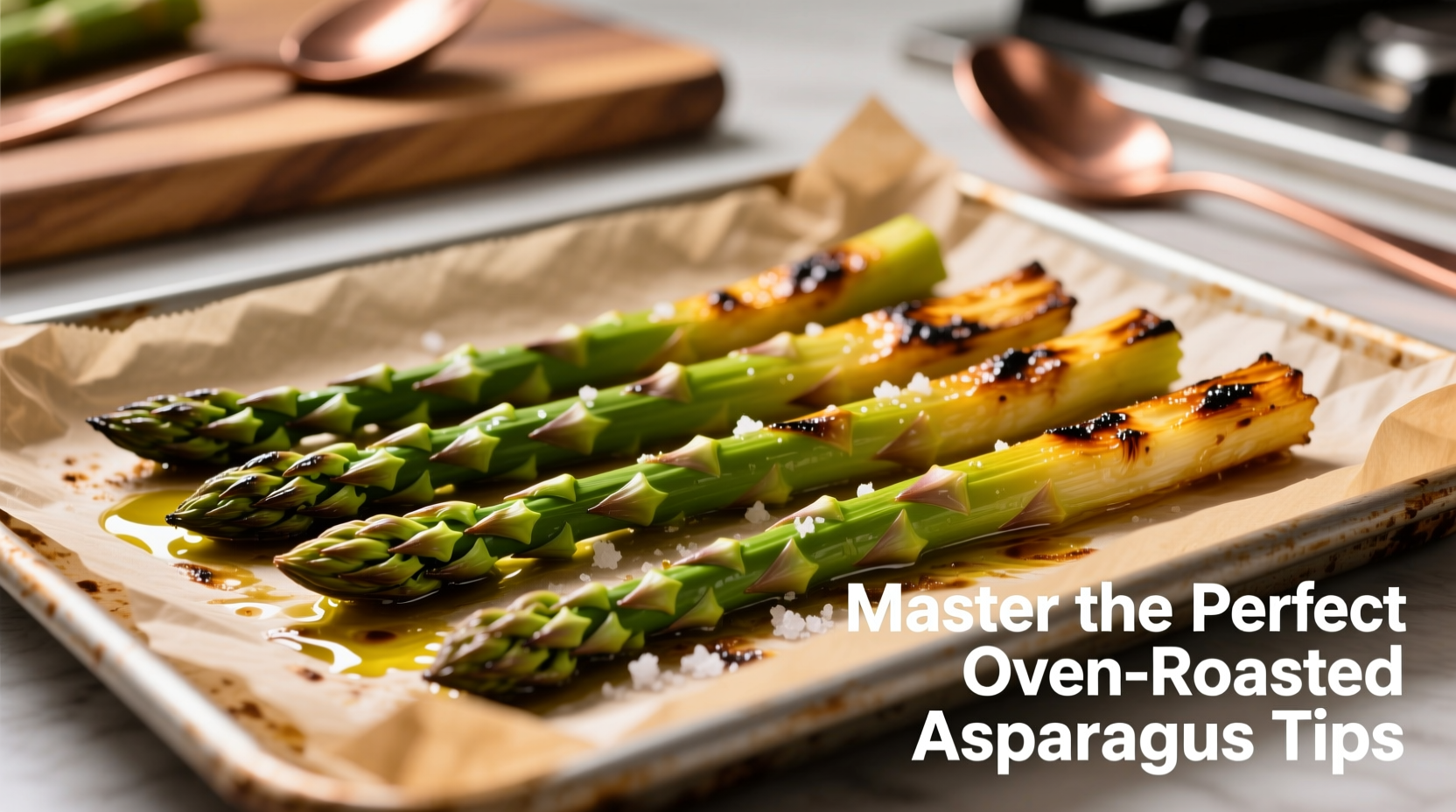
Not all asparagus is created equal. The variety and freshness of your spears directly impact texture and taste after roasting. Look for firm, bright green stalks with tightly closed tips. Avoid wilted stems or those with dry, woody bases. Thicker spears (about the width of a pencil) tend to roast more evenly and develop better caramelization without overcooking.
While thin asparagus cooks quickly, it can easily turn mushy under high heat. Thick spears hold their structure and deliver a satisfying bite. If you're buying pre-bundled asparagus, check the cut ends—moist, pale green ends indicate freshness; brown or dried-out ends suggest age.
Tip: Store asparagus upright in a jar with an inch of water in the fridge, like flowers, to keep it crisp for up to five days.Prep Like a Pro: Trimming and Drying
Proper preparation sets the stage for even roasting. Start by trimming the woody ends. Instead of cutting a uniform length, bend each spear near the base—it will naturally snap where the tough part ends and the tender stem begins. This method ensures no waste and optimal texture.
After trimming, wash the asparagus thoroughly under cold water to remove sand or grit, especially between the tips. Then, dry them completely. Moisture is the enemy of crispiness. Wet spears steam instead of roast, leading to limp results. Use a salad spinner or pat them dry with a clean kitchen towel.
“Dry asparagus is non-negotiable for crisp edges. Even a little moisture prevents proper browning.” — Chef Lena Reyes, Culinary Instructor at Pacific Coast Cooking School
The Ideal Roasting Method: Temperature, Pan, and Timing
High heat is essential. Preheat your oven to 425°F (220°C). At this temperature, asparagus roasts quickly, develops a light char, and retains its vibrant color. Lower temperatures prolong cooking time and increase the risk of sogginess.
Use a rimmed baking sheet lined with parchment paper or a silicone mat for easy cleanup. For maximum browning, spread the spears in a single layer with space between them. Crowding the pan traps steam and prevents crisping.
Toss the asparagus with just enough olive oil to coat—about 1–1.5 tablespoons per pound. Too much oil weighs down the spears and inhibits browning. Season with kosher salt and freshly ground black pepper before roasting.
Step-by-Step Roasting Timeline
- Preheat oven to 425°F (220°C).
- Trim and wash asparagus, then dry thoroughly.
- Arrange in a single layer on a baking sheet.
- Toss lightly with olive oil, salt, and pepper.
- Raise the heat to 450°F (230°C) if you want extra crispiness (optional).
- Roast for 12–15 minutes, flipping halfway through for even browning.
- Finish with a squeeze of lemon or a sprinkle of Parmesan.
Elevate Flavor with Smart Additions
While simple salt and oil work beautifully, a few strategic additions can transform roasted asparagus into a standout dish. Consider these combinations:
- Lemon zest and juice – adds brightness and cuts richness.
- Grated Parmesan or Pecorino – melts slightly during roasting, adding umami and a golden crust.
- Garlic (thinly sliced or minced) – toss in during the last 5 minutes to prevent burning.
- Balsamic glaze – drizzle after roasting for a sweet-tart finish.
- Toasted almonds or pine nuts – add crunch and nutty depth.
Avoid adding delicate herbs like basil or parsley before roasting—they’ll burn. Instead, sprinkle them on after the asparagus comes out of the oven.
| Add-In | When to Add | Flavor Benefit |
|---|---|---|
| Garlic | Last 5 minutes | Savory depth |
| Parmesan cheese | Last 3–4 minutes | Salty, nutty crust |
| Lemon juice | After roasting | Acidic balance |
| Red pepper flakes | Before roasting | Subtle heat |
| Fresh herbs (parsley, dill) | After roasting | Herbal freshness |
Avoid These Common Mistakes
Even experienced home cooks make missteps that compromise texture and taste. Here’s what to watch for:
- Overcrowding the pan: Leads to steaming instead of roasting.
- Under-seasoning: Asparagus needs ample salt to bring out its natural sweetness.
- Using low heat: Results in limp, dull spears without color.
- Skipping the flip: One-sided browning limits crispness.
- Adding wet ingredients: Tossing with lemon juice or vinegar before roasting introduces moisture.
Do’s and Don’ts Summary
| Do | Don’t |
|---|---|
| Dry asparagus thoroughly | Roast wet spears |
| Use high heat (425°F+) | Cook at 375°F or lower |
| Space spears apart on the tray | Crowd the pan |
| Flip halfway through | Leave unturned |
| Add cheese late in cooking | Put cheese on too early |
Real Example: From Soggy to Spectacular
Sarah, a home cook in Portland, used to dread making asparagus. “Every time I roasted it, it came out limp and bland,” she said. She followed recipes but never got the crisp edges she saw in restaurants. After learning to dry her spears completely, increase her oven temperature to 425°F, and flip them midway, her results transformed. “Now my husband asks for it weekly. The tips get almost crunchy, and the stems are tender but firm. It’s become our favorite side.”
Checklist for Perfect Oven-Roasted Asparagus
- ☑ Select firm, medium-thick asparagus
- ☑ Trim ends by snapping or cutting
- ☑ Wash and dry thoroughly (critical!)
- ☑ Preheat oven to 425°F (220°C)
- ☑ Use a large baking sheet, single layer
- ☑ Toss with 1 tbsp olive oil per pound
- ☑ Season generously with salt and pepper
- ☑ Roast 12–15 minutes, flipping halfway
- ☑ Finish with lemon, cheese, or herbs
Frequently Asked Questions
Can I roast asparagus at a lower temperature?
You can, but it's not recommended. Lower temperatures (below 400°F) extend cooking time and prevent proper caramelization. The spears may become soft and lose their vibrant green color. Stick to 425°F or higher for best results.
How do I store leftover roasted asparagus?
Keep leftovers in an airtight container in the refrigerator for up to 3 days. Reheat gently in a hot oven or skillet to restore some crispness. Microwaving will make it soggy.
Is it necessary to peel asparagus before roasting?
No, peeling is unnecessary for most asparagus, especially medium-thick spears. Only very thick, mature stalks may benefit from peeling the lower half to reduce fibrousness. For everyday cooking, trimming and roasting as-is works perfectly.
Conclusion: Serve Confidently, Every Time
Perfectly roasted asparagus isn’t about luck—it’s about precision. From choosing fresh spears to drying them thoroughly and roasting at high heat with proper spacing, each step contributes to that ideal balance of crisp edges and tender stems. Once you master the fundamentals, you can confidently customize with garlic, cheese, citrus, or spices to match any meal.
💬 Try this method tonight and taste the difference! Share your results, favorite seasonings, or questions in the comments below—let’s grow a community of better home cooks together.