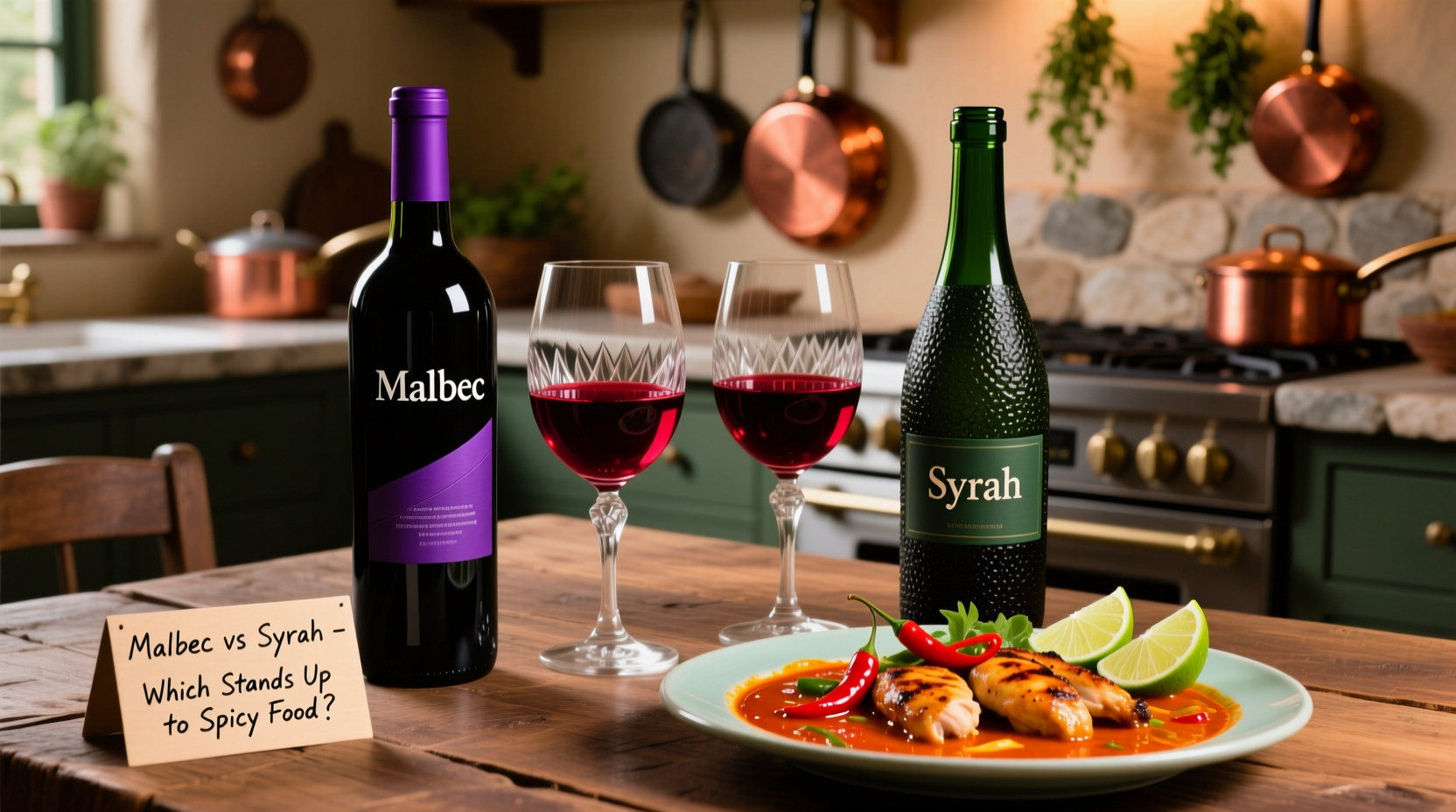
Spicy food presents one of the most revealing tests for red wine. Heat from chiles doesn’t just burn—it amplifies alcohol, exaggerates tannin, and dulls fruit. A wine that’s balanced at room temperature can turn harsh, metallic, or painfully hot when paired with a vibrant Thai curry or smoky Mexican mole. Among bold reds, Malbec and Syrah (also known as Shiraz) are frequent go-to choices—but they respond to spice in fundamentally different ways. This isn’t about personal preference alone; it’s about chemistry, structure, and regional expression. Understanding how each variety interacts with capsaicin—the compound behind heat—reveals why one may elevate your meal while the other undermines it.
How Spice Changes the Wine Experience
Capsaicin binds to pain receptors on the tongue and triggers a physiological response: increased salivation, heightened perception of alcohol warmth, and suppressed sweetness detection. This means wines with high alcohol (>14.5%), aggressive tannins, or low acidity often taste hotter, more astringent, or flabby next to spice. Conversely, wines with ripe fruit, moderate alcohol (13–14.2%), supple tannins, and bright acidity can cool the palate, refresh between bites, and harmonize with umami and smoke. It’s not that spice “overpowers” wine—it recalibrates your sensory system. What feels lush and generous on its own may feel abrasive under heat. That’s why tasting notes written in isolation rarely predict real-world performance at the dinner table.
Tip: Serve both Malbec and Syrah slightly chilled—between 60–64°F (15–18°C). A cooler temperature softens alcohol perception and heightens freshness, making either wine far more resilient against heat.Malbec: The Approachable Powerhouse
Originating in France but perfected in Argentina’s high-altitude vineyards, Malbec thrives in warm days and cool nights—a diurnal swing that preserves acidity while encouraging deep color and plush tannins. Argentine Malbec is typically medium- to full-bodied, with alcohol ranging from 13.5% to 14.5%, moderate acidity, and tannins that are ripe rather than grippy. Its hallmark profile leans into black plum, blackberry jam, violet, and subtle cocoa—fruit-forward and generously textured, without the structural austerity of many Old World reds.
With spice, Malbec’s strengths emerge clearly. Its lower tannin grip avoids clashing with capsaicin-induced mouth-drying. Its pronounced fruit sweetness (perceived, not residual sugar) counterbalances heat, much like how a ripe mango cools a fiery salsa. And because many Argentine producers ferment with whole clusters or use gentle extraction, the tannins remain rounded—not chalky or stemmy—so they don’t amplify bitterness alongside chile seeds or charred spices.
Where Malbec stumbles is with *very* high-heat dishes—think Sichuan mapo tofu drenched in chili oil or Jamaican jerk chicken with Scotch bonnet glaze. In those cases, its modest acidity can’t cut through fat and oil, and its moderate structure may feel washed out by relentless heat. It also struggles with aggressively smoky preparations where ash and char dominate—its fruit can seem one-dimensional next to layered complexity.
Syrah: The Structured Chameleon
Syrah’s behavior shifts dramatically across terroirs. In Australia’s Barossa Valley, it becomes rich, opulent, and high-alcohol (often 14.5–15.5%), loaded with blackberry liqueur, licorice, and dark chocolate. In France’s Northern Rhône—especially Hermitage and Côte-Rôtie—it’s more austere: medium-bodied, higher in acidity and fine-grained tannins, with notes of olive tapenade, smoked meat, violets, and cracked black pepper. This duality matters immensely for spice pairing.
The Australian Shiraz style, while beloved for its generosity, often falters with heat. Its elevated alcohol intensifies capsaicin’s burn; its dense, sometimes jammy fruit lacks the lift needed to refresh the palate; and its oak-driven vanilla or mocha notes can clash with cumin, coriander, or star anise. It works best with slow-cooked, fatty, mildly spiced dishes—like Moroccan lamb tagine with preserved lemon—where richness and spice coexist gently.
In contrast, Northern Rhône Syrah excels where Malbec recedes. Its firm but refined tannins provide palate-cleansing structure without harshness. Its bright acidity slices through oil and heat. And its savory, peppery, mineral-laced profile resonates with complex spice blends—think berbere in Ethiopian stews, garam masala in Indian curries, or chipotle adobo in Oaxacan mole. As Master of Wine Jancis Robinson observes:
“Good Syrah doesn’t shout over spice—it converses with it. Its pepper isn’t an add-on flavor; it’s a biochemical echo of capsaicin, creating resonance rather than competition.” — Jancis Robinson MW, Wine Grapes
Side-by-Side Comparison: Key Structural Factors
| Factor | Typical Argentine Malbec | Typical Northern Rhône Syrah | Impact on Spicy Food |
|---|---|---|---|
| Alcohol | 13.5–14.5% | 12.5–13.8% | Lower alcohol = less heat amplification. Syrah’s restraint here is a quiet advantage. |
| Tannin Structure | Ripe, round, low-to-moderate grip | Firm, fine-grained, persistent but not aggressive | Malbec avoids drying; Syrah cleanses without punishing. Both succeed—but via different mechanisms. |
| Acidity | Moderate, often softened by oak or ripeness | Brisk, vital, naturally high | Syrah’s acidity actively refreshes; Malbec relies more on fruit juiciness for relief. |
| Fruit Profile | Lush black plum, blueberry, violet | Blackberry, olive, smoked meat, white/ black pepper | Malbec soothes with sweetness; Syrah complements with umami and spice synergy. |
| Food Pairing Sweet Spot | Medium-heat grilled meats, empanadas, tomato-based salsas | High-heat curries, dry-rubbed ribs, harissa-spiced vegetables, fermented chutneys | Malbec is the crowd-pleaser; Syrah is the connoisseur’s choice for layered heat. |
Real-World Case Study: The Tulum Taco Stand Test
At a family-run taco stand in Tulum, Mexico, owner Carlos Mendoza serves two signature dishes nightly: al pastor (marinated pork with achiote and guajillo chiles, served with pineapple) and cochinita pibil (slow-roasted pork in sour orange and annatto, topped with pickled red onions and habanero salsa). Tourists routinely reach for Malbec—“it’s bold, it’s red, it goes with meat,” they say. Locals, however, almost always order a glass of French Syrah from Crozes-Hermitage.
Why? The al pastor’s sweet-tart pineapple and smoky chile heat find perfect balance in Malbec’s juicy fruit and soft tannins. But the cochinita pibil, with its deeper fermentation notes, citrus tang, and searing habanero finish, transforms the Malbec: the wine’s alcohol spikes, its fruit flattens, and its finish turns slightly bitter. Meanwhile, the Syrah’s peppery lift mirrors the habanero’s fire, its acidity cuts the sour orange’s brightness, and its savory depth embraces the earthy annatto. Carlos doesn’t serve wine lists—he watches what empties first. “The Syrah glass gets refilled twice as often when the habanero salsa comes out,” he says. “People taste the difference before they even know the name.”
Your Practical Pairing Checklist
- ✓ Assess the heat level first: Mild (paprika, cumin) → Malbec-friendly. Medium (chipotle, jalapeño) → Either works well. High (habanero, ghost pepper, dried chiles de árbol) → Prioritize Syrah with lower alcohol and higher acidity.
- ✓ Consider the fat and texture: Rich, fatty dishes (carnitas, lamb biryani) soften Malbec’s tannins and absorb Syrah’s structure. Lean, grilled items (shish kebabs, fish tacos with salsa) need Syrah’s acidity to stay vibrant.
- ✓ Match the spice profile: Fruit-forward chiles (guajillo, ancho) complement Malbec’s berry notes. Smoky, earthy, or fermented chiles (chipotle, gochujang, doubanjiang) align with Syrah’s savory complexity.
- ✓ Check the label for clues: “Mendoza, Argentina” + “13.8% alc” = reliable Malbec for spice. “Crozes-Hermitage” or “St-Joseph” + “13.2% alc” = ideal Syrah. Avoid “Barossa Shiraz” or “Luján de Cuyo Reserve” if heat exceeds medium.
- ✓ Chill lightly—and decant only if necessary: Syrah benefits from 20 minutes of air to soften tannins; Malbec rarely needs it. Over-decanting can exhaust Malbec’s delicate fruit.
FAQ: Clarifying Common Confusions
Can I serve Malbec with Indian food?
Yes—but choose carefully. Mild kormas or butter chicken work beautifully with a fruit-forward, low-tannin Malbec. Avoid vindaloos, phaal curries, or anything labeled “extra hot.” The wine’s alcohol will clash, and its lack of savory nuance won’t engage with complex garam masala layers.
Is all Syrah equally good with spice?
No. Australian Shiraz (especially from warmer regions) tends to be too alcoholic and jammy. Seek cooler-climate Syrah: Northern Rhône (France), Elgin or Walker Bay (South Africa), or select sites in Washington State’s Yakima Valley. These retain acidity and elegance essential for heat management.
What if I only have one bottle and face varying spice levels?
Go with a mid-weight, high-acid Syrah—ideally from St-Joseph or a similarly balanced appellation. Its versatility across heat spectrums outperforms Malbec’s narrower comfort zone. Think of Syrah as the adaptable diplomat; Malbec as the warm, generous host who excels in familiar settings.
Conclusion: Choose With Intention, Not Habit
Choosing between Malbec and Syrah for spicy food isn’t about declaring a winner—it’s about matching intention to outcome. If your goal is effortless harmony with everyday heat—tacos, pizza with Calabrian chiles, or Korean BBQ—Malbec delivers consistent, crowd-pleasing relief. If you’re exploring layered, challenging spice—Ethiopian wats, Szechuan dan dan noodles, or Yucatán-style cochinita—you’ll discover Syrah’s quiet sophistication: its ability to mirror heat while refreshing the palate, to deepen umami without overwhelming, and to evolve alongside complex flavors rather than compete with them.
Don’t default to habit. Read the label—not just the grape, but the region, alcohol percentage, and vintage note. Taste the wine *with* a bite of food, not beside it. Notice whether the heat recedes or surges. That moment of clarity—when the wine and chile stop dueling and start dancing—is where true pairing mastery begins.
💬 Which bold red has surprised you with spicy food lately? Share your real pairing win—or misfire—in the comments. Your experience could help someone else avoid a culinary mismatch tonight.