Kombucha has surged in popularity over the past decade as a go-to functional beverage for health-conscious consumers. Yet many shoppers are taken aback by its premium price—often $3 to $5 per 16-ounce bottle, sometimes more. Why does this fermented tea cost significantly more than soda, juice, or even other health drinks? The answer lies in a combination of biological, logistical, and market-driven factors that make kombucha inherently more costly to produce and distribute. Understanding these elements not only explains the sticker shock but also highlights what you're actually paying for: time, quality, and care.
The Fermentation Process: Time Is Money
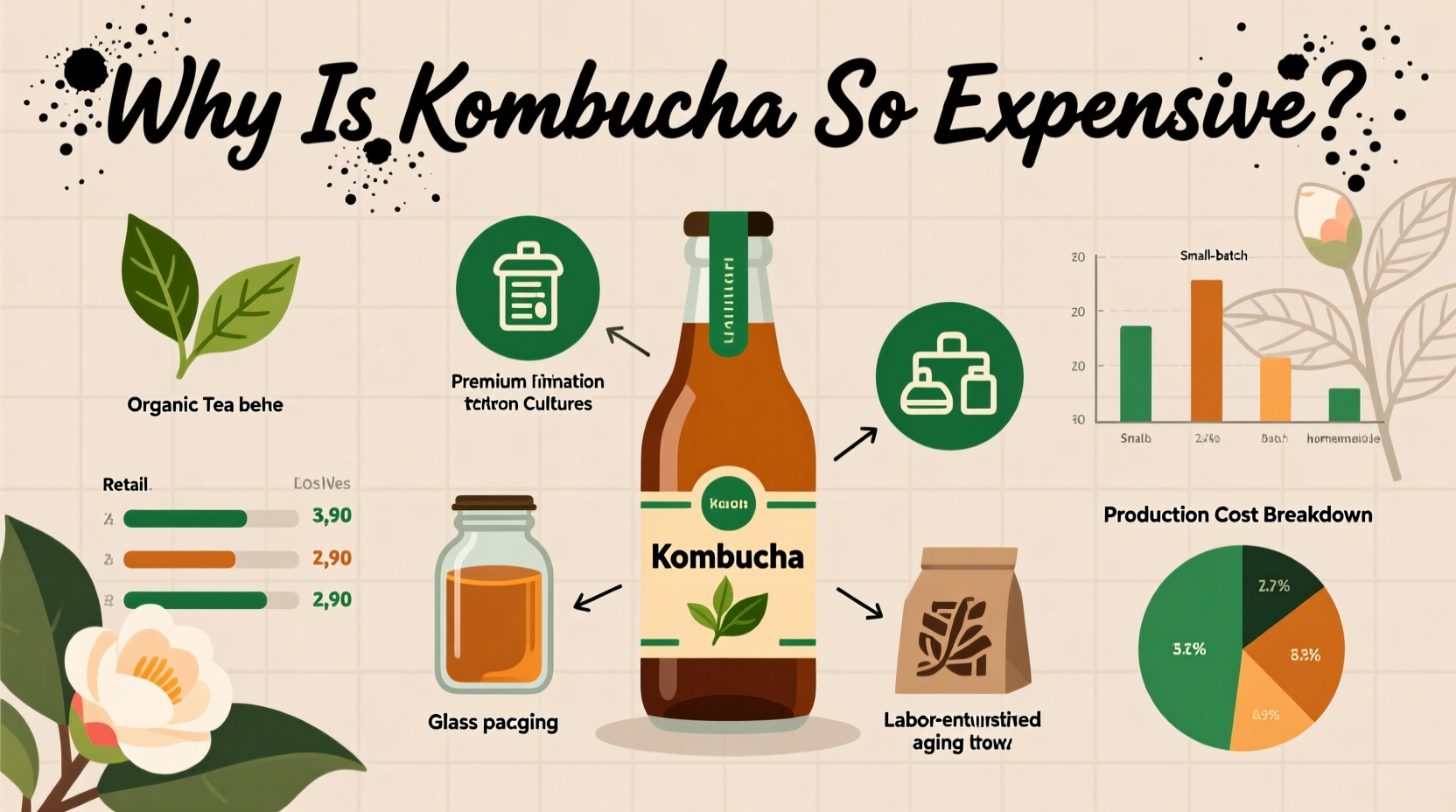
Unlike mass-produced soft drinks that can be bottled within hours, kombucha undergoes a complex fermentation process that takes days, sometimes weeks. Each batch begins with sweetened tea, which is inoculated with a symbiotic culture of bacteria and yeast (SCOBY). This living culture converts sugar into organic acids, probiotics, and trace amounts of alcohol. The primary fermentation typically lasts 7 to 14 days, depending on temperature, sugar content, and desired tartness.
This extended timeline means kombucha producers cannot rapidly scale output like soda manufacturers. Refrigerated warehouse space must be reserved for aging batches, tying up capital and limiting turnover. Additionally, each step requires monitoring for pH levels, microbial safety, and flavor consistency—adding labor costs and quality control overhead.
Tip: Homemade kombucha can reduce costs dramatically—initial investment in a SCOBY and equipment pays off after just a few batches.High-Quality Ingredients Drive Up Costs
Premium kombucha brands emphasize organic, non-GMO, and ethically sourced ingredients. Organic black or green tea, fair-trade cane sugar, and fresh fruit or botanicals for flavoring are standard in high-end products. These ingredients cost significantly more than their conventional counterparts.
For example, organic tea leaves can cost 2–3 times more than conventional ones. Flavor infusions often use real pressed juices or extracts instead of artificial flavors, further increasing input costs. Unlike sugary sodas that rely on high-fructose corn syrup and synthetic additives, kombucha’s appeal rests on its “clean label”—but purity comes at a price.
“Consumers expect transparency and integrity from kombucha brands. We can’t cut corners on ingredients without losing trust.” — Sarah Lin, Co-Founder of Bloom Kombucha
Production and Equipment Challenges
Scaling kombucha production isn't as simple as adding more bottling lines. The fermentation tanks require careful sanitation to prevent contamination, as any foreign microbes can spoil an entire batch. Stainless steel fermenters, climate-controlled rooms, and lab-grade testing equipment represent substantial upfront investments.
Smaller craft brewers face additional hurdles. They often lack the economies of scale enjoyed by large beverage companies. Without automated bottling systems, they may hand-bottle and label products, increasing labor intensity. Even packaging adds cost: glass bottles are heavier and more fragile than plastic, raising shipping fees and breakage risks.
| Cost Factor | Impact on Price | Notes |
|---|---|---|
| Fermentation Time | High | Slows production cycle; limits batch volume |
| Organic Ingredients | High | Tea, sugar, and flavorings cost 2–3x more |
| Refrigeration Needs | Moderate-High | Requires cold chain logistics; increases transport costs |
| Bottling & Packaging | Moderate | Glass bottles + caps add weight and fragility |
| Testing & Compliance | Moderate | Regular pH, alcohol, and pathogen testing required |
Supply Chain and Distribution Realities
Kombucha must be kept refrigerated from production to point of sale—a requirement known as the “cold chain.” This necessity eliminates cheaper ambient shipping options and increases energy costs throughout distribution. Refrigerated trucks, warehouse cooling, and in-store chillers all contribute to higher operational expenses.
Retailers also demand slotting fees or promotional allowances to carry new kombucha brands, especially in competitive markets like Whole Foods or Sprouts. These fees can range from $1,000 to $10,000 per store, creating a significant barrier for small producers. As a result, those costs are passed on to consumers through higher retail pricing.
Moreover, kombucha’s relatively low shelf life—typically 3 to 6 months when refrigerated—means inventory turnover must be carefully managed. Spoilage and waste further erode margins, pushing brands to price conservatively to offset potential losses.
Market Positioning and Consumer Demand
Kombucha is marketed not just as a drink, but as a wellness product. It's associated with gut health, immune support, and natural detoxification—claims that resonate with affluent, health-focused demographics willing to pay a premium. Brands leverage this perception through sleek design, storytelling, and certifications (organic, probiotic-count guarantees, B Corp status), all of which add to marketing and branding expenses.
Demand continues to outpace supply in certain regions, allowing producers to maintain higher prices. According to industry reports, the global kombucha market grew at a CAGR of over 20% between 2020 and 2023. With limited production capacity and strong consumer loyalty, there's little pressure to undercut prices.
Tip: Buying kombucha in bulk or from local brewers can reduce per-bottle costs by 20–30%. Look for refill stations or co-op discounts.Mini Case Study: Urban Brew Kombucha
Urban Brew, a mid-sized kombucha producer based in Portland, launched in 2019 with a mission to deliver artisanal, small-batch kombucha. Despite growing demand, the company struggled to lower prices below $4.29 per 16 oz. bottle. An internal cost audit revealed that 38% of total expenses came from organic ingredients, 22% from refrigerated logistics, and 15% from lab testing and compliance.
To improve margins, Urban Brew invested in larger fermenters and partnered with regional distributors to consolidate shipments. They also introduced a returnable bottle program, reducing packaging costs by 18% over two years. While prices remained stable, profitability improved—proving that even incremental efficiencies matter in a high-cost category.
How to Reduce Your Personal Kombucha Spending
While commercial kombucha offers convenience and variety, frequent consumption can strain your budget. Fortunately, several strategies can help you enjoy the benefits without overspending.
Step-by-Step Guide to Making Kombucha at Home
- Acquire a SCOBY and starter tea – Obtain one from a friend, online retailer, or grow your own from raw kombucha.
- Brew sweetened tea – Use 1 gallon of water, 1 cup of sugar, and 8 bags of black or green tea.
- Cool and transfer – Let tea cool to room temperature, then pour into a clean glass jar.
- Add SCOBY and starter liquid – Place the SCOBY in the jar and add 1–2 cups of starter tea to lower pH and prevent mold.
- Ferment for 7–14 days – Cover with a breathable cloth and keep in a warm, dark place.
- Second ferment (optional) – Transfer to bottles with fruit or juice for carbonation and flavor.
- Refrigerate and enjoy – Chill for 24+ hours before drinking to slow fermentation.
After the initial setup (~$30 for jars, cloth, bottles, and SCOBY), each gallon costs about $1.50 in ingredients—equivalent to less than $0.25 per 8-oz serving.
Checklist: Smart Kombucha Consumption
- ✅ Compare price per ounce across brands and retailers
- ✅ Buy larger formats (64 oz) when available
- ✅ Support local brewers—they often have lower markups
- ✅ Join a CSA or subscription box for discounts
- ✅ Try home brewing to save long-term
- ✅ Check expiration dates to avoid waste
FAQ
Is expensive kombucha worth it?
For many, yes—especially if you value organic ingredients, live probiotics, and supporting small businesses. However, homemade or store-brand versions can offer similar health benefits at a fraction of the cost.
Why is some kombucha cheaper than others?
Lower-priced options may use conventional (non-organic) ingredients, shorter fermentation times, artificial flavors, or plastic packaging. Some discount brands also skip third-party lab testing, which reduces safety assurance.
Does higher price mean more probiotics?
Not necessarily. Probiotic count depends on brewing practices, not price. Some affordable brands provide CFU counts on labels, while premium ones may not. Always check the label for transparency.
Conclusion
The high price of kombucha isn't arbitrary—it reflects real costs tied to time-intensive fermentation, quality ingredients, refrigeration demands, and rigorous safety standards. While the premium may seem steep, understanding the behind-the-scenes realities helps justify the expense. For budget-conscious consumers, home brewing offers a sustainable, economical alternative without sacrificing benefits.
💬 Have you tried making kombucha at home? Share your experience or favorite brand in the comments below—we’d love to hear what works for you!