Tequila is more than a spirit—it’s a cultural artifact rooted in centuries of Indigenous knowledge, biodiversity, and land stewardship. Yet the global surge in demand has intensified pressure on the blue Weber agave plant, its native ecosystems in Jalisco and surrounding states, and the rural communities that cultivate it. In this context, “sustainable tequila” isn’t marketing fluff—it’s an urgent, evolving standard grounded in ecological integrity, social equity, and long-term agricultural resilience. The answer is unequivocally yes: sustainable tequila exists. But it’s not defined by a single green label or a vague “eco-friendly” claim. It emerges from verifiable commitments across the entire supply chain—from seed to bottle—and requires discernment from consumers who want their choices to align with planetary and human well-being.
What Sustainability Really Means for Tequila
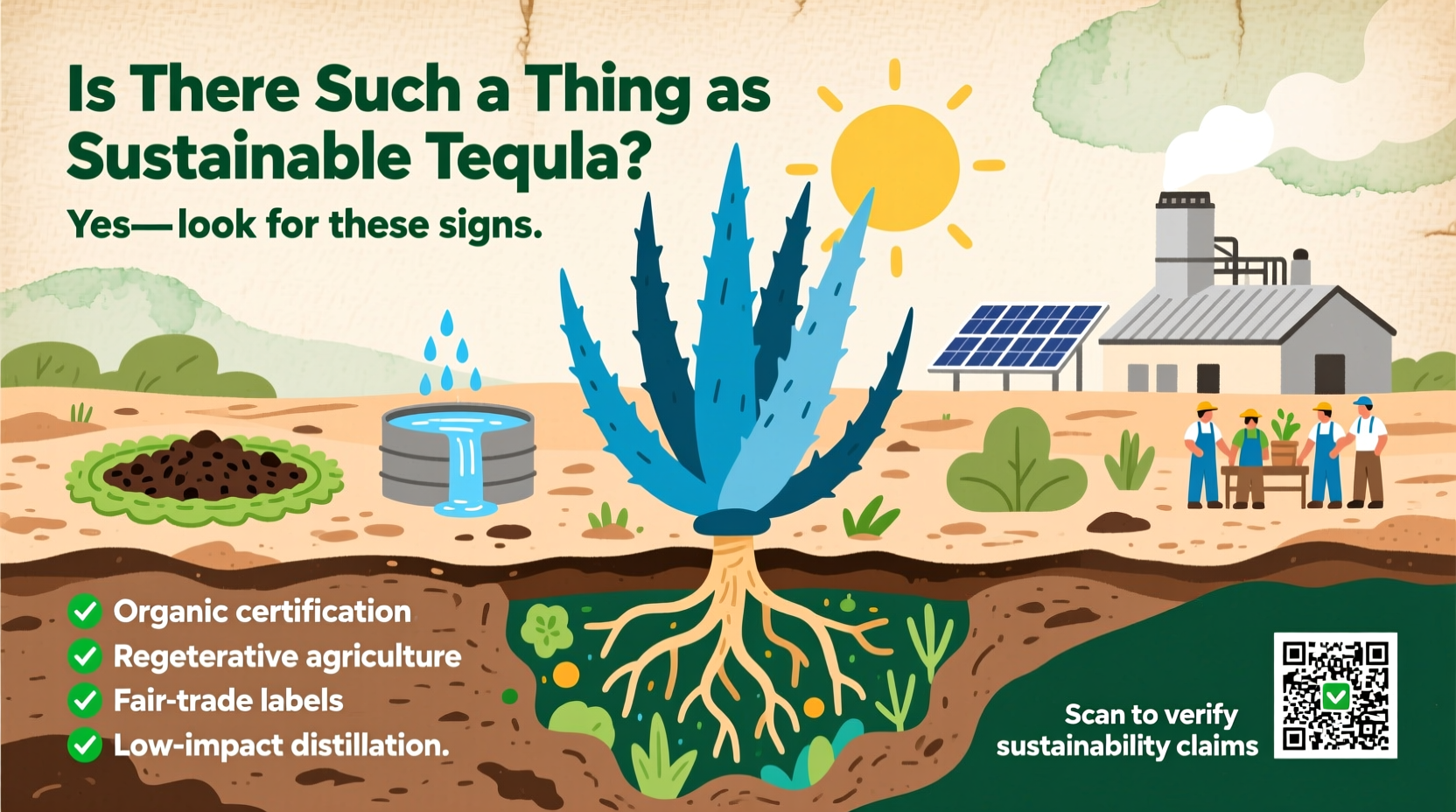
Sustainability in tequila production spans three interdependent pillars: environmental health, economic viability for producers, and social responsibility toward workers and communities. Unlike wine or whiskey, tequila faces unique ecological constraints. Blue Weber agave takes 6–10 years to mature, grows only in specific highland and lowland volcanic soils, and relies heavily on manual labor for planting, weeding, harvesting, and roasting. Industrial scaling has led to monocropping, synthetic fertilizer dependency, soil degradation, water over-extraction, and genetic narrowing—threatening both ecosystem stability and the spirit’s future authenticity.
True sustainability counters these trends. It means preserving native agave varieties (not just blue Weber), maintaining soil fertility without chemical inputs, protecting watersheds, conserving native pollinators like the lesser long-nosed bat, ensuring fair wages and safe working conditions, and investing in community infrastructure—not just extracting value. As Dr. Ana María Sánchez, agroecologist and researcher at the University of Guadalajara, explains:
“Sustainability in tequila isn’t about carbon offsets or packaging swaps alone. It starts underground—in the mycorrhizal networks feeding agave roots—and extends to the dignity of the jimador who harvests each piña by hand. When a brand skips those layers, it’s selling optics, not ethics.” — Dr. Ana María Sánchez, Agroecology Researcher, Universidad de Guadalajara
How to Identify Genuinely Sustainable Tequila Brands
Spotting authentic sustainability requires looking beyond the bottle’s aesthetic. Many brands tout “organic” or “small-batch” labels while relying on third-party agave purchased from industrial farms using conventional methods. Here’s what to verify—before you buy:
Tip: Never assume “100% agave” equals sustainable. That designation only confirms the spirit contains no added sugars—it says nothing about how the agave was grown or who harvested it.Key Verification Criteria
- Certified Organic or Biodynamic Agave: Look for USDA Organic, EU Organic, or Demeter Biodynamic certification—not just “made with organic agave,” which allows up to 5% non-organic inputs. Certification requires multi-year soil transition periods, banned synthetic pesticides/fertilizers, and third-party audits.
- Vertical Integration or Direct Farm Partnerships: Brands that own or co-manage their agave fields (e.g., Fortaleza, Siete Leguas, Tres Mujeres) maintain oversight of planting density, crop rotation, and soil health. Those sourcing exclusively from contracted farms with shared sustainability protocols are also strong candidates.
- Water Stewardship Practices: Check if the distillery treats and recycles wastewater (vinaza), uses dry-cooking ovens (reducing steam boiler water use), or implements rainwater harvesting. The Tequila Regulatory Council (CRT) now tracks vinaza discharge compliance—but only certified sustainable producers go further with closed-loop systems.
- Agave Biodiversity Commitments: Leading sustainable producers cultivate at least two additional agave species (e.g., Agave angustifolia, Agave rhodacantha) alongside blue Weber. This builds pest resilience, supports native pollinators, and preserves genetic libraries threatened by monoculture.
- Fair Labor & Community Investment: Look for evidence of living wages, worker safety training, healthcare access, and investments in local schools or clean water projects. The CRT’s “Social Responsibility” seal (introduced in 2022) is voluntary but increasingly adopted by ethical producers.
Real-World Example: How Tres Mujeres Transformed Its Supply Chain
In 2017, Tres Mujeres—a family-owned distillery in Arandas, Los Altos—faced declining yields and increasing pest pressure in its agave fields. Instead of doubling down on fungicides and nitrogen-heavy fertilizers, owners Marisol, Elena, and Lucía partnered with agronomists from CUCBA (Universidad Tecnológica de Jalisco) to pilot regenerative agave farming. They introduced cover cropping with native legumes, reduced planting density by 30%, reintroduced traditional compost teas made from local botanicals, and began intercropping agave with guava and pitaya to support beneficial insects.
By 2023, soil organic matter increased by 22%, water retention improved by 40%, and bat sightings near fields rose sixfold—confirming restored pollinator habitat. Crucially, they formalized contracts with 14 neighboring jimador families, guaranteeing 20% above regional market rates and co-funding a community health clinic. Their “Raíces Regenerativas” expression—bottled in 2024—is certified organic, biodynamic, and CRT Social Responsibility-compliant. It’s not just a better-tasting tequila; it’s proof that ecological rigor and human dignity can scale without compromise.
What to Look For (and Avoid): A Practical Comparison Table
| Feature | Sustainable Indicator ✅ | Red Flag ❌ |
|---|---|---|
| Packaging | Recycled glass, soy-based inks, cork stoppers sourced from certified forests | “Eco-friendly” plastic shrink wrap, unrecyclable composite closures, virgin paper labels with no sourcing transparency |
| Agave Sourcing | Own farms or multi-year contracts with audited partner farms; public agave biodiversity report | No disclosure of sourcing; reliance on anonymous “agave brokers”; sole focus on blue Weber |
| Distillery Operations | On-site vinaza treatment, solar thermal energy for cooking, zero landfill waste policy | Off-site vinaza dumping (even if “permitted”), coal-fired ovens, no public environmental impact data |
| Worker Relations | Published wage standards, worker safety certifications, community development fund | No mention of labor practices; seasonal hiring without benefits; no local investment history |
| Transparency | Annual sustainability report with third-party verification; farm-to-bottle traceability QR code on bottle | Vague language (“we care about the earth”), no data, no external audit references |
Your Action Plan: How to Choose Sustainable Tequila—Step by Step
Finding sustainable tequila doesn’t require a degree in agronomy—but it does benefit from a deliberate, repeatable process. Follow this five-step approach to build confidence and consistency in your selections:
- Start with Certification Filters: Use retailer filters or search terms like “USDA Organic tequila,” “Demeter-certified tequila,” or “CRT Social Responsibility tequila.” These are hard benchmarks—not suggestions.
- Visit the Brand’s Website—Go Beyond the “About” Page: Scroll to “Sustainability,” “Farming,” or “Impact” sections. Look for specifics: number of agave varieties cultivated, % of water recycled, names of partner communities, or links to audit reports.
- Check the CRT Registry: Visit the official Consejo Regulador del Tequila (CRT) website and search the producer’s NOM (Norma Oficial Mexicana) number. Verify active certification status and review any publicly listed sustainability recognitions.
- Read Independent Reviews Critically: Seek out reporting from sources like Mezcalistas, Agave Spirits Journal, or academic case studies—not just influencer posts. Prioritize reviews that cite field visits, interviews with jimadores, or soil test data.
- Support Retailers with Rigorous Standards: Stores like K&L Wine Merchants, Astor Wines & Spirits, and specialty agave shops (e.g., Agave Mixology in Austin) publish detailed sourcing notes and often vet producers before listing. Ask them directly: “Do you require sustainability documentation before carrying a brand?”
FAQ: Your Top Questions Answered
Does “organic tequila” automatically mean it’s sustainable?
No. Organic certification addresses pesticide and fertilizer use but doesn’t cover water management, labor conditions, biodiversity, or carbon footprint. A brand could be USDA Organic yet rely on migrant labor without healthcare, dump untreated vinaza, or grow agave in ecologically fragile zones. Sustainability is broader—and deeper—than organic alone.
Are small-batch or artisanal tequilas always more sustainable?
Not necessarily. Small scale doesn’t guarantee ecological or ethical rigor. Some micro-distilleries lack resources for wastewater treatment or rely on exploitative day labor. Conversely, larger producers like Patrón (through its “Agave Forward” initiative) and Don Julio (with its long-standing jimador scholarship program) have invested significantly in soil science, fair wages, and biodiversity—though full transparency remains uneven. Always investigate practices—not just size.
Can I trust sustainability claims on Mexican-made bottles sold in the U.S.?
You can—but only after verification. Mexican law doesn’t restrict terms like “eco-conscious” or “green tequila.” However, internationally recognized certifications (USDA Organic, Fair Trade, B Corp) apply equally to imported products and require the same standards. If a bottle bears one of these seals, it’s held to the certifier’s global criteria—not local interpretation.
Why This Matters Beyond the Glass
Choosing sustainable tequila is an act of cultural preservation. Over 90% of Mexico’s remaining native agave species are under threat—not from climate change alone, but from the homogenization driven by commercial tequila demand. When you select a brand that cultivates Agave cupreata alongside blue Weber, or pays jimadores a living wage so their children can stay in rural Jalisco instead of migrating to cities, you’re helping sustain knowledge systems older than the spirit itself. You’re supporting soil health that sequesters carbon, watersheds that feed communities, and economies that resist extractive globalization.
This isn’t about perfection. No producer is flawless—and sustainability evolves. What matters is intention backed by action, transparency backed by accountability, and appreciation that every sip connects us to land, labor, and legacy. Start with one bottle that meets even two of the criteria outlined here. Taste it slowly. Notice the depth—the earthiness, the floral lift, the absence of chemical sharpness. Then ask: Who grew this? How did it grow? And what world am I choosing to reinforce?
💬 Your choice shapes the future of agave country. Share this guide with a fellow enthusiast, tag a brand you’d like to see adopt these standards—or tell us in the comments which sustainable tequila opened your eyes to what’s possible.