Pickled garlic is more than just a condiment—it’s a culinary bridge between bold flavor and functional preservation. While often found tucked beside olives or anchovies on gourmet platters, few realize how effortlessly it can be made in a home kitchen. Unlike raw garlic, which delivers a sharp, pungent bite, pickled garlic mellows into something complex: tangy, slightly sweet, and layered with umami depth. The transformation occurs through fermentation or vinegar-based brining, both of which preserve the cloves while enhancing their digestibility and shelf life. For home cooks seeking pantry staples that elevate everyday meals, homemade garlic pickles offer unmatched versatility and cost-efficiency. This guide details every step—from selecting the right bulbs to sealing jars safely—so you can produce crisp, flavorful pickled garlic that outshines store-bought versions.
Definition & Overview
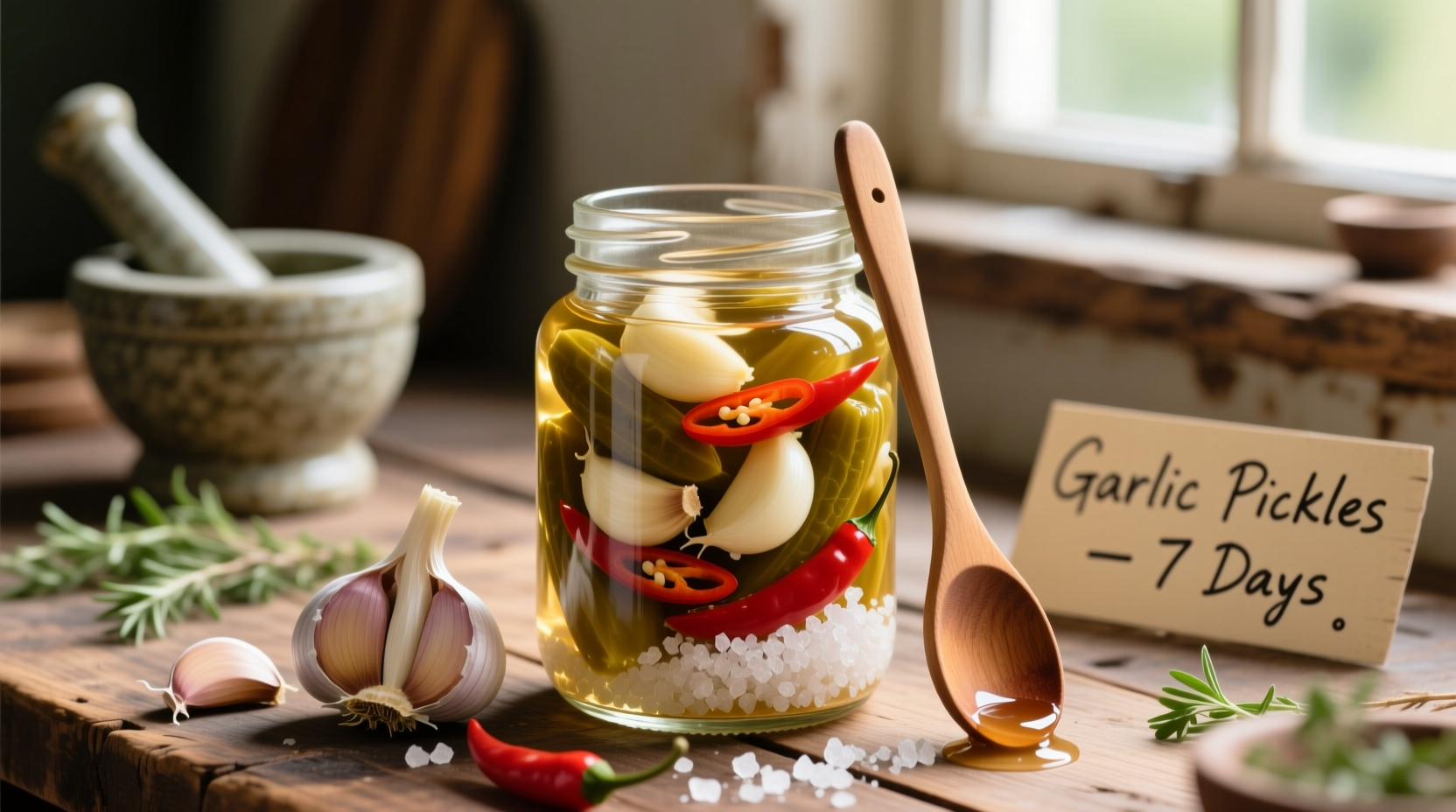
Pickled garlic refers to whole or sliced garlic cloves preserved in an acidic solution, typically composed of vinegar, water, salt, and aromatic spices. The process inhibits microbial growth while infusing the cloves with nuanced flavors. Originating as a preservation technique in pre-refrigeration eras, pickling garlic has been practiced across Mediterranean, Eastern European, Asian, and Middle Eastern cuisines for centuries. In Korea, aged black garlic undergoes controlled fermentation; in Italy, aglio sottaceto accompanies antipasto platters; in Mexico, pickled garlic often appears alongside carrots and jalapeños as *estofado de jalapeño*. Despite regional variations, the core principle remains consistent: acidity halts spoilage and softens garlic’s natural heat.
The result is a tender yet firm clove with a rounded taste profile—less aggressive than raw garlic but far more dynamic than cooked. Depending on the brine composition and aging time, pickled garlic may develop golden hues, acquire subtle sweetness, or carry hints of dill, mustard seed, or chili. It functions equally well as a standalone snack, a garnish, or an ingredient that deepens sauces, marinades, and dressings.
Key Characteristics
| Characteristic | Description |
|---|---|
| Flavor | Mellowed garlic base with tangy acidity; sweetness or spice depending on brine ingredients. |
| Aroma | Less pungent than raw garlic; carries notes of vinegar, herbs, and warm spices. |
| Color/Form | Translucent white to pale gold; cloves remain intact but soften slightly over time. |
| Heat Level | Low (1/10); loses the burning quality of raw garlic during pickling. |
| Culinary Function | Condiment, flavor enhancer, digestive aid, fermented food component. |
| Shelf Life (unopened) | 6–12 months in a cool, dark place; refrigerated versions last up to 1 year. |
Practical Usage: How to Use Pickled Garlic in Cooking
Pickled garlic shines not only for its standalone appeal but also for its ability to subtly enrich dishes without dominating them. Because the harsh sulfur compounds in raw garlic are neutralized by acid exposure, pickled cloves integrate smoothly into recipes where balance is key.
In **home cooking**, consider chopping pickled garlic finely and stirring it into mayonnaise for a quick aioli, folding it into grain salads with feta and cucumbers, or layering it onto sandwiches and burgers for a bright counterpoint to rich meats. Mashing a few cloves into vinaigrettes adds depth without overwhelming greens. For pizza lovers, scatter whole pickled cloves over white pies with mozzarella and spinach—they caramelize gently in the oven, releasing a jammy, savory-sweet essence.
**Professional kitchens** leverage pickled garlic in more refined applications. High-end restaurants often use it as a palate cleanser between courses, served chilled on small spoons. Chefs incorporate it into terrines and pâtés for complexity, or purée it into butter for finishing steaks and roasted vegetables. Its vibrant acidity makes it ideal for cutting through fatty ingredients like duck confit or pork belly.
When using pickled garlic, account for its liquid absorption. A clove straight from the jar contains residual brine, so adjust added salt and vinegar in your dish accordingly. As a general rule:
- Use 1–2 cloves per serving when used as a garnish.
- Substitute up to half the raw garlic in a recipe with pickled garlic for milder results.
- Add toward the end of cooking if preserving texture; simmer briefly if blending into sauces.
Pro Tip: Save the leftover brine after finishing a jar of pickled garlic. Use it to jumpstart salad dressings, deglaze pans, or pickle additional vegetables like onions, cauliflower, or green beans—this creates a mixed pickle medley with cohesive flavor.
Variants & Types of Pickled Garlic
While all pickled garlic shares the foundational brining process, several distinct styles exist based on preparation method, ingredients, and fermentation approach. Choosing the right type depends on desired flavor intensity, storage needs, and intended use.
1. Vinegar-Brined Garlic (Quick Pickle)
This version uses heated vinegar brine poured over peeled cloves in sterilized jars. Ready in as little as 48 hours, it offers crisp texture and pronounced acidity. Ideal for beginners and short-term use. Spices like coriander seeds, bay leaves, or red pepper flakes can be added for complexity.
2. Fermented Garlic (Lacto-Fermented)
Instead of vinegar, this method relies on saltwater brine and natural lactic acid bacteria. Cloves ferment at room temperature for 2–6 weeks, developing deeper, cheesier undertones and probiotic benefits. The final product is softer and more aromatic, suitable for health-focused diets. Requires careful hygiene and airlock systems to prevent mold.
3. Sweet-Sour Garlic
Common in Latin American and Southeast Asian preparations, this variant includes sugar or honey in the brine. The balance of sweet and tart complements spicy dishes and works well in tacos, noodle bowls, or dumpling platters.
4. Dill & Spice-Infused Garlic
Modeled after classic dill pickle recipes, this style incorporates fresh dill, mustard seeds, garlic scapes, and black peppercorns. Though traditionally associated with cucumbers, the same spice blend enhances garlic’s herbal dimension, making it perfect for charcuterie boards.
5. Black Garlic (Aged Fermented Garlic)
Technically a form of fermentation, black garlic undergoes prolonged aging (30–60 days) under controlled heat and humidity. Enzymatic reactions turn cloves jet-black, giving them a sticky, date-like texture and balsamic-like flavor. Not technically \"pickled\" in vinegar, but functionally similar as a preserved, transformed garlic product.
| Type | Prep Time | Texture | Best For |
|---|---|---|---|
| Vinegar-Brined | 2 days – 1 week | Crisp, firm | Everyday use, gifting, sandwiches |
| Lacto-Fermented | 2–6 weeks | Soft, juicy | Gut health, gourmet applications |
| Sweet-Sour | 3–7 days | Firm with slight chew | Tacos, stir-fries, dipping sauces |
| Dill & Spice | 1 week | Crisp, aromatic | Appetizers, cheese pairings |
| Black Garlic | 1–2 months | Soft, molasses-like | Desserts, glazes, fine dining |
Comparison with Similar Ingredients
Pickled garlic is sometimes confused with other preserved alliums or fermented products. Understanding the differences ensures proper usage in recipes.
- Pickled Onions: Made from red or white onions, these have a sharper vinegar bite and crunchier texture. While interchangeable in some contexts (e.g., tacos), they lack garlic’s umami richness.
- Chopped Garlic in Oil: Preserved in oil rather than acid, posing botulism risks unless frozen or consumed immediately. Pickled garlic is safer due to low pH (<4.6), which prevents pathogen growth.
- Roasted Garlic: Soft, caramelized, and sweet from slow baking. Lacks the tang of pickling but shares mellowed pungency. Cannot be substituted directly in cold dishes like salads.
- Garlic Powder: Dehydrated and ground, offering convenience but no textural interest. Useful for seasoning blends but does not replicate the sensory experience of whole pickled cloves.
“Pickled garlic transforms one of nature’s most potent seasonings into something elegant and accessible. It’s not about masking flavor—it’s about refinement.” — Chef Elena Ruiz, Culinary Instructor at San Francisco Artisan Food Institute
Practical Tips & FAQs
What kind of garlic should I use?
Fresh, firm heads of common white garlic (Allium sativum) work best. Avoid sprouting or soft bulbs. Purple-skinned varieties add visual appeal but behave similarly. For large-batch processing, consider peeling machines or the “shake-in-a-jar” method (place cloves in two nested bowls and shake vigorously).
Do I need to peel the cloves?
Yes. Unpeeled cloves absorb brine unevenly and create off-textures. Peeling also allows the brine to penetrate fully. To speed peeling, lightly crush cloves with the flat side of a knife—this loosens the skin.
Can I reuse the brine?
Absolutely. After consuming the garlic, top off the jar with fresh vinegar or brine and add new cloves for secondary pickling. Alternatively, use the spent brine in marinades or soups. However, never reuse brine that shows signs of cloudiness, mold, or foul odor.
Why did my garlic turn blue or green?
This harmless color change occurs when garlic’s anthocyanins react with acidity and trace metals (like iron or copper) in water or utensils. It’s more common in immature garlic and does not affect safety or taste. Using distilled water and non-reactive pots (stainless steel, glass, enamel) minimizes discoloration.
Is homemade pickled garlic safe?
When prepared correctly, yes. Ensure pH stays below 4.6 by using vinegar with at least 5% acetic acid. Always process jars in a boiling water bath for 10 minutes if storing at room temperature. Refrigerator pickles must be kept cold and consumed within 4 weeks unless processed.
How long does it take for flavors to develop?
Vinegar-brined garlic becomes edible within 48 hours but reaches peak flavor after 2–3 weeks. Fermented versions require longer—taste weekly after the second week to assess progress.
Can I reduce the salt or sugar?
Salt is critical for safety in fermented versions (supports good bacteria). In vinegar brines, it can be reduced slightly without compromising preservation, but flavor balance suffers. Sugar enhances mouthfeel and counters acidity; omit only if dietary restrictions apply.
Storage Checklist:
☐ Store sealed, processed jars in a cool, dark pantry for up to 1 year.
☐ Refrigerate after opening, even if unprocessed.
☐ Keep cloves submerged under brine to prevent drying or mold.
☐ Label jars with date and type of pickle.
☐ Discard if lid fails to seal, brine clouds excessively, or off-odors emerge.
Step-by-Step Guide: How to Make Classic Vinegar-Brined Garlic Pickles
- Gather Equipment: 1-quart mason jar with lid, small saucepan, funnel, tongs, peeler.
- Prepare Garlic: Peel 12–16 large cloves (about 1 head), leaving them whole. Trim root ends but avoid slicing.
- Add Flavorings (Optional): Place in jar: 1 tsp black peppercorns, 1 dried chili flake, 1 sprig fresh dill, 1 bay leaf.
- Make Brine: Combine in saucepan: 1 cup distilled white vinegar (5%), 1 cup water, 1 tbsp pickling salt, 1 tsp sugar. Bring to boil.
- Pack Jar: Place cloves into jar, ensuring they’re covered by at least ½ inch of headspace.
- Pour Brine: Carefully fill jar with hot brine, covering cloves completely. Tap gently to release air bubbles.
- Seal and Process: Wipe rim, apply lid, and tighten band. For shelf-stable storage, process in boiling water bath for 10 minutes. For refrigerator-only use, cool and refrigerate after 24 hours.
- Aging: Let sit undisturbed for 1 week before eating. Flavor improves over 3–4 weeks.
Summary & Key Takeaways
Homemade garlic pickles are a simple, rewarding project that elevates basic ingredients into something extraordinary. By submerging peeled garlic cloves in a balanced vinegar brine, you achieve a condiment that is tangy, mildly sweet, and vastly more palatable than raw garlic. Whether used as a snack, sandwich accent, or secret ingredient in sauces, pickled garlic brings sophistication and functionality to the table.
The process requires minimal equipment and common pantry staples. Choose vinegar-brined for speed and reliability, or explore lacto-fermentation for probiotic-rich depth. Always prioritize food safety: use clean jars, proper acidity levels, and correct storage methods. And don’t discard the brine—repurpose it to extend value and reduce waste.
Ready to transform your garlic game? Start with a single jar this weekend. Once you taste the difference between store-bought and homemade, you’ll never go back.