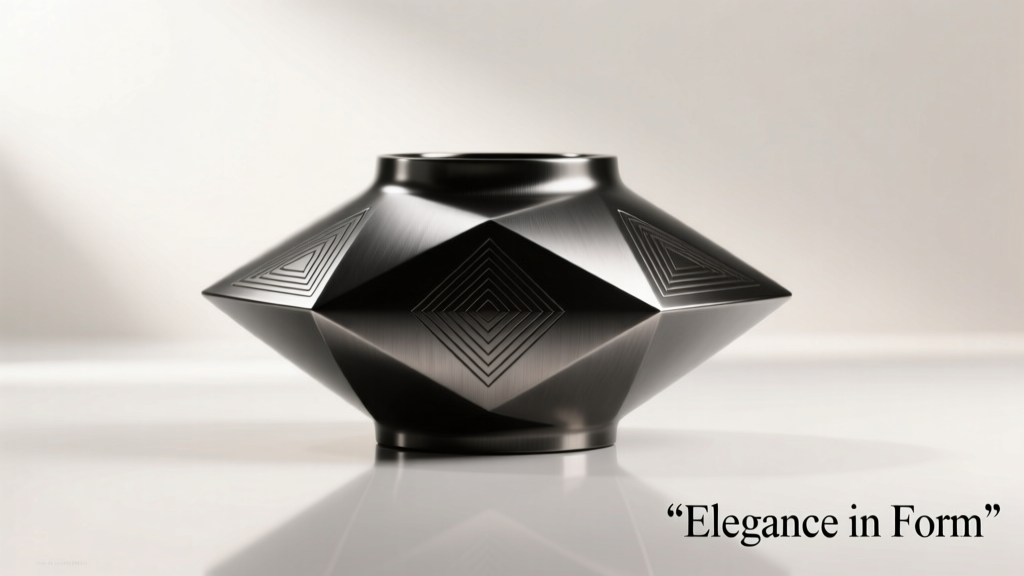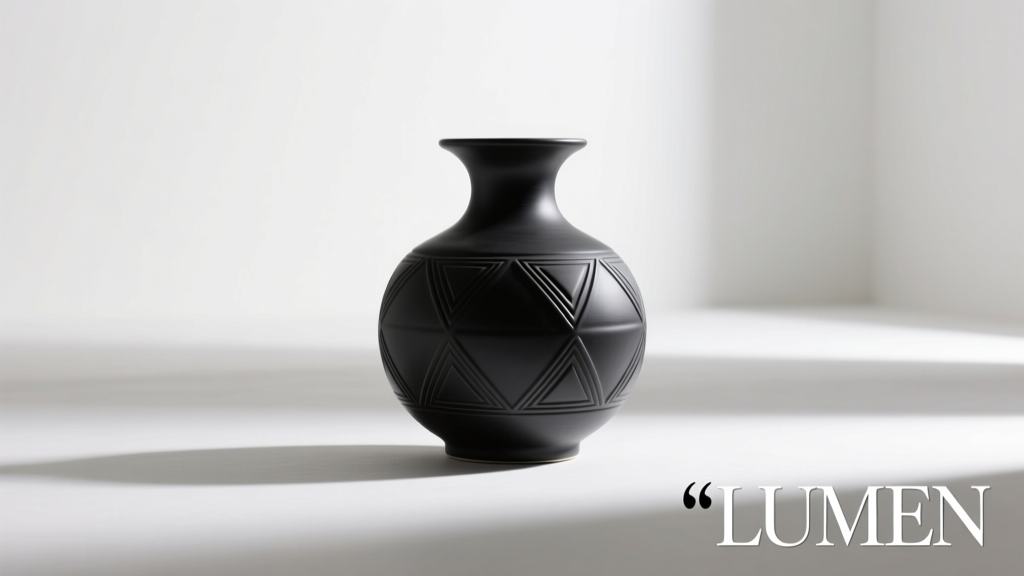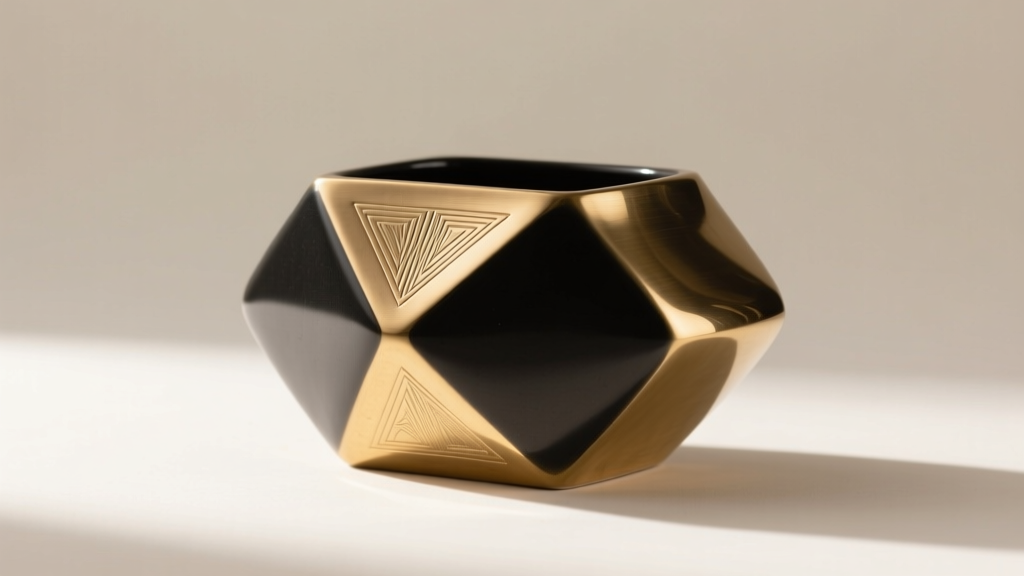
Body butter is no longer just a skincare staple—it’s a sensory ritual, a self-care statement, and increasingly, a reflection of brand values. In today’s saturated beauty market, where consumers scroll past dozens of products in seconds, packaging is the first—and often only—touchpoint that communicates quality, ethos, and intention. Yet many brands make the mistake of chasing trends at the expense of function, sustainability, or cost efficiency. The most successful body butter lines don’t just *look* trendy; they *feel* intentional, *perform* reliably, and *resonate* authentically with their audience. This guide cuts through the noise. Drawing on industry data from 2023–2024 packaging reports, interviews with cosmetic formulators, and real-world brand audits, it outlines exactly how to evaluate, compare, and commit to packaging that elevates your product—not just decorates it.
1. Understand What “Trendy” Really Means for Body Butter (Beyond Aesthetics)
“Trendy” in cosmetics packaging has evolved far beyond matte pastels or minimalist typography. Today’s top-performing body butter brands align visual appeal with tangible consumer expectations: refillability, tactile texture (e.g., embossed caps or ribbed jars), biodegradable certifications, and inclusive accessibility features like easy-grip shapes and braille labeling. According to the 2024 Cosmetics Innovation Report by Mintel, 68% of shoppers aged 25–44 actively seek out “eco-luxury” cues—packaging that feels premium *and* responsibly sourced. Meanwhile, 52% cite “ease of dispensing thick formulas” as a top frustration with poorly designed containers.
Trendiness, then, is not about following Instagram aesthetics—it’s about solving real problems while signaling modern values. A sleek aluminum tube may look sharp, but if it requires excessive squeezing to dispense cold-weather body butter, it fails the usability test. Conversely, a compostable sugarcane jar with a wide mouth and ergonomic handle may lack “Instagrammability” at first glance—but its functional intelligence builds loyalty faster than any filter-friendly flat lay.
Tip: Before selecting a design, ask: “Does this solve at least one core user pain point—and reflect our brand’s non-negotiable values?” If the answer is no to either, pause and revisit.2. Material Matters: Sustainability, Performance & Shelf Life
The material you choose dictates everything—from formula stability to customer perception to end-of-life impact. Body butter’s high oil and butter content makes it uniquely sensitive to light, oxygen, and migration. Not all “eco-friendly” materials pass the performance test.
| Material | Pros | Cons | Best For |
|---|---|---|---|
| Glass (amber or cobalt) | Impermeable, fully recyclable, premium feel, UV protection | Heavy, breakable, higher shipping costs, limited shape flexibility | Luxury or clinical-grade formulations; brands prioritizing shelf life over portability |
| Recycled PET (rPET) with UV inhibitor | Lightweight, shatterproof, widely recycled, cost-effective, printable surface | Can allow slight oxygen permeation over 12+ months; not suitable for very high-butter (>35%) formulas without barrier lining | Mid-tier retail brands; subscription boxes; travel sizes |
| Sugarcane-based HDPE (bio-HDPE) | Carbon-negative feedstock, identical performance to virgin HDPE, heat-resistant, excellent for thick textures | Not home-compostable; requires industrial composting or recycling infrastructure | Eco-conscious mass-market brands; refill systems with durable outer shells |
| Aluminum (with food-grade lacquer) | Infinitely recyclable, lightweight, excellent barrier against light/oxygen/moisture, sleek modern aesthetic | Higher tooling cost; requires precise sealing to prevent leakage with temperature shifts | High-performance or aromatherapy-focused lines; brands targeting Gen Z and millennials |
| Molded fiber (pulp + PLA liner) | Home-compostable (certified TÜV OK Compost HOME), low carbon footprint, textured artisanal look | Limited to dry or semi-dry formulas unless lined; cannot hold >15% liquid oil without saturation risk; shorter shelf life (6–9 months) | Niche botanical or zero-waste startups; sample kits; seasonal limited editions |
Crucially, avoid “greenwashed” options: bamboo composite tubes with plastic liners marketed as “biodegradable,” or “plant-based” plastics that require industrial facilities unavailable to 73% of U.S. households (EPA 2023). Authentic trendiness starts with transparency—not buzzwords.
3. Functional Design: Dispensing, Protection & User Experience
A beautiful jar is useless if customers struggle to scoop out body butter in winter, or if the lid doesn’t seal tightly enough to prevent oxidation of shea and cocoa butters. Functionality isn’t secondary to aesthetics—it’s foundational.
Consider these non-negotiables:
- Dispensing method: Wide-mouth jars (≥75mm opening) are ideal for fingers or spatulas. For tubes, opt for flip-top caps with wide apertures (≥12mm) and internal ridges to prevent slippage when hands are lotioned.
- Seal integrity: Double-seal mechanisms (e.g., inner gasket + threaded cap) reduce air exposure by up to 40% versus single-thread designs—critical for extending shelf life of natural butters.
- Thermal resilience: Test packaging across temperatures from 4°C (refrigerated storage) to 35°C (car trunk in summer). Some bio-plastics warp or leak under thermal stress.
- Accessibility: Rounded corners, matte-textured grips, and contrasting color between cap and base aid users with arthritis or low vision. Brands like Earthwise Beauty now include tactile dots on caps per WCAG 2.1 guidelines.
“Formulation and packaging must be co-developed—not bolted together after the fact. We’ve seen too many brands reformulate because their chosen jar accelerated rancidity. That’s a $20K mistake.” — Dr. Lena Park, Cosmetic Chemist & Packaging Consultant, Formulate Labs
4. Real-World Example: How “Nourish & Co.” Scaled with Smart Packaging
Nourish & Co., a Brooklyn-based indie brand launched in 2021, initially used elegant matte-finish glass jars for their lavender-vanilla body butter. Within six months, they faced three critical issues: 22% customer complaints about “hard-to-scoop” texture, 15% return rate citing “rancid smell” (confirmed via GC-MS testing as oxidation), and unsustainable shipping costs due to breakage and weight.
Instead of pivoting to cheaper plastic, they partnered with a U.S.-based sustainable packaging supplier to develop a custom solution: a 250ml amber glass jar with a wide 85mm opening, an integrated silicone spatula slot in the lid, and a dual-layer vacuum-sealed inner lid. They added a removable, reusable cork sleeve for grip and thermal insulation. The redesign increased production cost by 18%, but reduced returns by 63%, extended verified shelf life from 9 to 14 months, and enabled them to enter Whole Foods’ regional distribution—where packaging compliance standards are strict. Their year-two revenue grew 210%, with 78% of new customers citing “thoughtful packaging” as their reason for repurchase.
Their lesson? Trendy packaging isn’t about novelty—it’s about deep user empathy, backed by material science and supply chain pragmatism.
5. Step-by-Step: Your 7-Point Packaging Selection Framework
Follow this sequence before signing any contract or ordering samples. Skipping steps leads to costly rework—or worse, damaged brand reputation.
- Define your non-negotiables: List 3 hard constraints (e.g., “must be refillable,” “must use ≥80% PCR content,” “must withstand 40°C for 72 hours”).
- Test compatibility: Fill 5 prototype containers with your final formula. Store at 25°C, 40°C, and refrigerated for 14 days. Check for leakage, discoloration, odor change, and cap torque retention.
- Validate user flow: Recruit 10 target users (not friends/family). Film them opening, dispensing, and resealing—without instruction. Note friction points.
- Calculate true cost: Add unit cost + tooling amortization + shipping weight + fulfillment labor (e.g., extra time to pack fragile glass) + potential waste (breakage, rejected units).
- Verify certifications: Request third-party lab reports for compostability (ASTM D6400), recyclability (APR Design®), or PCR content (SCS Global Services). Don’t accept supplier claims alone.
- Assess scalability: Ask: “Can this supplier produce 5,000 units/month consistently? Do they have backup mold capacity if ours breaks?”
- Plan the unboxing experience: How does it feel to open? Is there crinkle paper (avoid plastic)? Is the label peelable and compostable? Does the container invite reuse (e.g., “Refill me!” stamp)?
6. Checklist: 10 Must-Verify Items Before Finalizing Your Supplier
- ☑️ ISO 22716 (Good Manufacturing Practice) certification for cosmetic packaging
- ☑️ FDA-compliant food-grade inner coating (for direct contact with butters/oils)
- ☑️ Batch-specific heavy metal testing report (lead, cadmium, arsenic)
- ☑️ Migration test results confirming no leaching into product at 40°C/30 days
- ☑️ Minimum order quantity (MOQ) aligned with your 6-month forecast
- ☑️ Lead time under 12 weeks—including customs clearance for overseas suppliers
- ☑️ Sample approval process documented in writing (with photo sign-off protocol)
- ☑️ Carbon footprint data per 1,000 units (Scope 1–3)
- ☑️ Warranty covering warping, cracking, or seal failure for first 90 days post-shipment
- ☑️ Digital mockup capability for accurate label placement (critical for curved surfaces)
7. FAQ: Practical Questions from Brand Founders
Can I use clear packaging for body butter?
Only if your formula contains robust UV stabilizers (e.g., non-nano zinc oxide or tocopherol at ≥0.5%) and you’re willing to limit shelf life to 6 months. Clear PET or glass accelerates photo-oxidation of unsaturated fats in shea, mango, and avocado butters—leading to rancidity, yellowing, and scent degradation. Amber or opaque materials remain the gold standard for stability.
Are aluminum tubes safe for essential oil-infused body butters?
Yes—if lined with FDA-approved epoxy-phenolic or polyester coatings. Unlined aluminum reacts with citrus or tea tree oils, causing corrosion and metallic off-notes. Always request the supplier’s coating migration test report and confirm compatibility with your specific EO blend.
What’s the most cost-effective way to add “trendy” touches without redesigning everything?
Focused enhancements deliver disproportionate impact: switch to matte-finish labels with soy-based ink; add a subtle debossed logo on the cap; use kraft paper tape instead of plastic tape on shipping boxes; or insert a seed paper thank-you card. These low-cost upgrades signal intentionality without compromising structural integrity or budget.
Conclusion
Choosing trendy body butter packaging isn’t about chasing what’s viral this month. It’s about making deliberate, evidence-based decisions that honor your formula, respect your customer’s daily ritual, and uphold your responsibility to the planet. The most enduringly popular packages—the ones that earn repeat purchases, organic social shares, and retailer shelf space—are those built on substance first: material integrity, functional intelligence, and human-centered design. You don’t need a $50,000 design retainer to get it right. You need clarity on your non-negotiables, rigor in testing, and the courage to say no to “almost good enough.” Your body butter deserves packaging that protects its potency, celebrates its purpose, and invites care—not just consumption.
💬 Your turn: Which packaging decision shifted your brand’s trajectory? Share your win—or your hard-learned lesson—in the comments. Let’s build smarter, more beautiful body butter futures—together.