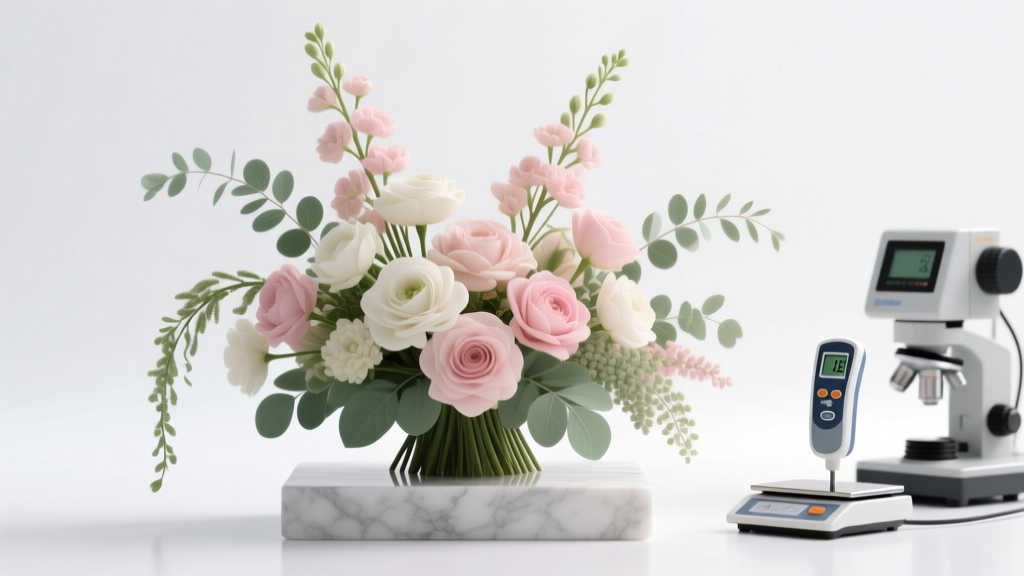
A welcome sign is often the first visual impression guests receive—and when it’s crafted from fresh, thoughtfully arranged flowers, it transcends decoration to become an emotional anchor. Unlike printed acrylic or chalkboard signs, floral welcome signs carry texture, fragrance, seasonal resonance, and quiet elegance. Yet their beauty comes with nuance: perishability, structural demands, climate sensitivity, and stylistic alignment. Choosing the right one isn’t about picking the prettiest bouquet—it’s about matching botanical intention with logistical reality, guest experience, and your event’s authentic voice.
1. Align the Sign with Your Event’s Core Aesthetic and Narrative
Floral welcome signs don’t exist in a vacuum. They must harmonize with your venue’s architecture, color palette, season, and overall storytelling. A rustic barn wedding calls for loose, wildflower-driven compositions with trailing ivy and dried wheat; a modern rooftop gala benefits from sculptural monochromatic arrangements—think ivory ranunculus, white anemones, and preserved eucalyptus—mounted on sleek matte-black metal frames. Consider not just *what* blooms appear, but *how* they’re interpreted: tight symmetry signals formality; asymmetry suggests organic ease; vertical linear forms evoke contemporary minimalism.
Ask yourself: Does this sign reflect who you are as hosts—not just what looks “Instagrammable”? A couple hosting a backyard harvest dinner chose sun-bleached pampas grass, miniature pumpkins, and deep burgundy dahlias mounted on reclaimed oak—no florist involved, just intentional foraging and carpentry. Their sign didn’t shout “wedding”—it whispered “homecoming.” That authenticity resonated more deeply than any imported orchid display could.
Tip: Before contacting florists, gather 3–5 reference images that capture your event’s mood—not just floral styles, but lighting, textures, and spatial context (e.g., “morning light through tall windows,” “dusk over gravel courtyard”). Share these alongside your venue photos.2. Prioritize Structural Integrity and Environmental Resilience
A floral welcome sign must withstand hours of exposure—not just to admiration, but to wind, humidity, direct sun, and temperature shifts. Many beautiful designs fail because they ignore physics. Fresh-cut stems dehydrate quickly without consistent hydration; delicate petals bruise under handling; heavy blooms like peonies or hydrangeas sag without internal support. The frame itself matters as much as the flowers: lightweight foam boards warp in rain; untreated wood swells in coastal fog; metal heats up and accelerates wilting in afternoon sun.
Seasonal realism is non-negotiable. Trying to source locally grown garden roses in December? You’ll likely get imported Ecuadorian roses shipped cold—but those stems fatigue faster and open unpredictably. In contrast, winter-friendly options like hellebores, dried scabiosa, preserved ferns, and seeded eucalyptus hold structure and color for 8–12 hours outdoors with minimal maintenance.
| Bloom Type | Outdoor Durability (Avg.) | Ideal Conditions | Risk Factors |
|---|---|---|---|
| Garden Roses | 4–6 hrs | Shaded, 60–70°F, low humidity | Sun exposure, wind, temperatures >75°F |
| Lavender & Rosemary | 8–12 hrs | Full sun, dry air, gentle breeze | Heavy dew, prolonged rain |
| Dried Pampas & Statice | 24+ hrs | All conditions (except high wind) | Fragility during transport, static dust attraction |
| Hydrangeas (fresh) | 3–5 hrs | High humidity, shade, cool temps | Direct sun, low humidity, handling pressure |
| Preserved Eucalyptus | 12–24 hrs | All ambient conditions | Excessive moisture (causes darkening) |
3. Evaluate Logistics: Timeline, Installation, and Maintenance
Unlike stationary signage, floral welcome signs require precise timing. Fresh arrangements peak 2–4 hours after installation—and begin subtle decline immediately thereafter. This means your florist must install *after* setup crews finish but *before* guests arrive. For outdoor ceremonies starting at 4 p.m., installation should occur between 2:30–3:15 p.m. Any earlier invites wilt; any later risks last-minute stress.
Installation method affects both safety and longevity. Adhesive-backed floral tape works for smooth surfaces but fails on textured stone or wood. Wire-and-floral-pick systems offer stability but require pre-drilled mounting points. Freestanding floor stands need weighted bases (sand-filled or concrete) to prevent tipping in breezes—even 8 mph gusts can dislodge unanchored signs. And never assume “just set it on a table”: vibration from nearby speakers or foot traffic loosens stem bindings within minutes.
“Most floral sign failures happen off-site—not in the design, but in the handoff. We build every sign with built-in hydration reservoirs and dual-mounting redundancy, then train the day-of coordinator on a 90-second refresh protocol using mist + cool water spray. It’s not magic—it’s muscle memory.” — Lena Torres, Founder of Terra & Vine Floral Studio, serving events across 12 U.S. states since 2015
4. Budget Realistically—Beyond the Upfront Quote
The listed price for a floral welcome sign rarely reflects total cost. Factor in: delivery fees (often $75–$150 for rural or multi-stop venues), overtime labor for late installations ($45–$85/hr), backup arrangements (essential for outdoor events—budget 20% extra), and post-event cleanup (some florists include composting; others charge $35–$60 to remove and dispose responsibly). A $420 sign can easily become $620 once logistics are layered in.
Smart budgeting starts with trade-offs. Instead of 12 varieties of rare blooms, choose 3–4 high-impact, locally abundant flowers and repeat them intentionally. Use greenery strategically: olive branches, lemon leaf, or ruscus provide volume, texture, and longevity at 30–50% the cost of premium blooms. And consider hybrid approaches: a wooden or acrylic base laser-engraved with your names and date, then flanked by two compact, anchored floral clusters—more durable, less expensive, and equally memorable.
5. Case Study: The Coastal Garden Wedding That Avoided Disaster
Maya and James planned their seaside ceremony in Mendocino, CA—a location famed for dramatic cliffs, salt air, and sudden fog banks. Their original vision: a large arched sign draped in cascading jasmine and pale pink lisianthus. Their florist gently pushed back: “Jasmine opens fully in heat and closes tightly in cool, damp air—you’ll get either closed buds or browned petals by ceremony time. Lisianthus bruises easily on windy ledges.”
Together, they pivoted. They selected a custom-forged iron arch (reusable, rust-resistant), wrapped in preserved silver dollar eucalyptus and seeded pods for texture, then accented with clusters of coastal sage (native, drought-tolerant, aromatic) and dried lavender. The sign was installed at 3:45 p.m.—15 minutes before fog rolled in—and remained vibrant throughout the 5 p.m. ceremony and cocktail hour. Guests commented repeatedly on its “grounded, windswept elegance.” Most importantly, it survived the 12-mph gusts that toppled two neighboring fabric banners.
This wasn’t compromise—it was curation guided by ecology, engineering, and empathy for the setting.
6. Step-by-Step Selection Timeline (Start 12–16 Weeks Out)
- Weeks 12–10: Define non-negotiables—size constraints (doorway width? staircase clearance?), weight limits (if hanging), power access (for optional LED backlighting), and primary environmental factors (sun exposure, wind zone, proximity to HVAC vents).
- Weeks 9–7: Interview 2–3 local florists with proven welcome-sign experience. Ask for photos of *actual installations* (not studio shots), references from past clients, and their contingency plan for weather shifts.
- Weeks 6–4: Finalize design with mock-up dimensions, bloom list, and hydration system. Confirm delivery/installation window and who handles setup (florist or venue staff?). Sign contract specifying replacement policy if damage occurs pre-ceremony.
- Week 3: Conduct site walk-through with florist and day-of coordinator. Mark exact placement, note shade patterns at ceremony time, and test mounting surface integrity.
- Week 1: Receive final care instructions—including misting schedule, backup bloom access, and emergency contact for same-day support.
7. FAQ
Can I make my own floral welcome sign?
Yes—if you have strong floral mechanics skills and access to commercial-grade hydration tools (like Oasis® floral foam with slow-release gels or self-watering inserts). DIY works best for small-scale signs (under 24” wide) using hardy, long-lasting elements: rosemary, lavender, preserved magnolia leaves, or dried strawflowers. Avoid delicate blooms like poppies or sweet peas unless you’re installing no more than 90 minutes before guests arrive.
How do I protect a floral sign from rain or wind?
Proactive protection beats reactive fixes. Choose weather-resilient materials: waxed eucalyptus, leatherleaf fern, or preserved pittosporum resist moisture better than fresh roses or lilies. Mount signs under overhangs or pergolas whenever possible. For wind, use weighted bases (minimum 15 lbs for floor stands) and secure stems with waterproof floral wire instead of tape. If rain is forecast, opt for a hybrid sign: engraved wood or acrylic base with removable, replaceable floral side panels—swap out wet arrangements mid-event without disrupting flow.
Do floral welcome signs work for indoor events?
Absolutely—and often more successfully. Indoors, you gain control over temperature (ideal: 62–68°F), humidity (40–60%), and light exposure. This extends viability to 10–14 hours. Just avoid placing near HVAC vents, open windows, or buffet steam trays. Indoor settings also allow for more delicate blooms (ranunculus, anemones, freesia) and fragrant additions (gardenias, tuberose) without concern for scent dissipation.
Conclusion
Your welcome sign is more than decor—it’s the first sentence of your event’s story. When chosen with intention, it welcomes guests not just into a space, but into a feeling: warmth, reverence, joy, or quiet celebration. There is no universal “best” floral welcome sign—only the one that honors your venue’s truth, respects botanical realities, aligns with your values (seasonality, sustainability, craftsmanship), and holds steady while your guests step across the threshold. Stop searching for perfection. Start designing for resonance.
Begin today—not with Pinterest boards, but with a single question: *What emotion do I want guests to feel the moment they see this sign?* Let that answer guide every decision that follows.
💬 Your turn. Did you choose a floral welcome sign for your event? What surprised you—good or challenging? Share your insight in the comments below. Your experience might be the exact guidance someone else needs to make their sign unforgettable.