
There are few dishes that deliver the same level of comfort, nourishment, and kitchen-savvy practicality as a well-made pot of Hearty Ham, Cabbage, and Potato Soup. This rustic, deeply satisfying soup transforms humble ingredients—leftover ham, sturdy winter vegetables, and pantry staples—into a meal that warms from the inside out. It’s the kind of dish that feels both thrifty and luxurious, ideal for using up holiday leftovers or stretching a small amount of meat into multiple servings without sacrificing flavor. Whether you're cooking for a family dinner, meal prepping for the week, or seeking a robust vegetarian alternative (with smoked paprika or liquid smoke), this soup offers flexibility, depth, and a balance of textures that keep it interesting with every spoonful.
Beyond its appeal as a comfort food, this soup exemplifies the principles of nose-to-tail and root-to-stem cooking. The ham hock or bone-in ham imparts a smoky richness that permeates the broth, while cabbage contributes earthy sweetness and a slight crunch when cooked just right. Potatoes thicken the base naturally, eliminating the need for flour or cream in most versions. The result is a one-pot wonder that's high in protein, fiber, and complex carbohydrates—nutritionally balanced and deeply flavorful.
Definition & Overview
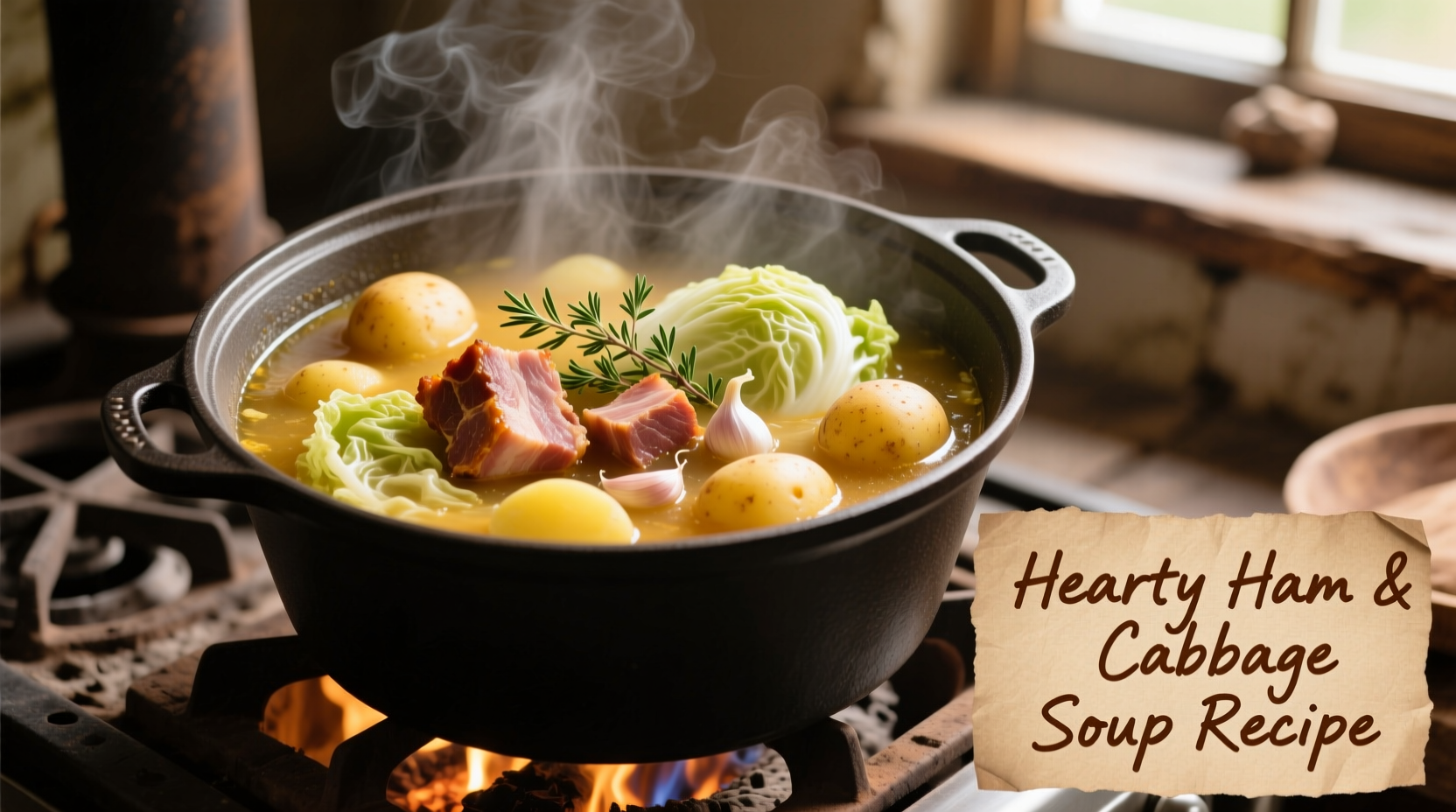
Hearty Ham, Cabbage, and Potato Soup is a thick, savory stew-like soup originating from European peasant traditions, particularly in German, Irish, Eastern European, and Scandinavian cuisines. Known by various regional names such as Hammelsgrynsuppe in Denmark, Kapustnica in Slovakia, or simply “ham and cabbage soup” in American farmhouse kitchens, the dish centers around preserved pork, cruciferous vegetables, and starchy tubers simmered slowly to develop layered flavors.
The soup belongs to the broader category of boil-up soups—one-pot meals where meat and vegetables are simmered together over low heat for extended periods. Its defining characteristics include a rich, opaque broth, tender chunks of ham, soft but not mushy potatoes, and cabbage that retains some texture. Unlike clear broths or bisques, this soup is meant to be substantial enough to serve as a main course, often paired only with crusty bread or rye crackers.
Flavor-wise, the soup strikes a balance between smokiness, savoriness, and subtle sweetness. The ham provides umami depth, the potatoes lend mild starchiness, and the cabbage adds vegetal complexity. Aromatics like onion, garlic, celery, and bay leaf enhance the profile without overpowering it. Herbs such as thyme or parsley may be added at the end for freshness. Some variations include tomatoes, carrots, or green beans for additional color and nutrients.
Key Characteristics
| Characteristic | Description |
|---|---|
| Flavor Profile | Savory, smoky, slightly sweet, with herbal undertones and a clean vegetal finish. |
| Aroma | Richly aromatic with notes of roasted ham, simmered onions, and dried herbs; warming and inviting. |
| Texture | Thick and chunky; broth is creamy from potato starch, vegetables are tender-crisp to soft depending on cook time. |
| Color | Opaque beige to light brown broth with visible flecks of green cabbage, pink ham, and pale potato pieces. |
| Heat Level | Mild; not spicy unless enhanced with black pepper, red pepper flakes, or hot sauce. |
| Culinary Function | Main-course soup; can double as a side with heavier meats or served alone with bread. |
| Shelf Life | Refrigerated: 4–5 days; frozen: up to 3 months in airtight containers. |
Practical Usage: How to Make and Use This Soup
Creating an excellent batch of Hearty Ham, Cabbage, and Potato Soup requires attention to ingredient order, timing, and seasoning. The goal is to extract maximum flavor from the ham while preserving the integrity of the vegetables. Below is a step-by-step guide suitable for home cooks of all levels.
- Sauté the aromatics: In a large stockpot or Dutch oven, heat 1–2 tablespoons of olive oil or butter over medium heat. Add 1 diced yellow onion, 2 chopped celery stalks, and 2 minced garlic cloves. Cook until translucent (about 5–7 minutes), stirring occasionally to prevent browning.
- Add ham and liquid: Stir in 1.5 to 2 pounds of cubed cooked ham (preferably from a shank or bone-in cut). Pour in 6 cups of water or low-sodium chicken broth. If available, include the ham bone—it dramatically enhances flavor during simmering.
- Simmer for depth: Bring to a boil, then reduce to a gentle simmer. Cover and cook for 30 minutes to allow the ham’s collagen and fat to enrich the broth.
- Add potatoes: Peel and dice 1.5 pounds of Yukon Gold or russet potatoes into ¾-inch cubes. Add them to the pot and simmer uncovered for 15 minutes.
- Incorporate cabbage: Shred ½ head of green cabbage (about 4 cups). Stir it into the soup and continue simmering for another 15–20 minutes, or until potatoes are fork-tender and cabbage is softened but still holds shape.
- Season and finish: Remove the ham bone if used. Skim excess fat if desired. Season with 1 tsp salt (adjust to taste), ½ tsp black pepper, 1 bay leaf, and 1 tsp dried thyme. For brightness, stir in 1–2 tbsp apple cider vinegar or lemon juice just before serving. Garnish with chopped fresh parsley.
Pro Tip: To deepen the flavor further, brown the ham cubes slightly in the pot before adding liquid. This creates fond (browned bits) that dissolve into the broth, adding complexity. Also, avoid overcooking the cabbage—it turns sulfurous and limp if boiled too long.
This soup shines in everyday cooking applications:
- Leftover transformation: Ideal for repurposing leftover holiday ham (Easter, Christmas, Thanksgiving).
- Meal prep staple: Stores well and tastes better the next day as flavors meld.
- Freezer-friendly: Portion into quart-sized containers and freeze for quick reheats.
- Dietary adaptation: Easily modified for gluten-free diets (ensure broth is certified GF) or made lower-carb by reducing potato quantity and increasing cabbage or adding cauliflower.
Variants & Types
While the core formula remains consistent, numerous regional and household variations exist based on available ingredients and cultural preferences.
1. Smoked Ham Hock Version
Uses a smoked ham hock instead of cubed ham. Simmered for 1–2 hours to tenderize the meat and extract gelatin. The meat is shredded and returned to the soup after being removed from the bone. Delivers deeper smokiness and richer mouthfeel.
2. Vegetarian/Vegan Adaptation
Replace ham with smoked tofu, tempeh, or mushrooms smoked over wood chips. Use vegetable broth and add ½ tsp smoked paprika or 1 tbsp liquid smoke for authenticity. Include white beans for protein and body.
3. Irish-Inspired Colcannon Soup
Incorporates mashed potatoes directly into the broth for extra creaminess. Often includes kale instead of cabbage and a splash of milk or cream. Inspired by traditional colcannon (mashed potatoes and greens).
4. German Sauerkraut Variation
Substitutes half the fresh cabbage with rinsed sauerkraut. Adds caraway seeds and juniper berries for authenticity. Tartness cuts through the richness of the ham, creating a brighter, more complex flavor.
5. Loaded Baked Potato Style
A modern twist featuring cheddar cheese stirred in at the end, topped with bacon bits, green onions, and sour cream. Appeals to American comfort food sensibilities.
| Variant | Best Used When | Key Flavor Difference |
|---|---|---|
| Smoked Ham Hock | You want maximum depth and richness | More gelatinous, intensely smoky |
| Vegetarian | No meat available or dietary restriction | Earthy, smoky via paprika/mushrooms |
| Irish Colcannon | Seeking creamy texture and tradition | Buttery, smooth, with dairy notes |
| German Sauerkraut | Want tangy contrast and complexity | Sour, spiced with caraway |
| Loaded Baked Potato | Serving to kids or entertaining guests | Cheesy, indulgent, familiar |
Comparison with Similar Ingredients/Dishes
Ham, cabbage, and potato soup is sometimes confused with other hearty soups. Understanding the differences ensures proper technique and expectations.
| Soup Type | Distinguishing Features | When to Choose |
|---|---|---|
| Minestrone | Italian bean-and-pasta soup with tomatoes; contains no ham; lighter broth | Vegetable-forward, tomato-based preference |
| French Onion | Caramelized onions, beef broth, Gruyère topping; no cabbage or potatoes | Rich, cheesy, restaurant-style presentation |
| Booyah (Midwest Stew) | Larger-scale, chicken-or-beef-based; may include cabbage but less ham focus | Cooking for crowds or festivals |
| Chowder | Dairy-based (cream or milk); often contains clams or corn; smoother texture | Desiring creamy, coastal-style soup |
| Boeuf Bourguignon | Red wine-braised beef; French origin; no cabbage or potatoes as primary ingredients | Wine-infused, elegant entrée needed |
“The beauty of ham and cabbage soup lies in its honesty. It doesn’t try to be fancy. It’s about extracting soul-warming flavor from simple things—and doing it well.”
— Chef Eleanor Reed, *Roots & Broth* Culinary Institute
Practical Tips & FAQs
How do I prevent the soup from becoming too salty?
Use low-sodium broth and taste the ham before adding extra salt. Many cured hams are naturally high in sodium. Rinse the ham briefly under water if it appears overly glazed or processed. You can also balance saltiness with a splash of acid (lemon juice or vinegar) or a peeled raw potato simmered in the soup for 15 minutes (remove before serving).
Can I use frozen cabbage or potatoes?
Frozen cabbage works but may release more water and become softer. Thaw and drain before adding. Avoid frozen potatoes—they tend to turn grainy and disintegrate. Fresh or refrigerated pre-diced potatoes are preferable.
What’s the best potato variety for this soup?
Yukon Gold is ideal—waxy enough to hold shape, yet creamy when cooked. Russets work but break down more easily, which can thicken the soup excessively. Red potatoes are acceptable but less flavorful.
How long does it keep in the fridge?
Stored in an airtight container, the soup lasts 4–5 days. Flavors deepen overnight, making leftovers often superior. Reheat gently on the stove to preserve texture.
Can I make it in a slow cooker or Instant Pot?
Yes. In a slow cooker, combine all ingredients except cabbage and cook on low for 6–8 hours. Add cabbage in the last 2 hours. In an Instant Pot, use Sauté mode for aromatics, then pressure cook on High for 8 minutes with ham and potatoes, followed by a natural release. Stir in cabbage and use Keep Warm for 15–20 minutes.
Is this soup healthy?
Yes, when prepared mindfully. It's high in protein (from ham), fiber (cabbage), and potassium (potatoes). Limit added fats and sodium for a heart-healthy version. Serve with a side salad for balanced nutrition.
What can I substitute for ham?
Bacon, pancetta, or smoked turkey legs offer similar smokiness. For non-pork options, smoked paprika with mushrooms or liquid smoke in vegetable broth mimics the flavor profile effectively.
Storage Checklist:
- Cool soup completely before storing (within 2 hours of cooking)
- Use glass or BPA-free plastic containers with tight lids
- Label with date; consume within 5 days or freeze
- When freezing, leave 1-inch headspace for expansion
- Thaw overnight in refrigerator before reheating
Summary & Key Takeaways
Hearty Ham, Cabbage, and Potato Soup is more than a recipe—it’s a culinary strategy rooted in resourcefulness, flavor development, and nutritional balance. Built on a foundation of smoked pork, starchy potatoes, and fibrous cabbage, it delivers a satisfying, one-pot meal that adapts to seasonal availability, dietary needs, and cultural influences.
The key to success lies in layering flavors: sautéing aromatics first, simmering ham for depth, adding potatoes early, and introducing cabbage late to preserve texture. Variations abound—from German sauerkraut versions to vegan renditions—but the core principle remains: transform simple ingredients into something profoundly nourishing.
Whether reviving holiday leftovers, feeding a hungry family, or preparing freezer meals for busy weeks, this soup proves that comfort and sophistication aren’t mutually exclusive. With proper seasoning, smart substitutions, and attention to doneness, it becomes a reliable staple in any home cook’s repertoire.
Try this recipe this week—and discover how a humble pot of soup can become your most trusted kitchen ally.