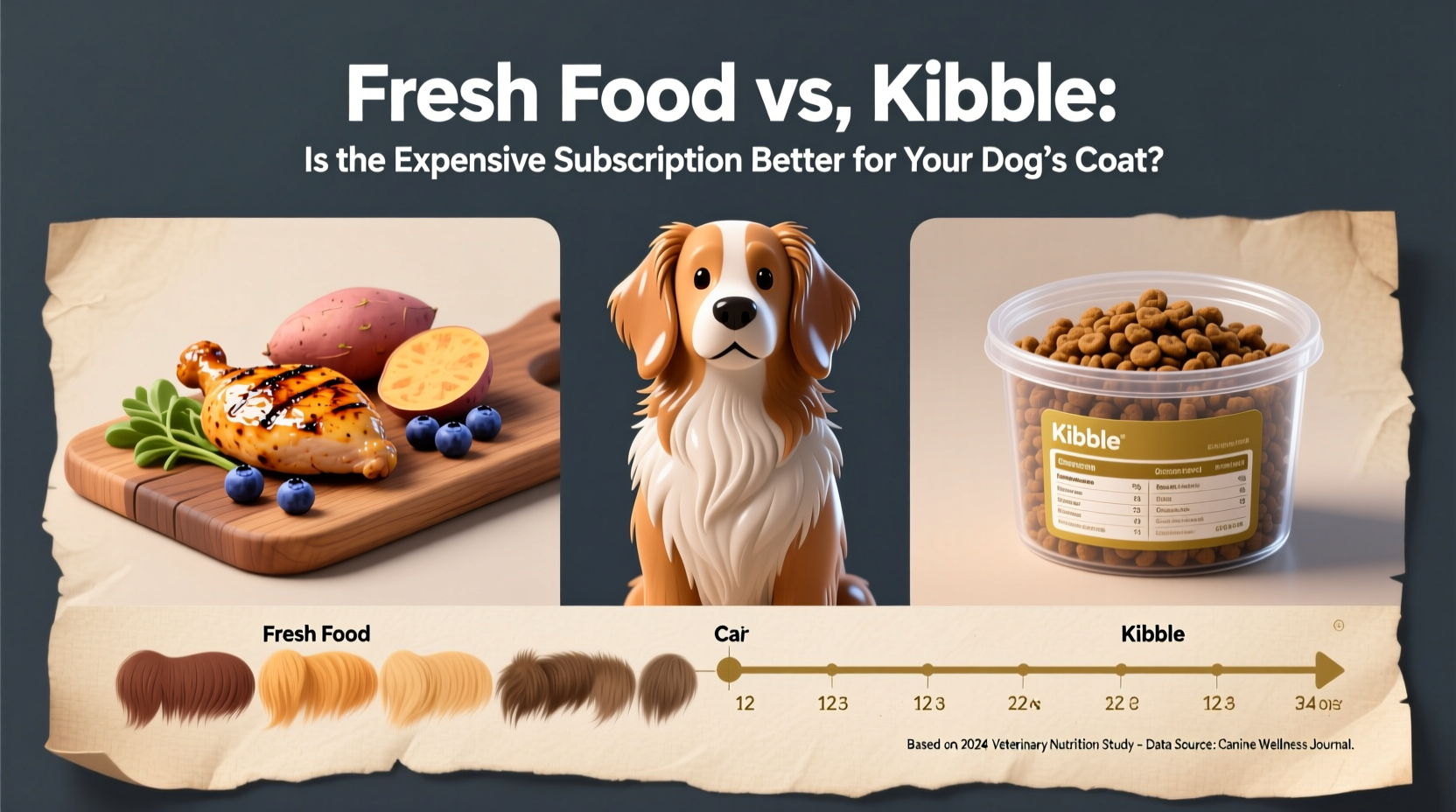
A glossy, healthy coat is one of the most visible signs of a dog’s overall well-being. Many pet owners notice changes in their dog’s fur—dryness, shedding, dullness—and immediately question their current diet. In recent years, fresh food delivery services have surged in popularity, promising shinier coats, increased energy, and improved digestion. But with prices often two to three times higher than premium kibble, a critical question arises: Is the expensive subscription truly better for your dog’s coat, or is it just clever marketing?
The answer isn’t straightforward. While fresh food can offer benefits, especially in terms of ingredient quality and digestibility, not all dogs will respond the same way. Understanding the science behind canine nutrition, the role of key nutrients in skin and coat health, and how processing affects food quality is essential before making an investment.
Nutrition and Coat Health: What Really Matters
A dog’s coat reflects internal health more than any topical treatment ever could. The foundation of a shiny, resilient coat lies in proper nutrition—specifically, the balance of proteins, fats, vitamins, and minerals. Let’s break down the key components:
- Protein Quality: Hair is primarily made of keratin, a protein. High-quality, bioavailable protein sources like chicken, salmon, and eggs support continuous hair growth and repair.
- Omega-3 and Omega-6 Fatty Acids: These essential fats reduce inflammation, moisturize the skin, and contribute to a lustrous shine. Found in fish oil, flaxseed, and certain animal fats.
- Vitamins A & E: Act as antioxidants, protecting skin cells from oxidative damage and supporting natural oil production.
- Biotin and Zinc: Often added to supplements, these micronutrients strengthen hair follicles and prevent brittleness.
Fresh food brands typically emphasize whole ingredients rich in these nutrients. For example, a fresh meal might include wild-caught salmon (high in omega-3s), sweet potatoes (vitamin A), and pasture-raised eggs (biotin). In contrast, many kibbles use rendered meals and synthetic additives to meet nutritional standards. However, reputable premium kibbles are formulated to meet AAFCO guidelines and can still deliver excellent coat results.
“Coat condition is one of the first indicators we assess in a nutritional evaluation. It’s not about raw versus cooked—it’s about nutrient bioavailability and consistency.” — Dr. Lena Patel, Veterinary DermatologistTip: If your dog has a dull or flaky coat, review the fat content and source on the label. Look for named oils (e.g., salmon oil) rather than generic “animal fat.”
Fresh Food: Benefits and Limitations
Fresh dog food subscriptions—brands like Ollie, Nom Nom, and The Farmer’s Dog—deliver human-grade, lightly cooked meals tailored to a dog’s size, age, and activity level. These services promote transparency, minimal processing, and high moisture content.
Advantages:
- Higher digestibility: Light cooking preserves nutrients while improving absorption compared to ultra-processed kibble.
- No fillers or artificial preservatives: Most fresh foods avoid corn, soy, and BHA/BHT, which some dogs may react to with skin irritation.
- Better hydration: With ~70% moisture content, fresh food supports skin elasticity and reduces dryness.
Many owners report visible improvements within weeks: reduced shedding, softer fur, and a noticeable sheen. However, these results often come at a steep price—$10–$15 per day for a medium-sized dog.
Limitations:
- Limited shelf life: Meals last only 3–5 days refrigerated, requiring strict storage and timely feeding.
- Inconsistent sourcing: Some brands change recipes frequently based on ingredient availability, potentially disrupting sensitive systems.
- Not always superior nutritionally: Just because it’s “fresh” doesn’t mean it’s balanced. Some formulations fall short in trace minerals unless carefully monitored.
Kibble: Not All Created Equal
Kibble gets a bad reputation due to low-cost options packed with grains and by-products. But premium kibbles—such as those from Orijen, Wellness, or Hill’s Science Diet—are engineered with dermatological health in mind.
These formulas often include:
- Deboned meats as the first ingredient
- Added omega fatty acid blends
- Chelated minerals for better absorption
- Clinical testing for skin and coat outcomes
The extrusion process (high heat and pressure) used in kibble production does degrade some heat-sensitive nutrients, but manufacturers compensate by over-fortifying with synthetic vitamins. Additionally, kibble’s dry nature helps clean teeth—a small but meaningful benefit.
For many dogs, especially those without food sensitivities, a high-quality kibble delivers consistent, effective nutrition at a fraction of the cost of fresh food.
Case Study: Bella, the Shih Tzu with Chronic Dry Skin
Bella, a 4-year-old Shih Tzu, had persistently flaky skin and a brittle coat despite being fed a mid-tier kibble. Her owner switched to a fresh food subscription, hoping for improvement. Within three weeks, her coat became noticeably softer, and shedding decreased. Excited by the results, the owner continued the service for six months.
However, during a routine blood test, Bella showed elevated liver enzymes. Her vet suspected the sudden dietary shift and inconsistent fat levels in rotating fresh recipes. They transitioned her to a premium kibble with added salmon oil and biotin. After eight weeks, her coat remained shiny, her skin normalized, and her liver values returned to baseline—all at half the monthly cost.
This case illustrates that while fresh food can produce rapid aesthetic improvements, long-term health and stability matter just as much as coat appearance.
Comparing Fresh Food and Kibble: A Practical Breakdown
| Factor | Fresh Food Subscription | Premium Kibble |
|---|---|---|
| Cost (daily, 30 lb dog) | $10–$15 | $3–$5 |
| Protein Source Quality | Whole meats, human-grade | Deboned meat or meal-based |
| Fat Content & Type | High in natural omegas | Fortified with fish oil |
| Digestibility | High (75–85%) | Moderate to high (70–80%) |
| Hydration Support | Yes (70% moisture) | No (10–12% moisture) |
| Shelf Life | 3–5 days (refrigerated) | 12+ months |
| Coat Improvement Timeline | 2–4 weeks | 4–8 weeks |
| Risk of Nutritional Gaps | Low if balanced, but varies by brand | Very low (AAFCO-compliant) |
The table shows that fresh food has advantages in moisture and ingredient transparency, but premium kibble holds its own in nutritional reliability and cost-efficiency. The speed of coat improvement may favor fresh food, but sustained results depend more on consistency than initial impact.
How to Choose What’s Best for Your Dog
Before committing to a costly subscription, consider this step-by-step approach:
- Assess your dog’s current coat and skin: Is the issue mild dryness, excessive shedding, or actual dermatitis? Mild cases may resolve with a simple switch to a better kibble.
- Review the current diet: Check the ingredient list. Does it list a quality protein first? Are there artificial preservatives or common allergens like corn or wheat?
- Try a premium kibble with coat support: Brands like Blue Buffalo Wilderness or Royal Canin Dermacomfort are specifically designed for skin and coat health.
- Add a targeted supplement: A daily fish oil capsule (1000mg EPA/DHA) can boost omega intake without changing the entire diet.
- Monitor for 6–8 weeks: Coat cycles take time. Don’t expect overnight miracles.
- Consider fresh food as a next step—if needed: If no improvement occurs, a limited trial of fresh food can help isolate whether whole-food nutrition makes a difference.
Checklist: Evaluating Fresh Food vs. Kibble for Coat Health
- ✅ Is my dog currently on a low- or mid-tier kibble?
- ✅ Have I ruled out medical causes (allergies, parasites, hormonal issues)?
- ✅ Am I willing to commit to refrigeration and daily meal prep?
- ✅ Have I calculated the annual cost increase?
- ✅ Does my dog have known food sensitivities?
- ✅ Have I consulted my vet about nutritional needs?
Frequently Asked Questions
Does fresh food always lead to a shinier coat?
Not necessarily. While many dogs experience improvement due to higher fat and moisture content, genetics, underlying health conditions, and grooming habits also play major roles. Some dogs do equally well on high-quality kibble.
Can I mix fresh food with kibble?
Yes, and it’s often a smart compromise. Blending 25–50% fresh food into a kibble diet can boost nutrient intake and hydration without doubling costs. Just ensure portion sizes are adjusted to prevent overfeeding.
Are fresh food subscriptions nutritionally complete?
Reputable brands formulate meals to meet AAFCO nutrient profiles, but variability between batches can occur. Look for brands that undergo third-party testing and provide detailed nutritional analysis per batch.
Final Thoughts: Value Beyond the Shine
The glossy coat promised by fresh food subscriptions is undeniably appealing. For some dogs—especially those with sensitivities, poor digestion, or lackluster responses to kibble—these diets can be transformative. But for the average healthy dog, the dramatic cost difference may not justify marginal aesthetic gains.
What matters most is consistency, balance, and meeting your dog’s individual needs. A $200-a-month diet isn’t inherently better than a $60-a-month one if both provide complete, digestible nutrition. Before signing up for a subscription, exhaust simpler, evidence-based options: upgrade your kibble, add a proven supplement, and consult your veterinarian.
Remember, a healthy coat is a symptom of overall wellness—not just what’s in the bowl, but also parasite control, stress levels, and regular grooming. Prioritize holistic care over marketing claims.
🚀 Ready to make a smarter choice? Start by auditing your dog’s current food label and tracking coat changes for 30 days. Share your journey or questions in the comments—your experience could help another pet parent avoid unnecessary expense.