Coriander seeds are one of the most widely used spices in global cuisine, yet their nuanced flavor often goes underappreciated. Unlike their polarizing leaf counterpart—cilantro—coriander seeds offer a universally appealing warmth, with bright citrus undertones and a subtle woody depth. Found in Indian curries, Middle Eastern za'atar, European pickling brines, and even artisanal gin, these small beige orbs are culinary chameleons. Understanding their flavor profile is essential for building layered, balanced dishes. This guide breaks down the sensory characteristics, chemical components, and practical applications of coriander seeds to help cooks harness their full potential.
Definition & Overview
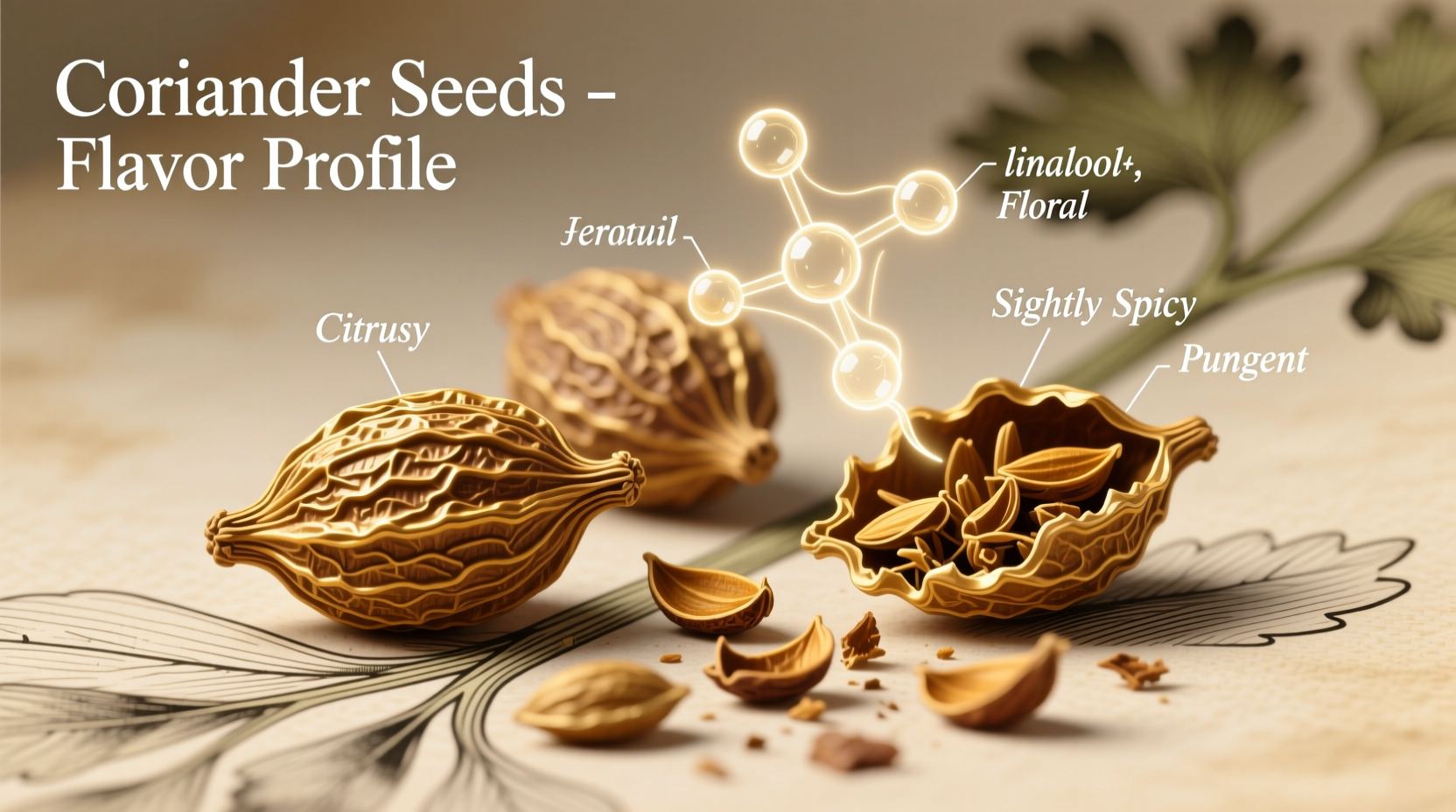
Coriander seeds are the dried fruit of *Coriandrum sativum*, an annual herb in the Apiaceae family, which also includes parsley, carrots, and cumin. While the fresh leaves are known as cilantro, the mature seeds harvested after flowering are referred to as coriander seeds. Native to the Mediterranean and Middle East, coriander has been cultivated for over 7,000 years, making it one of the oldest documented spices. Archaeological evidence places its use in ancient Egypt, Greece, and Rome—not only in cooking but also in medicine and perfumery.
The flavor of coriander seeds is complex and multi-dimensional. When raw, they possess a mild, slightly sweet aroma. Upon toasting or grinding, however, they release volatile oils that transform into a warm, lemony, and faintly peppery essence. This duality makes them indispensable in both savory and sweet preparations across diverse culinary traditions.
Key Characteristics
| Characteristic | Description |
|---|---|
| Flavor | Warm, citrus-forward (lemon/lime), with earthy, nutty, and faintly floral notes; mild peppery finish |
| Aroma | Fragrant and fresh when crushed; becomes deeper and more resinous when toasted |
| Color & Form | Round, beige-to-tan seeds, approximately 3–5 mm in diameter; sold whole or ground |
| Heat Level | Non-pungent; contributes aromatic warmth rather than spiciness (Scoville rating: 0) |
| Culinary Function | Base note in spice blends, flavor enhancer, aromatic foundation in stews and marinades |
| Shelf Life | Whole seeds: up to 3 years in cool, dark storage; ground: 6–12 months before flavor degrades |
The dominant compound responsible for coriander seed’s signature scent is linalool—a terpene alcohol also found in lavender and sweet basil. Linalool provides the pronounced citrus-floral character, while other compounds like pinene and camphor add pine-like sharpness and cooling depth. These volatile oils are fragile; improper storage or prolonged heat exposure can diminish their impact.
Practical Usage: How to Use Coriander Seeds in Cooking
Coriander seeds shine when used intentionally. Their flavor integrates best when activated through proper technique. Whole seeds benefit from dry toasting, which caramelizes natural sugars and intensifies aroma. Ground coriander offers convenience but loses potency faster—grinding on demand is ideal.
Dry Toasting Technique
- Place whole coriander seeds in a dry skillet over medium-low heat.
- Toast for 2–4 minutes, shaking frequently, until fragrant and lightly golden.
- Remove immediately to prevent burning; cool before grinding or using whole.
This step is non-negotiable in Indian, Persian, and North African cuisines, where coriander seeds form the backbone of spice mixes like garam masala, ras el hanout, and dhukka.
Integration in Dishes
- Curries & Stews: Add toasted whole seeds at the beginning of cooking to infuse oil or broth. In Indian dal or Moroccan tagines, they meld with turmeric, cumin, and ginger to create aromatic depth.
- Spice Blends: Combine with cumin, mustard, fenugreek, and chili for homemade curry powders. A classic ratio is 2 parts coriander to 1 part cumin for balanced warmth.
- Baking & Pastry: Used in German rye breads (pumpernickel), Scandinavian cardamom buns, and speculaas cookies. Complements cinnamon, nutmeg, and orange zest.
- Pickling & Fermentation: Whole seeds are essential in brines for pickled onions, beets, or cucumbers. They resist vinegar’s acidity and maintain structure.
- Meat Rubs: Crushed coriander pairs with black pepper, garlic, and smoked paprika for rubs on lamb, pork shoulder, or chicken.
Pro Tip: Bloom toasted coriander seeds in hot oil with other spices before adding liquids. This technique, called \"tempering,\" extracts maximum flavor into the fat phase of a dish—critical for curries, soups, and rice pilafs.
Professional Applications
In restaurant kitchens, chefs leverage coriander seeds for layering flavor profiles. For example, in modern fusion cuisine, toasted and ground coriander might season a carrot-ginger soup or a duck confit taco with lime crema. Molecular gastronomists extract coriander essential oil to infuse cocktails or create aromatic foams. Its versatility allows it to bridge cultural boundaries without dominating.
Variants & Types
While all coriander seeds come from the same plant species, differences in origin, processing, and form affect performance and flavor intensity.
| Type | Description | Best Use Case |
|---|---|---|
| Whole Seeds (Beige) | Raw, unroasted seeds with mild initial flavor; require toasting for full development | Ideal for pickling, tempering, and spice grinding |
| Toasted Whole Seeds | Premarket roasted; darker color, stronger aroma, shorter shelf life | Use directly in rubs or stews; avoid re-toasting |
| Ground Coriander | Pre-ground powder; convenient but oxidizes quickly | Quick recipes like salad dressings or marinades; store in airtight container |
| Organic vs. Conventional | Organic seeds are grown without synthetic pesticides; flavor difference is minimal unless soil quality varies | Preferred for clean-label products and health-conscious consumers |
| Regional Varieties | Moroccan coriander tends to be more floral; Indian varieties are earthier and more robust | Choose based on desired nuance—floral for delicate sauces, earthy for hearty stews |
For optimal results, purchase whole seeds from reputable spice merchants who disclose harvest dates. Look for plump, uniformly colored seeds without dust or musty smell—a sign of age or poor storage.
Comparison with Similar Ingredients
Coriander seeds are often confused with other spices due to overlapping names or botanical relationships. Clarifying distinctions ensures accurate usage.
| Ingredient | Key Differences from Coriander Seeds |
|---|---|
| Cilantro (Fresh Leaves) | Fresh cilantro has aldehyde compounds that taste soapy to some; coriander seeds lack these and are never bitter. They share a genetic origin but differ completely in flavor application. |
| Cumin Seeds | Cumin is hotter, smokier, and more pungent; coriander is brighter and citrusy. Often paired together but not interchangeable. |
| Fennel Seeds | Fennel is sweet and anise-like; coriander lacks licorice notes. Both are warm and round but serve different roles. |
| Caraway Seeds | Caraway has a sharper, more medicinal bite with distinct rye-bread character; coriander is softer and more floral. |
| Coriander Root | Rare outside Southeast Asia; root has a concentrated, earthy version of the seed’s flavor—used in Thai curry pastes. |
\"Many home cooks assume coriander and cumin are interchangeable because they appear together so often. But swapping them alters the entire architecture of a dish. Coriander lifts; cumin grounds.\" — Chef Anika Rahman, Spice Lab NYC
Practical Tips & FAQs
How much coriander seed should I use?
Start with ½ to 1 teaspoon of ground coriander per four servings in soups or stews. For whole seeds, use 1 to 1½ teaspoons. Adjust upward if combining with strong spices like chili or garlic. Overuse can lead to a soapy off-note in sensitive palates, though this is rare with seeds compared to fresh cilantro.
Can I substitute ground coriander for whole seeds?
Yes, but reverse substitution is better. Replace 1 teaspoon whole seeds with ¾ teaspoon ground (toasted first if possible). Keep in mind that pre-ground coriander may lack vibrancy.
What are common dishes that use coriander seeds?
- Indian: Chana masala, biryani, sambar
- Middle Eastern: Falafel, kofta, baharat spice mix
- Mexican: Certain mole blends, adobo seasoning
- European: Beer brewing, sauerkraut, sausage seasoning
- North African: Harissa, chermoula, tajines
How do I store coriander seeds properly?
Keep whole seeds in an airtight glass jar, away from heat, light, and moisture. A cool pantry or cupboard works best. Avoid storing near the stove or oven. Label with purchase date. Ground coriander should be refrigerated if kept beyond six months.
Are there any health benefits?
Traditionally, coriander seeds have been used to aid digestion, reduce bloating, and regulate blood sugar. Modern studies suggest antioxidant and anti-inflammatory properties due to polyphenols and terpenes. However, culinary doses are unlikely to produce therapeutic effects—enjoy them for flavor first.
Why do some people hate coriander?
The aversion commonly associated with cilantro does not apply to the seeds. The soapy taste in fresh cilantro comes from aldehyde compounds similar to those in soap and lotions. These are absent in mature seeds. Even cilantro-haters typically enjoy coriander seed flavor.
Can I grow my own coriander for seeds?
Yes. Plant *Coriandrum sativum* in well-drained soil with full sun. Allow the plant to bolt and flower; seeds form in clusters after petals fade. Harvest when brown and dry. One plant yields enough for personal use, though commercial production requires large-scale cultivation.
Storage Checklist:
- Use amber glass jars with tight lids
- Store below 70°F (21°C)
- Keep away from humidity (not above the sink)
- Label with purchase date
- Grind only what you need weekly
Summary & Key Takeaways
Coriander seeds are far more than a background spice. Their warm, citrusy, and subtly floral profile makes them a cornerstone of global flavor systems. Unlike fresh cilantro, they appeal broadly and integrate seamlessly into both traditional and modern dishes. Key takeaways include:
- Coriander seeds offer a unique blend of lemony brightness and earthy depth, driven by linalool and other volatile oils.
- Toasting whole seeds unlocks their full aromatic potential—never skip this step in slow-cooked dishes.
- They function as a base note in spice blends, enhancing complexity without overpowering.
- Whole seeds last years; ground versions degrade within months—grind fresh when possible.
- They are not interchangeable with cumin, fennel, or caraway despite superficial similarities.
- Proper storage in cool, dark conditions preserves flavor and extends usability.
Mastering the use of coriander seeds elevates everyday cooking. Whether crafting a fragrant biryani, fermenting vegetables, or developing a signature rub, this humble seed delivers sophistication with subtlety. Treat it with care—toast it, store it well, and respect its role—and it will reward your palate with layers of nuanced warmth.
Next Step: Try making your own coriander-heavy spice blend: combine 2 tbsp toasted coriander seeds, 1 tbsp cumin seeds, 1 tsp black peppercorns, and ½ tsp cardamom pods. Grind and use on roasted cauliflower or grilled fish.