
Bulldogs are beloved for their expressive faces, calm demeanor, and loyal personalities. But behind that charming exterior lies a breed with unique nutritional needs shaped by their physiology, genetics, and common health concerns. From brachycephalic breathing to sensitive skin and digestive issues, what you feed your bulldog can make a significant difference in their energy levels, coat condition, and overall well-being. Choosing the right food isn’t just about filling their bowl—it’s about fueling a long, healthy life.
With so many options on the market, from grain-free kibble to fresh meal delivery services, it's easy to feel overwhelmed. This guide cuts through the noise, offering science-backed insights, vet-approved recommendations, and practical advice to help you select the best food for your bulldog at every stage of life.
Understanding Bulldog Nutrition Needs
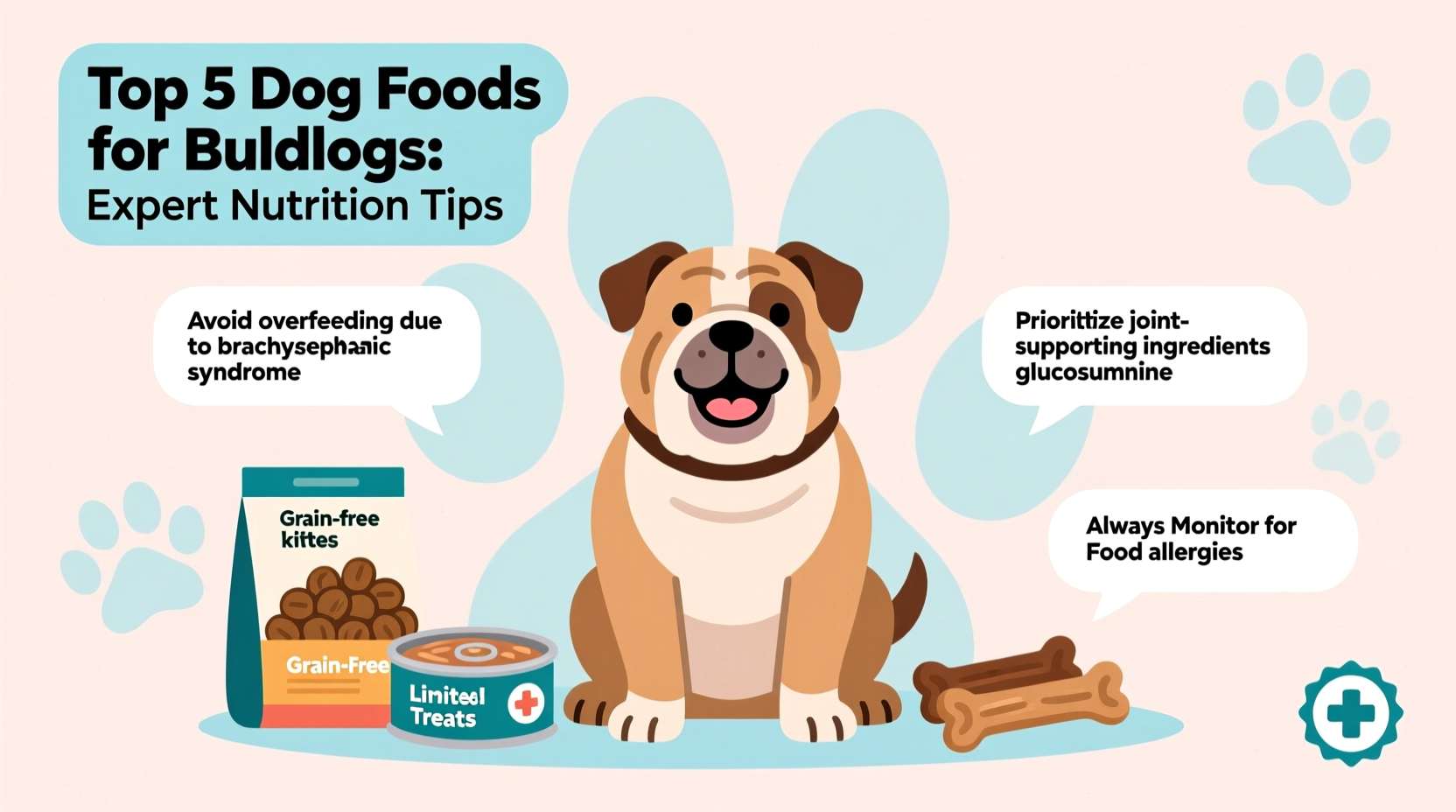
Bulldogs have specific dietary requirements due to their predisposition to obesity, allergies, hip dysplasia, and gastrointestinal sensitivities. Their short digestive tracts and low activity levels mean they need nutrient-dense, easily digestible food without excess calories. High-quality protein should be the foundation of their diet, supporting muscle maintenance and immune function.
Fats are also crucial—but not all fats are created equal. Omega-3 and omega-6 fatty acids promote healthy skin and a shiny coat, which is especially important for bulldogs prone to dermatitis and yeast infections in skin folds. Carbohydrates should come from digestible sources like sweet potatoes or brown rice, avoiding fillers such as corn, soy, or wheat that can trigger allergic reactions.
Tip: Always check the first three ingredients on the label—ideally, they should be named animal proteins (e.g., “chicken,” “lamb”) rather than by-products or unnamed meals.Top 5 Foods for Bulldogs: Vet-Approved Picks
Selecting the right food means balancing quality ingredients, breed-specific needs, and palatability. After reviewing clinical research, veterinary recommendations, and customer feedback, here are five standout options:
| Brand & Product | Key Benefits | Best For |
|---|---|---|
| Royal Canin Bulldog Adult Dry Dog Food | Tailored kibble shape for jaw alignment; supports skin barrier function and digestion | Adult bulldogs with skin sensitivities |
| Hill’s Science Diet Sensitive Stomach & Skin | Prebiotic fiber for gut health; high digestibility; vitamin E and omega-6 for coat | Bulldogs with frequent gas or loose stools |
| Wellness CORE Grain-Free Original | High-protein, low-carb formula; includes probiotics and antioxidants | Active or overweight-prone bulldogs |
| Blue Buffalo Life Protection Formula (Lamb & Brown Rice) | Natural ingredients; LifeSource Bits for immune support; no corn/soy/wheat | Puppies and seniors needing gentle nutrition |
| The Farmer’s Dog Fresh Delivery | Fresh, human-grade meals customized to dog size and weight; vet-formulated | Owners seeking premium, hassle-free feeding |
“Bulldogs thrive on consistency. A stable, high-quality diet reduces flare-ups of skin and GI issues more effectively than any supplement.” — Dr. Lena Torres, DVM, Canine Nutrition Specialist
Feeding Guidelines by Life Stage
Nutritional needs change dramatically from puppyhood to senior years. Matching food to your bulldog’s life stage ensures optimal growth, energy, and joint health.
- Puppy (0–12 months): Feed a large-breed puppy formula rich in calcium and phosphorus to support bone development without rapid growth that stresses joints. Offer three measured meals daily until six months, then transition to two.
- Adult (1–7 years): Switch to adult maintenance food with moderate fat (12–15%) and protein (22–26%). Monitor weight closely—bulldogs often gain pounds after age three.
- Senior (7+ years): Opt for lower-calorie, higher-fiber formulas with added glucosamine and chondroitin. These support mobility and ease digestion, which tends to slow with age.
Common Dietary Mistakes to Avoid
Even well-meaning owners can unknowingly compromise their bulldog’s health with poor feeding habits. Watch out for these pitfalls:
- Free-feeding: Leaving food out all day encourages overeating and disrupts digestion.
- Human food scraps: Table scraps—even “safe” ones like chicken—can cause pancreatitis or allergic reactions in sensitive dogs.
- Sudden diet changes: Switch foods gradually over 7–10 days to avoid vomiting or diarrhea.
- Ignoring water intake: Bulldogs are prone to dehydration, especially in warm weather. Always provide fresh water and monitor drinking patterns.
Mini Case Study: Max’s Turnaround
Max, a 3-year-old English bulldog from Atlanta, suffered from chronic ear infections and soft stools for over a year. His owner rotated between budget brands, believing variety was beneficial. After consulting a veterinary nutritionist, Max switched to Hill’s Science Diet Sensitive Stomach & Skin and eliminated treats containing artificial dyes. Within six weeks, his stool firmed up, ear inflammation decreased, and his energy improved. The key wasn’t a miracle ingredient—it was consistency and eliminating irritants.
Dietary Do’s and Don’ts Summary
| Do | Don’t |
|---|---|
| Choose foods with real meat as the first ingredient | Use generic “meat meal” without knowing the source |
| Feed twice daily on a schedule | Give unlimited access to food |
| Include fish oil supplements if recommended | Over-supplement without veterinary guidance |
| Store food in airtight containers away from heat | Leave kibble in the bag near a sunny window |
Frequently Asked Questions
Is grain-free food better for bulldogs?
Not necessarily. While some bulldogs benefit from grain-free diets due to allergies, recent FDA studies link certain grain-free formulas (especially those high in legumes) to dilated cardiomyopathy (DCM). Unless your dog has a diagnosed grain sensitivity, whole grains like brown rice or barley can be healthy and digestible.
How much should I feed my bulldog?
An average adult bulldog (50 lbs) needs 1,000–1,300 kcal per day, split into two meals. Check your food’s caloric content and follow package guidelines, adjusting based on body condition. You should be able to feel—but not see—the ribs.
Can I mix wet and dry food?
Yes. Mixing canned food with kibble can increase hydration and palatability. Just ensure the total daily calories stay within your dog’s needs. A 50/50 blend is common, but consult your vet if your bulldog has kidney or dental concerns.
Final Checklist Before You Buy
- Check the ingredient list:
- Look for named animal proteins, minimal fillers, and no artificial preservatives.
- Confirm AAFCO compliance:
- The food should meet nutritional standards for your dog’s life stage.
- Consider your lifestyle:
- If you’re busy, shelf-stable kibble may be more practical than fresh delivery.
- Watch for trial sizes:
- Many brands offer small bags or sample packs—use them to test tolerance before committing.
- Consult your vet:
- Especially if your bulldog has allergies, pancreatitis, or other medical conditions.
Take Action Today for a Healthier Bulldog
Your bulldog’s diet is the cornerstone of their health. With thoughtful choices, you can reduce vet visits, improve their mood, and extend their golden years. Start by evaluating your current food using the guidelines above. Try a small batch of one of the recommended brands, track your dog’s energy, stool quality, and skin condition, and adjust as needed. Remember, the best food isn’t always the most expensive—it’s the one that works best for your unique companion.
💬 Have a favorite bulldog food or success story? Share your experience in the comments—your insight could help another owner make a life-changing choice.